The Iowa Habitat Fee Explained
Navigating the world of hunting licenses and fees can feel like deciphering a complex code, leaving many of us scratching our heads about where our hard-earned money actually goes. One of the often-overlooked, yet incredibly vital, components of your Iowa hunting and fishing expenses is the Iowa Habitat Fee. This guide will peel back the layers, explaining exactly what this fee entails, why it’s so important, and how it directly benefits the wild places and wildlife we cherish here in Iowa.
What Exactly is the Iowa Habitat Fee?
When you’re gearing up for a season of chasing whitetails, calling in spring gobblers, or casting a line in one of Iowa’s beautiful waterways, you’ll undoubtedly encounter various fees as you purchase your licenses. Among them is the Iowa Habitat Fee, often appearing as a small, separate line item. It’s not just another charge; it's a dedicated investment in the future of hunting and fishing in our state.
The Purpose Behind the Fee
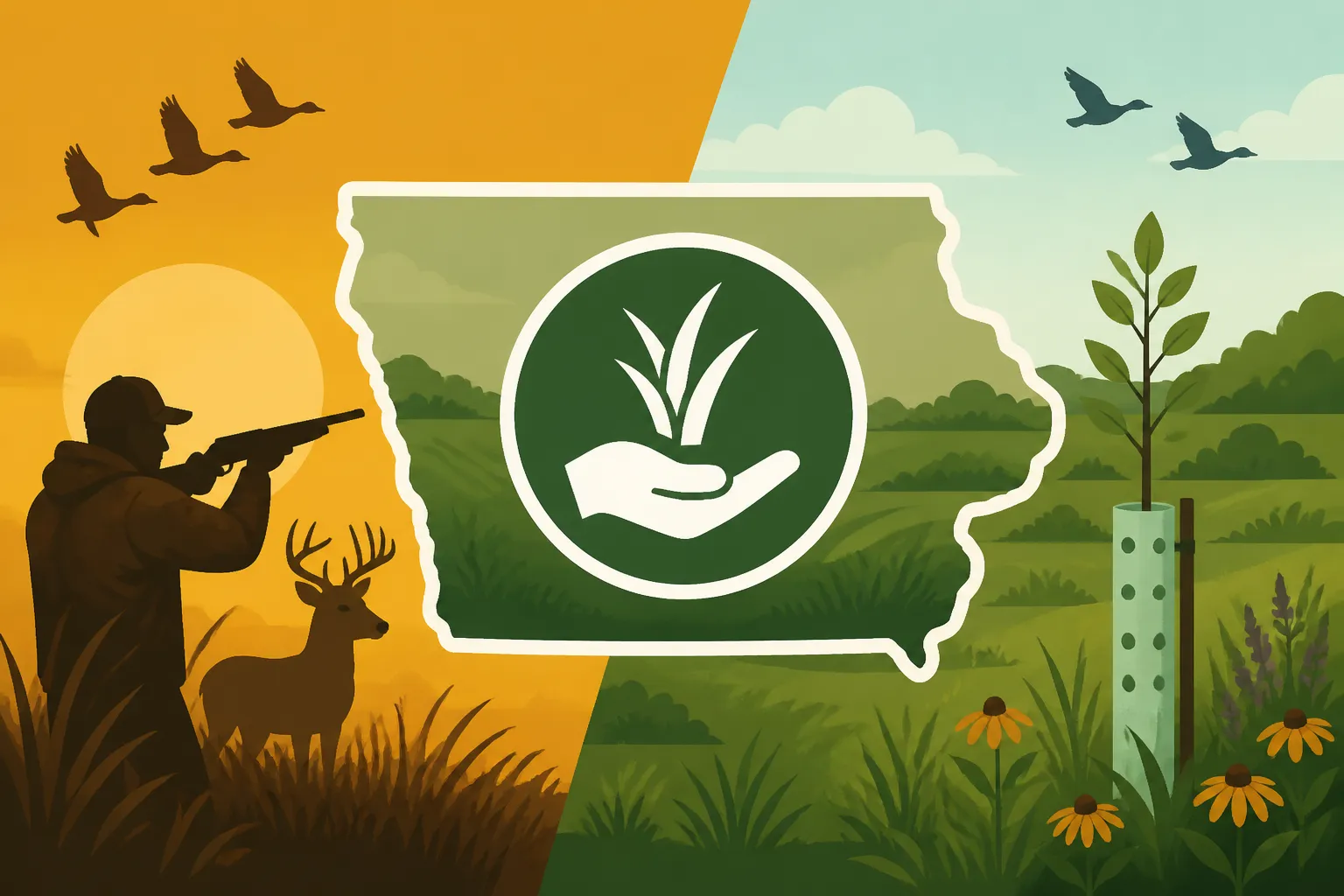
At its heart, the Iowa Habitat Fee is a conservation fund. Think of it as your direct contribution to maintaining and expanding the precious natural resources that make Iowa such a fantastic place for outdoor pursuits. The money generated from this fee doesn't just disappear into a general state fund; it's specifically earmarked for the Iowa Department of Natural Resources (DNR) to acquire, develop, and maintain critical wildlife habitats.
These efforts range from purchasing new tracts of land that become public hunting areas, to restoring wetlands crucial for waterfowl, to planting native prairies that benefit pheasants, quail, and deer. It also supports projects like timber stand improvement in state forests, enhancing bedding and forage areas for Iowa's impressive whitetails. Without this steady stream of funding, many of the prime hunting and fishing spots we enjoy today simply wouldn't exist, or wouldn't be nearly as productive. It’s an investment in healthy ecosystems, robust wildlife populations, and continued public access.
Who Needs to Pay It?
The Iowa Habitat Fee isn't universally applied to every single license, but it does cover the vast majority of adult hunting and fishing licenses for both residents and non-residents. Generally, if you're 16 years of age or older and purchasing a hunting, fishing, or a combination license, you'll be required to pay the annual habitat fee. This includes your base hunting license, fishing license, or combined options.
There are a few specific instances or groups that might be exempt. For example, some landowner and tenant licenses, youth licenses (typically those under 16), or specific disabled veteran licenses might not require it. However, for the average hunter or angler looking to enjoy Iowa's outdoors, consider the habitat fee an integral and mandatory part of your annual licensing process. It's a small fee that collectively makes a huge difference, ensuring that when you purchase an Iowa Deer Licence and Tag Costs, part of that goes directly back into the land you hunt.
How Your Habitat Fee Makes a Real Impact on Iowa Hunting
It's natural to wonder, "Where exactly does my money go?" With the Iowa Habitat Fee, the answer is tangible and visible in the form of more accessible lands and healthier wildlife across the state. This isn't just bureaucratic accounting; it's directly tied to the quality of your hunting experience.
Funding Public Access and Wildlife Areas
One of the most significant impacts of the Habitat Fee is its role in expanding and maintaining public hunting land in Iowa. Iowa, being a state rich in private agricultural land, has less public access than some western states. This fee helps the Iowa DNR strategically acquire parcels of land and improve existing ones, transforming them into vital public hunting and fishing opportunities.
These funds directly support areas like Iowa Wildlife Management Areas (WMAs), which are managed specifically for wildlife habitat and public recreation. From restoring wetlands for waterfowl hunters to creating diverse timber stands for deer hunters, the habitat fee underpins these efforts. It also plays a crucial role in programs like Iowa's Habitat and Access Program Explained, which leases private land from landowners to open it up for public walk-in hunting access. These are often invaluable pieces of cover in a sea of private ground, and your habitat fee helps make them available. When you use tools like GoHunt to scout potential hunting spots, many of those blue-marked public lands owe their existence or continued maintenance, in part, to these habitat fees.
Consider a place like Green Island Wildlife Area along the Mississippi River, or Brushy Creek Recreation Area in central Iowa – these expansive properties require constant management, from controlling invasive species to planting food plots and maintaining access roads. The habitat fee directly fuels these types of critical maintenance activities, ensuring these areas remain viable and productive for generations of hunters and anglers.
Habitat Restoration and Species Management
Beyond simply acquiring land, the habitat fee is crucial for the ongoing work of habitat restoration and intensive species management across the state. This means more than just letting land sit; it involves active, scientific approaches to improving conditions for specific game species.
For example, a significant portion of the funds goes into projects aimed at bolstering Iowa Pheasant Population Cycles. This could involve establishing dense nesting cover, creating winter food sources, or managing prescribed burns to rejuvenate native prairie ecosystems. For turkey hunters, the fee contributes to initiatives that improve timber quality, which is essential for healthy Iowa Turkey Population Trends. This might mean selective logging to create diverse understory growth, providing better forage and cover for turkey poults and adults.
The fee also supports crucial research and management efforts for Iowa Deer Herd Management and Harvest. This includes studies on deer health, population dynamics, and disease monitoring, especially concerning issues like Chronic Wasting Disease (CWD). By funding these essential biological programs, the habitat fee directly contributes to the robust and healthy deer herd that Iowa is renowned for. Imagine a winter when harsh conditions threaten the deer population; habitat fee funds could be critical in supporting supplemental feeding programs or habitat enhancements to help deer weather the storm. It’s all about creating resilient populations that can thrive, offering better hunting opportunities year after year.
The Practicalities of Paying the Iowa Habitat Fee
While the impact of the Iowa Habitat Fee is profound, the actual process of paying it is thankfully straightforward and integrated into the standard licensing system. You won't typically find it as a standalone item you need to seek out, but rather as a necessary component when you purchase your annual licenses.
When and Where You'll Encounter It
You'll encounter the Iowa Habitat Fee most commonly when you're purchasing your annual hunting, fishing, or combination licenses. This happens primarily through the Go Outdoors Iowa online licensing system, the official portal for all Iowa DNR recreational licenses. When you log in to apply for an Iowa Nonresident Deer Draw Explained or simply renew your annual resident licenses, the habitat fee will be automatically added to your cart alongside your chosen licenses.
Beyond the online system, you’ll also find the fee applied when purchasing licenses from authorized vendors across the state. These can include local sporting goods stores, bait shops, and even some county recorders' offices. Regardless of where you make your purchase, the system is designed to include the habitat fee as a standard part of the transaction for eligible licenses. It ensures that every eligible hunter and angler contributes to the collective effort of conservation without needing to navigate a separate, confusing process.
Understanding the Cost and How It Stacks Up
As of my last check, the Iowa Habitat Fee is a modest $15.00 for residents and $20.00 for non-residents. This fee is typically paid annually, once per license year, regardless of how many individual hunting or fishing tags you purchase afterward (as long as you have an eligible base license). It's not $15 for your deer tag, another $15 for your turkey tag, and so on. Once paid for the year with an eligible base license, you're usually covered.
Let's break down how this might look for a couple of common scenarios:
| License Type | Resident Cost (approx.) | Non-Resident Cost (approx.) | Includes Habitat Fee |
|---|---|---|---|
| Annual Hunting License | $29.00 | $156.00 | Yes |
| Annual Fishing License | $22.00 | $48.00 | Yes |
| Annual Combination License | $35.00 | $203.00 | Yes |
| Deer Tag (e.g., Any-Deer) | $45.00 (in addition to base hunting) | $600.00 (in addition to base hunting) | No (Habitat Fee already paid with base hunting license) |
| Turkey Tag (Spring Any-Sex) | $28.00 (in addition to base hunting) | $100.00 (in addition to base hunting) | No (Habitat Fee already paid with base hunting license) |
Note: These are approximate costs and can change. Always check the official Iowa DNR website or Go Outdoors Iowa for the most current pricing. The table illustrates that the habitat fee is usually incorporated into the initial annual base license purchase.
When you consider the total cost of hunting, especially for non-residents applying for a coveted Iowa non-resident deer tag, the habitat fee is a relatively small portion. However, it's a foundational one. It ensures that the broader infrastructure for hunting and fishing, from the public lands you scout to the healthy populations of Iowa Waterfowl on the Mississippi Flyway or Eastern Turkeys in Iowa Timber, remains robust. This fee is a prime example of how user-pay, user-benefit conservation funding works, directly linking your investment to the outdoor opportunities you enjoy. Understanding this helps clarify not just the "how" but also the "why" behind the structure of Iowa Resident Deer Licence Prices and other related fees.
Important Considerations and How You Can Do More
The Iowa Habitat Fee is a cornerstone of conservation funding, but it's important to remember that it's just one piece of the puzzle. Understanding its role also opens the door to appreciating the broader conservation landscape and how you, as an outdoor enthusiast, can further contribute.
Is It a One-Time Fee Per Year or Per License?
As clarified earlier, the Iowa Habitat Fee is generally an annual fee. This means that once you purchase your initial eligible hunting, fishing, or combination license for the current license year (which runs from January 1st to December 31st), you've usually satisfied the habitat fee requirement for that year. You won't pay it again if you then go on to purchase additional deer, turkey, or other specific game tags later in the season. This system makes it simple and ensures that everyone contributes once annually to the vital habitat fund. It's designed to be efficient, not to nickel-and-dime you for every single tag you acquire.
What if I Only Fish, Do I Still Pay?
Yes, if you are 16 years of age or older and purchase an Iowa fishing license, you will also pay the Iowa Habitat Fee. The fee applies to most adult hunting, fishing, and combination licenses because the habitat and conservation efforts it funds benefit all wildlife and ecosystems, not just those directly related to game species that are hunted. Healthy rivers, lakes, and surrounding riparian habitats benefit fish populations just as much as prairies benefit pheasants. The interconnectedness of these ecosystems means that an investment in one area often positively impacts others, contributing to the overall health of Iowa’s natural resources.
Can I Opt Out of Paying the Habitat Fee?
No, the Iowa Habitat Fee is a mandatory component of purchasing an eligible hunting, fishing, or combination license in Iowa. It is not an optional donation. This mandatory nature is what gives the program its strength and consistency, ensuring a reliable funding source for critical conservation work year after year. While some might initially view it as another cost, recognizing its direct impact on providing and enhancing the very resources we utilize helps put its value into perspective. It’s a shared responsibility that allows for robust wildlife populations and accessible wild places for everyone who participates in outdoor recreation. For those new to hunting, understanding Iowa Hunter Education and Licensing Basics will also introduce them to these fundamental requirements.
Supporting Iowa's Outdoors Beyond the Fee
While the habitat fee is crucial, your commitment to Iowa's outdoors doesn't have to stop there. Consider volunteering for habitat projects on local WMAs or county parks. Organizations like Pheasants Forever and Ducks Unlimited often have local chapters that do hands-on habitat work, and your time or additional donations can amplify the impact of funds generated by the habitat fee. Engaging in these ways creates a deeper connection to the land and the wildlife, fostering a sense of ownership and stewardship. Every little bit, whether through fees or direct action, helps ensure Iowa remains a fantastic destination for hunting and fishing.
Disclaimer
The information provided in this guide is intended for general informational purposes only. While every effort has been made to ensure accuracy, hunting regulations, license fees, and season dates are subject to change by the Iowa Department of Natural Resources (DNR). Always consult the official Iowa DNR website or the current year's hunting regulations booklet before planning any hunting or fishing activities to ensure compliance with all applicable laws and regulations.