Which Iowa Cities Run Urban Deer Hunts
Living in Iowa often means enjoying the beauty of nature right outside your door, but sometimes that natural beauty, in the form of our abundant whitetail deer, can become a real problem within city limits. Damage to gardens, landscaping, and even dangerous vehicle collisions can make urban deer management a critical issue for municipalities and residents alike. This comprehensive guide will explore which Iowa cities often implement urban deer hunts, how these programs work, and what you need to know to potentially participate or simply understand their purpose.
Understanding the Need for Urban Deer Hunts in Iowa
It's easy to appreciate the sight of a deer grazing in a field or slipping through the timber, but when those deer start treating your rose bushes like an all-you-can-eat buffet or, worse, become a hazard on busy city streets, the perception quickly shifts. Iowa's landscape, rich in agricultural bounty and scattered timber, provides an ideal environment for whitetail deer to thrive, and increasingly, they're thriving right alongside us in urban settings.
The Growing Challenge of Overpopulation in City Limits
Our cities, with their pockets of green spaces, parks, and even undeveloped land, can inadvertently create ideal habitats for deer. These areas often offer abundant food sources, from meticulously maintained residential landscaping to garden plots, and provide sanctuary from traditional hunting pressure. The result is often a localized deer population explosion within city boundaries, leading to an imbalance in the ecosystem. You see fewer natural predators in town, and combined with readily available food and cover, deer numbers can escalate rapidly. This isn't just about a few extra deer; it's about a herd that outgrows the capacity of the urban environment to sustain it without significant impact on human activity and property. It's a classic case of too much of a good thing, where the deer's adaptability to human environments becomes a challenge for the communities themselves.
This overpopulation isn't a problem unique to one or two Iowa towns. Many communities across the state, from smaller towns with growing edges to larger metropolitan areas, grapple with this issue. The deer, unaccustomed to the same level of hunting pressure found in rural areas, can become quite bold, leading them further into residential areas and increasing their visibility, and thus, their impact. The Iowa DNR keeps a close eye on Urban Deer Herds in Iowa Cities and works with municipalities to address these concerns before they get out of hand, often identifying specific zones where deer populations are particularly dense.
Mitigating Conflicts: From Gardens to Car Collisions
The conflicts arising from an overpopulated urban deer herd are varied and can be quite frustrating for residents. One of the most immediate and visible impacts is property damage. Homeowners often report significant losses to their ornamental plants, vegetable gardens, and even young trees. Imagine carefully tending to a new fruit tree, only to find its bark rubbed raw by a buck, or waking up to discover your entire vegetable patch has been grazed to the ground overnight. These aren't isolated incidents but recurring headaches that can cost homeowners considerable time and money.
Beyond the landscaping, deer-vehicle collisions are a severe concern. As deer populations rise within city limits, so does the likelihood of these dangerous encounters. A collision with a deer can result in extensive damage to vehicles, sometimes totaling them, and, more importantly, poses a significant risk of injury to drivers and passengers. These incidents are not only costly but can also lead to tragic outcomes. Many municipalities see these collisions spike during certain times of the year, particularly during the rut, making roads even more hazardous. Urban deer hunts are often seen as a necessary tool, not just to protect petunias, but to safeguard public safety and reduce economic burdens on local citizens and insurance companies.
How Iowa Cities Implement Urban Deer Management
When a city decides that its deer population has become unmanageable through non-lethal methods, they often turn to organized urban deer hunts. These aren't your typical walk-through-the-timber hunts; they are highly controlled, safety-focused operations designed to reduce deer numbers efficiently and responsibly within the unique confines of an urban environment.
Common Hunting Methods and Restrictions
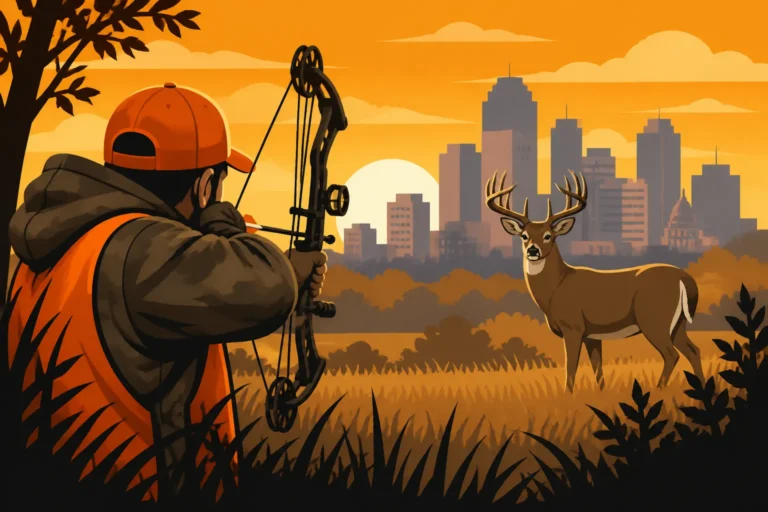
Urban deer hunts in Iowa cities typically employ methods that maximize safety and minimize disturbance to residents. Archery is by far the most common method, preferred for its quietness, shorter effective range compared to firearms, and reduced risk of over-penetration. Some cities may also permit specific types of firearms, like shotguns with slugs or straight-wall cartridge rifles, but these are generally restricted to certain zones or under very strict conditions, often requiring participants to be elevated in a stand to ensure shots are directed downwards. The Iowa's Legal Deer Hunting Equipment by Season article details the broader state regulations, but urban hunts layer additional, more stringent rules on top.
For instance, baiting might be utilized to concentrate deer in specific, safe areas, even though the general Iowa Baiting Ban for Deer applies to most of the state's public hunting lands. This allows hunters to take shots from a controlled position and ensures a clean kill while minimizing deer movement. However, this is always at the discretion of the city and their specific ordinances. Safety zones around homes, schools, and other public areas are rigorously enforced, often with clearly marked boundaries. Hunters are typically assigned specific properties or designated areas, and there's often an emphasis on antlerless deer harvest to help control population growth more effectively by targeting reproductive females.
Application Processes and Participant Requirements
Participating in an urban deer hunt isn't as simple as heading out to your favorite timber stand. These programs are highly regulated, and cities implement strict application processes to ensure only qualified and responsible hunters are involved. Typically, you'll need to submit an application directly to the participating city's parks and recreation department or a designated municipal office. These applications often require proof of extensive hunting experience, a spotless record, and often, specific certifications beyond the basic Iowa hunter education requirements. Many cities will mandate additional proficiency tests, such as demonstrating accuracy with a bow at various distances, to ensure hunters are capable of making ethical, clean shots in sensitive environments.
Most cities will require you to hold a valid Iowa hunting license and deer tag. Some programs might be limited to city residents, while others may be open to a broader pool of applicants. The application window is usually narrow, and the demand can be high, so staying informed about specific city announcements is key. Background checks are also common to vet potential participants. It's not uncommon for cities to require a signed agreement acknowledging specific rules and liability waivers. This thorough vetting process is crucial for maintaining public safety and confidence in the program. You'll often find specific details on application forms available on individual city websites, so checking those resources directly is your best bet.
Special Considerations for Safety and Public Perception
Safety is paramount in any urban deer hunt. Unlike hunting in vast rural landscapes, these hunts occur in close proximity to homes, businesses, and public spaces. As such, every aspect of the hunt is designed with maximum safety in mind. Hunters are typically required to wear blaze orange, even outside of traditional firearm seasons, if the city deems it necessary for visibility. Iowa Blaze Orange Requirements are stringent during gun seasons statewide, but urban hunts may extend these requirements. Shot angles are meticulously planned to ensure arrows or bullets impact the ground quickly and safely within the designated hunting zone. This might mean only taking shots from elevated positions or only at deer within a certain range.
Beyond physical safety, managing public perception is a huge part of running a successful urban deer management program. Cities often face a delicate balance between addressing deer-related issues and respecting the views of residents who may be opposed to hunting. Clear communication from the city about the rationale behind the hunts, the safety measures in place, and the positive outcomes (like reduced collisions and property damage) is vital. Hunters participating in these programs often act as ambassadors for ethical hunting and are expected to be discreet, respectful, and adhere to all rules, even those that might seem overly restrictive compared to general hunting practices. This includes proper field dressing and swift removal of harvested animals to avoid alarming non-hunting residents.
Finding Opportunities: Which Iowa Cities Participate
It's natural to wonder which specific cities in Iowa are actively running these urban deer management programs. While there isn't one single, statewide list maintained by the DNR that details every municipal hunt, information is typically disseminated at the local level.
Resources for Identifying Participating Cities
The first and most direct resource for finding out about urban deer hunts is the individual city government websites. Most cities that run these programs will announce them through their municipal parks and recreation departments, city clerk's offices, or police departments. You might find application forms, program details, and contact information directly on their official websites. It's often a good practice to check the city's news or announcements section, or even call their non-emergency line to inquire about urban deer management programs.
Another excellent resource is the Iowa Department of Natural Resources (DNR). While they don't run all municipal hunts, they often provide guidance, issue special permits, and are aware of which cities are actively engaged in urban deer management. Their website and local wildlife biologists can be invaluable sources of information. Sometimes, cities that are part of larger metropolitan areas might coordinate efforts, so looking at county conservation board websites can also yield results. Utilizing mapping tools like onX Hunt can also be incredibly helpful once you've identified a potential hunt area, as it allows you to visualize city boundaries, public land parcels, and potential hunt zones, helping you understand the lay of the land before applying. This mapping technology can help you determine safe shooting lanes and identify core deer travel routes within designated hunt areas.
Tips for Securing a Spot in a Hunt
Getting into an urban deer hunt often requires more than just showing up. These programs are usually limited in scope and highly competitive due to the number of participants allowed and the limited area. Your best bet is to be prepared and proactive. First, make sure your hunter education is up to date, and if a city requires additional proficiency testing, start practicing your archery skills well in advance. Having a strong, documented history of ethical hunting is a huge plus.
Beyond skill, a solid understanding of the specific city's rules and demonstrating a commitment to safety and discretion will set you apart. Many urban programs appreciate hunters who are willing to participate in other aspects of deer management, such as reporting observations or assisting with carcass removal. Building relationships with local wildlife officials or city staff can sometimes help, not in securing a spot through favoritism, but by showing you are a serious, engaged, and responsible hunter. Be persistent in checking city websites and making inquiries; application windows can be short, and you don't want to miss an opportunity because you weren't looking. Remember, these hunts often prioritize those who can demonstrate a calm demeanor, exceptional accuracy, and a deep respect for both the animal and the surrounding community.
| City Type / Hunt Goal | Common Hunting Method | Primary Target | Typical Application Period | Key Requirement Example |
|---|---|---|---|---|
| Suburban Growth | Archery (elevated) | Antlerless | Late Summer/Early Fall | Archery Proficiency Test |
| Park System Management | Archery (ground/elevated) | Antlerless/Any Deer | Year-round (seasonal segments) | Background Check |
| Small Town Outreach | Archery/Shotgun (limited) | Antlerless | Varies, often Fall | Hunter Education Card |
| Large Metro Edge | Archery (specific zones) | Antlerless | Early Summer | Residency Proof, Safety Briefing |
Beyond the Hunt: What to Expect When Participating
Successfully drawing a tag and participating in an urban deer hunt is a unique experience that comes with its own set of responsibilities and expectations. It's a chance to contribute directly to community well-being and wildlife management, but it also demands a heightened level of ethical conduct and adherence to very specific rules.
Ethical Considerations and Hunter Responsibilities
Participating in an urban hunt carries a heavy ethical burden, perhaps even more so than a traditional hunt. Because you are often hunting in view of non-hunters, every action reflects on the entire hunting community. This means prioritizing humane, quick kills and only taking shots you are absolutely confident in. A wounded animal fleeing into a residential area is a worst-case scenario that must be avoided at all costs. Hunters are expected to be stewards of the environment, leaving no trace of their presence beyond the harvested animal. This includes respecting private property, even if it's not part of your designated hunting zone, and being discreet about your activities.
Furthermore, communicating respectfully with curious or concerned residents is a key responsibility. Explaining the necessity of the hunt and the measures taken to ensure safety can go a long way in fostering understanding. Your conduct, from how you enter and exit the hunt area to how you handle a harvested deer, must be above reproach. The impression you leave will directly impact the future of these programs. Remember, you're not just a hunter; you're a representative of the entire hunting community to an audience that may not understand or support hunting in general. This is where your personal ethics and commitment to fair chase and responsible hunting truly shine. For more on general hunting ethics in Iowa, consider reading Iowa Wildlife Violation Penalties to understand the repercussions of misconduct.
Carcass Management and Harvest Reporting
Once a deer is harvested in an urban hunt, the responsibilities don't end there. Proper carcass management is crucial. Unlike a rural hunt where you might have the luxury of time, urban hunts often require immediate and discreet removal of the animal. Many cities will have specific protocols for this, which may include designated drop-off points or requirements to take the deer directly to a processor. Field dressing often happens away from public view, sometimes even at a specific, out-of-sight location designated by the city. It's vital to know these rules beforehand and have a plan for how you will quickly and cleanly transport the animal.
Harvest reporting is also mandatory. Just like any other deer taken in Iowa, you will need to report your harvest through the Iowa DNR's official channels, often online. Iowa Deer Harvest Reporting Rules detail the statewide requirements, but urban hunts may have additional reporting steps required by the municipality itself, such as checking in with a city official or providing specific data points. This information is vital for the city to assess the effectiveness of its management program and make future decisions about hunt parameters and quotas. Understanding Iowa Carcass Transport Restrictions is also important, especially if you plan to move the animal across county lines, due to concerns about Chronic Wasting Disease (CWD). Always check with the specific city for their exact guidelines, as rules can vary greatly from one municipality to another, ensuring you comply with all local and state regulations.
Disclaimer
This article is for general informational purposes only and does not constitute professional advice. Laws, prices and regulations vary by location and change over time. Consult a qualified professional for guidance on your specific situation.