Iowa Baiting Ban for Deer
Hunting deer in Iowa is an experience many of us dream of, but navigating all the specific regulations can feel like trying to untangle a fishing line after a big snag. One of the most critical, and often misunderstood, rules for deer hunters in the Hawkeye State is the strict ban on baiting. Whether you're a seasoned resident hunter or planning your first nonresident trip, figuring out what's allowed and what could land you in hot water can be a real headache. This comprehensive guide will meticulously break down Iowa's deer baiting ban, helping you understand the nuances, avoid costly mistakes, and ensure your hunt is both ethical and legal.
Unpacking Iowa's Strict Deer Baiting Ban
Iowa has long been recognized as a premier destination for whitetail deer, especially for those chasing a trophy buck. However, maintaining the health and fair chase principles of this incredible resource means adhering to specific regulations, and the baiting ban is perhaps the most significant. It's not just a suggestion; it's a firmly enforced rule designed to protect the deer herd and preserve the integrity of the hunt.
The Core Rule and Its Intent
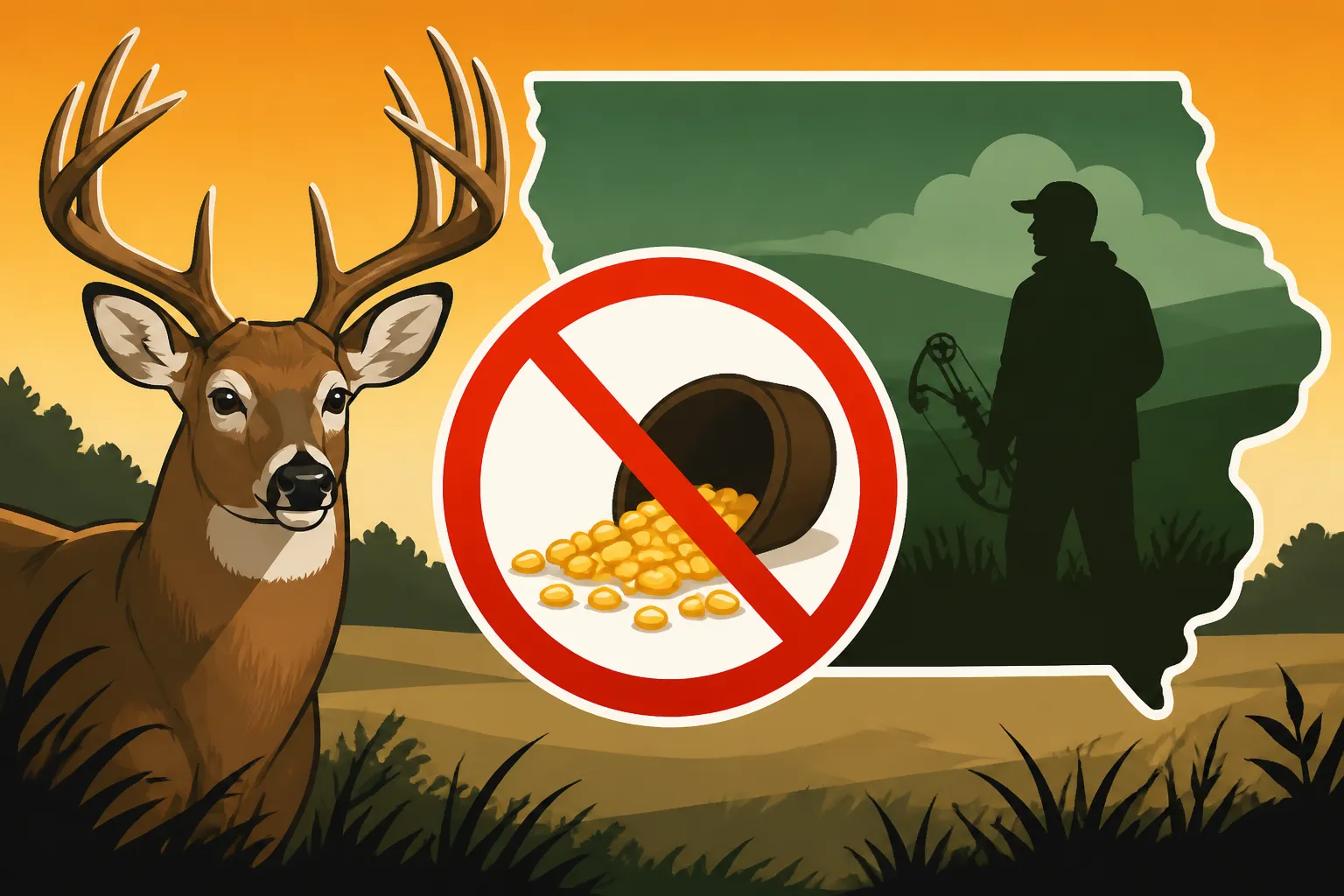
At its heart, Iowa's deer baiting ban is pretty straightforward: it is illegal to hunt deer over bait. This isn't just about dumping a pile of corn in front of your stand; it extends to any natural or manufactured food product, mineral, or other substance used to attract deer that is consumed. The Iowa Department of Natural Resources (DNR) implements this rule for several crucial reasons. Firstly, it promotes fair chase. The idea is that hunters should rely on their scouting skills, knowledge of deer behavior, and woodsmanship, rather than simply luring an animal to a specific spot with an irresistible food source. It keeps the hunt challenging and rewards diligent effort.
Beyond ethics, there's a significant biological reason: disease prevention. The concentration of deer around a bait site increases the likelihood of disease transmission, particularly Chronic Wasting Disease (CWD). When deer gather closely to feed from a pile of corn or a mineral block, they swap saliva, urine, and feces, creating a perfect environment for CWD prions or other pathogens to spread. Given the increasing concern about CWD in Iowa, preventing these unnatural concentrations of deer is a top priority for herd health management. Understanding this underlying intent can help hunters appreciate why the rule is so rigorously applied, even if it feels restrictive at times.
Historical Context and Recent Clarifications
The concept of a baiting ban isn't new in Iowa, but its enforcement and public understanding have evolved. Over the years, as hunting pressure increased and CWD became a more prominent threat across the Midwest, the Iowa DNR has become even more vigilant. They’ve worked to clarify what constitutes bait and to educate hunters through various channels, from their annual regulation booklets to online resources.
It’s easy to feel frustrated when you hear about hunters in other states legally using bait, or when you remember a time when perhaps the rules felt a little looser here in Iowa. But the reality is that the landscape of deer management changes, and Iowa has adapted to ensure its world-class deer herd remains robust. The DNR continually monitors research on CWD transmission and deer behavior, and their regulations reflect the best science available to protect the resource for future generations. For instance, any modifications to rules, even minor ones, are often publicly discussed, giving hunters a chance to understand the rationale. The rules are designed to be consistent statewide, minimizing confusion across different counties or hunting zones, which is incredibly helpful when you're planning a hunt that might cover a wide area.
What Exactly Constitutes "Bait" in Iowa?
This is where many hunters get tripped up, and it's essential to understand the precise definition to avoid an accidental violation. The Iowa DNR takes a broad view of what constitutes bait, focusing on the intent to attract and the consumption of the material by deer.
The Definition of Bait: Food, Minerals, and Attractants
In Iowa, "bait" is defined as any substance, which can be eaten, that is placed to attract deer. This includes, but isn't limited to, grain, fruits, vegetables, nuts, hay, salt, mineral blocks, or any manufactured feed. It also covers commercially available attractants that deer are intended to consume. The key here is the "consumed" part – if deer can eat it, and you put it out to attract them, it's considered bait.
Consider a few scenarios:
- A pile of corn: Obvious bait.
- An apple left under a treestand: Also bait, even if it's just one apple.
- A mineral block specifically designed for deer: Bait, because deer will lick and consume it.
- Hay or alfalfa bales placed strategically: Bait, as deer will eat them.
It's not just about what you deliberately put out. Sometimes, what we call "accidental baiting" can happen. For example, if you have a bird feeder in your yard, and deer are regularly coming to feed on the spilled seed, you could be creating an illegal baiting site if you then choose to hunt nearby. The same goes for piles of leftover crops near a field edge after harvest; if deer are actively feeding there, and you set up a stand with the intent to hunt them over that specific food source, it can be problematic. The rule emphasizes the intent to attract and the presence of consumable material.
For hunters who rely on tools like GoHunt to scout and plan their trips, paying close attention to aerial imagery for signs of dumped bait or unusual concentrations of deer activity not tied to natural food sources is crucial. It’s important to remember that even if you didn't place the bait yourself, hunting over someone else's bait can still lead to a violation.
Differentiating Legal and Illegal Methods
Now that we know what's illegal, let's talk about what's permitted. The good news is that hunters still have plenty of legitimate ways to attract and hunt deer in Iowa.
Legal Methods:
- Standing Crops: Hunting adjacent to standing crops like corn or soybeans is perfectly legal. These are natural food sources that deer utilize, and they are not considered bait because they are planted and grown as part of agricultural practice, not specifically dumped to attract deer for hunting.
- Food Plots: Establishing and hunting over food plots (e.g., clover, brassicas, winter wheat) is also legal. These are considered habitat improvements, where seeds are planted and grown. This differs significantly from simply dumping a processed food source on the ground. Many landowners utilize food plots to enhance habitat and provide year-round nutrition for deer.
- Naturally Occurring Forage: Hunting over areas with acorns, native browse, or other natural food sources is, of course, entirely legal and a fundamental aspect of deer hunting.
- Non-Consumable Scents and Lures: Scent attractants, such as deer urine (estrous or curiosity scents), gels, or synthetic cover scents, are generally legal as long as they are not designed for deer to consume. These are meant to appeal to a deer's sense of smell, not its appetite. More on this in the next section.
- Water Sources: Setting up near a water source, like a pond or creek, is also permissible. Deer need water daily, and these are natural gathering spots, especially during dry periods.
The 10-Day Rule:
Iowa law also includes a crucial "10-day rule." If you find bait on your property or a property you hunt, it must be completely removed, and you must wait at least 10 days before hunting that specific area. This ensures deer have dispersed and are no longer conditioned to feed at that spot. For example, if you find a dumped pile of corn, you need to clear it out and wait. This rule is particularly important for hunters on new properties or public land where others might have left something behind.
Here’s a simple table to help clarify:
| Method | Description | Legality in Iowa | Notes |
|---|---|---|---|
| Dumped Grain/Feed | Piles of corn, oats, pellets, etc. | Illegal | Any quantity placed for attraction. |
| Mineral Blocks/Salt | Blocks or loose minerals intended for consumption | Illegal | Even if marketed as "deer attractants." |
| Fruits/Vegetables | Apples, carrots, sugar beets, etc., placed on the ground | Illegal | Fresh or processed. |
| Standing Crops | Unharvested corn, soybeans, alfalfa, hay | Legal | Natural agricultural growth. |
| Planted Food Plots | Crops specifically planted for wildlife (clover, brassicas) | Legal | Requires cultivation and planting. |
| Natural Forage | Acorns, native browse, natural berries, wild grasses | Legal | Any food naturally occurring in the environment. |
| Liquid Scents/Urine | Deer urine, estrous scents, synthetic curiosity scents | Legal | Must not be consumable by deer; typically applied to wicks or mock scrapes. |
| Water Sources | Ponds, creeks, rivers, man-made water tanks | Legal | Natural or provided water. |
It's paramount to understand that these distinctions are critical. If you have any doubt about a particular method or item, always err on the side of caution or consult the Iowa DNR regulations directly. Many hunters leverage resources like the Iowa DNR Hunter Atlas or even private land mapping on apps like onX to ensure they're always aware of their precise location relative to any questionable areas.
Consequences and Enforcement of the Baiting Ban
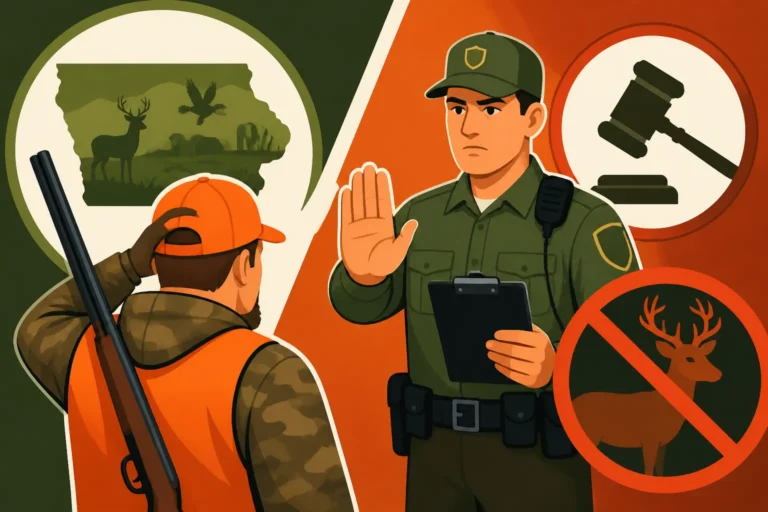
The Iowa DNR takes the baiting ban very seriously, and violations can carry substantial penalties. It's not just a slap on the wrist; these can be significant fines and impacts on your hunting privileges.
Penalties for Violating the Baiting Ban
If you are caught hunting over bait in Iowa, the consequences can be severe. A typical first offense can result in significant fines, potentially hundreds of dollars, plus court costs. Beyond the financial hit, you're likely looking at a mandatory suspension of your hunting privileges. This suspension can range from one to three years, sometimes even longer, depending on the specifics of the violation and any prior offenses. Imagine investing time and money into an Iowa deer hunt, only to have your license revoked and your season ended prematurely because of a baiting infraction.
For nonresident hunters, the implications can be even more disheartening. Not only would you lose your current hunting opportunity and face fines, but a suspension could also impact your ability to apply for future nonresident deer licenses in Iowa. Given the competitive nature of the Iowa Nonresident Deer Draw Explained, losing preference points and the chance to hunt for several years can be a crushing blow. In some egregious cases, equipment used in the violation, such as firearms or bows, could even be confiscated. It's a risk simply not worth taking.
How the DNR Enforces the Rule
Iowa's conservation officers are highly trained and dedicated professionals. They patrol public and private lands, often responding to tips from concerned citizens and other hunters. Enforcement isn't just random checks; it's a strategic effort.
- Patrols and Surveillance: Officers regularly patrol popular hunting areas, especially during peak deer seasons like the Iowa Archery Deer Season Segments or Iowa First and Second Shotgun Seasons. They look for suspicious activity, such as unusual vehicle traffic in remote areas or signs of unnatural food piles.
- Public Reporting: A significant portion of wildlife law enforcement comes from the public. Other hunters, landowners, or concerned citizens who observe suspected baiting activities often report them to the DNR. Iowa has a robust reporting system, and these tips are taken seriously.
- Trail Camera Evidence: While specific Trail Camera Rules on Iowa Public Land exist, evidence gathered from trail cameras, whether by private citizens or the DNR, can be used in baiting investigations. A series of photos showing deer consistently visiting a non-natural food source could be incriminating.
- Proximity Rules: This is a key point of confusion. There isn't a universally defined "safe distance" from bait that makes it legal to hunt. The law focuses on the intent to attract and whether deer are actively feeding on or being concentrated by the bait. If you set up your stand 50 yards from a bait pile, but deer are still being drawn to and feeding on that pile, you're likely in violation. The goal is to hunt areas where deer are moving and feeding naturally, not congregating due to an artificial attractant. Always ensure the area you intend to hunt is completely free of bait and has been for at least 10 days.
Navigating the Nuances: Scents, Lures, and Food Plots
While the baiting ban is strict, it doesn't mean you can't use tactics to improve your chances. Understanding the legal differences between bait, non-consumable attractants, and habitat improvements is key to a successful and compliant hunt.
Approved Scents and Non-Edible Attractants
This is where the distinction of "consumable" comes into sharp focus. Iowa law generally allows the use of non-consumable scents and lures, which are designed to appeal to a deer's sense of smell rather than its appetite.
- Urine-Based Scents: Products like deer urine, including doe estrous or buck curiosity scents, are typically fine. These are used to mimic the presence of other deer, create mock scrapes, or cover human odor. The critical factor is that deer are not meant to eat them. You'd typically apply these to wicks, cotton balls, or directly to branches or mock scrapes.
- Synthetic Scents: There's a wide array of synthetic attractant and cover scents on the market. These are also generally legal, provided they are not food-based or designed to be consumed. They work by creating an olfactory illusion, drawing a deer in to investigate or masking your own scent.
- Placement is Key: When using these types of attractants, think about how you're deploying them. Hanging a scent wick from a branch is common practice. Pouring a bottle of liquid deer attractant directly onto the ground where deer might lap it up could enter a gray area, depending on the product's composition and how it’s marketed. If it’s designed to be consumed, it’s bait. If it’s designed purely for olfactory attraction, it’s usually okay.
It's important to exercise common sense and read product labels carefully. If a product claims to be an "attractant" but also suggests deer will lick or eat it, it's best to avoid it in Iowa. Focus on products that explicitly state they are for scent dispersal only and are not intended for ingestion.
Food Plots vs. Dumped Bait
One area that causes consistent confusion is the difference between a food plot and bait. They both provide food for deer, right? Yes, but the method of providing that food is what matters under Iowa law.
- Food Plots: These are legal, legitimate, and often highly beneficial habitat management tools. A food plot involves preparing the soil, planting seeds (like clover, brassicas, corn, or soybeans), and allowing them to grow naturally. These plots provide nutrition for deer throughout the year, improving herd health and offering excellent hunting opportunities. Many public and private land managers invest heavily in food plots to enhance the local ecosystem. When scouting, identifying good food plots is a prime tactic for Late-Season Food Source Hunting in Iowa.
- Dumped Bait: This refers to placing harvested or processed food materials on the ground, such as a pile of corn, sugar beets, or commercial deer feed. The key distinction is that these items are placed for immediate consumption, not grown as part of a natural agricultural cycle. Even if you're taking corn from your own field and dumping it into a pile, it crosses the line into illegal baiting.
The DNR's reasoning is clear: food plots mimic natural forage and encourage deer to move and feed across a landscape, which is healthier for the herd and maintains fair chase. Dumped bait, on the other hand, unnaturally concentrates deer in one spot, increasing disease risk and simplifying the hunt.
When you're E-Scouting Iowa Farm Country From Home, you might identify standing corn or picked bean fields as excellent potential hunting spots. These are legal, natural food sources. The challenge, and the fun, comes from figuring out the deer patterns within and around these natural resources. Consulting the Iowa Regulation Booklet Release Date each year is a smart move, as rules can sometimes be updated. Also, platforms like GoHunt can be invaluable for pinpointing specific properties, understanding their layout, and identifying potential natural food sources or well-maintained food plots that offer legal hunting opportunities. Always remember that good scouting, whether digital or boots-on-the-ground, is your best defense against inadvertently violating any regulations.
Practical Tips for Staying Compliant
Navigating the complexities of Iowa’s baiting ban doesn’t have to be overwhelming. A few practical steps can help ensure you stay on the right side of the law and enjoy a worry-free hunt.
Due Diligence on Public and Private Lands
Whether you're hunting on private land or exploring Public Land Deer Hunting in Iowa, due diligence is critical.
- Private Land: If you have permission to hunt private property, always confirm with the landowner that no bait has been placed. Even if you didn't place it, hunting over existing bait can still lead to a violation. If you discover bait, politely inform the landowner, ensure it's removed, and observe the 10-day waiting period before hunting that specific area. Understanding Iowa Landowner Permission Basics is fundamental, and it includes knowing the rules for the property.
- Public Land: Iowa has many fantastic public hunting areas, but they can experience heavy pressure. Assume nothing is safe from baiting unless you've thoroughly scouted it yourself. It's not uncommon for less scrupulous hunters to place bait on public ground. Always scout your chosen spot carefully for any signs of unnatural feeding. Familiarize yourself with Iowa Public Land Baiting Rules to ensure compliance. If you find bait, report it to the DNR. This protects the resource and ensures a fair playing field for everyone. Using apps like GoHunt can help you identify public land boundaries and specific regulations for each tract.
- The "Area of Influence": Be mindful of how far deer might be attracted to a bait site. Even if you're a couple hundred yards away, if deer are consistently being drawn past your stand to a bait pile, you could still be implicated. The safest approach is to ensure the entire area you intend to hunt is completely free of bait.
Reporting Violations and Being a Responsible Hunter
Being a responsible hunter goes beyond just following the rules yourself; it also means contributing to the overall health and integrity of the sport.
- Know the Regulations: The single best thing you can do is thoroughly read and understand the official Iowa hunting regulations each year. The DNR publishes an annual booklet that covers all the specifics, including detailed explanations of the baiting ban. Don't rely solely on word-of-mouth or assumptions from past seasons or other states.
- Report Suspected Violations: If you witness someone violating the baiting ban or any other hunting law, report it to the Iowa DNR. They have a Turn In Poachers (TIP) hotline (1-800-532-2020) and online reporting options. Providing accurate details, such as location, time, and a description of the activity, helps conservation officers investigate effectively. This isn't "tattling"; it's protecting our shared wildlife resources and ensuring ethical hunting practices. Iowa's reputation for quality deer hunting depends on this vigilance.
- Educate Others (Respectfully): If you encounter another hunter who seems unaware of the baiting ban, a polite, educational conversation can sometimes be more effective than confrontation. Share what you know about the rules and why they exist. Most hunters want to do the right thing and may simply be misinformed.
- Maintain Ethical Standards: Always prioritize fair chase and ethical hunting. This means continually honing your scouting skills, understanding deer movement patterns, and making clean, ethical shots. Consider tactics like Scouting Iowa Timber and River Bottoms or learning to read Wind and Thermals in River Breaks as natural ways to gain an advantage. These skills are what truly make you a more successful and respected hunter in the long run, far beyond what any bait could offer.
Remember, Iowa's deer herd is a treasure. By understanding and adhering to the baiting ban, you're not just avoiding penalties; you're actively contributing to the health, sustainability, and ethical enjoyment of one of the nation's best whitetail hunting opportunities.
Disclaimer
Please remember that hunting regulations can change. While this guide provides comprehensive information based on current understanding, it is always your responsibility to consult the official Iowa Department of Natural Resources (DNR) hunting regulations for the most up-to-date and accurate rules before engaging in any hunting activities. This content is for informational purposes only and does not constitute legal advice.