How Many People Apply for Iowa Deer Tags
Trying to secure an Iowa nonresident deer tag can feel like you’re trying to win the lottery, especially when you hear whispers about how many hunters are vying for those precious few spots. It's a genuine frustration, a blend of hope and dread as the application window closes. This guide is here to pull back the curtain on exactly how many people apply for Iowa deer tags, dissecting the numbers, draw odds, and the fierce competition that makes those Iowa whitetails feel almost mythical. We’ll explore the various factors at play and offer insights into navigating this challenging process.
Understanding the Iowa Deer Tag Application Landscape
Let's face it, Iowa is legendary in the deer hunting world. The state consistently produces monstrous whitetails, making it a dream destination for many hunters outside its borders. But with great opportunity comes immense competition, and the non-resident tag draw is a prime example of supply and demand at its most extreme. For years, hunters have poured into the application system, lured by the promise of big antlers and unforgettable experiences.
Why Iowa is So Popular for Deer Hunting
The allure of Iowa is multi-faceted, but it primarily boils down to one thing: big deer. The combination of rich agricultural lands, diverse habitat, and a strong deer management philosophy means Iowa whitetails often grow to impressive sizes, both in body and antler. We're talking about a genuine chance at a buck that could make the record books. The nutrient-rich soils produce exceptional forage, which directly translates to healthier deer and larger racks. This isn't just hype; the statistics and countless trophy photos speak for themselves. This reputation, earned over decades, fuels the incredible interest from hunters across the country, turning the application process into a high-stakes gamble.
The Non-Resident Quota System
Iowa operates on a strict non-resident quota system for deer tags, a necessary measure to manage the herd and ensure quality hunting opportunities for residents while still allowing a controlled number of out-of-state hunters. This quota is a fixed number, often around 6,000 "Any-Deer" tags, which are then further broken down by zones and weapon types. This limited supply, coupled with overwhelming demand, is the fundamental reason why drawing an Iowa non-resident tag is so challenging. You can learn more about how Iowa's quota system works in our detailed guide on the Iowa Nonresident Deer Quota Numbers. Hunters are typically allocated tags based on a preference point system, but even with points, success is never guaranteed due to the sheer volume of applicants. It's not just about applying; it's about playing the long game and understanding the statistics behind each draw.
Diving into the Annual Application Numbers
The raw numbers of applicants for Iowa deer tags can be quite staggering, and they fluctuate from year to year based on various factors like previous draw success, economic conditions, and even weather patterns. Understanding these trends is crucial for any hunter hoping to eventually draw a coveted tag.
Overall Non-Resident Applicant Trends
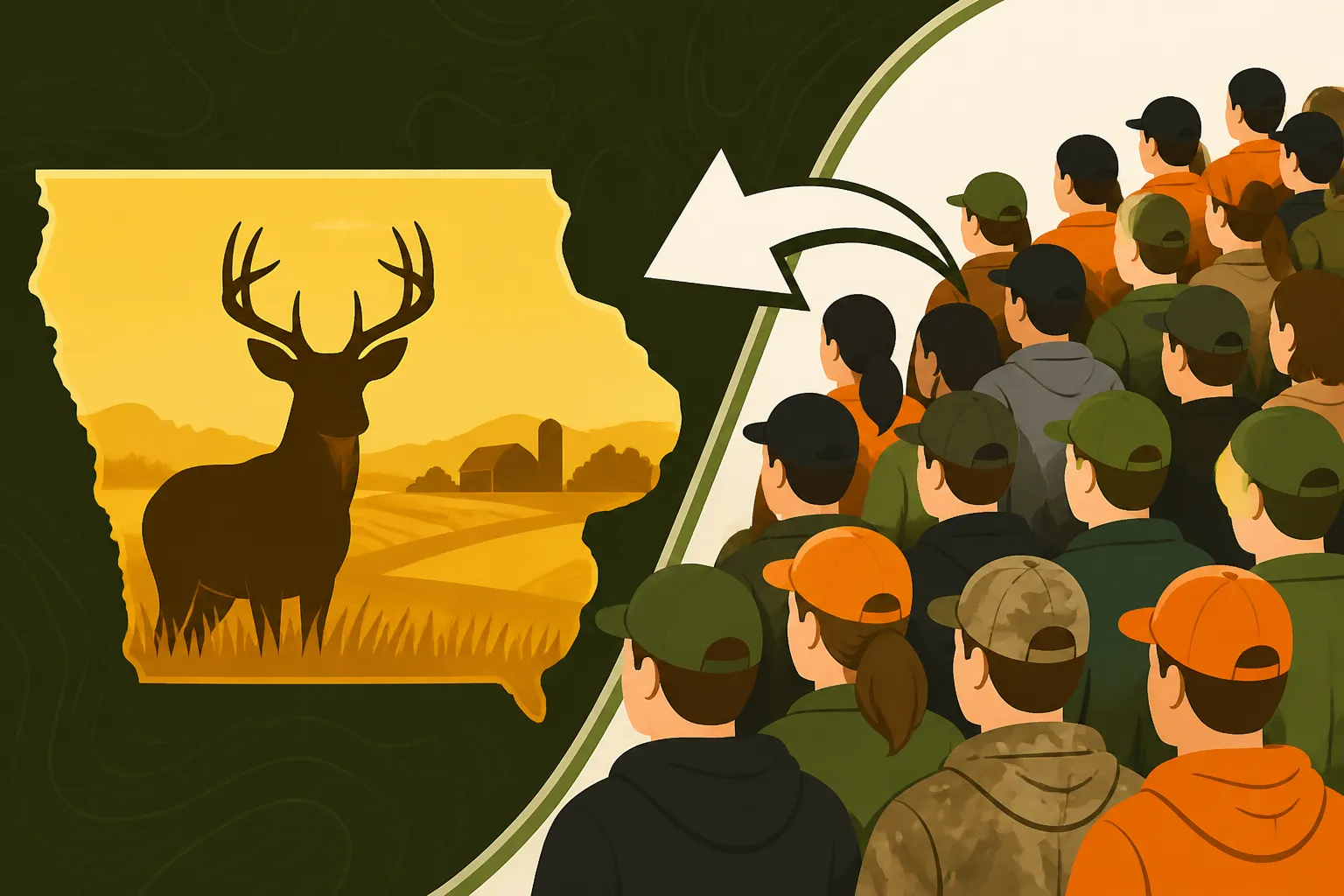
Over the last several years, the number of non-resident applicants for Iowa deer tags has generally hovered around the 70,000 to 90,000 mark. This includes both those applying directly for a tag and those simply purchasing a preference point to build their chances for future years. For instance, in recent seasons, the total number of non-resident applications for all deer tag types and zones has often exceeded 80,000. It's a massive pool of hopeful hunters, all vying for that limited pool of around 6,000 "Any-Deer" tags. This translates to incredibly long odds, especially for those applying without accumulated preference points. The enthusiasm for hunting in Iowa shows no signs of waning, ensuring that this applicant pool remains robust year after year. This trend of high application volume highlights why securing a tag is such an achievement.
Application Numbers by Zone and Weapon Type
The overall applicant numbers tell one story, but to truly understand your chances, you need to dig deeper into the specific zones and weapon types. The Iowa DNR breaks down its quotas and application statistics in granular detail, and this data reveals significant disparities. For example, some southern Iowa zones, known for their trophy potential, might see application numbers for archery or first shotgun season tags far outstrip others. In contrast, less popular zones or late-season muzzleloader tags might have slightly better odds, simply because fewer hunters apply for them.
Let's look at a hypothetical scenario based on real trends:
- Zone 5 (Southern Iowa): Often sees the highest application pressure, especially for archery and first shotgun season. You might have 5,000+ applicants for perhaps 200-300 available tags in a given weapon type.
- Zone 4 (Northeast Iowa): Also very popular, particularly for archery, due to its rugged timber and reputation for quality deer. Application numbers here can be nearly as high as Zone 5.
- Northern and Western Zones: Generally see lower application numbers, though still competitive.
- Muzzleloader Seasons: The early and especially the late muzzleloader seasons typically attract fewer applicants than the shotgun or archery seasons. This means your odds, while still tough, can be marginally better.
This level of detail is vital when you're deciding on your application strategy. Tools like GoHunt's draw odds data can really help visualize where the pressure is most intense and where you might find a slightly less crowded path to a tag. Being strategic about which zone and weapon you apply for, based on these numbers, can be a game-changer over the long run, even if it means waiting an extra year or two to build points for a less popular choice. Understanding these nuances is a key component of a successful application strategy, as detailed in our guide on How the Iowa Any-Deer Quota Is Filled.
The Preference Point System and Its Impact
Iowa's preference point system is a critical component of its non-resident deer draw, designed to reward loyalty and persistence. It means that while you might not draw a tag every year, each unsuccessful application brings you one step closer to your goal. However, this system also creates its own unique dynamics within the applicant pool.
How Many Applicants Are Building Points
A significant portion of the annual non-resident applicant pool isn't actively trying to draw a tag that year; they're simply buying a preference point. This strategy is incredibly common because, for the most sought-after tags (like archery or shotgun in premier zones), you effectively need points to even have a realistic chance. The number of non-residents purchasing only a point each year can range from 30,000 to over 50,000, dwarfing the number of actual tag applicants.
This creates what's often referred to as "point creep," where the minimum number of points required to draw a tag slowly increases over time. If more people are accumulating points than there are tags available for those point levels, the bar keeps moving up. It means that even if you're diligently buying a point every year, the number of points needed to draw might be rising faster than your personal accumulation. This can be incredibly frustrating for hunters who have been in the system for years, as it feels like the finish line keeps moving. The best way to understand this is to look at the draw odds by point level, which clearly shows that applicants with zero or one point have virtually no chance in the most popular units and seasons. You can dive deeper into this topic by reading our article on Iowa Preference Points and How They Work.
Direct Applicants Versus Point Builders
The non-resident applicant pool can essentially be split into two main groups: those who apply directly for a tag with their accumulated points (or zero points, hoping for a miracle), and those who simply purchase a preference point without applying for a tag.
- Direct Applicants: These are the hunters who have decided this is their year. They might have 2, 3, 4, or even more preference points, and they’re putting them on the line for a tag. These hunters primarily occupy the higher point pools, where the majority of tags are distributed. They have done their research, often looking at draw odds from previous years to gauge their chances.
- Point Builders: This group represents the vast majority of new applicants and many long-term hopefuls. They are playing the long game, understanding that instant gratification is rare in Iowa. They pay the non-refundable application fee for a point, knowing they won't hunt this season, but are investing in their future chances. This constant influx of point builders ensures the competition remains fierce and contributes significantly to the overall high application numbers we see each year.
This dynamic illustrates why the draw is so competitive. Many more people want an Iowa tag than can possibly get one in any given year, and the point system both rewards patience and exacerbates the sense of anticipation.
Draw Odds: What the Numbers Really Mean for You
Understanding the raw application numbers is one thing, but translating those figures into realistic draw odds is where the rubber meets the road. It helps set expectations and informs your application strategy. It’s about figuring out your real shot at getting a tag.
Interpreting Iowa's Draw Statistics
The Iowa DNR (Department of Natural Resources) provides detailed draw statistics after each application period. These reports typically show the number of applicants at each preference point level, the number of tags issued, and the resulting draw odds (percentage chance of drawing) for each zone and weapon type. It can be a lot of data to sift through, but it’s invaluable.
For example, you might see a table like this:
| Zone/Weapon | Preference Points | Applicants | Tags Issued | Draw Odds (%) |
|---|---|---|---|---|
| Zone 5 Archery | 0 | 1,500 | 0 | 0.0% |
| Zone 5 Archery | 1 | 2,000 | 0 | 0.0% |
| Zone 5 Archery | 2 | 1,800 | 50 | 2.8% |
| Zone 5 Archery | 3 | 1,000 | 200 | 20.0% |
| Zone 5 Archery | 4 | 500 | 250 | 50.0% |
| Zone 5 Archery | 5+ | 100 | 100 | 100.0% |
| Zone 4 Shotgun 1 | 0 | 1,200 | 0 | 0.0% |
| Zone 4 Shotgun 1 | 1 | 1,500 | 0 | 0.0% |
| Zone 4 Shotgun 1 | 2 | 1,300 | 80 | 6.2% |
| Zone 4 Shotgun 1 | 3 | 800 | 300 | 37.5% |
This table clearly illustrates the preference point system at work. If you're a first-time applicant or only have one point for a highly sought-after tag like Zone 5 Archery, your odds are effectively zero. The majority of tags are allocated to hunters with higher point totals. It's a tough pill to swallow, but it's the reality of Iowa's draw. These numbers are a stark reminder that patience is not just a virtue, but a necessity, for many non-resident hunters. For more on this, check out our piece on How Many Points to Draw Iowa.
Factors Influencing Your Personal Odds
Beyond the general statistics, several factors can influence your individual draw odds for an Iowa deer tag:
- Preference Points: This is, without a doubt, the single biggest factor. The more points you have, the better your chances. As seen in the table above, reaching certain point thresholds can dramatically increase your odds from negligible to nearly guaranteed, especially in less competitive weapon seasons or zones.
- Zone Choice: As discussed, some zones are significantly more popular than others. Applying for a tag in a less pressured zone, even with fewer points, can offer better odds than trying for a premier zone.
- Weapon Choice: Archery and first shotgun seasons are typically the most popular. Early and Late Muzzleloader seasons, and sometimes the second shotgun season, tend to have slightly more favorable odds due to fewer applicants. If you’re willing to adapt your weapon choice, you might draw sooner.
- Year-to-Year Fluctuations: While trends exist, application numbers and quotas can shift slightly each year. A sudden influx of applicants or a minor change in the quota can impact draw odds. It's why many hunters rely on tools like GoHunt's Insider platform to track these changes and make informed decisions, often crunching numbers to see where the best opportunities lie based on current trends. Keeping an eye on these yearly shifts is important, as is understanding the Iowa Deer Licence and Tag Costs involved.
Considering all these variables is crucial. It's not just about applying; it's about strategizing your application to give yourself the best possible chance within the realities of a highly competitive draw.
Navigating the Application Process and Maximizing Your Chances
Once you understand the numbers, the next step is to navigate the application process itself and develop a strategy that maximizes your odds. It's not just about filling out a form; it's about making informed choices.
The Go Outdoors Iowa Portal
The entire application process for Iowa deer tags, including purchasing preference points, is handled through the Iowa DNR's "Go Outdoors Iowa" online portal. This is your one-stop shop for everything from purchasing your base hunting license and habitat fee (which are mandatory for all hunters, residents and non-residents alike) to submitting your deer tag application.
The application window typically opens in early May and closes in early June, usually around the first week of June. It’s absolutely critical to mark these dates on your calendar because there are no extensions. Missing the deadline means missing out on a tag or a point for the entire year. The portal is generally user-friendly, but like any online government system, it can have its quirks. It’s always a good idea to apply well before the deadline to avoid any last-minute technical issues. Make sure all your personal information is correct, and double-check your zone and weapon choices before submitting. Many hunters even opt to apply for just a preference point in their first few years, to ensure they're building towards a successful draw in a premier zone. Our guide on Iowa's May to June Application Window provides more in-depth information on this crucial period.
Strategic Application Choices
With so many people applying and such limited tags, being strategic is paramount. Here are some ways to approach your application:
- Patience and Point Building: For most non-resident hunters, especially those eyeing high-demand zones or weapon types, the most realistic strategy is to commit to buying a preference point each year. This is a long-term play, but it’s often the only way to eventually draw a quality tag. Don’t expect to draw on zero or one point in popular areas; it almost never happens.
- Targeting Less Popular Options: If you want to hunt Iowa sooner rather than later, consider applying for tags in less competitive zones or during less popular seasons, such as the late muzzleloader season or second shotgun season. While these might not be the "prime" hunting experiences, they still offer fantastic opportunities to hunt Iowa whitetails and experience the state's incredible deer herd.
- Using Data Tools: This is where services like GoHunt become incredibly valuable. Their detailed draw odds data, based on historical application and draw statistics, can help you analyze which zones and weapon types offer the best chances at your current preference point level. They often provide insights into point creep and future projections, helping you make an informed decision. For example, the tool might show that with 3 points, you have a 10% chance in Zone 5 Archery but a 70% chance in Zone 1 Late Muzzleloader. This kind of information is gold for strategic planning.
- Party Applications: If you plan to hunt with friends or family, consider a party application. In Iowa, if one member of the party has enough points to draw, the entire party (up to four applicants) will draw. This can be a huge advantage if you have a friend with a significant number of points. However, if the lowest point holder in the party doesn’t have enough points, nobody draws.
- Understanding the Cost: Don't forget the financial commitment. Beyond the tag cost, there's the base license and habitat fee. Make sure you're aware of the Iowa Nonresident Deer Licence Cost before you apply.
By combining patience, strategic decision-making, and leveraging available data, you can significantly improve your chances of eventually drawing an Iowa deer tag. Remember, it’s a marathon, not a sprint, for most non-resident hunters.
Historical Data and Future Projections
Looking at past application trends and trying to anticipate future shifts can offer another layer of insight for those dedicated to hunting Iowa. It’s not an exact science, but understanding the trajectory can help refine your long-term strategy.
Long-Term Trends in Application Volume
Over the past decade or two, the general trend for non-resident Iowa deer tag applications has been an upward climb, or at least a high plateau. The consistent quality of Iowa's deer herd, combined with increased media exposure and the accessibility of information, has kept demand consistently high. While there might be minor dips due to economic recessions or other factors, the overall interest in hunting Iowa has remained robust.
This long-term trend of high application volume directly contributes to the phenomenon of point creep. Each year, more hunters are entering the system, either applying for tags or building points, which continually puts pressure on the limited quota. There hasn't been a significant sustained drop in applications that would dramatically improve zero or low-point draw odds in popular units. This means that strategies focused on point building and patience will likely remain essential for the foreseeable future. Understanding these trends is key to developing a solid, multi-year plan for eventually drawing an Iowa tag.
What to Expect in Coming Seasons
Predicting the future is tricky, but based on current trends, a few things seem likely for Iowa deer tag applications in the coming seasons:
- Continued High Demand: Iowa's reputation isn't going anywhere. Barring unforeseen circumstances, expect demand for non-resident tags to remain very high.
- Persistent Point Creep: It's reasonable to expect that the number of preference points required to draw a tag in the most popular zones and seasons will continue to slowly increase. Hunters looking to draw these tags will need to commit to accumulating points over several years.
- Stable Quotas: The Iowa DNR is generally quite judicious in setting its non-resident quotas, balancing hunter opportunity with herd management objectives. Significant increases in non-resident tags are unlikely unless there's a major shift in deer population dynamics or management philosophy. This means the supply side of the equation will likely remain constant, while demand potentially continues to rise.
- Importance of Data: As competition remains fierce, the value of detailed draw odds data and application analysis tools (like those offered by GoHunt) will only grow. Hunters who use these resources to make informed decisions about zones, seasons, and point strategies will have a clear advantage.
In essence, for the dedicated non-resident hunter, Iowa will continue to be a challenging but rewarding pursuit. The high number of applicants reflects the quality of the hunting experience, and success will likely continue to favor those who are patient, strategic, and willing to put in the time to build preference points. If you're serious about hunting those coveted Iowa whitetails, understanding these dynamics and planning accordingly is your best bet. Our comprehensive guide on the Iowa Nonresident Deer Draw Explained can help you chart your path.
Disclaimer
Please remember that hunting regulations, season dates, and application procedures can change. Always consult the official Iowa Department of Natural Resources (DNR) website and the most current hunting regulations booklet before planning your hunt or applying for tags. The information provided here is for general guidance and informational purposes only.