Iowa Youth Pheasant Weekend
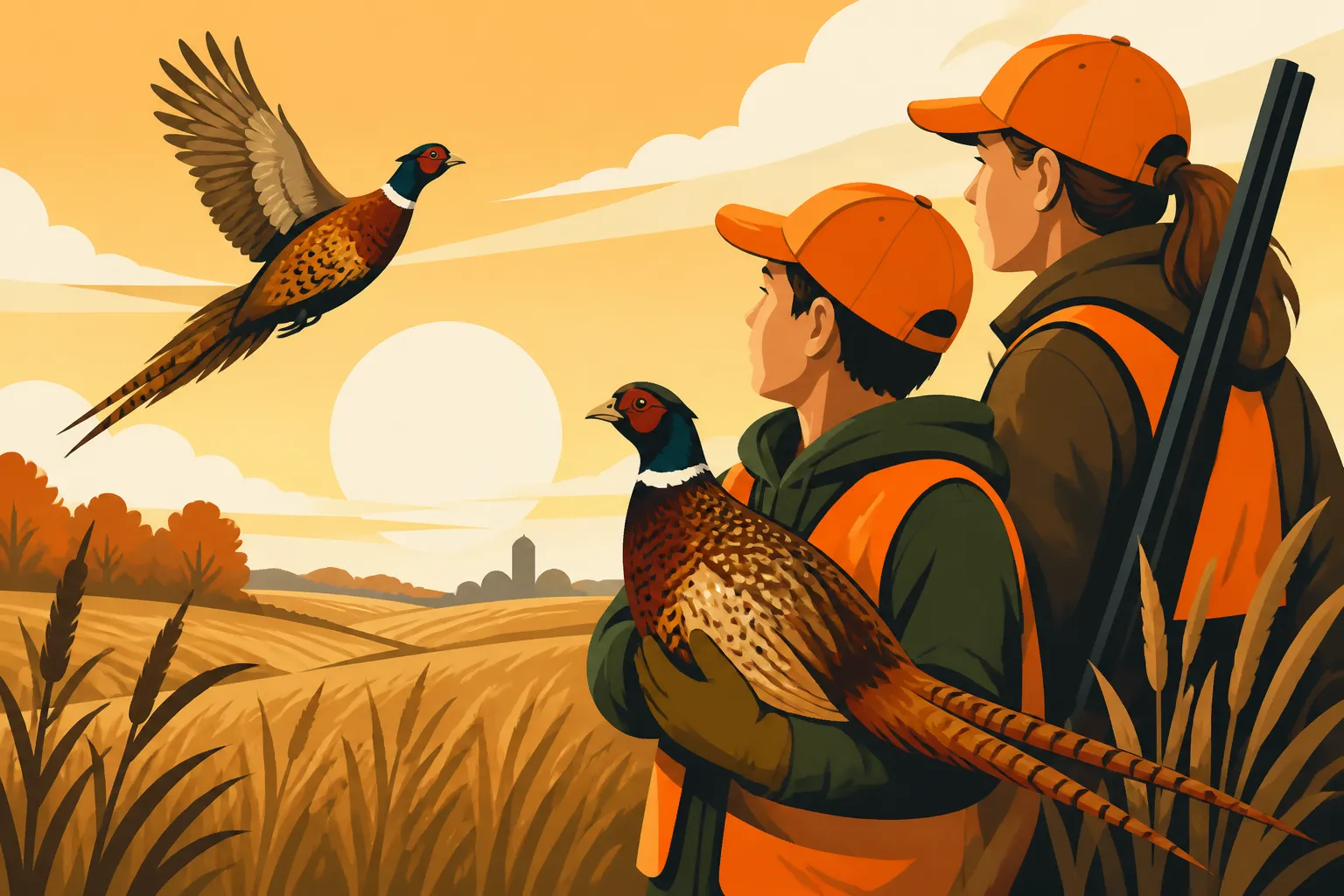
Bringing young people into the fold of hunting can feel like a monumental task, especially when you're trying to navigate all the seasons, licenses, and specific regulations. It's easy to get bogged down in the details, making what should be an exciting introduction feel more like a chore. That's why Iowa offers a special Youth Pheasant Weekend, designed to create a less pressured, more focused environment for new hunters. This guide will walk you through everything you need to know to make your child's first pheasant hunting experience a memorable and successful one.
Understanding the Iowa Youth Pheasant Weekend
The Iowa Youth Pheasant Weekend isn't just another hunting opportunity; it's a carefully crafted event designed to foster a love for the outdoors and hunting heritage in the next generation. It provides a unique window of opportunity, usually before the regular pheasant season kicks off, where youth can hunt pheasants under specific conditions. This dedicated time slot significantly reduces competition from adult hunters, making for a safer, more relaxed, and more productive learning experience.
The Heart Behind the Hunt: Nurturing New Hunters
At its core, the Youth Pheasant Weekend is about mentorship and education. The Iowa Department of Natural Resources (DNR) recognizes the importance of recruiting and retaining hunters, and offering a dedicated youth season is a fantastic way to do that. It removes many of the common pressures associated with regular season hunting – crowded public lands, competitive retrieves, and the sheer volume of hunters. Instead, it creates an atmosphere where the focus can genuinely be on teaching shooting fundamentals, bird identification, dog handling (if applicable), and ethical hunting practices. It’s about building confidence and making those first memories positive ones, setting the stage for a lifetime of responsible hunting.
Key Dates and Eligibility for Young Hunters
The Iowa Youth Pheasant Weekend typically falls in late October, usually the weekend before the general pheasant season opens. This timing is strategic, allowing youth to hunt before the landscape is heavily pressured by adult hunters. To participate, hunters must be 15 years of age or younger. They must also be accompanied by a licensed adult (at least 18 years old) who does not carry a firearm and possesses a valid hunting license and habitat fee. This adult acts solely as a supervisor and mentor, ensuring safety and providing guidance without actively participating in the hunt themselves. Always double-check the current year's Iowa DNR Hunting Regulations booklet or their website for the exact dates, as they can shift slightly from year to year.
Licensing and Hunter Education for Young Hunters
Even for a youth hunt, there are crucial licensing and education requirements. For any hunter under the age of 16, Iowa requires successful completion of a hunter education course unless they are hunting under an Iowa Apprentice Hunting Licence. The apprentice license allows an uncertified youth (or adult) to hunt under the direct supervision of a licensed adult for a limited time. However, for continuous hunting opportunities, completing the full hunter education course is highly recommended. Young hunters will also need an Iowa Nonresident Small Game Licence Cost or a resident hunting license, depending on their residency status, and the appropriate Iowa Habitat Fee. The accompanying adult must also possess their own valid hunting license and habitat fee. It’s a good idea to sort out all licenses and permits well in advance of the weekend to avoid any last-minute stress. You can often purchase these directly through the Go Outdoors Iowa online portal.
Preparing for a Successful Youth Pheasant Hunt
Preparation is key, not just for safety, but for making the experience enjoyable and encouraging for your young hunter. This isn't just about bagging birds; it's about building a foundation of knowledge and skills.
Essential Gear for Young Hunters and Mentors
Getting the right gear can make all the difference, especially when introducing a new hunter to the field.
- Shotgun: For youth, a 20-gauge shotgun is often the perfect balance of manageable recoil and effective knockdown power for pheasants. Smaller framed youth might even start with a .410, though shot selection becomes more critical. Ensure the shotgun fits them properly – length of pull is vital for comfortable shooting and accuracy.
- Ammunition: For pheasants, 6-shot or 5-shot shells are generally preferred. Make sure the youth understands the difference between high-brass and low-brass loads, and why a heavier load is usually better for pheasants.
- Blaze Orange: This is non-negotiable for safety. Iowa law requires hunters during upland bird seasons to wear at least one visible piece of outer garment that is solid blaze orange. This could be a hat, vest, or jacket. The more blaze orange, the better for visibility in tall cover.
- Boots: Durable, waterproof, and comfortable boots are paramount. Pheasant hunting means walking through dew-soaked grass, maybe even a shallow creek or two, and often uneven terrain. Blisters can quickly derail an otherwise fun day.
- Game Vest/Bag: A good game vest with a large, easily accessible pouch in the back is invaluable for carrying harvested birds and extra shells. Many vests also have pockets for water, snacks, and other essentials.
- Water and Snacks: Hunting is hard work. Keep your young hunter hydrated and fueled to maintain energy and focus.
- First-Aid Kit: Always a smart addition to any hunting trip.
You don't need the most expensive gear, but functional, comfortable, and safe equipment is paramount.
Safety First: Hunter Education Review and Field Etiquette
Safety is the absolute top priority. Before you even step foot in the field, review the core principles of Iowa Hunter Education Requirements and firearm safety with your young hunter.
- Treat every firearm as if it's loaded.
- Always point the muzzle in a safe direction.
- Be sure of your target and what is beyond it.
- Keep your finger off the trigger until you are ready to shoot.
Practice these rules repeatedly. In the field, reinforce them. Walk through scenarios: what to do when a bird flushes, how to safely cross a fence line, how to carry the shotgun when walking in a line or abreast. Emphasize safe zones of fire, especially when multiple people are walking together. Discuss field etiquette: respecting landowners, not littering, and ensuring ethical shots are taken to minimize suffering. A strong foundation in safety principles built during this youth weekend will serve them for all future hunting endeavors.
Mentorship Matters: The Role of the Accompanying Adult
As the accompanying adult, your role is absolutely critical. You are not there to shoot; you are there to teach, guide, and ensure safety.
- Be Patient: Young hunters will make mistakes. They’ll miss shots, get excited, maybe even get frustrated. Your patience and encouragement are vital. Focus on effort and learning, not just the harvest.
- Teach, Don't Just Tell: Explain why certain actions are taken. Why do we walk into the wind? Why is it important to retrieve a bird quickly? This helps them understand the context and develop their own hunting instincts.
- Lead by Example: Your behavior in the field will shape theirs. Demonstrate proper firearm handling, respect for wildlife, land ethics, and positive attitudes, regardless of how many birds you flush.
- Read the Hunter: Pay attention to their energy levels, their mood, and their engagement. If they're tired or losing interest, it's okay to take a break or call it a day. The goal is enjoyment and a positive experience, not exhaustion.
This dedicated one-on-one time is an incredible opportunity to bond and pass on a tradition.
Finding Pheasants: Habitat, Scouting, and Public Access
One of the biggest challenges in pheasant hunting, especially for new hunters, is simply finding the birds. Knowing where to look is half the battle.
Prime Habitat and Scouting Tips
Pheasants are masters of camouflage and can be incredibly elusive. They thrive in specific types of cover.
- Tall Grass and CRP: Conservation Reserve Program (CRP) fields are absolute magnets for pheasants. These fields offer dense nesting cover, protection from predators, and often hold birds late into the season. Focus on the edges where CRP meets crop fields or timber.
- Crop Edges and Field Corners: Pheasants will often be found along the edges of standing corn or picked bean fields, especially early in the season. Inside corners of crop fields, where two different crops meet or where a crop field meets a timber edge, can be particularly productive.
- Thickets and Brushy Draws: When weather turns cold or hunting pressure increases, pheasants will often retreat to thicker cover like multiflora rose bushes, plum thickets, or brushy creek bottoms.
- Food Sources: After crop fields are harvested, pheasants will still feed on waste grain. Knowing local agricultural practices, such as when
Harvest Timing Changes Deer Movement, can offer clues to where birds might be feeding.
Before the season, a bit of e-scouting can save a lot of walking. Tools like the Iowa DNR Hunter Atlas are fantastic for identifying potential habitat. Mapping apps, including GoHunt, allow you to overlay property lines with aerial imagery, helping you pinpoint promising cover types and potential access points. Look for thick grass, brushy areas, and creek beds adjacent to agricultural fields.
Public Access Opportunities for Youth Hunters
Iowa offers a surprising amount of public land that can hold pheasants, especially during the less pressured youth weekend.
- Wildlife Management Areas (WMAs): The state's Iowa Wildlife Management Areas are managed specifically for wildlife habitat and public recreation, including hunting. Many WMAs have large tracts of grassland and food plots that are ideal for pheasants. Check specific WMA regulations, as some may have unique rules or access points.
- Iowa's Habitat and Access Program (IHAP): This program leases private land for public hunting access. These IHAP tracts are clearly marked with yellow signs and often provide excellent hunting for pheasants. The beauty of IHAP is that it opens up land that would otherwise be inaccessible. Hunting Iowa Walk-In Ground Without Burning It Out is a good strategy here – focusing on areas less obvious to others. Remember to consult the Iowa Hunting Atlas, which highlights all public lands and IHAP areas, making it easy to plan your hunt.
- County Conservation Board Areas: Many county conservation boards also manage lands that are open to public hunting. Rules can vary by county, so always check with the specific county conservation board before heading out.
When hunting public land, be prepared for other users, though the youth weekend typically sees fewer hunters. Still, practicing Hunting Pressure Patterns on Iowa Public Land by walking less-traveled routes or hitting areas midday can sometimes pay off.
Working Cover Without a Dog: Practical Tips
While a good bird dog is an incredible asset for pheasant hunting, it’s certainly not a requirement, especially for a youth hunt where the focus is on the experience.
- Slow and Steady: Instead of rushing through cover, walk slowly and deliberately. Stop frequently, stand still for a minute or two, then continue. Pheasants will often hold tight, but a sudden stop by a hunter can make them nervous enough to flush.
- Line Up and Walk: If you have two or more hunters, try to walk in a straight line or abreast, maintaining safe distances and zones of fire. This effectively sweeps a strip of cover. In thicker patches, you might even consider Working Pheasant Cover Without a Dog by having one hunter "block" the end while others walk through.
- Focus on Edges: Pheasants often run or flush along cover edges. Work the transition areas between different types of cover.
- Re-walk Areas: Sometimes, pheasants will circle back or simply hold tight. Don't be afraid to re-walk a promising piece of cover from a different angle or after a short break.
- Listen: Listen for the cackling flush of a rooster, or the rustle of birds running through heavy grass. These auditory cues can guide your approach.
Rules and Regulations Specific to the Youth Weekend
Understanding the specific rules for the Youth Pheasant Weekend is vital to ensure a legal and ethical hunt. These regulations are designed to provide a safe and positive experience for young hunters.
Bag Limits and Shooting Hours for Pheasants
During the Iowa Youth Pheasant Weekend, the daily bag limit for pheasants is generally one rooster. This is often a reduced limit compared to the regular season, again, to emphasize the experience over the harvest. The possession limit is usually three times the daily bag limit. This means that once a young hunter has harvested their single rooster for the day, they are done hunting pheasants for that day, regardless of how many birds they might see. Legal shooting hours for pheasants in Iowa typically run from 8:00 a.m. to 4:30 p.m. It's imperative to adhere strictly to these times. Arriving early to scout or departing late from the field is fine, but no shooting should occur outside of legal hours. For the exact details on Iowa Pheasant Daily Bag Limit and shooting hours, always consult the current Iowa DNR regulations.
Party Hunting and Tagging Considerations
Iowa has specific Iowa Party Hunting Rules that apply to upland game, and they are important to understand for a youth hunt. While the adult accompanying the youth cannot carry a firearm or actively participate in the shooting, they can assist in other ways, such as flushing birds or retrieving a downed pheasant. However, the pheasant must be shot by the licensed youth hunter. Each youth hunter with a valid license is entitled to their own bag limit. If you have two licensed youth hunters, each can harvest one rooster for the day. Once a pheasant is harvested, it must be immediately tagged or possessed in such a way that it can be attributed to the specific youth hunter who harvested it. This typically means placing the bird directly into their game vest or bag.
Reporting the Harvest: Post-Hunt Requirements
Unlike deer and turkey, pheasants and other small game typically do not require individual harvest reporting to the Iowa DNR. However, it’s still a good practice for young hunters to understand the importance of harvest data collection for wildlife management. While you won't be logging each pheasant online, the DNR does conduct various surveys, such as the Iowa Pheasant Roadside Survey Results, to monitor pheasant populations. Participating in these surveys if contacted, or simply discussing how biologists use data to manage wildlife, can be an educational component of the hunt. This reinforces the idea that hunting isn't just about taking an animal, but being part of a larger conservation effort.
Youth Pheasant Weekend Checklist
To help you prepare, here’s a quick checklist to ensure you have everything covered for a safe and successful Iowa Youth Pheasant Weekend:
| Item Type | Item | Notes |
|---|---|---|
| Documentation | Youth Hunting License + Habitat Fee | Check residency requirements, purchase via Go Outdoors Iowa. |
| Adult Hunting License + Habitat Fee | Accompanying adult must have valid licenses, no firearm. | |
| Hunter Education Card (if applicable) | For youth, unless hunting under apprentice license. | |
| Safety Gear | Blaze Orange Vest/Hat | Required for all participants. The more, the better! |
| Eye Protection (Shooting Glasses) | Essential for protecting eyes from debris and errant shot. | |
| Hearing Protection (Ear Plugs/Muffs) | Protects hearing from shotgun blast. | |
| Hunting Gear | Properly Fitted 20-Gauge Shotgun (or .410) | Ensure comfortable length of pull, cleaned and functional. |
| Appropriate Ammunition (6-shot or 5-shot) | Sufficient quantity, correct gauge. | |
| Game Vest/Bag with Water Bottle Pockets | For carrying birds, shells, water, and snacks. | |
| Comfortable, Waterproof Boots | Crucial for walking long distances in varied terrain. | |
| Warm, Layered Clothing | Iowa weather can be unpredictable in late October. | |
| GPS Device or Mapping App (GoHunt, onX) | For navigation, identifying property lines, and marking locations. | |
| Miscellaneous | Small First-Aid Kit | For minor cuts, scrapes, or blisters. |
| Water and Snacks | Stay hydrated and energized throughout the hunt. | |
| Small Cooler with Ice | To keep harvested birds cool and fresh. | |
| Whistle (for communication/emergencies) | Especially useful in tall grass. | |
| Fully Charged Phone | For emergencies, but keep it on silent. |
Disclaimer
Please remember that hunting regulations can change. Always consult the most current Iowa DNR hunting regulations booklet or their official website before heading out to hunt. This guide is for informational purposes only and does not supersede state laws.