Iowa Deer Management Zone Hunts
Navigating Iowa's deer hunting landscape can feel like trying to untangle a complex knot, especially when it comes to understanding all the different tag options. Many hunters find themselves frustrated by limited opportunities in general seasons or simply want to contribute more directly to herd management. This comprehensive guide will demystify Iowa Deer Management Zone (DMZ) hunts, explaining their purpose, how to apply, and what makes them a unique and often rewarding experience for dedicated deer hunters.
Understanding Iowa's Deer Management Zones
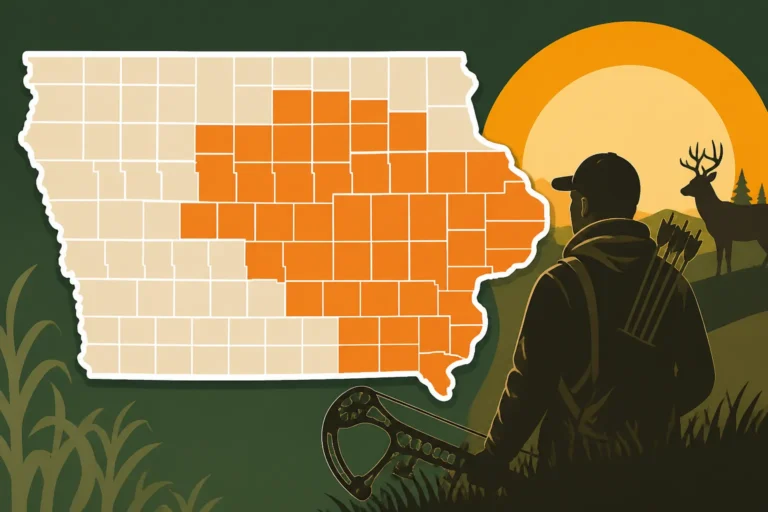
Iowa's deer herd is renowned, but with that reputation comes the critical need for effective management. While the state's regular deer seasons do a fantastic job of managing populations across much of the landscape, there are specific areas where traditional hunting methods or pressure just aren't enough to keep deer numbers in check. That's where Deer Management Zone (DMZ) hunts step in, offering targeted solutions to localized overpopulation issues.
What Exactly Are DMZ Hunts?
Deer Management Zone hunts are special, controlled hunts typically held in areas where deer populations exceed the land's carrying capacity or create significant conflicts with human activity. Think of places like urban greenbelts, state parks, certain county conservation areas, or even specific federal lands where deer might be causing extensive damage to sensitive ecosystems, agricultural crops, or posing a higher risk for vehicle collisions. The primary purpose of these hunts isn't just to provide additional hunting opportunities, although that's a welcome byproduct for many hunters. Instead, their core objective is focused herd reduction and population control in these specific zones. They are a direct, proactive measure to balance deer numbers with environmental health and public safety. Without these targeted hunts, some areas would face ecological degradation, increased disease risk, and greater nuisance issues from an unchecked deer population.
The Specifics: Who, What, Where
These hunts are highly specific, designed to address particular problems in particular places. Eligibility often leans heavily towards Iowa residents, though sometimes non-residents can participate if tags remain or in specific circumstances. The "what" usually involves taking antlerless deer, often with a "one deer, any sex" option for a very limited number of tags to draw in more hunters. The "where" is crucial: we're talking about specific, clearly defined geographical zones that are often smaller and more sensitive than typical hunting grounds. For instance, you might find a DMZ hunt specifically for Saylorville Wildlife Area Access around the reservoir near Des Moines, or a state park that’s typically closed to hunting during regular seasons. These areas are chosen because general hunting pressure either isn't allowed, isn't effective, or simply can't access enough of the deer population to make a significant difference.
Beyond Traditional Seasons
DMZ hunts really stand apart from your regular archery, shotgun, or muzzleloader seasons. They often have unique season dates, sometimes extending beyond the typical hunting calendar, like specific late-season hunts in January or early hunts that precede the main firearm seasons. This allows managers to target deer when regular season pressure isn't a factor or when deer patterns are more predictable in these restricted areas. Weapon restrictions can also differ; for example, some DMZ hunts might be archery-only even when shotgun season is generally open elsewhere, or they might allow certain firearms not permitted in other general seasons. Furthermore, the application process is distinct, often requiring a separate application and sometimes not impacting your Iowa preference points for the regular nonresident draw. The rules are tailored precisely to the conditions of each specific zone, which means a hunter needs to be extra diligent in understanding the nuances of the particular DMZ hunt they apply for.
Eligibility and Application Process for DMZ Tags
Applying for a DMZ hunt in Iowa is a structured process that requires attention to detail. It's not quite like picking up an over-the-counter antlerless tag; these are often limited-quota draws designed to fill a very specific management need. Understanding who can apply, how to navigate the system, and the odds of drawing are key to participating in these specialized opportunities.
Who Can Apply?
Generally, DMZ hunts are initially opened to Iowa residents. This is largely due to the localized nature of the management need and the state's prioritization of its resident hunters for these specialized tags. However, it's not uncommon for non-residents to have an opportunity to apply for leftover DMZ tags, especially in zones where the resident quota isn't filled. This usually happens later in the application period or after the initial resident draw. For specific urban or highly controlled hunts, there might be additional requirements, such as a mandatory proficiency test for archery hunters, to ensure safety and skill levels given the proximity to residential areas. Always check the specific regulations for the DMZ hunt you're interested in, as these details can change from year to year. For example, some management zone hunts might prioritize hunters who have previously participated and demonstrated responsible hunting practices in sensitive areas.
Navigating the Application
The application process for Iowa Deer Management Zone hunts typically takes place through the Iowa Department of Natural Resources' (DNR) online licensing system, often referred to as Go Outdoors Iowa. This is the central hub for all license and tag applications. To apply, you'll need to create an account or log in, then navigate to the deer application section. Here, you'll find the option for "Deer Management Zone" or "Special Hunt" applications. It's critical to pay close attention to the application dates; these are often separate from the general season application windows. For nonresident hunters, understanding how to apply for an Iowa nonresident deer licence or even how to buy an Iowa preference point through this portal is crucial. The GoHunt platform can also be a valuable resource, offering information and tools that help break down complex application processes and deadlines for various states, including Iowa. It's not just about filling out a form; it's about making sure you're applying for the correct zone, understanding the specific tag type (antlerless-only, any-sex), and meeting all the prerequisites.
Understanding the Draw and Quotas
DMZ hunts are almost always limited-quota draws. This means there's a finite number of tags available for each specific zone, and if more people apply than there are tags, a random drawing is held. The quotas are set by the Iowa DNR based on their assessment of deer populations within that specific zone and the management goals for the area. Unlike the general nonresident deer draw, where point accumulation plays a huge role, DMZ draws are often a straight lottery, or they might have separate, non-transferable point systems unique to that specific hunt type. Your Iowa deer draw odds by zone can vary wildly from year to year and between different DMZs. A hunt in a less-known state park might have fantastic odds, while an urban archery hunt close to a major city could be incredibly competitive. Don't be discouraged by low odds, though; even a small chance is still a chance, and participating in these hunts is about more than just bagging a deer – it's about contributing to vital wildlife management efforts. Keep an eye on the Iowa DNR website for historical draw odds if available, or consider utilizing tools like GoHunt that sometimes offer predictive analytics or data aggregation to help assess your chances.
| Feature | General Season Deer Tags | Iowa Deer Management Zone (DMZ) Tags |
|---|---|---|
| Purpose | General hunting opportunity, broad herd management | Targeted population control in specific problem areas |
| Location | Open to hunt statewide (with permission/public access) | Specific state parks, urban areas, federal lands, etc. |
| Weapon Types | Archery, shotgun, muzzleloader, straight-wall rifle | Highly variable; often archery-only, specific firearms |
| Season Dates | Fixed, statewide general seasons | Specific, often extended or unique dates per zone |
| Tag Type | Any-sex, antlerless-only | Predominantly antlerless-only, sometimes limited any-sex |
| Residency Priority | Residents & nonresidents (separate quotas/draws) | Often resident-first, non-resident leftovers possible |
| Application | General statewide draw, preference points for NR | Separate, specific application; often lottery-based |
| Hunting Pressure | Varies widely by area and season | Can be high due to limited access or unique environment |
| Access | Broad public/private land access | Highly restricted, often specific entry/exit points |
Common Locations and Types of DMZ Hunts
Iowa's diverse landscape means that deer management challenges aren't uniform across the state. From bustling urban centers to serene state parks and expansive federal lands, different environments require tailored approaches. DMZ hunts reflect this need, addressing specific issues in a variety of locales.
State Parks and Urban Areas
One of the most frequent applications of DMZ hunts is within Iowa's state parks and the urban fringes of its larger cities. While these areas are typically sanctuaries for wildlife, deer populations can often grow unchecked due to a lack of natural predators and limited public hunting pressure during regular seasons. The result can be ecological damage, such as over-browsing of native plants, and increased human-wildlife conflict, including a rise in vehicle collisions and damage to landscaping. For instance, urban deer herds in Iowa cities like Des Moines or Cedar Rapids often require these specialized hunts. These DMZ hunts are often archery-only, given the need for safety in more populated zones. Hunters typically face stricter regulations regarding access, stand placement, and game recovery. Imagine hunting in a state park like Lacey-Keosauqua or Lake Macbride; it's a completely different experience from hunting timber and river bottoms in rural Iowa. You might be required to retrieve a deer immediately, or there could be specific times you can enter or exit the hunting zone to minimize disturbance to other park users.
Federal Lands and Refuges
Iowa also hosts various federal lands, including Corps of Engineers properties around major reservoirs and U.S. Fish and Wildlife Service (USFWS) refuges. These areas are managed with conservation goals in mind, and sometimes, a robust deer population can become detrimental to those objectives. DMZ hunts on these federal lands, like those around the Coralville Reservoir Wildlife Area or portions of the Upper Mississippi Refuge, are implemented to maintain ecological balance. For example, over-browsing by deer can hinder reforestation efforts or degrade critical waterfowl habitat. The rules for these federal areas can be intricate, often incorporating specific federal regulations in addition to state hunting laws. You might find unique sign-in/sign-out procedures, limitations on when and where you can scout, or even specific instructions regarding the use of ATV/UTV for game recovery, all aimed at protecting the sensitive ecosystems within these managed areas. Understanding the specific land manager for each property is crucial, as their unique objectives will dictate the precise rules for any DMZ hunt held there.
Depredation and Special Hunts
Beyond parks and refuges, DMZ hunts can also arise from specific depredation issues where deer cause significant damage to agricultural crops or private property. Farmers facing substantial crop loss from deer browsing or rubbing will often work with the Iowa DNR to implement targeted hunts on or near their properties. These are often smaller, highly localized hunts designed to address a direct conflict. In some instances, these might be special hunts that don't even involve a formal draw but rather a list of eligible hunters contacted by the DNR when a specific problem arises. Furthermore, certain unique ecological situations, such as specific rewilding projects or areas sensitive to certain plant species, might also trigger a special management hunt. These hunts are often about assisting landowners and maintaining a healthy balance between wildlife and agricultural practices. They exemplify the nuanced approach Iowa takes to manage its deer herd, going beyond broad-brush seasons to address very particular, localized challenges.
Rules, Regulations, and Special Considerations
Hunting in Iowa's Deer Management Zones isn't just about obtaining a tag; it's about adhering to a specific set of rules that are often more stringent and detailed than those for general seasons. These regulations are in place to ensure safety, minimize disturbance, and achieve the precise management goals for each unique zone.
Weapon Restrictions and Season Dates
The weapon restrictions and season dates for DMZ hunts can vary wildly from zone to zone, and this is where diligent research becomes absolutely critical. While Iowa's regular deer season dates by weapon are well-defined, DMZ hunts often operate outside these norms. Many urban and state park DMZ hunts are archery-only or shotgun-only with specific slug requirements, even when other weapon types might be legal in general statewide seasons. This is primarily for safety, given the closer proximity to non-hunters and residential areas. For example, you might encounter an "Early Muzzleloader Tactics in Warm October Weather" scenario in a DMZ, but the regulations might specifically prohibit a straight-wall cartridge rifle that would be legal during the regular second shotgun season. Always double-check the specific regulations booklet or the Iowa DNR website for the exact DMZ hunt you're interested in. Do not assume general season rules apply. There could also be unique legal shooting hours that differ slightly, or specific start and end dates that are tailored to minimize disruption to other recreational users of the area.
Tagging, Reporting, and Carcass Transport
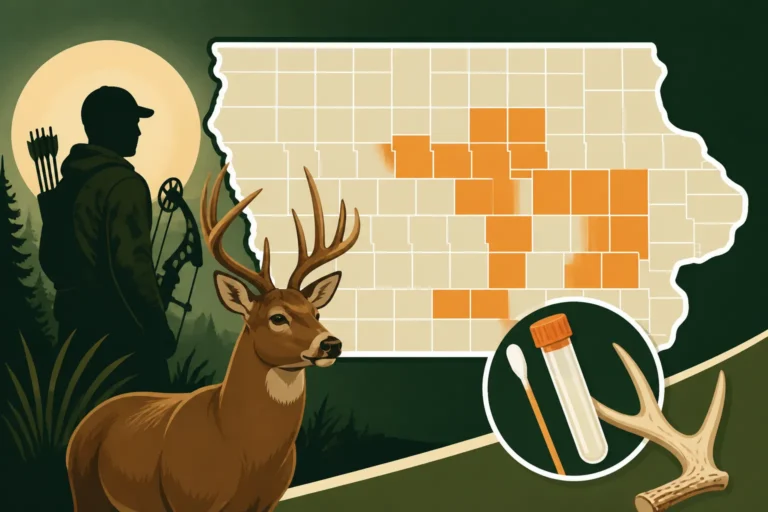
The rules for tagging and reporting your deer after a successful DMZ hunt might also have specific nuances. While the general Iowa deer harvest reporting rules require you to tag your deer immediately and report it online, some DMZ hunts might have additional requirements. This could include a mandatory check station, specific personnel who need to be notified, or even stricter timeframes for reporting. In an urban DMZ hunt, for instance, there might be protocols in place for getting a deer cooled in October, and specific instructions for getting a deer out of an Iowa creek bottom, especially if the access points are limited or public. Carcass transport restrictions are particularly important, especially with the ongoing concern about Chronic Wasting Disease (CWD). Some DMZ hunts, especially those in CWD-mandatory sampling counties, may have specific rules about leaving the spine and head at the harvest site or designated collection points to prevent the spread of the disease. Always be prepared to handle your deer according to these specific, potentially stricter, guidelines.
Respecting Boundaries and Public Perception
Perhaps one of the most critical "special considerations" for DMZ hunts is the heightened need to respect boundaries and manage public perception. DMZ hunts often occur in areas where the general public might not be accustomed to hunting, or where non-hunters are recreating nearby. This means hunters must be exceptionally mindful of property lines, safety zones, and maintaining a positive image of hunting. Retrieving a deer across a property line, for instance, requires prior permission, and in a DMZ, this might need to be explicitly arranged before the hunt even begins. Leaving no trace on Iowa walk-in ground is paramount, and ensuring your presence is minimally invasive helps maintain public support for these essential management efforts. Ethical hunting practices, visible blaze orange rules during Iowa gun season (if applicable), and clear communication with any non-hunters encountered are not just good manners; they are vital to the continued existence of these specialized hunting opportunities. Being a good ambassador for hunting is more important than ever in these sensitive environments.
Maximizing Your Success in a DMZ Hunt
Successfully harvesting a deer in a DMZ hunt requires more than just showing up. These areas, by their very nature, present unique challenges. They often feature higher deer densities but also come with increased human activity and specific access limitations. Adapt your strategies, and you'll increase your chances of success.
Pre-Hunt Scouting and E-Scouting
Effective pre-hunt scouting is non-negotiable for DMZ hunts. Since many of these zones are smaller or have restricted access, understanding every contour, trail, and pinch point is vital. Unlike expansive private land, you often can't just wander wherever you please. Start with e-scouting Iowa farm country from home using online tools like the Iowa DNR Hunter Atlas or mapping apps like onX. Look for bedding areas, natural funnels, and any subtle features that might concentrate deer movement. Identify all approved access routes that do not bump deer and pinpoint exactly where you can and cannot go. For instance, in a state park, trails might be off-limits for hunting, but the dense timber adjacent to them could be prime bedding. When you physically scout, pay close attention to fresh deer sign, particularly rubs and scrapes that indicate buck activity, even if you’re primarily hunting antlerless deer. Knowing where deer are feeding and bedding, and how they transition between the two, is crucial. If the DMZ allows it, consider setting up a trail camera on Iowa public land to get a better understanding of deer patterns and movement timing.
Tactics for High-Pressure, Limited Areas
Hunting in DMZ areas often means dealing with increased human presence – whether from other hunters, hikers, or park visitors. This means traditional tactics might need adjustment. Deer in these areas often become nocturnal or move during periods of minimal human activity, such as midday or during inclement weather. Consider hunting midday, especially during the Iowa rut, when deer might be moving even during quiet periods. Mobile saddle hunting in Iowa can be incredibly effective here, allowing you to quickly adapt to changing deer patterns or pressure points without leaving a heavy footprint. If ground blinds are permitted, mastering the art of brushing in a ground blind and hunting from a blind without movement can be a game-changer, especially near food sources or bedding areas. Focus on catching deer moving between small pockets of cover. Patience is key. Deer in DMZs are often accustomed to human activity, but they are also very wary. Minimizing your scent, movement, and noise will be paramount. Think about hunting a narrow creek corridor or a small timber point between two fields – these micro-funnels can be highly productive.
Post-Harvest Care in Specific Scenarios
Successfully taking a deer in a DMZ hunt brings unique post-harvest challenges, especially due to location and potentially warmer weather. If you're hunting an urban DMZ or a state park, the logistics of field dressing in warm October weather and getting a deer cooled quickly can be a hurdle. You might need to have a deer cart on standby, as vehicle access can be extremely limited, and dragging versus cart hauling can make a huge difference over long distances or difficult terrain. Quartering a deer in the field might be the most practical solution, especially if you anticipate a long walk out, reducing the overall weight. Be prepared with game bags to protect the meat from flies and dirt. Some DMZs might even have specific routes or times designated for game retrieval to minimize public visibility. Having a detailed plan for getting a deer out of an Iowa creek bottom or from a dense cedar and locust thicket can save you a lot of headache and ensure your hard-earned venison is cared for properly. Always carry a sharp knife, plenty of water, and a headlamp for any unexpected delays.
Disclaimer
Please be aware that hunting regulations, season dates, and specific rules for Deer Management Zone hunts in Iowa can change annually. This guide provides general information, but it is the hunter's responsibility to consult the most current Iowa DNR hunting regulations booklet, available on the official Iowa DNR website, before participating in any hunting activity. Always confirm eligibility, application periods, and specific zone rules for the year you intend to hunt.