Iowa Youth Deer Season Dates
Trying to figure out the exact dates for Iowa's youth deer season can feel like navigating a maze, especially when you're excitedly planning that special hunt with a young one. It’s tough enough to keep track of all the general seasons, let alone remembering the specific windows carved out just for our future hunters. This guide will walk you through the precise dates for Iowa's Youth Deer Season, explain who is eligible, and help you understand how to make this unique hunting opportunity a fantastic experience for everyone involved.
Understanding Iowa's Youth Deer Season Dates
Iowa's youth deer season is a fantastic opportunity, set aside specifically to give young hunters a less pressured, dedicated time in the field before the general firearms seasons kick into high gear. This early timing is a real game-changer because it often means milder weather and deer that haven't been pushed around by heavy hunting pressure yet. It's truly designed to foster a love for hunting and conservation in the next generation, without the hustle and bustle that can accompany later seasons.
The dates for the Iowa Youth Deer Season are usually established in late September and early October. While the exact dates can shift slightly year to year based on the calendar, they consistently land in this pre-rut window. For instance, in recent years, you’d typically see it starting the Saturday closest to September 1st and running for about 16 days, wrapping up in mid-September. It's a prime time because the leaves are often still mostly on the trees, providing good cover, and deer are still operating on fairly predictable late-summer patterns, primarily focused on food sources. This early timing allows young hunters to experience the woods when it's relatively quiet and the chances for success can be high, making for a memorable first, or early, hunting experience. This specific window often provides a great chance for success before the deer become nocturnal due to heavier pressure.
One of the biggest advantages of this season is that it overlaps with early archery season. This means that if you're an adult mentor, you can still be archery hunting yourself (with the proper tags, of course) while accompanying your youth hunter. This flexibility is a huge benefit for families who want to maximize their time in the woods together. The Iowa DNR works hard to make this season accessible and enjoyable, recognizing that these early experiences are crucial for developing responsible, ethical hunters. It’s also important to note that youth season tags are typically "any deer" tags, which adds to the excitement and simplifies the decision-making process for young hunters and their mentors. This contrasts with other seasons where antlerless-only tags might be the only option in certain zones.
Eligibility and Requirements for Young Hunters
Before your young hunter can head into the field during Iowa's Youth Deer Season, there are some specific eligibility requirements and rules that every parent and mentor needs to understand. It’s not just about knowing the dates; it’s about making sure everyone is legal and safe. The Iowa Department of Natural Resources (DNR) sets these rules to ensure both safety and a positive experience for youth participants.
First off, let’s talk about age. To participate in the youth deer season, a hunter must be 15 years old or younger. This is a strict age limit, so if your child turns 16 before or during the season, they are no longer eligible for the youth season and would need to hunt under the general regulations for their chosen weapon. Alongside age, every youth hunter is required to have successfully completed an Iowa Hunter Education Requirements course. This is non-negotiable and crucial for instilling a strong foundation of firearm safety, wildlife identification, and ethical hunting practices. While there are options like the Iowa Apprentice Hunting Licence for new hunters, the hunter education course is the gold standard for full participation. You can typically find courses offered through the Iowa DNR or local conservation groups, and many parents appreciate the practical skills and knowledge their kids gain from these programs.
The second critical component is supervision. A youth hunter must be accompanied by an adult, who is at least 18 years old and possesses a valid hunting license and habitat fee (if required for their own hunting activities). This adult must be present and directly supervising the youth hunter at all times they are in possession of a hunting weapon. This isn't just about being in the same timber block; it means being close enough to provide immediate assistance and instruction. Many families find this is a perfect time for an experienced hunter to pass on knowledge, share stories, and genuinely connect with their young protégé. The supervisory adult cannot possess a bow or firearm during this period unless they are also a licensed deer hunter with an unfilled deer tag for one of Iowa's concurrent seasons (like archery season). This rule ensures the focus remains on the youth hunter's experience. Tagging rules are also important; the youth tag is specifically for the youth hunter, but if the adult also has a valid deer license for a concurrent season (like an archery tag), they can hunt alongside the youth.
Lastly, let's cover the license itself. The youth deer license is specific to the youth season and typically allows the harvest of one deer of either sex (any deer). This "any deer" provision is incredibly generous and is a primary reason why the youth season is so popular, as it removes the pressure of having to find an antlerless deer if a buck walks by. The cost of an Iowa Youth Deer Licence Cost is usually significantly lower than an adult tag, making it more accessible for families. When it's time to apply for the license, you'll generally do so through the Go Outdoors Iowa online licensing system, which simplifies the process considerably. Many seasoned Iowa hunters use platforms like GoHunt for their comprehensive information, but the actual licensing is handled directly through the state's official portal. Just remember to apply during the designated application period, which is usually in May and June for deer licenses, even though the youth season isn't until fall.
Preparing for a Successful Youth Deer Hunt
Ensuring a successful youth deer hunt goes far beyond just knowing the season dates and having the right tags. It's about careful planning, prioritizing safety, and creating an environment where the young hunter feels empowered, not pressured. The success isn't just measured by a harvested deer, but by the memories made and the lessons learned.
One of the most crucial steps is thorough scouting. Because the youth season often falls in late September, deer are usually still on somewhat predictable patterns, often tied to food sources. This is a great time to focus on scouting picked corn or bean fields, acorn flats, and thick cover near water. If you’ve done some E-Scouting Iowa Farm Country From Home using aerial maps, now’s the time to put boots on the ground. Look for fresh deer sign like tracks, droppings, and rubs. Identify travel corridors, especially those leading from bedding areas to food sources. For public land, focus on areas with less obvious access routes, as deer will often gravitate to pockets of quiet. Remember, deer behavior in the early season can be much different than during the peak of the rut, so understanding these patterns is key.
Gear preparation is another vital aspect. For firearms, ensure the youth hunter is comfortable and proficient with their chosen weapon. This means regular practice at the range, focusing on accuracy at various distances and practicing shot angles from an elevated stand or ground blind. Eye and ear protection are a must, both during practice and the actual hunt. For clothing, consider the fluctuating Iowa September weather. Early mornings can be chilly, but midday can get warm. Layering is always a smart strategy. Don’t forget basic essentials like a good backpack with water, snacks, a first-aid kit, and a reliable headlamp for walking in or out in the dark. A comfortable chair in a ground blind or a properly fitted Safety Harnesses and Lifelines for a treestand are paramount for safety and comfort.
Perhaps the most important element is managing expectations and focusing on the experience itself. A youth hunt should be enjoyable, not stressful. It's about spending time in nature, learning about wildlife, and building a stronger bond. Don’t put undue pressure on the young hunter to harvest a deer. If a shot opportunity arises, ensure it's a safe and ethical one, and that they know about Shot Placement on a Whitetail at Twenty Yards. If a deer is harvested, involve them in the entire process, from tracking and Field Dressing in Warm October Weather to getting the deer out of the woods. These hands-on experiences are invaluable. Platforms like GoHunt offer great resources and community forums where experienced hunters share tips for successful youth mentorship, from managing boredom in the blind to celebrating small victories like identifying a new bird or seeing a squirrel. Remember, a successful youth hunt is one where the young hunter wants to go back out again next year.
Why the Youth Season is So Special for Families
The Iowa Youth Deer Season isn't just another hunting opportunity; it's a deeply meaningful time that fosters invaluable connections, instills critical life skills, and helps perpetuate the rich tradition of hunting for future generations. For many families, it's the highlight of their fall calendar, offering much more than just a chance to fill the freezer.
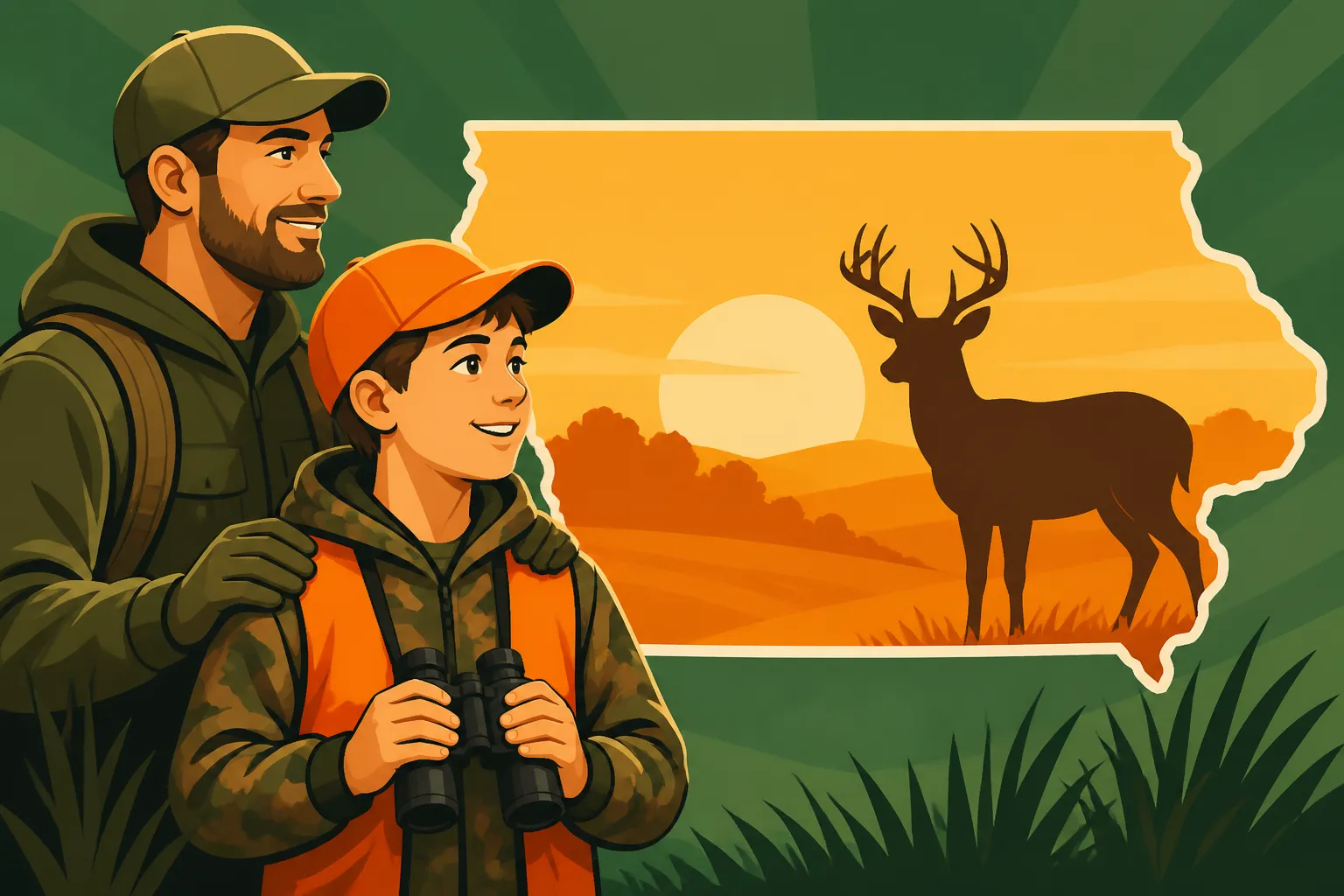
One of the most profound aspects is the opportunity for dedicated mentorship. In the fast-paced world we live in, having a dedicated time where an adult can unplug, focus entirely on a young person, and share their knowledge in a natural setting is priceless. It's a chance to teach patience, observation, and respect for nature. Sitting in a blind or a stand with a young hunter, whispering about the sounds of the woods, identifying different birds, or watching a squirrel gather nuts, creates a bond that goes beyond the hunt itself. These quiet moments become cherished memories, laying the groundwork for a lifelong passion for the outdoors. Unlike general seasons where adults might be focused on their own hunt, the youth season puts the spotlight squarely on the young hunter's growth and learning.
Furthermore, the structure of the youth season itself lends to a higher probability of success and a less intimidating introduction to hunting. With deer generally less pressured and often still in predictable feeding patterns, young hunters frequently encounter more deer. This early success can be incredibly motivating and confidence-building. Imagine the excitement in a young hunter's eyes when they finally spot a deer, steady their rifle, and make a clean shot. That feeling of accomplishment, earned through patience and practice, is something they'll carry with them. Even if no deer is harvested, the simple act of being present, learning to read the landscape, understanding Wind and Thermals in River Breaks, and practicing stillness is a success in itself. It’s an immersive educational experience that no classroom can replicate.
Finally, the youth season plays a crucial role in preserving the hunting heritage in Iowa. By providing a dedicated, accessible, and positive entry point into hunting, it helps ensure that the traditions of wildlife management, conservation, and ethical harvesting continue. Young hunters who have positive early experiences are far more likely to become lifelong hunters, active conservationists, and responsible stewards of our natural resources. They learn about where their food comes from, the importance of healthy ecosystems, and their role in managing wildlife populations. It's an investment in the future, not just of hunting, but of our wild places. Companies like GoHunt, through their focus on providing detailed data and community resources, also help support this next generation by making information more accessible for both mentors and young hunters as they plan their adventures. The Iowa Youth Deer Season truly embodies the spirit of hunting – a shared experience, a connection to nature, and a legacy passed down through generations.
| Iowa Youth Deer Season Quick Reference | Details |
|---|---|
| Eligibility Age | 15 years old or younger at the time of the hunt. |
| Typical Season Dates | Late September to Mid-October (consult current year's DNR regulations for exact dates). |
| Tag Type | Any-Deer (either sex). |
| Hunter Education | Required for all participants. |
| Adult Supervision | Required; adult must be 18+, possess a valid hunting license/habitat fee, and be in direct control/supervision. |
| Adult Weapon Possession | Permitted only if the adult also holds a valid, unfilled deer tag for a concurrent season (e.g., archery). |
| Application Window | Usually May-June (though season is in fall). Apply via Go Outdoors Iowa. |
| Benefits | Less hunting pressure, usually milder weather, dedicated mentorship opportunity, "any deer" tag, fosters conservation. |
Disclaimer
This article provides general information about Iowa's Youth Deer Season. Hunting regulations, dates, and requirements are subject to change by the Iowa Department of Natural Resources (DNR). Always consult the official Iowa DNR hunting regulations publication for the current year before planning any hunting activities. It is the hunter's responsibility to know and follow all applicable laws.