Iowa Natural Resource Commission Rule Meetings
It can feel incredibly frustrating to be a passionate hunter, seeing regulations change, new rules implemented, or opportunities shift, and not truly understand how those decisions are made. Many of us just receive the final word, often through the annual regulation booklet, and wonder what processes led to those outcomes. This guide aims to pull back the curtain on the Iowa Natural Resource Commission (NRC) rule meetings, explaining how you can understand, participate, and even influence the future of hunting in our great state.
Understanding the Iowa Natural Resource Commission (NRC) and Its Role
The Iowa Natural Resource Commission isn't just some abstract government body; it's a vital component that directly impacts every single hunter in Iowa. These folks are tasked with setting the rules and policies that govern our wild spaces and the game animals within them, based on scientific data, conservation principles, and, importantly, public input. When you see a change in antlerless quotas or a new deer season framework, it’s the NRC that has given it the final stamp of approval.
What the NRC Does for Iowa Hunters
Think of the NRC as the ultimate decision-makers for hunting, fishing, and conservation in Iowa. They are responsible for establishing seasons, bag limits, methods of take, and other critical regulations for species like whitetail deer, wild turkeys, pheasants, and waterfowl. Their decisions are rooted in the mission to maintain healthy wildlife populations while providing ample recreational opportunities for Iowans. For instance, if deer populations are growing too rapidly in certain regions, the NRC might approve an increase in antlerless tags for those specific counties, directly impacting how many deer you can legally harvest and where. It’s a delicate balancing act, trying to cater to various interests while always prioritizing the long-term health of our natural resources.
Their authority is extensive, covering everything from the big picture, like habitat acquisition strategies, down to the granular details, such as specific regulations for a certain type of hunting gear. When changes are proposed, whether it's adjusting the Iowa Deer Season Dates by Weapon or setting new standards for Iowa CWD Sampling and Carcass Rules, the NRC is the body that reviews, debates, and ultimately votes on these matters. Without their structured process, our hunting landscape would be chaotic and unsustainable, which is why understanding their function is so crucial for any responsible hunter.
Who Sits on the Commission?
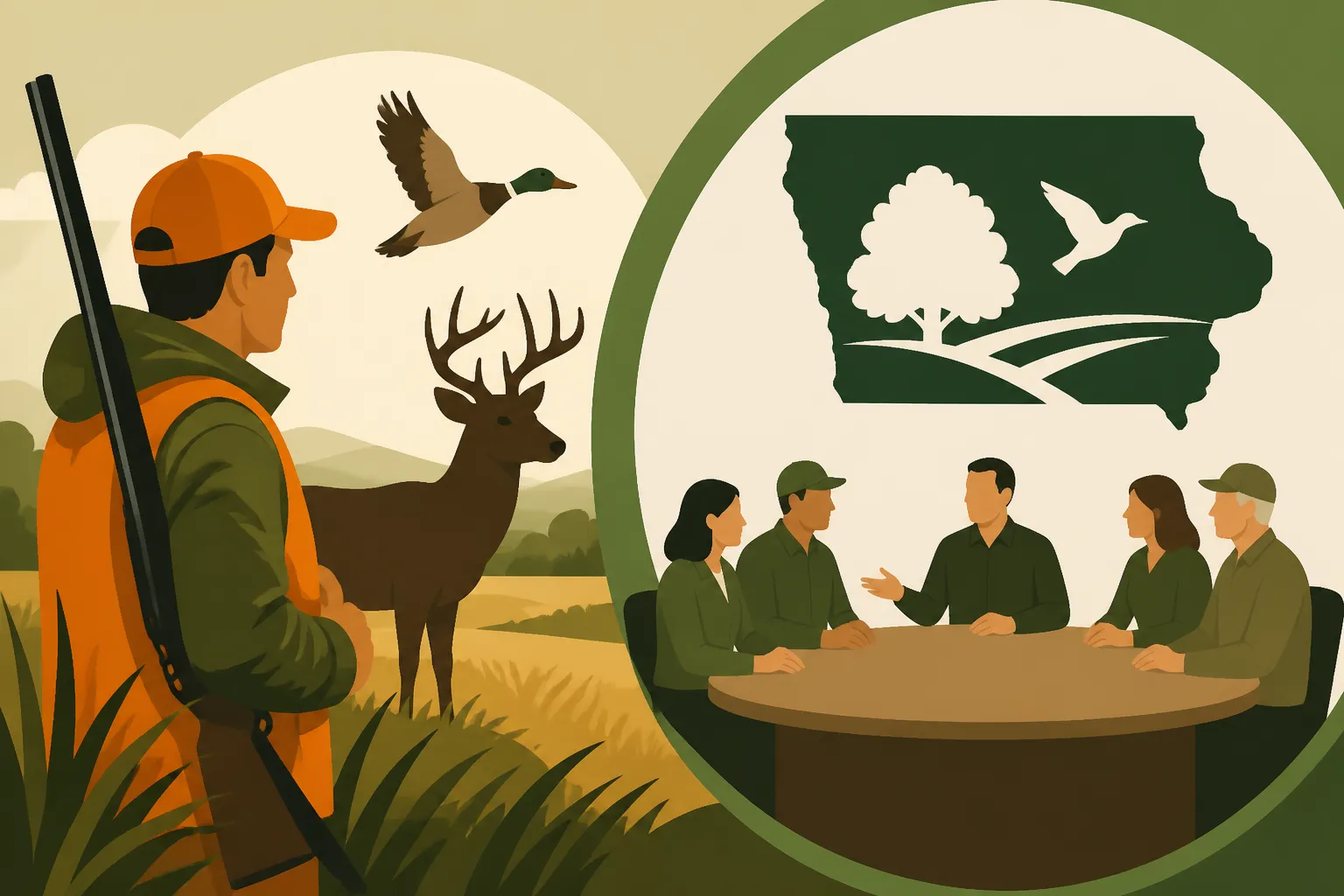
The Iowa Natural Resource Commission consists of seven members, appointed by the Governor and confirmed by the State Senate, each serving a six-year term. These aren't just random individuals; they typically bring a wealth of experience and a deep commitment to natural resource management, conservation, and outdoor recreation. Their backgrounds are often diverse, including landowners, farmers, educators, business professionals, and lifelong hunters or anglers. This diversity is essential because it ensures a broad range of perspectives are considered when complex issues come before them.
What’s truly important is that these commissioners are volunteers, dedicating their time and expertise to safeguard Iowa’s natural heritage. They are tasked with making decisions based on sound science, ethical considerations, and public good, rather than political agendas. Their role is to provide oversight and direction to the Iowa Department of Natural Resources (DNR) and to act as a crucial link between the public and the state’s conservation efforts. Each member is serious about their responsibility, knowing that their decisions have lasting impacts on generations of Iowa hunters and the wildlife we cherish.
The Rulemaking Process: From Idea to Law
The idea of a new hunting regulation doesn't just appear out of thin air. It's a structured, often lengthy, process designed to ensure fairness, scientific backing, and public participation. It's an opportunity for your insights, experiences, and concerns as a hunter to actually make a difference, provided you know how and when to get involved.
How a Rule Idea Gets Started
The genesis of a new rule can come from several places. Often, it originates within the Iowa DNR itself, born from ongoing wildlife surveys, harvest data, or biological research indicating a need for change. For example, if the DNR’s annual harvest reports or aerial surveys suggest that the deer population in a specific region is out of balance with its habitat, they might propose adjusting antlerless tag availability. Conservation organizations, hunting groups, or even individual citizens can also petition the NRC or the DNR with ideas for new rules or modifications to existing ones. Sometimes, changes are driven by federal mandates or by a need to align Iowa's regulations with those of neighboring states for migratory species.
Once an idea surfaces, the DNR typically conducts preliminary research and develops a formal proposal. This proposal includes the rationale for the change, any scientific data supporting it, and an assessment of its potential impact on wildlife, habitats, and hunters. It's not a quick process; these proposals are carefully crafted to stand up to scrutiny, ensuring they are defensible and serve the best interests of Iowa's natural resources. It’s during this initial phase that the framework for something like Iowa January Antlerless Hunts or certain restrictions on public land might first be conceptualized.
Public Input and Formal Meetings
This is where your role as a hunter becomes absolutely critical. Once a rule proposal has been drafted by the DNR and reviewed by the NRC, it enters a formal public comment period. This is your chance to provide feedback, ask questions, and voice concerns. The DNR will announce these proposed rules and solicit comments through various channels, including their website, press releases, and sometimes public forums or meetings in specific areas. It’s not just about complaining; it's about providing constructive feedback, data, or personal experiences that can help the commissioners make informed decisions.
Following the comment period, the proposed rules are brought before the NRC in a series of public meetings. These meetings, often held monthly, are where the commissioners officially discuss the proposals, hear presentations from DNR staff, and review all the public comments submitted. They might debate the wording, suggest amendments, or even table a proposal if they feel more information or public input is needed. Ultimately, the NRC will vote on whether to adopt the proposed rule, amend it, or reject it entirely. Websites like GoHunt can be invaluable resources during this phase, often summarizing proposed changes and providing links to official comment pages, helping you stay current on what's on the table. Knowing the Iowa Regulation Booklet Release Date in advance can help you anticipate when major changes might be finalized, but the meetings are where the real work happens.
Engaging with the NRC: Making Your Voice Heard
Many hunters feel a sense of detachment from the rulemaking process, believing their opinions won't sway bureaucratic decisions. I get it; it’s easy to feel like just one voice in a sea of millions. But I'm here to tell you that’s not true for the Iowa Natural Resource Commission. They genuinely want and need your input, and an engaged hunting community is vital for shaping responsible, effective conservation policies.
Why Your Input Matters
It’s easy to feel like your single voice won't make a difference when it comes to big decisions about Iowa's hunting seasons or land management. But trust me, the commissioners aren't operating in a vacuum. They are constantly weighing scientific data from the DNR against the practical realities and perspectives of hunters on the ground. When you take the time to offer thoughtful feedback, it provides them with real-world context that data alone can't always convey. For example, if a proposed rule change impacts access routes into public land, or how you practice Hunting Iowa Walk-In Ground Without Burning It Out, your firsthand experience highlights the potential benefits or drawbacks in a way that resonates with those making the decisions.
Furthermore, a significant volume of similar comments can signal a broad sentiment within the hunting community. While one comment might be easy to dismiss, dozens or hundreds expressing the same concern or support carry considerable weight. Commissioners are often looking for this kind of collective insight to ensure that regulations are not only scientifically sound but also practical and widely accepted by those they affect most. Your input isn't just a suggestion; it's a critical piece of the puzzle that helps them build a comprehensive understanding of an issue and make well-rounded decisions that benefit both wildlife and hunters. This is a direct avenue to influence decisions about Iowa Deer Herd Management and Harvest for years to come.
Effective Ways to Submit Comments
Submitting effective comments is more than just stating your opinion; it’s about presenting a clear, concise, and well-reasoned argument. The most common way to submit comments is through the official channels provided by the Iowa DNR during a public comment period, often via email or an online form. When you write your comments, be specific about the proposed rule you are addressing. Instead of just saying "I don't like it," explain why you don't like it, providing details of how it would impact your hunting experiences, conservation efforts, or local communities. If you have any relevant data or personal observations to back up your points, include them. Always maintain a respectful and professional tone, even if you strongly disagree with a proposal. Commissioners are more likely to seriously consider constructive criticism than emotional complaints.
Beyond written comments, attending a public meeting and speaking during the designated comment period is another powerful way to engage. This allows commissioners to hear directly from you, fostering a more personal connection to the issues. Prepare your talking points in advance, keeping them brief and focused, as time is often limited. Websites like GoHunt can be a tremendous asset here, as they often track specific rule proposals, identify key deadlines, and even provide links to the exact pages on the Iowa DNR site where you can submit your comments or find meeting details. Remember, the goal is to inform and persuade, not just to vent. Being informed about Commenting on an Iowa Hunting Rule effectively ensures your voice is heard loud and clear.
Navigating Meeting Schedules and Information
Staying in the loop about NRC meetings and proposed rule changes can feel like a full-time job. With busy lives, it’s easy to miss deadlines or not know where to look. But with a few simple strategies, you can keep yourself informed and ready to participate when it matters most.
Where to Find Meeting Schedules and Agendas
The absolute best and most official source for Iowa Natural Resource Commission meeting schedules and agendas is the Iowa Department of Natural Resources (DNR) website. Typically, you'll find a dedicated section for the NRC, which lists upcoming meeting dates, times, and locations. They also post the meeting packets, which include the detailed agenda, proposed rule changes, and supporting documents for each item the commission will discuss. These packets are often available a week or more in advance, giving you ample time to review the materials. While the DNR website is the authoritative source, keep an eye on news outlets, especially those focused on outdoor recreation or local government, as they often report on significant upcoming rule changes. Additionally, many conservation organizations or hunting advocacy groups will post alerts and summaries on their own websites or social media, making it easier for their members to stay informed.
It's a good habit to bookmark the NRC section of the Iowa DNR website and check it periodically, especially a month or two before major season-setting periods. Don't forget that many of these meetings also have options for virtual attendance, so even if you can't make it to Des Moines, you can still observe the proceedings from home. Being proactive in checking these resources is key to understanding what's on the horizon, from broad changes affecting Public Land Deer Hunting in Iowa to specific regulations impacting local wildlife.
Interpreting Agenda Items and Rule Proposals
Let's be honest, government documents can sometimes feel like they're written in a foreign language. Rule proposals, in particular, are often dense with legal jargon and references to sections of the Iowa Administrative Code. It can be intimidating to decipher what exactly is being proposed and how it might affect you. Don't despair! A good strategy is to look for key phrases like "amend," "add," "delete," or "strike" within the text. These words signal a direct change to an existing rule. Pay close attention to any highlighted text or strike-throughs, which typically indicate proposed additions or deletions. The accompanying staff reports or summaries often do a better job of explaining the intent behind the changes in plain language, so make sure to read those as well.
If a proposal seems particularly complex, don't hesitate to reach out to the DNR staff member listed as the contact for that specific rule; their job often includes helping the public understand these proposals. Many dedicated hunting news sites or apps, including some features on GoHunt, might provide simplified breakdowns of proposed regulations, translating the legalese into terms that every hunter can understand. Focus on how the proposed changes affect specific aspects of hunting, like bag limits, season dates, legal methods, or public land access. Understanding these nuances is crucial for crafting an informed response when the time comes to make your voice heard on issues such as Iowa Hunter Education and Licensing Basics or Iowa CWD Mandatory Sampling Counties.
Here's a quick overview of the rulemaking process:
| Stage of Rulemaking | Description | Public Involvement Opportunities |
|---|---|---|
| Idea Generation | DNR identifies need for change; public/groups suggest proposals. | Informal suggestions to DNR staff, conservation groups. |
| Rule Drafting | DNR staff research and write formal proposed rule, with scientific justification. | Limited at this stage, but often influenced by prior public dialogue. |
| Notice of Intended Action | Proposed rule published in Iowa Administrative Bulletin, starting formal public comment period. | Submit written comments (email/online form/mail). |
| Public Comment Period | Designated time (usually 30 days) for public to provide feedback on the proposed rule. | Submit detailed written comments; attend public hearings/forums. |
| NRC Meeting & Deliberation | NRC reviews proposal, public comments, and DNR staff recommendations; open discussion. | Attend meetings (in-person/virtual) to observe or speak during comment. |
| Final Adoption | NRC votes to adopt, amend, or reject the rule. If adopted, it is filed and becomes law after 35 days. | Limited after final vote, but advocacy can continue for future changes. |
Disclaimer
The information provided in this guide is for general informational purposes only and does not constitute legal advice. While we strive to provide accurate and up-to-date information, hunting regulations and laws can change frequently. Always consult the official Iowa Department of Natural Resources regulations, statutes, and current year's hunting handbook for the most accurate and legally binding information before participating in any hunting activities.