Finding an Iowa Lease for Deer
It’s no secret that Iowa holds some of the best whitetail hunting opportunities in the country, drawing hunters from all corners with dreams of big bucks. However, for many, the biggest hurdle isn't the draw odds or the long drive, but rather the challenge of securing a prime piece of private land. This guide is dedicated to helping you navigate the sometimes-daunting process of finding an Iowa deer lease, offering practical steps and insights into how to make that coveted private ground a reality for your hunting adventures.
Understanding the Iowa Lease Landscape
Before you dive headfirst into contacting landowners, it’s crucial to understand the lay of the land, both literally and figuratively, when it comes to deer leases in Iowa. It's a competitive environment, but with the right approach, it's far from impossible.
Why Private Land is King in Iowa
Iowa is overwhelmingly private land. Unlike some western states with vast tracts of public ground, the Hawkeye State is a patchwork of farms, timber blocks, and creek bottoms, nearly all of which are privately owned. This reality is a huge factor in why Iowa consistently produces such impressive whitetails. Deer here often live out their lives with minimal pressure on private parcels, growing to maturity on a diet rich in corn and soybeans. The sheer abundance of quality forage and bedding cover on these private farms, coupled with often limited hunting pressure, allows bucks to truly express their genetic potential. For many serious deer hunters, gaining access to this private land is the holy grail, offering a higher probability of encountering mature animals and experiencing less competition than on crowded public areas. Public Land Deer Hunting in Iowa is an option, but it comes with its own set of challenges, particularly the pressure aspect.
This dominance of private land means that securing access, whether through a handshake agreement or a formal lease, becomes paramount for most serious hunters. You're not just looking for a spot; you're looking for a sanctuary where deer can thrive and where your hunting efforts can be focused without constant worry about other hunters walking through. The reputation of Iowa's deer herd largely stems from these private holdings and the management – or sometimes just the sheer lack of intrusion – they provide.
The Reality of Lease Competition and Costs
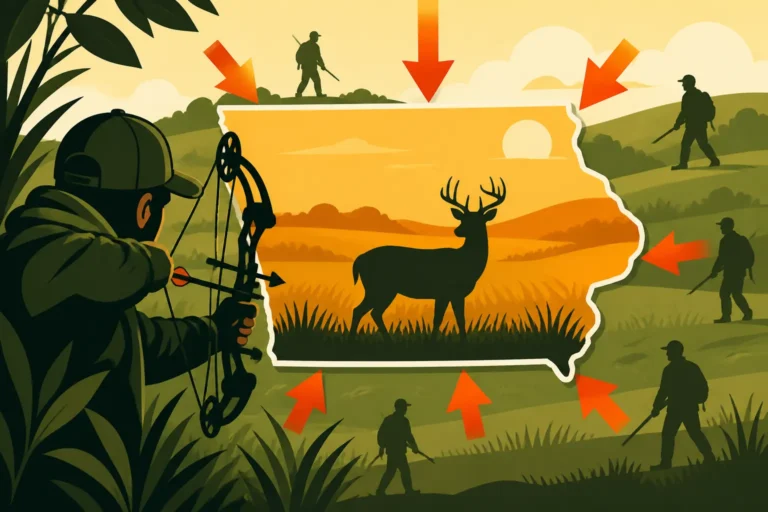
Let's be real: finding a good hunting lease in Iowa is not like picking up a gallon of milk at the store. The demand is high, especially for properties known to hold trophy bucks, and landowners are increasingly aware of the value of their hunting rights. This means you’re likely to face competition from other hunters, some of whom have been leasing the same ground for years or even decades. Don't be surprised if the first few (or even dozen) inquiries lead to dead ends. Patience and persistence are absolutely key here.
The cost of leasing can also be a significant factor. While specific numbers vary wildly depending on the county, habitat quality, deer history, and the size of the parcel, expect to pay a premium for prime Iowa deer ground. These aren't cheap endeavors, and it’s a good idea to set a realistic budget before you start your search. Remember, a lease isn't just about the dollar figure; it's about the value you perceive in the hunting experience it provides. This value often includes exclusive access, less pressure, and the potential for consistent encounters with mature deer. If you're wondering about the financial side, reading up on Iowa Hunting Lease Costs can give you a better idea of what to expect. It's an investment, pure and simple, and understanding the financial commitment upfront helps temper expectations.
Strategies for Locating Potential Lease Properties
So, how do you even begin to find these elusive leases? It involves a combination of modern technology, old-fashioned networking, and a willingness to put in some legwork.
Leveraging Online Mapping Tools and Resources
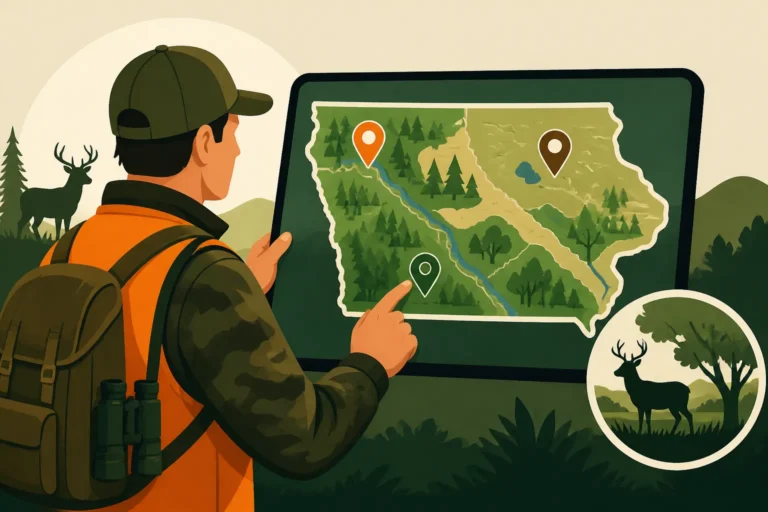
In today's digital age, online mapping tools are your best friend for scouting potential lease ground from afar. Services like onX Hunt and GoHunt have revolutionized the way hunters identify property boundaries, landowner names, and potential habitat features. You can literally sit at your computer and "walk" miles of Iowa timber and crop edges, identifying key pinch points, funnels, and bedding areas.
Start by looking at areas known for good deer populations or specific counties that have a history of producing big bucks. Use the mapping layers to identify timber blocks, creek corridors, and agricultural fields. Pay close attention to areas that offer a mix of cover, food, and water – the trifecta for whitetail deer. With onX Hunt, for example, you can toggle between satellite imagery, topo maps, and even specific hunting zone overlays. Once you've identified promising parcels, the next step is often to use the app to find the landowner's information. This usually provides a name, which is your crucial first step in making contact. Don't underestimate the power of Reading Aerial Imagery for Bedding Cover to find hidden gems, even from your couch.
| Online Tool Feature | Benefit for Lease Seekers |
|---|---|
| Property Boundaries | Clearly see where one property ends and another begins, avoiding trespass. |
| Landowner Info | Get names and sometimes mailing addresses to initiate contact. |
| Satellite Imagery | Identify timber, crop types, water sources, and potential deer travel corridors. |
| Topographic Maps | Understand elevation changes, drainages, and potential bedding areas. |
| Public/Private Layers | Easily distinguish between public hunting ground and private parcels. |
| Waypoints/Drawing Tools | Mark promising areas, access points, and stand locations for future reference. |
Networking and Local Connections
While technology is powerful, nothing beats good old-fashioned human connection. Talk to people! This could be local farmers, feed store owners, taxidermists, or even other hunters you meet at sporting goods stores. Often, the best leases are never advertised publicly; they're found through word-of-mouth. Someone might know a landowner who's tired of managing hunters, or whose current lessees are moving on.
Don't be afraid to strike up conversations, politely explaining your interest in finding a hunting lease. Emphasize your respect for private property, your commitment to ethical hunting, and your willingness to be a responsible steward of the land. Sometimes, a casual conversation at a gas station or diner can lead to the perfect connection. Local hunting clubs or conservation organizations can also be valuable networking hubs. Even if they don't have direct lease opportunities, they might be able to point you toward resources or individuals who do. Building a good reputation in a community can open doors that money alone cannot.
Directly Approaching Landowners
This is where the rubber meets the road. Once you've identified a promising parcel and found the landowner's contact information (often through tools like onX Hunt), you need to make your approach. There are a few ways to do this: a letter, a phone call, or a knock on the door. Each has its pros and cons.
A well-written letter can introduce yourself, express your interest, and outline your respectful intentions, giving the landowner time to consider. A phone call allows for immediate conversation and questions, but can sometimes feel intrusive. The most direct, and often most effective, method is a polite knock on the door, assuming the landowner lives nearby. Always be respectful of their time and privacy. Have a brief, clear pitch ready. Introduce yourself, explain you're looking for a hunting lease, and express why you're interested in their specific property (e.g., "I noticed you have some beautiful timber along the creek here, and I'm very interested in ethical deer management").
The key is respect and honesty. Landowners want to know that their property will be treated well. Be prepared for a "no," but don't let it discourage you. Many "no's" are simply because they already have someone, or they aren't interested at this time. Sometimes, a "no" can turn into a "maybe" if you leave a good impression. For more on this critical step, check out Asking an Iowa Landowner for Permission.
What to Look for in an Iowa Deer Lease
Once you've made contact and potentially found a landowner willing to discuss a lease, it's time to assess the property and ensure it's a good fit for your hunting goals.
Key Habitat Features and Deer Sign
Before you commit to anything, you absolutely must walk the property. This is your chance to verify what you saw on the maps. Look for the classic whitetail habitat indicators:
- Food Sources: Are there active crop fields (corn, soybeans, alfalfa), mast trees (oaks, walnuts), or natural browse?
- Water Sources: Creek bottoms, ponds, springs – deer need water daily.
- Bedding Cover: Thick timber, brushy draws, CRP fields, cedar thickets. Where do deer feel safe enough to bed down?
- Travel Corridors: Look for natural funnels, pinch points, fence crossings, and well-used trails connecting food, water, and bedding. Saddles and Benches Deer Cross Daily are often prime locations.
- Deer Sign: Fresh rubs, scrapes, droppings, and tracks are clear indicators of current deer activity. The more recent and abundant the sign, the better.
During your walk, take notes, snap photos, and use your GPS or mapping app to mark potential stand sites. This initial scouting trip is invaluable for truly understanding the property's potential. It also shows the landowner you're serious and knowledgeable. Scouting Iowa Timber and River Bottoms outlines many of the key things you should be looking for.
Assessing Access, Boundaries, and Neighbors
Beyond the deer themselves, practical considerations are vital for a successful lease.
- Access: How do you get to the property? Are there clear, accessible routes that minimize disturbance to deer? Can you drive right to a parking spot, or will you be walking a long distance? Consider how you'll retrieve a deer; dragging a big Iowa buck out of a deep creek bottom can be a challenge. Getting a Deer Out of an Iowa Creek Bottom is a very real concern.
- Boundaries: Ensure you and the landowner are crystal clear on the exact boundaries of the leased area. Walk them together if possible. Having precise boundaries is crucial to avoid accidental trespass or conflicts with neighbors. Using a GPS with property line overlays (like onX Hunt provides) is essential here.
- Neighbors: Who are the neighbors, and what are their hunting practices? Are they aggressive hunters who might push deer onto your property, or are they more relaxed? While you can't control neighbors, understanding the surrounding hunting pressure can help you strategize your own approach. Heavy pressure on adjacent properties might actually make your lease more valuable as a sanctuary. Remember, Iowa Trespass Law and Posted Land means you need to be very aware of where your lease ends.
Understanding Lease Agreements and Expectations
A good lease is built on clear communication and a solid agreement. Don't rely on a handshake, no matter how friendly the landowner. A written lease protects both parties and clarifies expectations.
Key points to discuss and include in a written agreement:
- Duration: How long is the lease for? One season, multiple years?
- Cost and Payment Schedule: Exactly how much, and when is it due?
- Number of Hunters: How many hunters are allowed on the property? Is it just you, or can you bring friends/family?
- Weapon Restrictions: Are certain weapons prohibited (e.g., rifles if only bowhunting is desired)?
- Harvest Quotas/Management: Are there specific rules about antler size, doe harvest, or management goals? Iowa Deer Herd Management and Harvest is a big topic, and landowners often have specific ideas about how they want their deer managed.
- Access Rules: When can you access the property? Are there times when the landowner needs exclusive access (e.g., during planting or harvest)?
- Liability: Who is responsible if someone gets injured on the property? This is a critical point to clarify and usually requires the hunter to carry liability insurance.
- Improvements: Can you hang stands, put in food plots, or make other improvements? If so, what are the rules for leaving them or removing them?
- Non-Hunting Activities: Are you allowed to fish, hike, or camp?
- Termination Clause: Under what conditions can either party terminate the lease?
A clear, well-drafted agreement prevents misunderstandings down the road. Both GoHunt and other online resources often provide sample lease agreements that you can adapt.
Making Your Lease Offer and Building Relationships
Once you’ve done your homework and are ready to make an offer, remember that you’re not just buying access; you're entering into a relationship.
Crafting a Fair and Attractive Lease Proposal
Your proposal should go beyond just stating a price. It should communicate your value as a lessee. Present a clear, concise offer that outlines:
- Your Proposed Rent: A specific dollar amount or a range.
- Proposed Lease Term: A single season, or perhaps an initial year with an option to renew for multiple years if both parties are happy.
- Your Commitments: What you will do to be a good tenant. This includes respecting boundaries, adhering to all Iowa hunting laws, practicing ethical hunting, and communicating regularly.
- Benefits to the Landowner: Frame the lease as a benefit to them. Are you offering security against trespassers? Assistance with minor chores? An additional source of income?
Be prepared to negotiate. The landowner might have a specific figure in mind, or they might be more interested in the intangible benefits you can offer. Having a flexible attitude shows you’re serious about making it work for everyone.
Beyond the Money: Adding Value for Landowners
Money is important, but often, it's not the only thing, or even the most important thing, to a landowner. Many farmers and rural property owners value trustworthy, respectful individuals who can also lend a hand. Consider offering:
- Security: Your presence on the property can deter trespassers, poachers, or even vandalism. This is a huge benefit to many landowners.
- Minor Chores/Maintenance: Offer to help with tasks like clearing fallen trees, fixing fences, picking up trash, or even just keeping an eye on things when they're away.
- Wildlife Management Assistance: If you're knowledgeable, offer to help monitor the deer herd, manage food plots (if allowed), or report observations.
- Respect and Communication: These are paramount. Always let the landowner know when you'll be on the property. Respect their private areas and their family's activities.
A good working relationship built on trust and mutual respect is often worth more than a few extra dollars to a landowner. This approach helps you stand out from other potential lessees who might only be focused on the hunting aspect.
Maintaining a Positive Long-Term Relationship
The day you sign the lease isn’t the end of the process; it’s the beginning. A successful lease is a long-term relationship.
- Communicate Regularly: Don't just show up and disappear. Text, call, or stop by periodically to say hello, check in, and offer assistance.
- Be a Good Steward: Leave the property better than you found it. Pick up trash (even if it's not yours), repair any damage you cause (or notice), and treat the land as if it were your own.
- Share Your Success (if appropriate): A photo of a nice buck taken on their property, or an offer of some venison, can go a long way in building goodwill.
- Be Flexible: If the landowner has a sudden need to access part of the property, or needs you to avoid a certain area for a day, be accommodating. Their primary business (farming, for example) always comes first.
- Adhere to the Agreement: Follow all terms of your lease agreement, no exceptions.
By maintaining a positive, respectful relationship, you significantly increase your chances of renewing the lease year after year, and perhaps even gaining access to other opportunities. A happy landowner is your best advocate, and a good lease can turn into a cherished annual tradition for years to come.
Disclaimer
This article is for general informational purposes only and does not constitute professional advice. Laws, prices and regulations vary by location and change over time. Consult a qualified professional for guidance on your specific situation.