Getting a Deer Out of an Iowa Creek Bottom
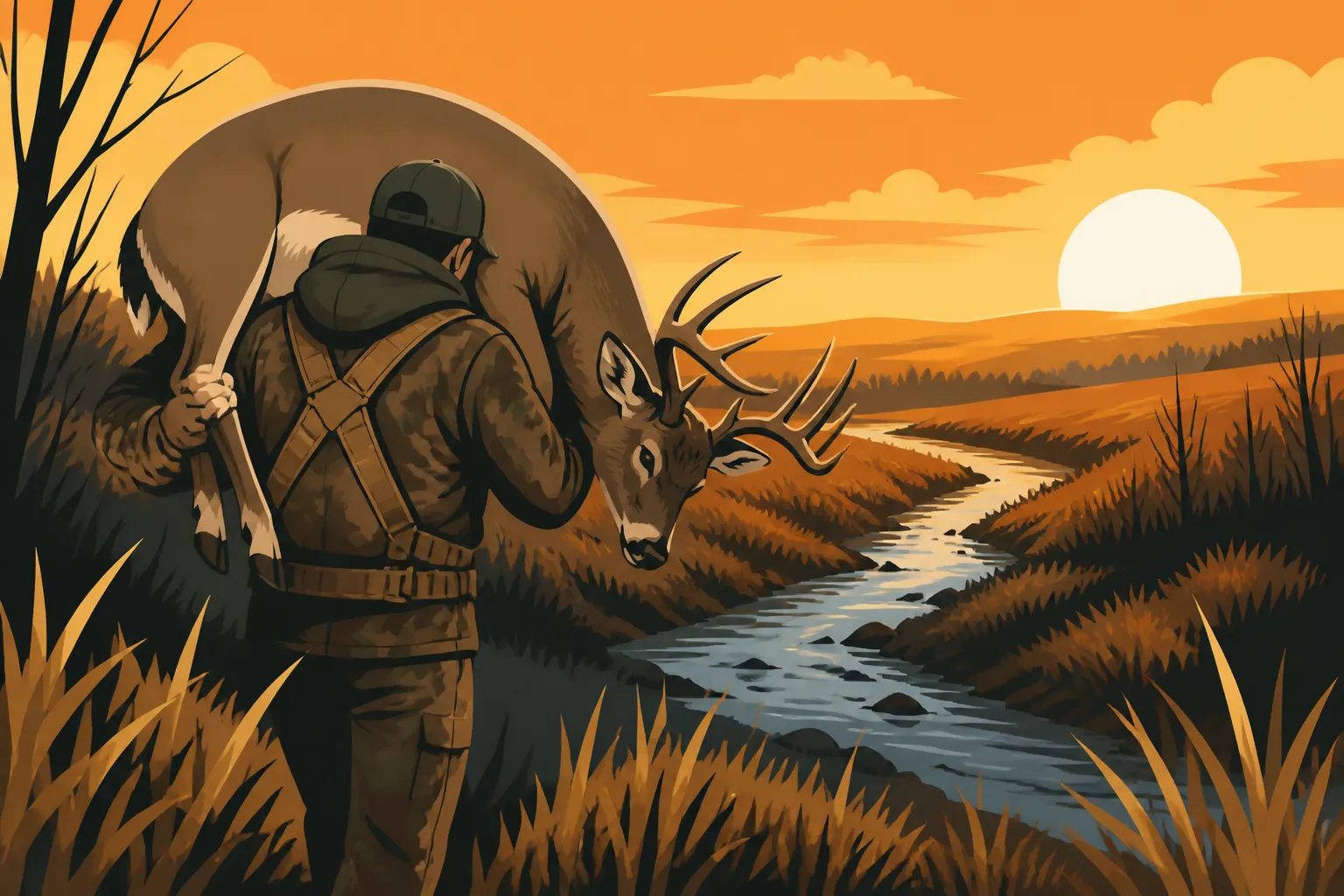
There's nothing quite like the rush of finally connecting on an Iowa whitetail, especially after all the scouting, the early mornings, and the patience. But that triumphant moment can quickly turn into a sinking feeling when you realize your prize buck has piled up in the most inconvenient spot imaginable: a nasty, muddy, steep-sided creek bottom. We've all been there, standing on the bank, staring down at our deer with a mix of pride and dread, wondering, "How on earth am I going to get it out of that?" This guide is here to walk you through the realistic challenges and practical solutions for recovering a deer from the notoriously difficult creek bottoms of Iowa.
Understanding the Challenge of Iowa Creek Bottoms
Iowa's landscape, while beautiful and productive for agriculture, presents unique challenges for deer hunters, especially when it comes to game recovery. Creek bottoms, in particular, are notorious for turning a successful hunt into a grueling, sometimes dangerous, ordeal. It's not just about dragging a deer; it's about navigating a truly unforgiving environment.
Why Creek Bottoms Attract Deer and Hunters
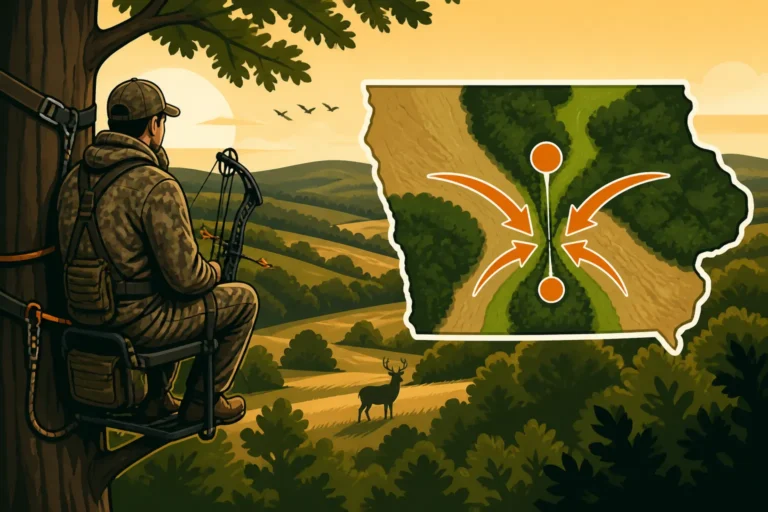
Creek bottoms are absolute magnets for deer, and for good reason. They often serve as critical travel corridors, providing natural concealment through dense undergrowth, brush, and timber that borders open crop fields. Deer use these riparian zones for everything: bedding down during the day, accessing water, and moving between food sources under the cover of darkness or during the golden hours of dawn and dusk. You'll often find bucks cruising these low-lying areas during the rut, scent-checking for does and avoiding wide-open spaces. They offer thermal protection in bitter cold and a cool escape from the heat, making them prime spots throughout the season. Hunters, knowing this, often focus their efforts around these natural highways and hideouts. For example, understanding how deer navigate areas like a "Hunting a Narrow Creek Corridor" can lead to incredibly successful hunts.
However, the very features that attract deer also conspire against hunters during recovery. The same thick cover that provides security for a wary whitetail becomes an impenetrable jungle when you're trying to drag hundreds of pounds of dead weight through it. Tangled multiflora rose, dense honeysuckle, and downed trees create a labyrinth that’s hard enough to walk through empty-handed, let alone with a deer. This dense vegetation makes quartering a deer in the field a much more appealing option for some, if possible.
The Terrain: Muck, Water, and Steep Banks
The physical obstacles within Iowa's creek bottoms are what really separate these recoveries from a simple field drag. You're not just dealing with mud; you're often contending with a thick, suction-cup-like muck that can swallow your boots and add immense resistance to any movement. After a good rain, these areas can be absolute quagmires, making every step a Herculean effort.
Then there's the water itself. Even seemingly small creeks can have surprisingly deep pockets or swift currents, especially after heavy rainfall. Crossing with a deer can be precarious, risking injury to yourself or losing the deer downstream. And let's not forget the banks. Iowa creek banks are frequently steep, often undercut, and covered in slick mud or loose soil, making them treacherous to climb, particularly when wet. Imagine trying to hoist a heavy deer up a near-vertical, muddy incline – it's a recipe for strained backs, slipped feet, and pure frustration. Deadfall and erosion only add to the complexity, creating a natural obstacle course that seems specifically designed to test a hunter's resolve. The larger tributaries of the Des Moines River or even smaller agricultural drainage ditches can present these exact same difficulties.
Essential Gear for Deer Recovery
When you're facing down a deer in a creek bottom, the right gear can literally make or break your recovery. This isn't the time to skimp or "make do." Having the proper tools and personal protection isn't just about efficiency; it's about safety and ultimately ensuring you don't lose your hard-earned game.
Personal Protective Equipment
Your personal safety needs to be paramount. Creek bottoms are inherently risky environments, often involving cold water, slippery surfaces, and dense, thorny vegetation.
First and foremost, invest in quality waders or tall, waterproof rubber boots. Hip waders are often a lifesaver, allowing you to venture into deeper water without soaking your clothes and risking hypothermia. Even if you don't anticipate deep water, mud can easily engulf standard boots, rendering them useless and leaving your feet cold and wet. Look for boots with good ankle support and aggressive tread patterns to help you maintain traction on slick, uneven surfaces. Think about the conditions during late season hunts; keeping your feet dry during a December cold front deer movement is crucial for warmth and comfort.
Next, heavy-duty gloves are a must. Not just for grip, but for protecting your hands from thorns, sharp branches, and the inevitable scrapes and cuts that come with navigating dense brush. Thorns from multiflora rose or locust trees are no joke, and a good pair of leather or cut-resistant gloves will save you a lot of pain.
Finally, consider your clothing. Layers are always wise in Iowa hunting, but for a recovery, prioritize clothing that can get wet and dirty, and that you can shed or add as needed. A waterproof outer shell is incredibly helpful. Don't forget a headlamp, even if it's broad daylight. Retrievals often take longer than expected, and you do not want to be stuck in a creek bottom after dark without light.
Hauling and Dragging Tools
Once you've secured your personal safety, focus on the equipment that will actually get the deer moving. There are several options, and the best choice often depends on the specific terrain and how far you need to go.
Deer carts are fantastic for relatively flat, open terrain, but a creek bottom is rarely that. They can be incredibly awkward and get bogged down in deep mud or caught on obstacles. However, if you can get the deer out of the immediate creek bed and onto a somewhat level, though still rugged, path, a sturdy cart like those from Hawk or Primos can be invaluable. The key is knowing when and where a cart can be effective versus a hindrance. For detailed advice, check out discussions on "Deer Carts on Iowa Walk-In Ground".
Game sleds offer a lower profile than carts and can glide over many obstacles more easily, especially snow or softer ground. While they might still get stuck in thick mud, their broad surface area distributes weight better, making them less likely to sink. Many hunters prefer a solid plastic sled for creek bottoms, as it helps protect the hide from abrasions and keeps some of the mud off the deer itself.
For truly gnarly, steep, or incredibly muddy conditions, a heavy-duty drag harness or rope system is often your best bet. A good harness attaches securely to the deer's head or antlers and allows you to use your body weight more effectively for pulling. The best ones distribute the pulling force across your shoulders and waist, saving your back. Some hunters even bring a come-along or a small hand winch for really steep banks. These devices, typically used for pulling cars or logs, can be rigged with straps or ropes to slowly winch a deer up an embankment that would be impossible to scale otherwise. Remember, teamwork makes the dream work here; even with these tools, an extra set of hands makes a world of difference.
| Hauling Method | Pros | Cons | Ideal Terrain |
|---|---|---|---|
| Deer Cart | Reduces effort on flat ground; keeps deer cleaner; good for longer distances | Impractical in thick mud/brush; cumbersome on steep slopes; easily gets stuck | Open fields, established trails, moderately uneven ground |
| Game Sled | Glides over snow/soft ground; protects deer hide; low profile for obstacles | Can still get bogged in deep mud; requires significant pulling effort | Snowy conditions, light brush, uneven but not overly steep ground |
| Drag Harness | Lightweight, portable; good for short, steep, or muddy pulls; uses body strength | Concentrates pulling effort (can be tiring); deer gets dirty; limited for long hauls | Very steep banks, thick brush, deep mud, short distances |
| Come-Along/Winch | Excellent for extreme inclines; provides mechanical advantage; saves back strain | Slow process; requires anchoring points; bulky/heavy to carry in; can be complex to set up | Near-vertical banks, extremely heavy deer, otherwise impossible situations |
Strategic Planning Before the Recovery
While the ideal scenario is for your deer to drop in an open field, reality often dictates otherwise. When your buck tumbles into a creek bottom, a bit of strategic planning before you even lay hands on the animal can turn a disastrous recovery into a manageable one. Think of it as scouting for the recovery, not just the hunt.
Pre-Scouting and E-Scouting Creek Crossings
Before you even step foot into the timber on opening day, you should already have a mental map of potential extraction routes. This is where modern tools really shine. Platforms like GoHunt, or other satellite imagery tools, are your best friends here. Spend time e-scouting the creek systems on your hunting property or public land. Look for areas where the creek banks appear less steep, where the creek narrows, or where there might be natural "pinch points" or even old farm crossings. These could be subtle depressions in the bank, areas with fewer downed trees, or spots where the water appears shallower.
Specifically, use your mapping app to zoom in on those creek bends and sections that are heavily timbered. What you're looking for are any breaks in the canopy or changes in contour that suggest a more gradual slope. Sometimes, an old cattle trail or even a heavily used deer trail will reveal a less treacherous path to the water's edge and up the other side. Mark these potential access points on your GoHunt map. Having these waypoints saved before the shot will save you immense time and frustration when you're actually standing over a deer in the bottom. This kind of detailed E-scouting Iowa farm country from home can reveal hidden gems and streamline your recovery efforts significantly. Pay attention to how the "Wind and Thermals in River Breaks" might affect deer movement, as these patterns often lead deer into these tricky creek systems.
Assembling a Recovery Team
Let's be brutally honest: trying to drag a mature Iowa whitetail out of a creek bottom by yourself is a Herculean task, bordering on reckless. Unless it's a small doe in a very accessible spot, you are almost always better off with help. This isn't a sign of weakness; it's a sign of smart hunting.
Before the season, identify a few reliable hunting buddies, family members, or even local contacts who you know would answer a call for help. Have a "recovery plan" in place. Who are you going to call? What's the rendezvous point? Ensure they understand the potential difficulty of the terrain. If you're hunting public land, remember that while help is great, too many people can also create more confusion and potential for error, especially if you're trying to retrieve a deer across property lines.
Communication is key. In many rural Iowa creek bottoms, cell service can be spotty at best. Consider carrying small two-way radios with your hunting party, especially if you're spreading out. Even if you hunt alone, having a plan for how you'll communicate your location and the situation to your designated recovery team is vital. Let someone know where you're hunting and when you expect to be back. This pre-planning, including sharing your location via apps like GoHunt, can dramatically reduce the stress and physical toll of a challenging recovery.
Executing the Recovery: Step-by-Step
You've made the shot, the deer is down, and now the real work begins. Getting a deer out of an Iowa creek bottom requires more than brute strength; it demands careful execution, a keen eye for terrain, and a healthy dose of patience. Rushing this process can lead to injury, equipment damage, or worse, losing your deer.
Assessing the Situation and Safely Approaching
Before you rush in, take a deep breath and assess the scene from a safe vantage point. Safety is always paramount. Are the banks stable? Is the water moving fast, or is it frozen and slick? Are there any hidden hazards like submerged logs or sudden drop-offs? You might be excited, but a broken ankle or hypothermia isn't worth a deer.
Once you’re sure it’s safe, slowly and deliberately make your way to the deer. Pay close attention to your footing. Mud, slick rocks, and rotting leaves can all contribute to a fall. Use a walking stick if necessary for added stability. When you reach the deer, confirm it's expired and secure it. If you’re alone, this is a good time to reconsider your recovery plan if the situation looks worse than you anticipated from afar. If you are retrieving the deer with help, communicate with your team, assigning roles and discussing the best immediate path out. Maybe it's a gradual slope 50 yards downstream, or perhaps it's a small opening in the brush a bit upstream. Sometimes, the path of least resistance isn't directly out from where the deer lies. This is where your earlier e-scouting on platforms like GoHunt really pays off. You might recall seeing a spot on the map that looked like an easier climb.
Navigating the Creek and Banks
Now for the real challenge: getting the deer across the water and up the bank. This is where creativity and teamwork come into play.
If you need to cross water, evaluate its depth and current. If it's shallow enough to walk, proceed slowly, testing your footing with each step. If it's deeper, you might need to use a game sled to float the deer across, carefully pulling it with ropes from the opposite bank. For smaller creeks, a simple log or large branch might be leveraged as a temporary bridge to get the deer over. For heavier deer, you might even have to consider using a rope and pulley system, attaching one end to a sturdy tree on the opposite bank and using the mechanical advantage to pull the deer across.
Getting up a steep, muddy bank is arguably the hardest part. If you have a team, a common strategy is to have one or two people on top, pulling on ropes attached to the deer, while another person or two pushes from below. Always pull the deer head-first up a bank; the antlers can act as natural handles, and the deer will slide more easily. If the bank is particularly steep or unstable, you might need to use a come-along or a small hand winch, anchoring it to a strong tree up top. This allows you to slowly and safely winch the deer up without risking injury or losing control. You might even have to create a makeshift ramp by laying down branches or logs to give the deer a less steep path or to provide better traction. Remember, finding those "Saddles and Benches Deer Cross Daily" isn't just for hunting; they can be critical for recovery too.
Field Dressing Considerations in a Tough Spot
Deciding whether to field dress your deer on location in a creek bottom or wait until extraction is a critical choice with pros and cons.
Field dressing on location can significantly reduce the weight of the deer, making the drag much easier. Removing the guts can lighten a mature Iowa buck by 20-40 pounds, which is a considerable amount when you're battling mud and steep banks. It also starts the cooling process immediately, which is vital if the weather is warm, like during an October bow season opener. However, field dressing in a messy, muddy creek bottom can be an unpleasant and unsanitary experience. You’ll get dirty, your knife will get dirty, and the deer meat itself might get contaminated if you're not extremely careful. If the creek is flowing, the blood and offal will wash away, but if it's a stagnant puddle, you'll be leaving quite a mess. You can learn more about this process in our guide on "Field Dressing in Warm October Weather".
Waiting until after extraction means dealing with the full weight of the deer, which can be exhausting. But it allows you to field dress in a cleaner, more stable environment, minimizing contamination and making the job much easier. If the weather is cold, like during late muzzleloader season, the delay in cooling might not be as critical.
Ultimately, the decision depends on the specific situation: the deer's size, the terrain's difficulty, the ambient temperature, and how much help you have. If it's a massive buck in a truly horrible spot on a warm day, field dressing in the bottom might be the lesser of two evils. If it's a smaller deer and you have ample help, getting it out whole might be preferable. Another option, especially for very large deer or extremely difficult terrain, is to quarter the deer in the field. This method involves breaking the deer down into manageable pieces, often removing the backstraps, hindquarters, and front shoulders. This significantly reduces weight and makes packing out much easier, though it requires more processing in the field. Our guide on "Quartering a Deer in the Field" offers detailed steps if you choose this route.
Post-Recovery: Cleaning Up and Next Steps
Once that deer is finally out of the creek bottom and securely loaded for transport, the relief is immense. But the job isn't quite over. Taking the time for proper cleanup and reflection can save you headaches later and improve your future hunting experiences.
Cleaning Gear and Yourself
The mud, water, and blood from an Iowa creek bottom recovery will cling to everything. Don't let it dry and harden. As soon as you can, give your gear a thorough cleaning.
Your waders, boots, and waterproof outer layers should be rinsed off as quickly as possible. A hose at home or even a quick dip in a cleaner section of the creek (after the deer is out!) can work wonders. Pay special attention to zippers and seams. Hang everything to dry completely to prevent mildew and odor.
Ropes, harnesses, and especially deer carts or sleds will be caked in mud. A stiff brush and a hose are your best friends here. Disassemble any parts of a deer cart that might trap mud, clean them, and reassemble. If you used a come-along or any metal tools, make sure to clean off all dirt and then apply a light coat of oil to prevent rust. That Iowa humidity can be brutal on untreated metal.
And let's not forget yourself. You're likely covered in mud, sweat, and maybe a little blood. A good shower and a fresh change of clothes aren't just for comfort; they help prevent tracking mud and potential contaminants into your vehicle or home. Keeping your gear in top shape ensures it's ready for the next adventure, and a clean hunter is a happy hunter.
Reflecting and Learning for Future Hunts
Every challenging recovery is a learning experience. Once the adrenaline wears off and the deer is put away, take some time to reflect on what happened.
- What went well? Did your e-scouting pay off? Was your recovery team efficient? Did your gear perform as expected?
- What could have gone better? Were there specific obstacles that slowed you down? Did you have the right tools? Was your communication clear?
- Could you have avoided the situation entirely? This is the big one. Was there a different approach to your stand site, or a different stand location, that might have resulted in the deer falling in a more accessible area? Sometimes it's unavoidable, but often, a slight adjustment in strategy can make a huge difference. For instance, considering "Access Routes That Do Not Bump Deer" and how they might affect both your hunt and your recovery can be insightful. Or perhaps focusing on specific features like "Hunting Saddles and Pinch Points in Rolling Timber" where deer naturally traverse more open ground.
Use this reflection to adjust your hunting plan for the next time. Maybe you'll prioritize stand locations that offer better recovery angles, even if it means slightly less optimal hunting ground. Perhaps you'll invest in a new piece of recovery gear, or refine your communication plan with your hunting buddies. The goal isn't to never have a tough recovery, but to be better prepared for the next one.
When to Call for Help (and Who)
While self-reliance is a core tenet of hunting, there are times when trying to extract a deer from an Iowa creek bottom by yourself or with inadequate resources can be genuinely dangerous or simply impossible. Knowing your limits and understanding when and who to call for help is not a sign of failure, but rather a mark of a responsible and intelligent hunter.
Assessing Your Limits and Knowing When to Bail
We all want to be the hero who single-handedly drags a monster buck out of the nastiest ravine. But ego can lead to serious trouble. Before you embark on a recovery that feels overwhelming, take a hard, honest look at the situation:
- Is the water too deep or fast? Swift currents or surprisingly deep creek beds can sweep you off your feet, especially when you're burdened with a deer. The risk of hypothermia from prolonged exposure to cold water is also very real, particularly during late season hunts.
- Are the banks too steep or unstable? A slip and fall on a muddy incline can lead to broken bones, sprains, or even a head injury. Trying to pull a heavy deer up an unstable bank can cause a mudslide, burying the deer or injuring you.
- Is the deer too heavy for your available manpower? Sometimes, a big Iowa buck simply weighs more than you (and your one buddy) can safely handle, especially when fighting gravity, mud, and brush.
- Are you running out of daylight or energy? Fatigue can lead to poor judgment and increased risk of injury. Trying to recover a deer in the dark from a dangerous creek bottom multiplies every hazard. It's often safer to mark the deer's location, exit the woods, and return with fresh hands and daylight.
If you answer yes to any of these, it's time to pause and call for reinforcements. A lost deer is heartbreaking, but an injured hunter is far worse. In some cases, a particularly difficult recovery may mean considering the option of using a tracking dog legally in Iowa, which can often streamline the locating process, especially in thick cover.
Local Resources and Legalities
When you realize you need help, knowing who to call and what the legalities are is crucial.
Your first call, beyond your hunting buddies, might be to your local Iowa Department of Natural Resources (DNR) Conservation Officer. They are intimately familiar with the terrain and the rules. While they might not personally extract your deer, they can offer invaluable advice, suggest local resources, and ensure you're not breaking any regulations, especially regarding property lines. For instance, if your deer crosses onto private land where you don't have permission, a Conservation Officer can often facilitate communication with the landowner for retrieval, or at least advise on the proper steps. This is particularly important when you're trying to retrieve a deer across a property line.
In some areas, there are professional deer tracking services that utilize trained dogs. These services are becoming more common in Iowa and can be a lifesaver for tough recoveries. Be sure to understand the rules and regulations for using tracking dogs in Iowa; generally, they must be leashed and used only for tracking, not for actively pursuing live game. A quick search for "Iowa deer tracking dogs" can connect you with local handlers.
Finally, always be mindful of private property boundaries. If your deer runs onto land where you do not have permission, you must obtain permission from the landowner before entering. Trespassing, even to recover a deer, is illegal and can lead to fines and loss of hunting privileges. This is another situation where a call to the DNR or county sheriff's office might be prudent to mediate or advise. They often have contact information for landowners in specific areas. Always prioritize legal and ethical recovery methods, even when the situation is frustrating.
Disclaimer
Please note that hunting regulations and conditions can change. Always consult the official Iowa Department of Natural Resources (DNR) regulations booklet for the most current and accurate information before heading afield. Safety should always be your top priority during any hunting or recovery activity.