Finding Quail Coveys in Southern Iowa
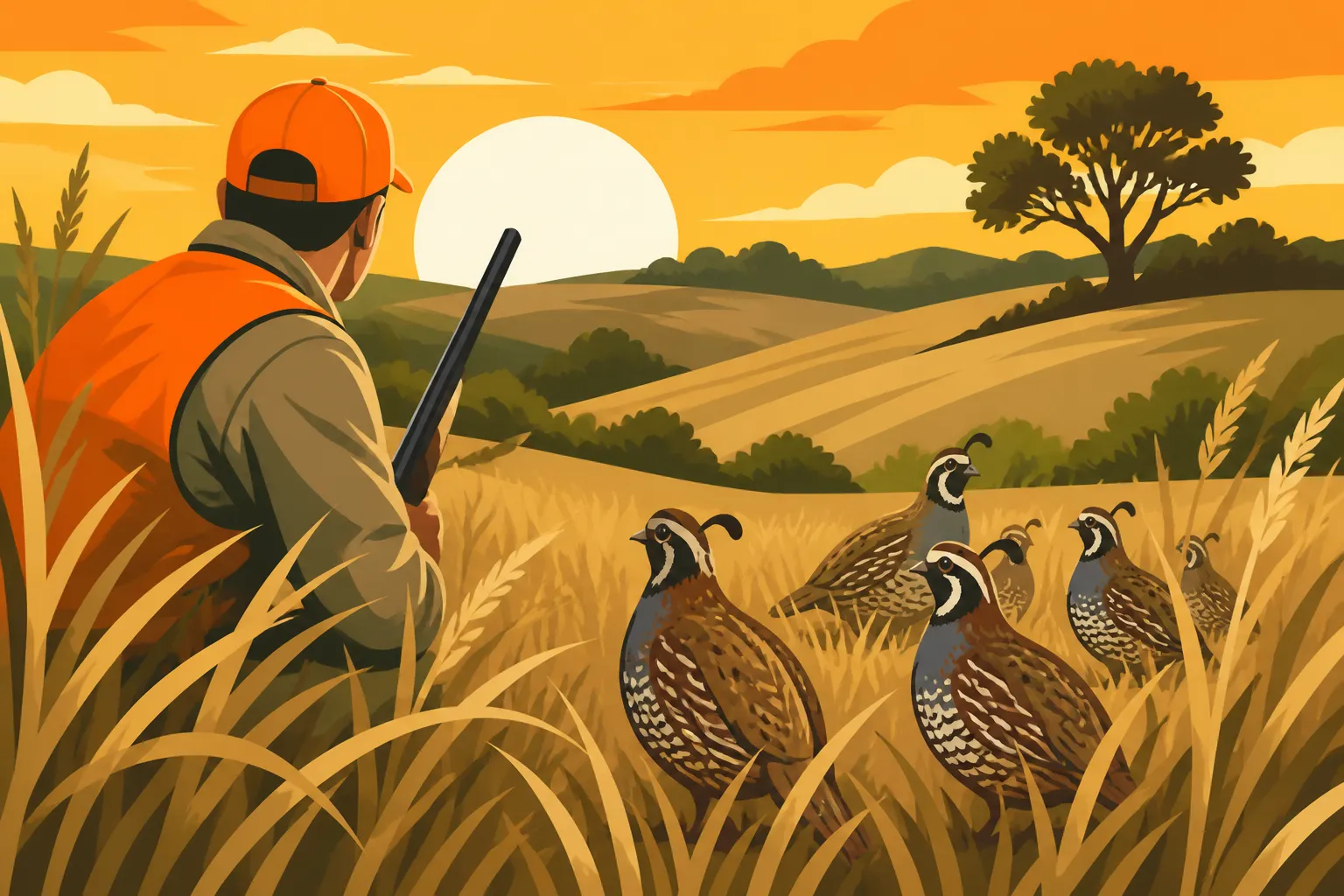
There's nothing quite like the explosive flush of a covey of bobwhite quail, but if you've spent any time chasing them in Iowa, you know how frustrating it can be to actually find those birds. They're masters of disappearing into the landscape, and for hunters not accustomed to their habits, it can feel like you're just wandering aimlessly. This guide aims to pull back the curtain on finding quail coveys in southern Iowa, offering insights into their preferred habitats, the subtle signs they leave behind, and practical strategies to put you on birds.
Understanding Southern Iowa Quail Habitat
Bobwhite quail, while not as numerous as they once were across the entire state, still thrive in specific pockets of southern Iowa. It’s not just about finding any patch of cover; it's about understanding the specific mosaic of habitat elements that these birds absolutely need to survive and flourish. Think of it as a finely tuned ecosystem, where every piece plays a vital role in their daily lives and their long-term survival.
The Ideal Mix of Cover and Food
Quail are creatures of the edge. They absolutely love areas where different types of cover meet, providing immediate access to both protection and sustenance. In southern Iowa, this often translates to a mix of dense, woody cover for escape and loafing, adjacent to areas rich in seeds, insects, and berries. We're talking about places like old farmsteads with overgrown fencelines, plum thickets, multiflora rose patches, and cedar groves. These dense, often thorny tangles offer a nearly impenetrable fortress against predators like coyotes and hawks, as well as a shield from harsh winter winds and heavy snowfalls.
Right next to these escape covers, you'll typically find their preferred feeding grounds. This might be a picked cornfield with ample waste grain, a soybean field, or even a standing patch of milo or sunflowers specifically planted for wildlife. Beyond row crops, look for native warm-season grasses like switchgrass or indiangrass, often found in Conservation Reserve Program (CRP) fields, which offer both excellent cover and a bounty of seeds. You’ll find that CRP Grass and Where Bucks Bed also serves as fantastic habitat for quail, offering both food and escape cover. The key is proximity – a covey isn't going to travel half a mile across open ground just to feed. They need everything they need within a few hundred yards. This blend of thick, thorny cover and accessible food sources isn't just a preference; it's a critical survival mechanism for quail, influencing everything from their daily movements to their overwintering success.
Water Sources and Roosting Sites
While quail don't necessarily need open water like a pond or creek every single day, they do require consistent access to moisture. This often comes in the form of dew on vegetation, especially in the early morning hours, or from succulent plants and insects they consume. However, during dry spells, or even just as part of their daily routine, they will seek out more direct water sources. Look for areas with damp soil, natural seeps, or even low-lying areas that collect rainwater. These tiny, often overlooked water features can be magnets for coveys, especially in the afternoon.
Their roosting habits are another crucial piece of the puzzle. Quail are ground roosting birds, and they do so in a very specific pattern: in a tight circle, tails in, heads out. This formation allows them to conserve heat and provides a 360-degree lookout for predators. For an effective roost, they need low-growing, dense cover that offers concealment from above and insulation from the ground. This often means thick grass, briar patches, or the base of thorny bushes. These roosting sites are almost always located within easy flüsching distance of thicker escape cover. Understanding their need for secure roosting spots can help you narrow down potential areas, especially when you're scouting. If you find an ideal feeding area but no nearby secure roosting or escape cover, the likelihood of finding birds there is significantly reduced. They might visit for food, but they won't live there. Just like deer use specific areas for bedding, such as Cedar and Locust Thickets as Bedding Cover, quail use dense, low cover for their nightly roosts.
Key Indicators of Quail Presence
Finding quail isn't just about knowing what kind of habitat they like; it's about seeing, hearing, and interpreting the subtle clues they leave behind. These birds are small and masters of camouflage, making direct observation challenging. However, with a keen eye and a tuned ear, you can piece together their presence even before you kick them up. It's about becoming a detective in the field, searching for the small details that betray their hiding spots.
Reading the Landscape for Quail Sign
Quail, like all wildlife, leave behind physical evidence of their daily activities. One of the most common and telling signs is a "dust bowl." These are small, saucer-shaped depressions, often no more than a few inches across, where quail have ruffled their feathers in the dirt to clean themselves and rid themselves of parasites. You'll often find these dust bowls in sandy or loose soil areas, typically under protective cover like a brush pile, a low-hanging tree, or within a dense patch of weeds. Multiple dust bowls in one area indicate a well-used loafing or feeding spot.
Beyond dust bowls, keep an eye out for droppings and feathers. Quail droppings are small, often dark, and slightly conical, sometimes with a white cap. While harder to spot individually, a concentration of them near a dust bowl or under a roosting tree can be a strong indicator. Feathers, especially small body feathers, can be shed during preening or during a flush. Finding these signs gives you a clear indication that quail have been active in that immediate vicinity, helping you focus your efforts. These subtle signs are often missed by hurried hunters, but taking the time to truly scout, similar to how you would be Reading an Iowa Timber Draw for Deer Sign, can make all the difference.
Listening for Calls and Flushing Birds
Your ears are arguably one of your most valuable tools when hunting quail. The iconic "bob-white!" whistle is unmistakable and often given by the male as a territorial call or to locate other birds. Listening for this call, especially in the early morning or late afternoon, can directly lead you to a covey. They also have a distinctive "covey up" call, a rising, piping whistle, which they use to gather scattered birds, particularly after a flush or at dusk. Learning to differentiate these calls from other bird vocalizations is key.
Of course, the most exciting sound is the explosive flush itself. When a covey is startled, they burst into the air simultaneously, creating a distinct whirring of wings that can be startlingly loud, especially in the quiet of the Iowa countryside. Pay close attention to the sound and direction of the flush. Even if you don't get a shot, knowing where they went – whether they sailed into a distant timber edge or dropped into a specific brush patch – is vital for planning your next move. Often, a single bird or two might break off from the main covey, and knowing which direction the bulk of the birds went helps you decide whether to pursue the scattered singles or try to relocate the main group.
Effective Strategies for Locating Coveys
Now that we know what quail need and how to spot their signs, let's talk about how to actively find them once you're out in the field. This isn't always a straightforward task; quail are smart, and their chosen cover can be incredibly thick. It requires a systematic approach, patience, and often, the right partner.
Systematic Grid Searching and Dog Work
Walking aimlessly through what looks like good quail cover is a surefire way to get frustrated and tired quickly. A systematic approach is crucial. When hunting a field, whether it's CRP grass or a brushy pasture, it's best to work it in a grid or zig-zag pattern, ensuring you cover every bit of potential cover. If you have multiple hunters, spread out responsibly, maintaining visual contact and clear communication, especially when moving through dense vegetation. The goal is to push through cover, ideally into the wind, as scenting conditions are better for dogs and birds are more likely to flush into the wind.
This is where a good bird dog truly shines. Breeds like English Pointers, German Shorthaired Pointers, or Brittany Spaniels are bred for this exact task. A well-trained dog will quarter ahead of you, working the wind, and when it catches the scent of a covey, it will "point," freezing rigidly to indicate the birds' location. This allows you to walk up, prepare for the flush, and get a shot. If you're Working Pheasant Cover Without a Dog, the methodical grid search becomes even more vital, as you rely purely on visual cues and the element of surprise. Without a dog, you have to be extra vigilant, often walking right through the densest part of the cover where a covey might be holding tight, forcing them to flush.
Focusing on Transition Areas and Edge Cover
Quail are quintessential edge dwellers, constantly moving between different habitat types to meet their needs. This makes transition areas prime real estate for finding coveys. Think about where a picked cornfield suddenly gives way to a dense plum thicket, or where a brushy draw opens up into a strip of tall grass. These are the highways and neighborhoods for quail. They'll feed in the crop field, then quickly retreat into the plum thicket for protection during the day.
When you're hunting, pay particular attention to fencelines, field borders, ditch crossings in row crop country, and the edges where timber meets open ground. These linear features provide excellent travel corridors and immediate access to escape cover. Quail are generally reluctant to venture far into wide-open spaces, preferring to stay within quick flüsching distance of something dense and protective. So, instead of trudging across the middle of a vast field, focus your efforts on the perimeter, working the edges where they offer a mix of food and cover. This strategy leverages their natural behavior to your advantage, significantly increasing your odds of a successful encounter.
Leveraging Technology and Local Knowledge
In today’s world, we have incredible tools at our fingertips that can drastically improve our scouting and hunting success. Combining these modern advantages with timeless, hard-earned local knowledge creates a powerful strategy for consistently finding quail coveys in southern Iowa. Don't underestimate the power of both pixels and personal conversations.
Using Mapping Apps to Pinpoint Hotspots
Gone are the days of relying solely on paper plat books. Modern hunting apps like GoHunt (which offers incredible detail for various states) have revolutionized the way we scout and navigate the outdoors. Before you even set foot in the field, you can pull up satellite imagery and topographical maps of southern Iowa. Look for areas that exhibit the ideal habitat mix: dense timber or brush patches adjacent to agricultural fields (especially those with waste grain or good cover crops), and areas with identifiable water sources or low-lying, damp spots.
These apps allow you to identify potential "honey holes" from your couch, saving you countless hours of walking unproductive ground. You can mark potential roosting cover, feeding areas, and travel corridors. Many apps also offer public land boundaries, allowing you to clearly see where you can legally hunt. This E-Scouting Iowa Farm Country From Home approach is invaluable for narrowing down your search, whether you're looking for new spots or trying to re-evaluate familiar ones. You can even use different map layers to highlight things like CRP enrollments or specific timber types. When you eventually get boots on the ground, having these waypoints already marked will make your scouting much more efficient.
The Value of Local Insights and Scouting
While technology is fantastic, it can never fully replace good old-fashioned local knowledge and diligent scouting. The topography of southern Iowa, with its rolling hills, timbered draws, and patchwork of farm fields, means that quail habitat can be incredibly localized. A farmer who has worked the land for decades will know where the birds typically congregate, which brush piles hold strong coveys, or where they've seen them crossing a specific ditch. Don’t be afraid to strike up conversations with landowners, always respectfully asking for permission to hunt or even just to scout. This can open doors to private land access, which is often crucial for finding undisturbed coveys, and is especially important for Finding Private Land Access in Iowa
Beyond talking to locals, dedicated pre-season scouting on foot is non-negotiable. Walk the edges, check out those transition areas you identified on your map, and look for those tell-tale signs like dust bowls, droppings, and feathers. Pay attention to the subtle changes in vegetation and elevation that might not be obvious from an aerial map. Understand how hunting pressure might impact bird distribution, especially on public lands where Hunting Pressure Patterns on Iowa Public Land. By combining your digital reconnaissance with real-world observation and the wisdom of those who know the land best, you'll develop a much deeper understanding of where to find those elusive bobwhite quail.
| Habitat Feature | Quail Benefit | Examples in Southern Iowa |
|---|---|---|
| Dense Brush/Thickets | Provides critical escape cover from predators (hawks, coyotes) and harsh weather (winter winds, heavy snow). Offers thermal cover. Also provides loafing and roosting sites. | Multiflora rose, plum thickets, cedar groves, blackberry brambles, honeysuckle, overgrown fencelines, brush piles. |
| Tall Grasses (CRP) | Offers excellent nesting cover, brood-rearing cover, and protective travel corridors. Produces a variety of seeds for food. Good winter cover and roosting sites. | Switchgrass, Indiangrass, Big Bluestem, native prairie restorations within Conservation Reserve Program (CRP) tracts. |
| Field Edges (Crop/Food) | Provides reliable food sources throughout the fall and winter (waste grain, seeds). Creates a transition zone between open feeding areas and protective cover. | Edges of cornfields, soybean fields, milo (sorghum) plots, sunflower fields, areas with volunteer wheat or oats. |
| Wooded Draws/Timber Edges | Offers travel corridors, some escape cover, and foraging opportunities for insects and berries. Provides a buffer from open areas. | Brushy creek bottoms, timber fingers extending into fields, areas where mature timber transitions to younger growth. |
| Water Sources | Essential for hydration, especially during dry periods. Can concentrate birds in specific areas. | Dew on vegetation, natural seeps, small puddles, low-lying damp areas, ephemeral streams, pond edges. |
Disclaimer
Hunting involves inherent risks. Always prioritize safety, follow all local and state regulations, and obtain proper licensing before engaging in any hunting activities. The information provided in this guide is for informational purposes only and does not constitute professional advice. Always check the latest Iowa Department of Natural Resources regulations as rules and seasons can change.