Hunting Pressure Patterns on Iowa Public Land
There’s nothing quite as disheartening as the quiet anticipation of a predawn walk into your carefully scouted public land spot, only to arrive and see a string of vehicles already parked where you planned to access, or worse, fresh boot tracks leading right into the timber you were hoping to slip into. Dealing with hunting pressure is an unavoidable reality on Iowa's public hunting lands, and it can feel like a constant battle for space and solitude. This guide will dive deep into understanding these pressure patterns, how to identify them, and most importantly, how to adapt your strategies to find success even when others are seemingly everywhere.
Understanding the Roots of Public Land Pressure
Hunting pressure on public land isn't some random phenomenon; it stems from a few very predictable factors. Knowing these root causes is the first step in learning how to circumvent them and find those elusive pockets of unpressured deer. It's about thinking like other hunters so you can think differently.
Proximity to Roads and Easy Access Points
Let's face it, most folks are looking for the path of least resistance. If a public land parcel has a well-maintained parking lot right off a county road, especially with a clear trail leading into the woods, you can bet that spot sees a ton of traffic. This is a natural human tendency; we want convenience, and after a long week of work, nobody wants to walk miles just to get to their stand. These easily accessible areas, while convenient, are often the first to get saturated with hunters. Deer quickly learn to associate the sound of vehicle doors slamming, human voices, and even the scent trails left by hunters walking in, with danger. They'll abandon these fringes and retreat deeper into cover or move to less disturbed areas. This creates a donut effect, where the outer edges of easily accessed public parcels become virtually devoid of deer during daylight hours, forcing the animals into the core or onto adjacent private properties.
Consider the layout of many Iowa Wildlife Management Areas (WMAs); they often have clear entry points marked, sometimes even with mowed trails or gravel paths. While these are great for disabled hunters or those with limited mobility, they act as major arteries for pressure. Deer aren't foolish; they pick up on these patterns fast. This is where a hunter needs to start thinking about the long game, even if it means a longer, tougher walk. Understanding the nuances of Access Routes That Do Not Bump Deer is critical to avoiding these highly trafficked lanes.
Popularity of Specific Wildlife Management Areas (WMAs)
Some public land spots in Iowa just have a reputation, don't they? Maybe a giant buck was taken off a particular WMA a few years back, or a local news story highlighted a successful turkey season in another. Word gets around, and suddenly, these areas become magnets for hunters from all over the state, and sometimes beyond. This popularity can create intense pressure, especially during peak seasons. Larger WMAs, those with diverse habitat, or those known for producing big bucks or a good pheasant population often draw significantly more attention.
For example, areas like Stephens State Forest or Yellow River State Forest, being larger timber blocks, are known for their deer and turkey populations, leading to consistent hunting pressure, especially on weekends. It's not just about the quality of the hunting, but the perception of quality. Hunters, myself included, are often drawn to places we've heard good things about, hoping to replicate someone else's success. But what often happens is that the sheer volume of hunters chasing that same dream creates a self-fulfilling prophecy of pressure, making the hunting tougher for everyone. This is why knowing Iowa Wildlife Management Area Acres and their general reputation can inform your scouting strategy.
Weekends Versus Weekdays and Seasonal Peaks
The rhythm of hunting pressure is deeply tied to the calendar. Weekends are always going to be more crowded on public land, plain and simple. Most hunters have traditional work schedules, so Saturday and Sunday are their primary opportunities to get out. You’ll see parking lots fill up, more ATVs, and a general increase in human activity. This goes double for holidays like Thanksgiving weekend, when families are off work and many take to the woods.
Beyond the weekly cycle, hunting pressure also fluctuates dramatically with the seasons. Early archery season in September might see moderate pressure, mostly dedicated bowhunters. But as October rolls into November, especially during the peak of the rut, the pressure ratchets up significantly. Then comes the shotgun seasons, which are arguably the most intense periods of hunter density on public ground in Iowa. Suddenly, areas that were relatively quiet are swarming with blaze orange. Post-shotgun, late muzzleloader and January antlerless seasons see a drop-off, but those hardcore hunters still out there are often targeting the last remaining food sources, concentrating pressure in those areas. Understanding Weekday Versus Weekend Public Land dynamics is crucial for planning your hunts.
Identifying Pressure Patterns Through the Season
Recognizing how hunting pressure manifests throughout the year is key to adapting your approach. Deer behavior shifts dramatically in response to human presence, and if you can predict those shifts, you can often stay one step ahead.
Early Season Crowds and Their Impact
When archery season opens in Iowa, there's an undeniable buzz. Everyone is eager to get back in the stand, and the early season often sees a flurry of activity, particularly during the first few weekends. Hunters are excited, and many are targeting familiar spots they've scouted. This typically means that areas near parking lots, easily accessible timber edges, and obvious food sources close to cover will get hit hard. What you often see is deer, especially mature bucks, becoming largely nocturnal in these pressured areas almost immediately.
The impact isn't just about deer moving at night. They'll also change their bedding locations, often retreating to the thickest, nastiest cover they can find – think dense cedar thickets, multiflora rose patches, or deep river bottoms that are a pain to walk through. They might even move to adjacent private lands if the pressure on public ground becomes too intense. For the early season public land hunter, this means your initial scouting spots might be productive for a day or two, but deer quickly educate themselves. You'll need to be ready to adjust, either by moving deeper or finding overlooked pockets. A good mapping tool like GoHunt can help you identify these lesser-known, harder-to-reach areas right from your couch during E-Scouting Iowa Farm Country From Home.
The Rut Frenzy and Increased Activity
Ah, the rut. It's the time of year every deer hunter dreams of, and for good reason! Bucks are on their feet, chasing does, and seemingly throwing caution to the wind. This natural behavior, however, also means a dramatic increase in hunter activity. Everyone wants to be in the woods when the bucks are cruising. Public lands, especially those with good buck-to-doe ratios, become hotbeds of activity. You'll see more trucks, more hunters still-hunting, rattling, and grunting. The woods, which might have been relatively quiet in mid-October, suddenly feel alive with human presence.
While bucks are less cautious during the rut due to their biological drive, they aren't completely stupid. They'll still seek out sanctuaries, using thick cover, uninviting terrain, or overlooked travel corridors between bedding and cruising zones. The pressure during the rut might make them move more during the middle of the day in these unpressured spots, but it can also push them to tighter windows of movement or to areas that offer greater security. Hunters who understand Iowa Whitetail Hunting Tactics Through the Rut on public land will often focus on saddles, pinch points, and thick draws that allow bucks to move without feeling exposed, rather than sitting on wide-open field edges.
Late Season Shifts and Food Focus
As shotgun seasons pass and the temperatures drop, the hunting landscape in Iowa changes again. Many hunters have filled their tags or hung up their gear for the year. This means a significant decrease in overall hunter numbers, but the pressure that remains becomes highly concentrated. Why? Because winter has set in, and the primary driver for deer movement is now overwhelmingly food. Standing corn, picked bean fields with residual grain, or late-season food plots become critical.
This concentration of deer around dwindling food sources leads to a similar concentration of hunters. Public land parcels with accessible food or those bordering private agricultural fields will see focused pressure. Deer will often bed very close to these food sources, but they'll use the thickest cover available, often only moving out to feed under the cover of darkness or during brief periods of low light. If you're targeting these late-season deer, you'll need to scout diligently for exactly where they are bedding and how they are accessing the food, typically trying to find the path of least resistance for the deer, not for you. This is also a great time to implement tactics for Late-Season Food Source Hunting in Iowa on public land.
| Season/Timeframe | Typical Pressure Level | Deer Behavior Response | Hunter Strategy |
|---|---|---|---|
| Early Archery (Sept) | Moderate to High (Weekends) | Nocturnal, seek thick cover, move to private | Hunt deep, focus on overlooked edges, adjust quickly |
| Pre-Rut (Oct) | Moderate | Shift to thicker bedding, use security cover | Focus on transition areas, e-scout remote spots |
| Peak Rut (Early Nov) | Very High | Use dense travel corridors, move in security | Hunt all day, focus on pinch points, saddles |
| Shotgun Seasons (Dec) | Extremely High | Heavily nocturnal, bed in nastiest cover, evade drives | Find sanctuary areas, hunt after hours/days |
| Late Muzzleloader/Jan | Low to Moderate (Focused) | Concentrated around best food/bedding | Target thickest cover near food, hunt cold fronts |
| Mid-Week | Lower | More daytime movement, slightly less wary | Capitalize on quieter periods, hunt deeper |
| Opening Day/Weekends | Highest | Minimal daytime movement in exposed areas | Deep timber, overlooked small parcels, adjacent cover |
Strategies to Combat Hunting Pressure
Understanding pressure is one thing; developing actionable strategies to deal with it is another. It requires a blend of physical effort, strategic thinking, and sometimes, a little bit of contrarian behavior.
Hunting Mid-Week and Off-Peak Hours
This might seem like a no-brainer, but it's often the most effective way to avoid crowds: hunt when other people can't. If your schedule allows, taking a weekday off can drastically change your public land experience. Parking lots will be emptier, and the woods will be significantly quieter. Deer on these heavily pressured tracts often become more relaxed and resume more natural daytime patterns after a couple of days of reduced human activity.
Similarly, consider hunting during off-peak hours. While dawn and dusk are typically prime times, the middle of the day during the rut, or even a late morning into early afternoon sit when most people are heading out for lunch, can be productive. Many hunters will walk in at first light, sit for a few hours, and then leave. This mid-morning departure can actually push deer around, and if you're already settled in, you might intercept a buck moving to a new bedding area after being bumped. It's about being in the woods when others are not, and being prepared to stay longer than the average hunter. This directly ties into the concept of Hunting Pressure After Opening Weekend and how it can dictate movement.
Deep Access and Overlooked Pockets
This strategy requires more physical effort but often yields the highest rewards. Most hunters won't walk more than a half-mile to a mile from their vehicle. If you're willing to go further, especially through tough terrain like thick brush, creek bottoms, or steep hills, you'll significantly reduce your chances of encountering other hunters. These deep-woods sanctuaries are where deer retreat when pressure builds on the fringes. Look for areas on your map that are furthest from any road or obvious access point.
These "overlooked pockets" aren't always miles in, either. Sometimes it's a small, isolated patch of timber surrounded by fields that hunters drive past, or a narrow creek corridor that seems too insignificant to hold deer. It could be an area that requires wading a shallow stream or crossing a muddy field that deters others. These little islands of cover, especially those with some dense bedding, can be golden. Remember the internal link for Walk-In Only Access on IHAP Ground? These tracts are often designed specifically to offer that deeper, less-pressured experience. The key is to look for obstacles that deter human access but don't impede deer movement.
E-Scouting and Mapping Tools
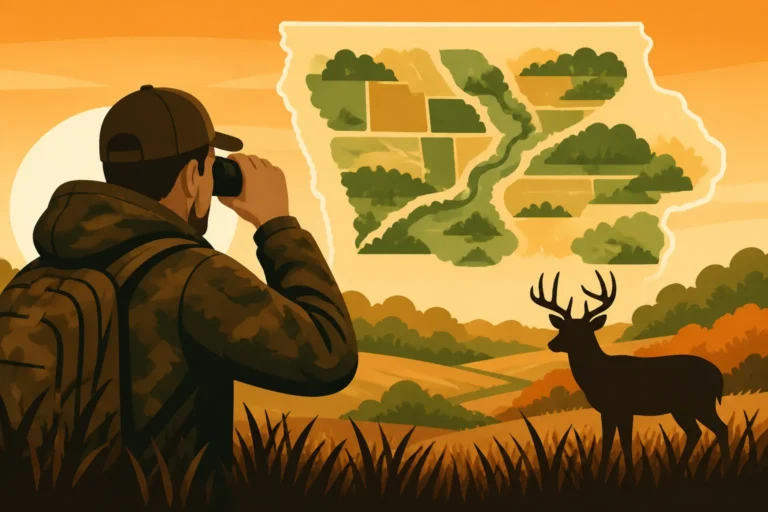
In today's hunting world, mapping apps are indispensable, especially for public land. Tools like onX Hunt or GoHunt (or even the Using the Iowa DNR Hunter Atlas) allow you to meticulously scout potential areas from the comfort of your home. You can identify property lines, locate potential bedding areas, food sources, and crucial travel corridors. More importantly, you can find the hard-to-reach spots. Look for terrain features like steep ravines, winding creek bottoms, or vast expanses of timber that might deter other hunters.
Use different map layers – satellite imagery for habitat, topo maps for elevation changes, and public land boundaries to ensure you're legal. You can mark potential access routes that minimize your impact and avoid known high-traffic zones. Identifying potential stand locations or ground blind spots based on prevailing winds and deer movement patterns before you ever set foot on the ground is a game-changer. This preparation is what allows you to target those less-pressured areas effectively, turning a difficult public land hunt into a strategic success.
Adapting Your Hunting Style to Pressure
Merely knowing where pressure exists isn't enough; you need to adjust how you hunt. Your tactics, equipment, and even your mindset need to shift to effectively pursue deer on public ground.
Mobile Hunting for Flexibility
Fixed stands can be great on private land, but on public land, they can be a liability. The deer patterns change constantly due to pressure, and a stand that was hot last week might be dead this week. This is where mobile hunting really shines. Whether you're using a climbing stand, a hang-on with climbing sticks, or a saddle hunting setup, the ability to quickly move and adapt to changing conditions is paramount.
Mobile hunting allows you to react to fresh sign, unexpected pressure, or shifts in deer movement. If you find a new rub line or scrape activity deep in a forgotten corner, you can set up there that same day. If your planned spot has already been taken by another hunter, you can pivot to a backup location without having to abandon your hunt entirely. This approach also allows you to be nimble, moving with the deer as they adapt to pressure. You're not tied to one spot; you're able to follow the sign and the deer, getting into their comfort zone wherever that may be. Exploring options like Mobile Saddle Hunting in Iowa can dramatically increase your versatility.
Focusing on Sanctuary Areas and Thick Cover
When public land gets hammered, deer don't just disappear; they retreat to the safest places they can find. These are the "sanctuary areas"—patches of thick, nasty cover that most hunters avoid. Think about dense cedar thickets, impenetrable multiflora rose patches, or tangled creek bottoms that are a nightmare to walk through. Deer know these spots offer protection from human intrusion, and they will bed there during daylight hours.
Your job, as a public land hunter, is to identify these sanctuaries and figure out how deer are moving to and from them. This often means hunting the very edges of these thickets, or finding subtle funnels, pinch points, or very narrow travel corridors within or immediately adjacent to them. It's about finding the deer's comfort zone and carefully setting up on their terms. This often means slowing down, moving deliberately, and paying close attention to every detail of the terrain and vegetation. Consider the article Public Land Deer Hunting in Iowa as a cornerstone for finding and exploiting these types of hideouts.
Hunting During and Immediately After Pressure Events
This might sound counterintuitive, but it can be highly effective. During gun seasons, for example, many hunters participate in deer drives. While drives can be loud and push deer out of an area, they also move deer in unpredictable ways. If you can anticipate where deer might be pushed to, you can position yourself for a shot. This often means setting up on the downwind side of a large block of timber where deer might flee, or on an escape route between two properties.
Similarly, after an intense period of pressure—like the opening weekend of shotgun season—deer might be on high alert, but they'll eventually settle back into a pattern. Often, they'll move to areas that haven't been pressured as heavily, or they'll become largely nocturnal. However, cold fronts, sudden weather changes, or the simple need to feed will eventually get them on their feet. Being in the woods during these times, especially in those overlooked sanctuary areas, can pay off. It's about being patient and capitalizing on the deer's natural need to move, even if it's just for a short window.
Reading the Landscape for Unpressured Pockets
The land itself holds the clues to avoiding hunting pressure. Learning to "read" the terrain and habitat, especially with a keen eye for human behavior, can reveal hidden gems.
Identifying Difficult-to-Access Terrain Features
Not all public land is created equal in terms of accessibility. While some areas are flat and open, others are a jumble of steep ravines, dense swamps, or winding creek systems. These difficult-to-traverse features are often your best friend on pressured public land. Most hunters will gravitate toward easier walking, leaving the rough stuff alone. This creates natural sanctuaries for deer.
Use your topo maps or satellite imagery to pinpoint areas with significant elevation changes, large marshy sections, or sections of a creek that are too wide or deep to easily cross. These are the places deer will go when they feel pressured. Your job is to find the easiest way for you to get into these difficult areas, even if it's still a challenging walk. Sometimes, it means parking far away and taking a circuitous route to get around an obstacle. Other times, it means being prepared to get wet or muddy. The less appealing an area looks to the casual hunter, the more likely it is to hold unpressured deer. When you’re Scouting Iowa Timber and River Bottoms, pay extra attention to these gnarly spots.
Remote Food Sources and Bedding Areas
Just as deer seek out thick cover for bedding, they also need food. On public land, easily accessible food plots or field edges bordering roads are often quickly depleted or become too dangerous for deer to visit during daylight. However, deer will still seek out food, even if it's in more remote locations. This could be a forgotten apple tree deep in the timber, a hidden patch of persimmons, or even a small, overgrown food plot planted years ago that still produces some forage.
Similarly, look for bedding areas that are distant from human activity. This could be a thick CRP field that requires a long walk through dense grass, a small island of timber in the middle of a large ag field, or a steep, north-facing slope that gets less sun and holds thicker thermal cover. These remote bedding areas are often connected to remote food sources by subtle travel corridors. By identifying both the remote food and bedding, and then finding the "path of least resistance" for the deer between them, you can set up on a relatively unpressured travel route. This is where Reading an Iowa Timber Draw for Deer Sign becomes invaluable.
Leveraging Overlooked Habitat and Small Pockets
Sometimes, the best public land spots aren't the big, sprawling WMAs, but the small, seemingly insignificant tracts. Think about those tiny patches of timber or CRP (Conservation Reserve Program) land, often just 20-40 acres, that might be surrounded by private farmland. Many hunters overlook these small parcels, assuming they can't hold deer or that the deer just pass through quickly. However, these small pockets can act as critical sanctuaries, especially if they offer thick cover and are adjacent to private food sources.
Deer will often "stage" in these smaller public tracts before moving out to feed on private land, or they'll bed there during the day when pressure is high elsewhere. They're often difficult to access without crossing private land, or they just don't look "sexy" on a map. But if you can find legal access and scout these areas, you might discover that deer use them extensively. This is where a detailed mapping application like GoHunt can really shine, allowing you to zoom in on these smaller, often overlooked parcels that might be connected to larger deer movements. These are often the hidden gems that offer fantastic hunting opportunities without the crowds.
Hunting Public Land During Peak Pressure Times
There will inevitably be times when you have to hunt during periods of high pressure, like opening weekend of shotgun season. It doesn't mean your hunt is doomed; it just means you need to adjust your expectations and refine your tactics.
Strategies for Opening Days
Opening day of any season, especially shotgun season, is chaos on public land. The woods are full of orange, dogs might be running, and the sheer volume of hunters can push deer into hiding. Your best bet isn't to try and out-compete everyone for the "best" spots, but to anticipate where deer will go when they get pressured. This means focusing on those previously discussed sanctuary areas: the thickest, nastiest cover that other hunters won't want to penetrate.
Another effective tactic is to hunt after the initial morning rush. Many hunters are out at first light, but by mid-morning, a significant number have left. This lull can sometimes lead to deer starting to move again. Alternatively, if you know an area is likely to see deer drives, setting up on the predicted escape routes or downwind sides of large timber blocks can pay off. It requires patience and a good understanding of how deer move under duress. Don't be afraid to try hunting a small, overlooked parcel adjacent to a larger WMA that's getting hammered; those deer might be seeking refuge. This is where a solid understanding of Shotgun Season Opening Day Strategy can lead to success.
Holiday Hunting and Mid-Season Lulls
Holidays like Thanksgiving or the week between Christmas and New Year's can be another period of increased pressure, as more people are off work. Again, the strategy leans heavily on finding unpressured pockets and adapting to deer behavior. During these times, focus on deep access, areas with natural obstacles, and overlooked habitat. Deer will be hypersensitive to human presence, so impeccable scent control and silent movement are paramount.
The mid-season lulls, such as the "October lull," can also feel like a period of high pressure even if hunter numbers are lower, simply because deer activity has slowed down. While some consider it a lull, it's often deer reacting to early season pressure and becoming more nocturnal. This is a great time to focus on scouting for fresh sign in overlooked areas, or to implement patient, all-day sits in key travel corridors if the rut is approaching. Don't let the perceived lack of deer movement deter you; instead, see it as an opportunity to hunt smarter and adjust your focus to where the deer should be, rather than where you hope they are.
Post-Gun Season Tactics
Once Iowa's shotgun seasons have concluded, there's often a significant sigh of relief from hunters who prefer quieter woods. While many hunters have tagged out, the deer that remain have been through a gauntlet. They are extremely wary, often nocturnal, and their patterns are heavily dictated by the need for food and thermal cover. The remaining pressure often comes from dedicated late-season muzzleloader hunters and those targeting the Iowa January Antlerless Hunts.
For successful post-gun season hunting, focus intensely on the best available food sources that haven't been picked clean. This might be standing corn left unharvested, leftover beans, or specific browse. Combine this with the thickest, most secure bedding cover available. Deer will often bed surprisingly close to food, but they'll use every bit of cover to get to it. You'll need to scout for fresh tracks in the snow or mud leading to and from these areas. The weather plays a huge role here; a brutal cold front or significant snowfall can force deer to move during daylight hours to feed, creating brief windows of opportunity for the persistent hunter willing to brave the elements. It’s all about finding that critical nexus of food and security.
Disclaimer
Hunting is an inherently dangerous activity. Always prioritize safety, understand and follow all Iowa hunting regulations, and ensure you have the appropriate licenses and tags. Consult the Iowa DNR's official regulations annually, as rules can change. This guide provides general information and recommendations, but individual hunting situations vary.