What Changed With Iowa Zone B
If you're an Iowa deer hunter, or even just thinking about applying for a tag, you might have heard hushed conversations, or maybe even outright confusion, about "Zone B" and what exactly happened to it. For years, this specific designation for antlerless deer tags was a key part of the Iowa hunting landscape, and its changes left many folks scratching their heads. This guide is here to untangle the history, explain the current system, and help you navigate Iowa's antlerless deer hunting opportunities today.
Understanding Iowa's Deer Management Zones Before the Change
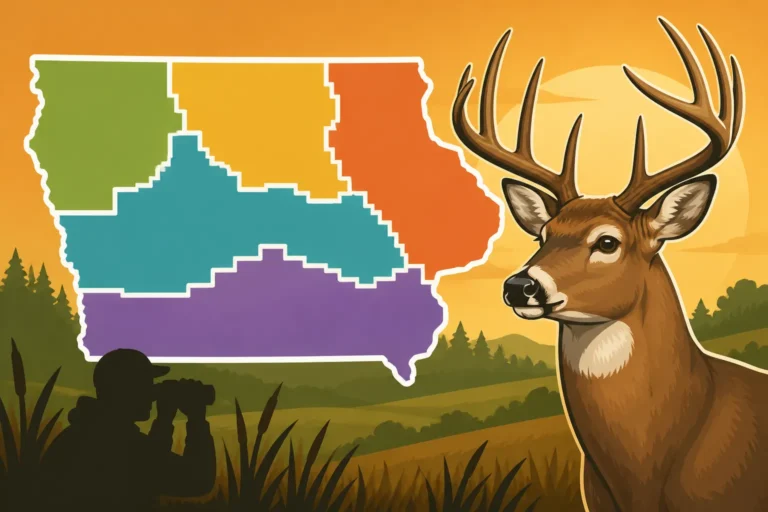
For a long time, the Iowa Department of Natural Resources (DNR) used a system of "zones" to manage deer populations, especially when it came to antlerless tags. These zones were designed to help control deer numbers in specific areas where populations might have been higher, or where agricultural damage was a significant concern. Zone B was one of the more prominent of these.
The Historical Significance of Zone B
Historically, Iowa’s Zone B was a distinct designation that typically encompassed areas around major population centers, urban fringes, and sometimes regions with specific agricultural concerns. The primary purpose of Zone B antlerless tags was to facilitate increased doe harvest in these localized areas. The idea was simple: by offering antlerless tags specifically for Zone B, the DNR could incentivize hunters to reduce deer numbers where they were most problematic, whether that was due to vehicle collisions or crop depredation. It was a targeted approach to deer management, allowing for higher harvest pressure in certain geographical pockets without impacting the broader statewide herd management strategy. For hunters, it often meant an additional opportunity to put venison in the freezer, often closer to home.
However, the rigid boundaries of Zone B, and sometimes the limited access within those areas (being closer to urban development often meant less public land or harder-to-secure private land access), created a unique set of challenges. Hunters often had to juggle multiple zones or try to understand nuanced maps to figure out if they were truly in "Zone B" or not.
Challenges with the Old Zone B Structure
While the intent behind Zone B was sound—to manage localized deer populations effectively—the practical application wasn't always seamless. One of the biggest frustrations for hunters was the lack of clear, consistent boundaries. These zones could sometimes feel arbitrary, and knowing precisely where one ended and another began wasn't always straightforward, especially when using older paper maps or less sophisticated GPS units. Imagine trying to explain to a new hunter where they could legally fill their Zone B tag versus a general county antlerless tag; it could be a real headache.
Another challenge arose from the dynamic nature of deer populations and land use. As urban areas expanded and agricultural practices evolved, a fixed Zone B might not have always aligned perfectly with the areas truly needing more intensive antlerless harvest. Some hunters felt that opportunities were too limited, or that the tags didn't really solve the problem in the right places. The system, while functional, occasionally felt like a broad brush stroke attempting to manage a nuanced, ever-changing picture of deer distribution and density. This growing complexity and occasional inefficiency ultimately led the Iowa DNR to reassess and reform its approach to antlerless tag allocation, pushing for a more flexible and responsive system.
The Core of the Change: What Happened to Zone B?
The biggest news, and often the source of confusion for many hunters, is that the specific "Zone B" designation, as a geographical area for antlerless tags, has largely been phased out. It didn't just disappear overnight, but rather it was integrated and superseded by a more granular system designed to give the DNR finer control over deer populations.
Elimination of the Specific Zone B Designation
The critical change is this: there is no longer a distinct "Zone B" that hunters apply for or refer to when discussing antlerless tags in Iowa. This specific zoning system was gradually eliminated by the Iowa DNR in a move towards a more precise and flexible management strategy. The shift really crystallized around 2017-2018 for nonresidents, with residents eventually seeing a full integration into the new system. The "why" behind this was multi-faceted. The DNR recognized that deer populations and land use vary wildly across Iowa's 99 counties. A broad, one-size-fits-all zone, even one covering multiple counties or parts of counties, simply wasn't as effective as it could be.
Instead of a handful of large zones, the DNR moved to a system where antlerless deer tags are now allocated on a county-by-county basis. This allows wildlife biologists to set specific harvest goals for each county based on localized data, including population estimates, habitat availability, crop damage reports, and vehicle collisions. It’s a more data-driven and responsive approach, aimed at maintaining healthy deer populations while addressing specific issues at the local level. So, while the name Zone B is gone, the concept of targeted antlerless harvest is very much alive, just applied with far more surgical precision. This also means hunters need to be more informed about individual county quotas rather than just looking for a general zone.
The Shift to County-Specific Antlerless Quotas
With the elimination of the broad Zone B, Iowa transitioned to a system of county-specific antlerless quotas. This means that instead of a generalized tag for a large "zone," hunters now purchase antlerless-only deer licenses for a specific county. This might sound like a small change, but it represents a fundamental shift in how Iowa manages its deer herd and how hunters engage with the system. Each of Iowa's 99 counties now has a predetermined number of antlerless tags available each season, reflecting the local deer population dynamics and management objectives.
The benefits of this more localized approach are substantial. For the DNR, it allows for incredibly precise management. If one county is experiencing high deer numbers and increased crop damage, they can issue more antlerless tags for that specific county without impacting a neighboring county where populations might be stable or even lower. This fine-tuned control ensures that management efforts are concentrated where they're most needed, leading to healthier deer populations overall and better relationships with landowners and farmers. For hunters, while it requires a bit more research to know which counties have tags available, it also means that the tags you buy are directly contributing to local herd management, and often provide better opportunities where deer are abundant. It's a system built on local conditions, offering a more responsive and effective way to manage Iowa’s impressive deer herd.
Navigating the New Iowa Antlerless Tag System
Understanding that Zone B is gone is one thing; figuring out how to actually get an antlerless tag now is another. The current system, while more nuanced, offers great opportunities for hunters willing to do a little homework.
How to Acquire Antlerless Tags Now
The process for acquiring antlerless tags in Iowa today is directly tied to individual county quotas. No more Zone B, just specific county tags. First and foremost, you'll need to stay informed about the current year's regulations and quota numbers. The Iowa DNR website is your official source for this information, typically updated annually. They will list the number of antlerless tags available for each county, often broken down by season (archery, shotgun, muzzleloader, etc.).
When it's time to apply or purchase, you'll generally do so through the Go Outdoors Iowa online licensing system. This is where you select the specific county you wish to hunt and the season for which you're purchasing the tag. It's crucial to remember that these tags are often available on a first-come, first-served basis once they go on sale, and popular counties can sell out quickly. Therefore, it's wise to plan ahead, know which counties you intend to hunt, and be ready to purchase your tags as soon as they become available. Utilizing mapping and planning tools, like those offered by GoHunt, can be incredibly beneficial in identifying potential counties to hunt and keeping track of application dates. Knowing the window to purchase these tags can make all the difference, as some of the best opportunities are snatched up early.
Impact on Hunting Strategy and Opportunity
The shift from Zone B to county-specific antlerless tags definitely changes how hunters approach their season. For residents, it means more flexibility to hunt antlerless deer close to home or in specific counties where they have access to private land or good public ground. Instead of a blanket zone, you can now pinpoint counties known for robust deer populations or even those that might have higher quotas due to management needs. This allows for a more tailored hunting experience, whether you're focused on filling the freezer or simply extending your time in the woods.
Nonresident hunters also see a change, though their primary focus remains on drawing an any-deer tag first. Once that's secured, they can then look to add county-specific antlerless tags to increase their opportunities. This makes research even more vital. Understanding Iowa County Antlerless Quotas by checking the DNR website or using mapping tools like those from GoHunt becomes essential for maximizing your chances. While some argue that it adds a layer of complexity, many hunters find the targeted approach more rewarding. It forces you to delve deeper into local deer movements, available habitat, and specific county regulations, ultimately leading to a more informed and potentially more successful hunt.
Understanding Antlerless Tag Availability and Sales
One of the most important aspects of the current county-specific system is understanding the availability and sales cycles of antlerless tags. Unlike "any-sex" deer tags, which are often subject to a draw for nonresidents or come in specific season packages for residents, antlerless tags are typically sold over the counter once they become available. However, "available" doesn't mean "always available." Each county has a finite number of tags, and once that quota is met, no more tags will be sold for that county for that season.
This means you need to be strategic and timely. Tags for popular counties, especially those with good public land access or known for high deer numbers, can sell out very quickly after they are released. It’s not uncommon for hunters to mark their calendars and be ready to purchase online the moment sales open. For instance, a county with a particularly high quota might still have tags available later into the season, while a smaller county with limited opportunities could be tapped out within days. This dynamic also plays into late-season hunting; often, if a county still has tags, these can be prime opportunities during the Iowa January Antlerless Hunts when deer are focused on food sources. Checking the Iowa DNR's website for real-time tag availability is crucial, as is understanding the specific release dates for different tag types and seasons.
| Feature | Old Zone B System | New County-Specific System |
|---|---|---|
| Antlerless Tags | Issued for a designated "Zone B" area | Issued for individual, specific counties |
| Geographic Scope | Broad zones covering multiple areas | Granular, county-by-county allocation |
| Management Precision | Broader, regional approach | Highly precise, localized population control |
| Hunter Research | Understanding zone boundaries | Researching individual county quotas & availability |
| Flexibility | Limited to defined zone areas | Greater flexibility to target specific counties |
| Sales | Typically first-come, first-served within zone | First-come, first-served per county, can sell out |
Broader Implications for Iowa Deer Hunting
The evolution from a Zone B system to county-specific antlerless tags is more than just a bureaucratic change; it reflects a broader, more sophisticated approach to deer management in Iowa. This shift has implications for everyone, from seasoned veterans to new hunters looking to understand how to make the most of their time in the field.
Overall Goal of Iowa's Deer Management
At its heart, Iowa's deer management strategy is a delicate balancing act. The DNR strives to maintain a healthy, robust deer herd that offers excellent hunting opportunities while simultaneously mitigating issues like agricultural crop damage and vehicle collisions. The transition away from the rigid Zone B structure to a flexible, county-specific quota system is a testament to this overarching goal. By allowing for fine-tuned control over antlerless harvest in each county, wildlife biologists can react more quickly and precisely to local conditions. If a specific county reports an increase in deer-vehicle accidents or significant crop losses, the DNR can adjust the antlerless tag quota for that county to encourage a higher harvest.
Conversely, if deer numbers are stable or slightly declining in another area, they can reduce the quota to allow the population to recover. This adaptive management approach ensures that the deer herd remains viable and healthy across the state, providing sustainable hunting opportunities for years to come. It’s about leveraging local data to make the best decisions for the deer, the land, and the people of Iowa. This holistic view is crucial to understanding why changes like the elimination of Zone B happen, and how they contribute to the long-term health of our wildlife resources.
How This Affects Nonresident Hunters
For nonresident hunters, Iowa is often seen as a bucket-list destination, primarily for its trophy whitetail potential. The shift from Zone B to county-specific antlerless tags primarily affects how they plan for additional opportunities beyond their coveted "any-deer" tag. Nonresidents still have to navigate the often competitive Iowa Nonresident Deer Draw Explained process to secure their primary tag, which is usually valid for an any-sex deer. Once that hurdle is cleared, however, the new antlerless system offers ways to extend their hunt or fill a second tag.
The key for nonresidents is detailed research. They need to understand not only the draw odds for their desired zone and season but also which counties within those zones offer antlerless tags. Tools like GoHunt become invaluable for cross-referencing public land access, local deer densities, and current antlerless tag availability. A nonresident might plan their trip around a specific county that consistently offers late-season antlerless tags, knowing they can maximize their chances of taking home venison after their primary buck hunt. This approach also allows for better planning regarding Iowa nonresident deer licence and tag costs, ensuring every dollar spent aligns with available opportunities. Ultimately, while the initial draw remains the biggest challenge, the county-specific antlerless system provides a clearer path for nonresidents to add to their harvest, provided they do their homework.
Resources for Staying Up-to-Date
In the constantly evolving world of hunting regulations, staying informed is paramount. With the changes to Iowa's antlerless tag system, relying on outdated information can quickly lead to frustration or even legal issues. The single most important resource is the official Iowa Department of Natural Resources (DNR) website. They publish the annual hunting regulations booklet, which details all seasons, tag quotas, and any changes from the previous year. Always download or request the most current version. Remember, the Iowa Regulation Booklet Release Date usually occurs sometime in the spring or early summer, well before the fall hunting seasons kick off.
Beyond the official channels, numerous online platforms and forums dedicated to Iowa hunting can provide insights and discussions. However, always cross-reference information with the DNR's official rules. Additionally, modern hunting apps and services, such as GoHunt, offer fantastic tools for mapping public lands, overlaying property boundaries, and sometimes even providing real-time updates on tag availability or draw odds. These digital resources can be incredibly helpful for planning your hunt, whether you're e-scouting new areas or trying to find public access in Iowa. By proactively using these resources, you ensure that you're always operating with the most accurate and up-to-date information, making your Iowa hunting experience smoother and more successful.
Disclaimer
Please note that hunting regulations, quotas, and season dates are subject to change by the Iowa Department of Natural Resources. Always consult the official Iowa DNR website and the most current hunting regulations booklet before planning or engaging in any hunting activities. This article is intended for informational purposes only and does not constitute legal advice or an official interpretation of hunting laws.