Iowa Nonresident Deer Draw Explained
For many nonresident deer hunters, the dream of chasing a giant Iowa whitetail is almost an obsession, but the process of actually getting a tag can feel like navigating a complex maze with high stakes. The truth is, drawing an Iowa nonresident deer license is incredibly competitive, and understanding the nuances of the application system, preference points, and quotas is absolutely critical to avoid frustration and maximize your chances. This guide will meticulously break down everything you need to know about the Iowa nonresident deer draw, helping you craft a winning strategy for your next hunt.
Understanding Iowa's Appeal to Nonresident Hunters
Iowa holds a legendary status among deer hunters, and for good reason. Its reputation for producing massive whitetails is well-earned, drawing hunters from across the nation despite the notoriously challenging draw odds.
Why Iowa is a Premier Deer Hunting Destination
Iowa's fertile agricultural landscape, combined with sound deer management practices, creates an ideal environment for whitetails to not only survive but thrive and reach impressive maturity. The state boasts an incredible combination of rich food sources—think endless acres of corn and soybeans—and diverse cover, from dense timber blocks along river bottoms to sprawling CRP (Conservation Reserve Program) fields. This nutritional abundance means deer can pack on weight and grow impressive antlers year after year.
What truly sets Iowa apart is its consistent production of trophy-class bucks. Hunters regularly harvest Boone and Crockett caliber deer, leading to a vibrant hunting culture focused on quality animals. The state's unique balance of private land hunting opportunities and accessible public land areas also contributes to its appeal, offering diverse challenges and rewards for those who put in the effort. If you've ever dreamt of hanging a true giant on your wall, Iowa is one of the top destinations in the country to make that dream a reality.
The Challenge of Limited Nonresident Opportunity
However, this incredible potential comes with a significant hurdle: limited nonresident hunting opportunities. Iowa prioritizes its resident hunters, and rightfully so, by severely restricting the number of deer tags available to those coming from out of state. The demand far outstrips the supply, creating a highly competitive draw system that can be disheartening for first-time applicants.
This scarcity means that simply applying isn't enough; you need a strategic approach. Many nonresident hunters find themselves accumulating preference points for years before they even have a realistic chance of drawing a coveted "any-deer" tag. It's a testament to the quality of hunting that so many are willing to play the long game, but it underscores the importance of understanding the rules and planning far in advance. Without a solid understanding of the draw, you could easily waste your application fees and never get close to that Iowa hunt you're dreaming of.
The Iowa Nonresident Deer Draw Application Process
Navigating the application process for an Iowa nonresident deer license is the first, and perhaps most critical, step. It's not just about filling out a form; it's about understanding the timing, the platform, and the choices you make.
Key Dates and Application Window
Mark your calendars, because timing is absolutely everything when it comes to applying for an Iowa nonresident deer tag. Unlike some states with year-round applications or multiple draw periods, Iowa has a very specific, relatively narrow application window, typically from early May through early June. Missing this window means you're out of luck for the entire year, and you'll have to wait until the following spring.
It’s crucial to pay close attention to the exact opening and closing dates published by the Iowa Department of Natural Resources (DNR) each year, as they can shift slightly. Historically, the application period often begins around the first week of May and concludes in the first week of June. Don't procrastinate; while it might seem like a month is plenty of time, unforeseen technical issues or busy schedules can cause you to miss the deadline. Submitting your application well within this window ensures you're included in the draw.
Navigating the Go Outdoors Iowa System
All applications for Iowa hunting and fishing licenses, including the nonresident deer draw, are handled exclusively through the Iowa DNR's online portal, Go Outdoors Iowa. This system is designed to streamline the process, but like any online platform, it requires a bit of familiarity. If you’re a new user, you’ll need to create an account, which typically involves providing personal information, setting up a username and password, and linking your profile to past hunting history if applicable.
Once logged in, you'll find the section for nonresident deer license applications. The system guides you through the steps, prompting you for choices like your preferred hunting zone and weapon season. It’s generally user-friendly, but take your time to double-check all entries. Many hunters use resources like GoHunt to research potential draw odds and make informed decisions within the Go Outdoors Iowa system. Ensure all your personal details, including your address and contact information, are up-to-date, as this is how the DNR will communicate draw results and send physical tags if you're successful.
Choosing Your Deer Zone and Weapon Choice
This is where the real strategy begins. When you apply through Go Outdoors Iowa, you’ll be asked to select a specific deer hunting zone and a weapon season. Iowa is divided into several zones, primarily designed to manage deer populations and distribute hunting pressure. Historically, these zones have been either "Any-Deer" zones where you can take a buck or a doe, or "Antlerless-Only" zones aimed at population reduction. Nonresident tags are typically for the "Any-Deer" zones, which are the most sought after.
Your weapon choice is equally important. The most common options are archery, early muzzleloader, first shotgun, and second shotgun. Each of these seasons has different draw odds, and selecting a less popular season or zone can sometimes slightly increase your chances, though "slightly" is the operative word here for nonresidents. Researching the historical draw odds by zone is critical; a specific county might have phenomenal habitat, but if its draw odds are abysmal, you might need to adjust your expectations. This strategic decision-making directly impacts your long-term success in the draw.
Iowa's Preference Point System Demystified
The Iowa preference point system is the backbone of the nonresident deer draw, and understanding how it works is absolutely essential for anyone hoping to hunt the state. It's designed to reward consistent applicants, but it also creates a significant barrier for newcomers.
How Preference Points Are Earned and Used
For nonresidents, preference points are the currency of the Iowa deer draw. You earn one preference point each year you apply for an "any-deer" license but are unsuccessful in drawing a tag. There's also an option to purchase a preference point without applying for a tag, which is a popular strategy for hunters who aren't ready to hunt in a given year but want to continue building points. This ensures they don't lose ground in the competitive draw.
When you apply in a subsequent year, your accumulated preference points are added to your application. The draw essentially works by prioritizing applicants with the most points. If multiple applicants have the same number of points, a random drawing occurs among that group. Once you successfully draw an "any-deer" tag, all your accumulated preference points are reset to zero. This "use-it-or-lose-it" system means that once you draw, you're back to square one, which is why planning when to cash in your points is a significant decision. You can learn more about this by reading our guide on What Resets Your Iowa Preference Points.
Understanding Point Creep and Draw Odds
"Point creep" is a term every nonresident Iowa deer hunter eventually learns, and it's perhaps the most frustrating aspect of the draw system. It refers to the phenomenon where the minimum number of preference points required to draw a tag in a given zone and season gradually increases year after year. This happens because more and more hunters are accumulating points, meaning the pool of high-point applicants keeps growing, pushing the "cutoff" point higher and higher.
For example, a zone that might have required 3 points five years ago might now require 5 or 6 points. This constant upward creep means that even if you're consistently applying, your chances of drawing don't necessarily improve at the same rate; you're simply keeping pace with the rising bar. Analyzing historical draw odds and understanding point creep is crucial for setting realistic expectations and planning your application strategy. Websites and services like GoHunt offer detailed historical data, showing average points drawn in different zones and seasons, which can be invaluable. This data is key for determining How Many Points to Draw Iowa in your desired zone and season.
Strategizing for Point Accumulation
Given the reality of point creep, a clear strategy for point accumulation is essential. For most nonresidents, the journey to an Iowa tag is a multi-year commitment. The simplest strategy is to consistently apply each year, even if you’re purchasing a point without applying for a tag, to ensure you don’t fall behind. The goal is to amass enough points to confidently draw in your desired zone and season, rather than hoping for a lucky draw with fewer points.
Some hunters choose to apply for the most difficult-to-draw zones or seasons from the start, knowing it will take many years, but hoping for a premium tag. Others opt for "easier" zones or seasons (which are still highly competitive) that might require fewer points, aiming for an earlier draw. It’s a balance between patience and opportunity. For instance, some might choose to build points for a premier archery tag, while others might focus on an earlier shotgun season if the point requirement is slightly lower. Your personal hunting goals and patience will dictate the best approach.
Nonresident Quotas and Draw Mechanics
Beyond preference points, the sheer number of nonresident tags available plays a huge role in the difficulty of drawing. Iowa’s system is designed to carefully control how many out-of-state hunters are in the field.
The Statewide Nonresident Quota
Iowa maintains a strict statewide quota for nonresident deer tags, meaning only a finite number of "any-deer" licenses are issued each year to hunters from outside the state. This quota is significantly smaller than the resident allocation, reflecting the state's priority for its own citizens. While the exact numbers can vary slightly from year to year based on population management goals, the overall cap remains relatively low.
This limited quota means that regardless of how many points you have, there's always a bottleneck. The DNR aims to balance hunting pressure, harvest numbers, and recreational opportunities, and keeping the nonresident quota tight is a key part of that strategy. Understanding that you are competing against thousands of other hopeful hunters for a comparatively small number of available tags helps put the difficulty of the draw into perspective. We detail How Many Nonresident Any-Deer Tags Iowa Issues in a related post, which further illustrates the limited opportunity.
How Tags Are Allocated by Zone and Season
The statewide nonresident quota isn't just a lump sum; it's further broken down and allocated across the various hunting zones and weapon seasons. This granular allocation is critical because it means draw odds can vary significantly depending on where and when you want to hunt. Some zones, particularly those with a reputation for producing monster bucks, will see far more applications and thus have much tougher draw odds. Similarly, certain weapon seasons, like early archery or the first shotgun season, might be more popular.
The DNR uses a complex formula to distribute these tags, taking into account historical harvest data, localized deer populations, and hunter demand. For example, a zone with a lower deer density or less desirable habitat might have slightly better draw odds simply because fewer hunters apply for it. This allocation system encourages hunters to research specific zone and season data rather than just applying blindly. Your choice of zone and season isn't just about your preference; it's about playing the odds effectively within the established quotas.
Understanding the Random Draw for Point Ties
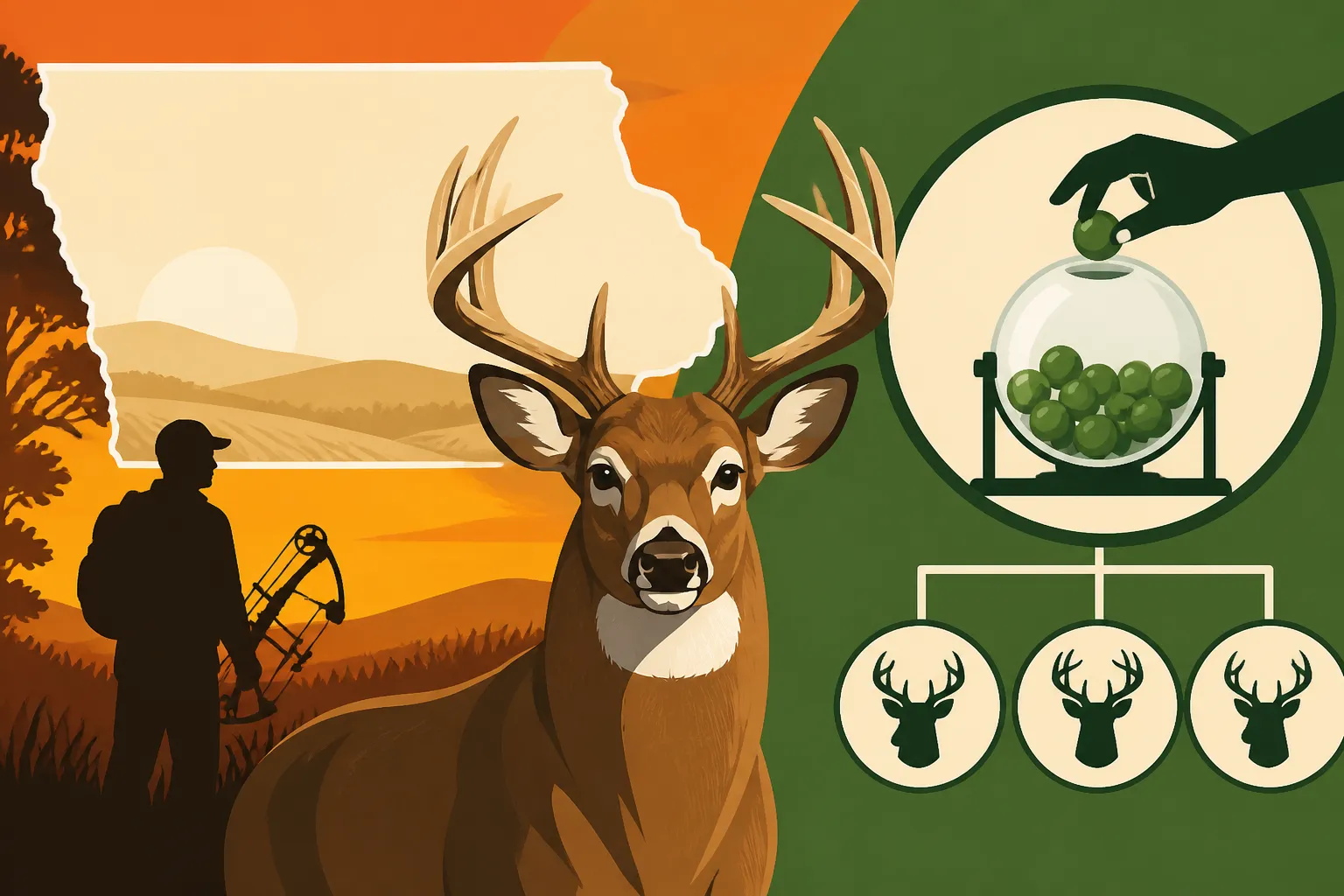
While preference points are paramount, a random draw still plays a crucial role for many applicants. This comes into play when multiple applicants have the exact same number of preference points for a given zone and season, and there aren't enough tags left for everyone in that point pool. In such scenarios, the Iowa DNR employs a random drawing to determine who receives the remaining tags among those tied in points.
This means that even if you have enough points to be in the top tier, there's still a small element of luck involved if you're part of a large group of hunters with the same point total. This random draw is fair, ensuring that no single applicant is favored over another when all else is equal. It's a reminder that while you can accumulate points and strategize, the ultimate outcome often comes down to a roll of the dice in those tie-breaker situations. This system is part of what makes the Iowa draw so nail-biting, even for seasoned applicants.
| Iowa Nonresident Deer Licence Costs (Approximate) | |
|---|---|
| Item | Estimated Cost |
| Base Hunting Licence | ~$145.00 |
| Habitat Fee | ~$15.00 |
| Nonresident Any-Deer Tag (Archery/Gun) | ~$600.00 – $650.00 |
| Preference Point (if not applying for tag) | ~$60.00 |
| Total Cost (successful draw) | ~$760.00 – $810.00 (plus antlerless) |
| Antlerless-Only Tag (if available/desired) | ~$120.00 |
Note: These are approximate costs and can change. Always check the official Iowa DNR website for the most current fees.
Licence and Tag Costs for Nonresidents
Beyond the difficulty of drawing, the financial investment for a nonresident Iowa deer hunt is substantial. It's important to budget carefully and understand exactly what you're paying for.
Breaking Down the Base Licence and Habitat Fee
Before you can even consider an "any-deer" tag, every nonresident hunter in Iowa must purchase a general nonresident hunting license and a habitat fee. These are essentially the entry tickets to hunt any game species in the state, and they apply even if you're only targeting deer. The nonresident hunting license itself typically costs well over a hundred dollars, and the habitat fee is an additional, smaller charge that supports critical wildlife habitat conservation efforts across Iowa.
These fees are non-refundable, even if you are unsuccessful in the deer draw. This means you're out a significant sum of money each year just to participate in the draw, which adds to the pressure of the application process. It’s part of the upfront investment that every nonresident hunter accepts when pursuing an Iowa deer tag, and it's important to factor these costs into your overall hunting budget. Details on these fees can be found in our guide on Iowa Nonresident Base Licence Price and The Iowa Habitat Fee Explained.
The Cost of the Nonresident Any-Deer Tag
If you're one of the fortunate few to successfully draw an "any-deer" tag, be prepared for another significant expense. The nonresident "any-deer" tag itself, which allows you to harvest either a buck or a doe in your chosen zone and season, is considerably more expensive than a resident tag. This tag typically costs several hundred dollars, often in the $600-$650 range, reflecting the high demand and the premium placed on Iowa's deer hunting opportunities.
This cost is charged only if you are successful in the draw. However, when you apply, you usually authorize the DNR to charge your credit card for the full amount if you are successful. This ensures they can process all successful applications efficiently. Combining this tag cost with the mandatory base license and habitat fee means that a successful nonresident Iowa deer tag can easily run you $750-$800, before you even consider travel, lodging, or gear. It’s a serious investment, but for many, the chance at a trophy Iowa whitetail is worth every penny.
Exploring Antlerless Tag Options and Costs
In addition to the highly coveted "any-deer" tag, Iowa also offers nonresident antlerless-only tags in certain zones and seasons. These tags are exclusively for harvesting does and are designed to help the state manage its deer population. While they are generally easier to draw or even purchase over-the-counter in some areas after the initial draw, they still come with a cost. An antlerless-only tag typically costs around $120.
Some nonresident hunters choose to apply for an antlerless tag in conjunction with their "any-deer" application, or they might purchase one if available after drawing their primary tag. This can extend a hunt, provide more opportunity for meat, or simply increase their chances of harvesting any deer. However, it's important to understand the specific rules and availability for these tags, as they can vary by zone and year. They often sell out quickly in popular areas, so act fast if you plan on adding one to your hunt. Our article on Iowa Antlerless Tags and Quotas provides more detail on availability.
What Happens After the Draw?
The period after submitting your application is often filled with anxious anticipation. Knowing what to expect, whether you draw a tag or not, can help manage expectations.
Checking Draw Results
The waiting game after submitting your application can feel endless, but eventually, the Iowa DNR announces the draw results. This usually happens sometime in mid-to-late June, following the close of the application period. Hunters typically receive an email notification or can log back into their Go Outdoors Iowa account to check their status. It's an exciting, or sometimes heartbreaking, moment for thousands of hopefuls.
When checking, look for clear indicators of "successful" or "unsuccessful." If you've drawn, congratulations! If not, don't despair. Remember, this is part of the process for most nonresident Iowa hunters. Pay close attention to any messages from the DNR, as they will provide further instructions. Many hunters find themselves checking multiple times a day as the anticipated announcement date approaches, refreshing the Go Outdoors Iowa portal until the results are finally posted.
Successful Draw: Next Steps and Tagging Requirements
If you're one of the lucky few who drew an Iowa nonresident deer tag, the real planning begins! First, ensure your payment was processed successfully. The DNR will typically mail your physical deer tag and possibly a harvest reporting card to the address on file. Verify that all the information on your tag, including your name, hunting zone, and season, is correct.
Upon receiving your tag, review the Iowa hunting regulations carefully. Pay close attention to tagging requirements, harvest reporting procedures, and any specific rules for your chosen season and zone. It's crucial to understand how to properly tag your deer immediately after harvest and how to report it within the specified timeframe. Failure to follow these rules can result in penalties, and you definitely don't want to jeopardize your hard-earned tag. Start scouting, planning your travel, and preparing your gear for what promises to be an incredible hunting experience. Our guide on Iowa Deer Tagging Requirements provides an in-depth look at these rules.
Unsuccessful Draw: What Are Your Options?
For the majority of nonresident applicants, the draw results will show "unsuccessful." While this can be a major letdown, it's an expected part of the Iowa nonresident deer hunting journey. The good news is that an unsuccessful draw means you've earned another preference point, moving you one step closer to drawing a tag in a future year. It's a long game, and persistence is key.
If you didn't draw, you have a few options. You can choose to simply continue accumulating points for next year, focusing on improving your odds in the long run. Alternatively, if you're determined to hunt Iowa this season, you might look into purchasing leftover antlerless-only tags, if any are available. These are typically offered later in the summer or fall for specific zones and can provide a hunting opportunity, albeit not for a buck. Some hunters also use this time to research other states or focus on small game opportunities in Iowa, which are often open to nonresidents without a draw.
Advanced Strategies for Nonresident Applicants
Playing the long game for an Iowa deer tag requires more than just consistent application; it demands a nuanced understanding of the system and proactive planning.
Researching Draw Odds by Zone and Weapon
This is perhaps the most critical component of an advanced nonresident strategy. Simply applying for the "best" zones might sound good, but if those zones consistently require 8+ preference points and you only have 2, you're essentially throwing away years of applications. Instead, delve deep into the historical draw odds data provided by the Iowa DNR or services like GoHunt. This data, which shows the minimum and average number of points required to draw in each zone and for each weapon season, is your best friend.
Analyze trends: Is point creep accelerating in your desired zone? Are certain weapon seasons consistently easier or harder to draw? For instance, sometimes the early muzzleloader season or the second shotgun season might have slightly better odds than the highly popular archery or first shotgun seasons. By understanding these dynamics, you can make an informed decision about where and when to apply, balancing your desire for a trophy with a realistic chance of drawing within a reasonable timeframe. You might find that a lesser-known zone still offers excellent hunting but with significantly better odds. This detailed research is key to making your preference points count. Our post on Iowa Deer Draw Odds by Zone can provide valuable insights.
Considering Alternative Seasons or Opportunities
While the "any-deer" archery or gun seasons are what most nonresidents dream of, sometimes flexibility is a nonresident's greatest asset. If your goal is primarily to hunt in Iowa, rather than hold out for a specific trophy buck tag, exploring alternative seasons or opportunities can get you into the field sooner. For instance, the January Antlerless Season often has better availability for nonresident antlerless tags, especially in certain counties. This can be a great way to experience hunting in Iowa, fill your freezer with venison, and continue building points for a future "any-deer" tag.
Another option for some nonresidents, particularly those with physical limitations, is to explore the specific rules for Iowa Disabled Hunter Licences or youth opportunities. While these often have specific requirements, they can sometimes present different draw dynamics. Additionally, don't overlook small game hunting or turkey hunting in Iowa, which are often easier for nonresidents to acquire tags for, providing other ways to enjoy the state's outdoors while you wait for your deer points to mature.
The Long Game: Consistent Application Over Years
Ultimately, drawing an Iowa nonresident deer tag is almost always a long game. Very few hunters draw with minimal points, and those who do are exceptionally lucky. For most, it will take several, often many, years of consistent application and point accumulation. This requires patience, discipline, and a commitment to the process. Don't get discouraged if you're unsuccessful year after year; that's simply how the system works for the majority of nonresidents.
View each unsuccessful draw not as a failure, but as an investment in your future hunt. Each preference point brings you closer to that coveted tag. Many seasoned nonresident Iowa hunters will tell you stories of accumulating 5, 6, 7, or even 8+ points before finally drawing their "any-deer" license. It's about staying in the game, making informed choices with your applications, and understanding that when you finally do draw, the experience will be all the more rewarding for the journey you've undertaken.
Disclaimer
Please remember that hunting regulations and fees in Iowa can change from year to year. Always consult the official Iowa Department of Natural Resources (DNR) website and their most current hunting regulations prior to applying or hunting. This article provides general information and strategic guidance but is not a substitute for official legal documentation or current regulations.