Iowa Antlerless Quota by County
It’s a familiar frustration for many Iowa hunters: you’re trying to plan your deer season, maybe hoping to fill the freezer or introduce a new hunter to the sport, but nailing down the exact rules for antlerless deer can feel like navigating a corn maze in the dark. Understanding the Iowa antlerless quota by county is absolutely crucial for a successful hunt, dictating not just where you can harvest a doe, but also when and how many. This guide will demystify the system, helping you confidently secure and utilize your antlerless tags.
Understanding Why Antlerless Quotas Matter in Iowa
The concept of an "antlerless quota" isn't just some bureaucratic hurdle; it's a fundamental pillar of sound deer management in Iowa. Without it, our incredible whitetail population could quickly spiral out of balance, leading to all sorts of problems for both deer and humans.
The Role of Deer Management
Think of Iowa as one massive, fertile deer farm, but a farm that needs careful tending to thrive. The Iowa Department of Natural Resources (DNR) works tirelessly to monitor deer numbers across all 99 counties. They collect data from harvest reports, roadside surveys, and even hunter observation surveys to get a clear picture of the herd's health and density. This information helps them understand where deer populations might be too high, leading to increased crop damage for farmers, more deer-vehicle collisions on our rural roads, or even greater potential for disease spread.
That's where antlerless quotas come in. They are a precise tool to manage these populations. When a county’s deer numbers are deemed too high, the DNR might increase the antlerless quota, encouraging hunters to take more does. Conversely, if numbers are stable or declining in certain areas, quotas might be reduced to allow the herd to rebound. It’s a delicate dance, always striving for that sweet spot where deer are abundant enough for hunting opportunities but not so numerous that they become a detriment to agricultural interests or their own long-term health. Understanding this scientific approach helps us appreciate why specific quotas are set, even if they sometimes feel restrictive. For a deeper dive into how the state manages its deer, check out our piece on Iowa Deer Herd Management and Harvest.
Balancing Herd Health and Hunter Opportunity
The challenge isn't just about reducing deer numbers; it's about fostering a healthy, balanced deer population that offers consistent hunting opportunities year after year. A herd with too many does and not enough mature bucks, or one plagued by disease, isn't good for anyone. Antlerless quotas directly influence the sex ratio and age structure of the deer herd. By targeting does, especially during specific seasons, hunters play a vital role in maintaining this balance.
Imagine a scenario where a particular county has an abundance of young does. Harvesting some of these antlerless deer can actually lead to better nutrition and healthier fawns for the remaining does, as there's less competition for food resources. This can indirectly contribute to larger, healthier bucks in the long run as well, because they too benefit from better nutrition. For many hunters, filling an antlerless tag is also about more than just population control; it's a chance to put venison in the freezer, a practical and rewarding aspect of the hunting experience. It also provides more opportunity for newer hunters to gain experience without the added pressure of buck fever. This balance ensures that Iowa continues to be a premier destination for whitetail hunting, celebrated for both its trophy bucks and its healthy, huntable deer population.
Decoding Iowa's Antlerless Quota System
Navigating the specifics of Iowa's antlerless quotas can be a bit like trying to read a map with missing pieces if you don't know where to look. Each year, the DNR updates these numbers, and being informed is your first step toward a successful hunt.
Where to Find Your County's Specific Quotas
The absolute best and most official source for Iowa's current antlerless quotas is always the Iowa Department of Natural Resources (DNR) website. They typically release their updated hunting regulations, including county-specific antlerless tag availability and quotas, around late spring or early summer each year. You'll usually find this information clearly laid out in their annual hunting regulations booklet, often available online as a PDF. Many hunters, myself included, will download this PDF to their phones or print out the relevant pages for quick reference in the field.
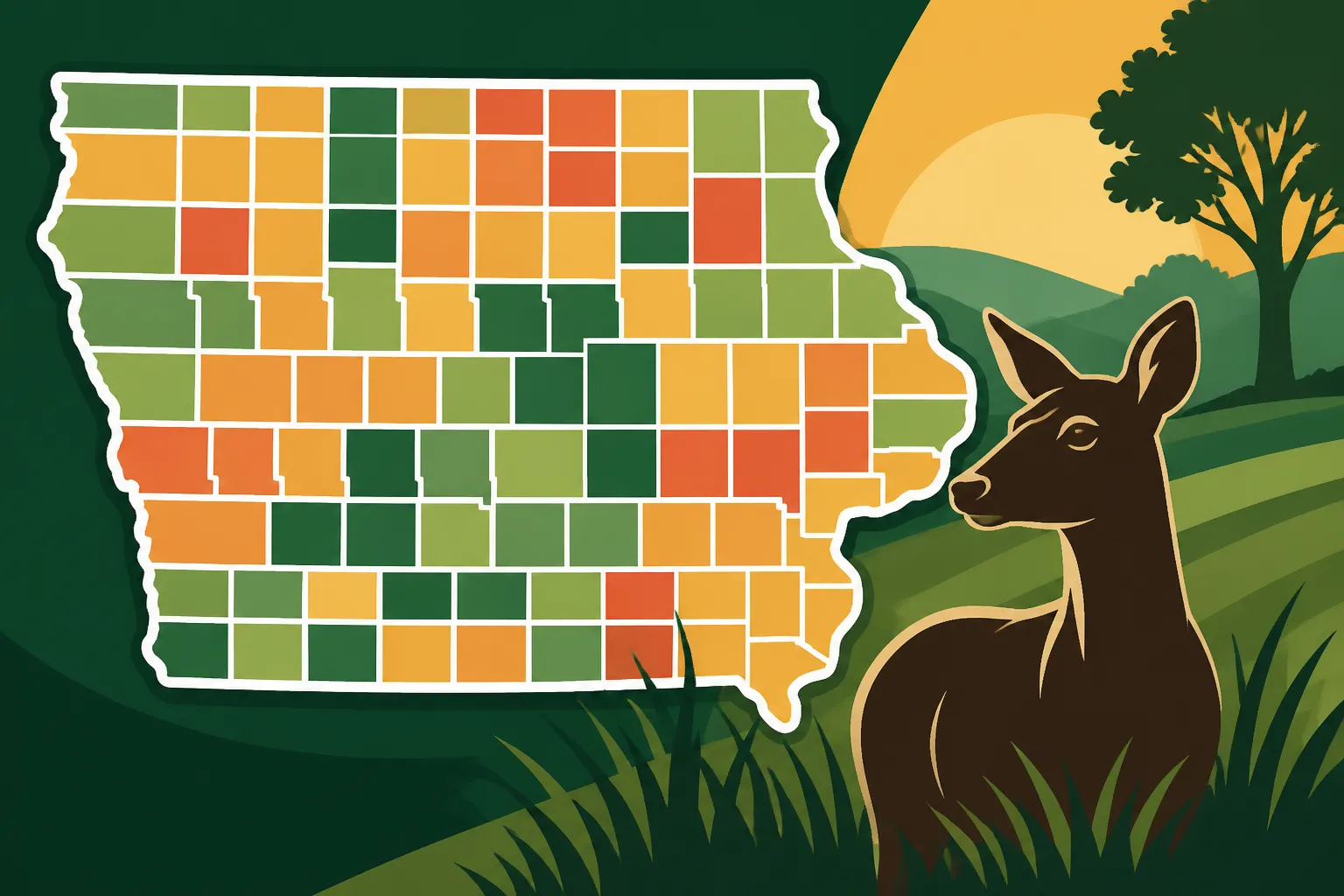
It's crucial to consult the official DNR resources directly, as information on third-party sites might sometimes be outdated or misinterpreted. When you visit the DNR's hunting page, look for sections pertaining to "Deer Hunting Regulations" or "Quota Information." They'll usually have a table or map that visually breaks down each county's quota for the various seasons (Archery, Shotgun 1, Shotgun 2, Late Muzzleloader, and the special January Antlerless Season). This is important because a county might have a high quota for shotgun seasons but a much lower one for archery, or vice-versa, depending on local management goals. For a general overview of these opportunities, read our article on Iowa Antlerless Tags and Quotas.
The Annual Quota Setting Process
The quotas aren't pulled out of thin air. They are the result of a rigorous, data-driven process that takes into account a multitude of factors, and it’s a process that genuinely aims to serve both the deer and the hunters. Annually, the DNR gathers information from the previous year's harvest data, checking the overall number of deer taken and the proportion of does to bucks. They also consider things like deer-vehicle collision statistics, which can indicate areas of high deer density near roadways. Crop damage complaints from farmers are another significant input, signaling areas where deer populations are having a negative economic impact.
Furthermore, they conduct annual surveys, including aerial surveys in some areas and roadside pheasant and quail surveys that also provide incidental deer observations. These observations, combined with hunter feedback (yes, your harvest reports contribute directly to this!), help paint a comprehensive picture. The data is then analyzed by wildlife biologists who recommend adjustments to quotas for each county. These recommendations go through a public review process, including meetings with the Natural Resource Commission, before final approval. This entire cycle is why the numbers can fluctuate year to year and why it's so important to check the current regulations before you plan your season. To understand the intricacies, consider How Iowa Sets County Doe Quotas.
Antlerless Tag Availability and When They Sell Out
Here's where things get a little tricky, and it's a pain point many hunters, especially nonresidents, experience: antlerless tags, while often plentiful, can and do sell out. The most popular counties, typically those with excellent habitat, historically high deer populations, or public hunting opportunities, tend to see their tags disappear first. This is particularly true for nonresident hunters, who often have specific zones and quotas they must adhere to when applying for their main deer tags, and then purchase antlerless tags as an add-on.
Tags for the early shotgun season, for instance, might sell out quicker than those for the late muzzleloader or January antlerless seasons. The January season, in particular, often has leftover tags and can be an excellent opportunity for resident hunters to fill additional tags when others are done for the year. It's not uncommon to see tags in high-demand counties gone within weeks, or even days, of becoming available. This means you absolutely cannot procrastinate if you have your heart set on a specific county for an antlerless deer. You'll need to be ready to purchase your tags as soon as they become available. Keep an eye on the DNR’s announcement dates, and be prepared to act swiftly. We’ve covered this in more detail in our post, When Iowa Antlerless Tags Sell Out.
Here's a simplified example of how quotas might look, though specific numbers vary annually and by season:
| Iowa County (Example) | Common Antlerless Quota Range (per season) | General Deer Density Trend | Notable Features for Hunters |
|---|---|---|---|
| Appanoose | High (2000-4000+) | High | Southern Iowa timber, good public land |
| Clayton | Moderate-High (1000-2500) | Moderate-High | Northeast Driftless, rugged terrain |
| Guthrie | Moderate (500-1500) | Moderate | Central Iowa, mix of timber and row crop |
| Hardin | Low-Moderate (200-800) | Moderate | North Central, more agriculture, less cover |
| Monona | Moderate (500-1200) | Moderate | Western Iowa, Loess Hills influence |
Note: These ranges are illustrative and based on typical historical patterns; always consult the current Iowa DNR regulations for precise, up-to-date quota numbers.
Strategies for Securing and Using Your Antlerless Tags
Once you understand the 'why' and 'where' of antlerless quotas, the next step is to strategize on how to actually get those tags in your hand and then put them to good use in the field. It’s more than just buying a license; it’s about timing and planning.
Navigating the Purchase Process Through Go Outdoors Iowa
For most resident hunters, purchasing an Iowa antlerless tag is a relatively straightforward process, primarily handled through the Go Outdoors Iowa online licensing system. This is the official portal for buying all your hunting and fishing licenses, including those coveted antlerless deer tags. The system is designed to be user-friendly, but you still need to know exactly what you’re looking for.
When the tags become available, you’ll log into your Go Outdoors Iowa account, select "Purchase Licenses," and then navigate to the deer hunting options. You'll be prompted to select the specific county and season for which you want an antlerless tag. This is where your prior research on county quotas pays off. If you’re targeting a specific county, ensure you select that one, as tags are county-specific and non-transferable between counties. The system will typically show you if tags are still available for your chosen county and season. Be aware that nonresident hunters often have different procedures and eligibility requirements for antlerless tags, usually tied to their initial draw application for their general deer license. They might face tighter quotas or specific zones. To get a head start on the actual application process, take a look at our guide on Applying Through Go Outdoors Iowa. Remember, sometimes you can even buy a second Iowa antlerless tag if quotas allow and tags are available, providing even more opportunities to fill the freezer.
Utilizing Antlerless Tags Across Different Seasons
Iowa offers several deer seasons where antlerless tags can be legally used, providing flexibility and extending your hunting opportunities. This multi-season approach is fantastic for hunters who want to maximize their time in the woods or who might prefer certain hunting styles.
- Archery Season: Antlerless tags are available during the full archery season (two segments). This is a prime opportunity for bowhunters to fill the freezer, especially if they're holding out for a mature buck. Harvesting a doe early can take some pressure off your primary hunt.
- First and Second Shotgun Seasons: These are often the most popular times for antlerless harvest. With the higher hunter density and often organized party hunts, many does are taken. If you're involved in a party hunt, having an antlerless tag is crucial. You can learn more about specific dates in Iowa Deer Season Dates by Weapon.
- Late Muzzleloader Season: This season, usually in December, can be cold but also incredibly rewarding. Antlerless tags are generally available, and with snow often on the ground, deer are more concentrated on food sources, making it an excellent time to fill a tag.
- January Antlerless Season: This is a special season primarily for resident hunters, often with abundant leftover antlerless tags in many counties. It’s a fantastic opportunity to extend your season and often find deer concentrated on accessible food plots or standing crops. Targeting Iowa January Antlerless Hunts can be highly effective.
Each season presents unique challenges and opportunities for harvesting an antlerless deer. Choosing which season to use your tag often depends on your primary hunting goals, weapon preference, and what other tags you hold.
Planning Your Hunt Around Antlerless Opportunities
Successfully harvesting an antlerless deer involves more than just buying a tag; it requires strategic planning. Your approach might differ significantly from targeting a trophy buck. For antlerless deer, focus shifts from specific rub lines or scrapes to reliable food sources, bedding areas, and travel corridors where does and fawns are consistently present.
In early archery season, consider hunting over water sources during dry spells or on field edges where deer are feeding heavily on beans or alfalfa. As the season progresses into late fall and early winter, food becomes the primary draw. Focus your efforts on standing corn fields, picked bean fields with residual grain, or late-season food plots. Scouting these areas for consistent deer activity is key. Also, don't overlook public hunting lands; many areas, especially those with good timber and ag field interfaces, offer excellent antlerless opportunities. Researching Public Land Deer Hunting in Iowa can give you a head start. Using tools like mapping apps (GoHunt, for example, offers robust mapping features that can help identify prime habitat and access points, though it's not where you buy the tags themselves) can help you pinpoint these locations. Planning for your shot placement on an antlerless deer is just as important as it is for a buck, ensuring a clean, ethical harvest.
Making the Most of Your Antlerless Harvest
Harvesting an antlerless deer is a deeply satisfying part of hunting, whether you’re providing food for your family or contributing to a larger conservation effort. It's a critical component of ethical hunting and responsible resource management.
Contributing to Local Deer Management
Every antlerless deer you harvest in Iowa contributes directly to the DNR's population management goals. By taking a doe in a county with a high quota, you are helping to keep the herd in check, which reduces impacts on agricultural crops and diminishes the risk of vehicle collisions. Furthermore, your successful harvest, when reported correctly, feeds into the data that biologists use to set future quotas and assess herd health. It's a tangible way to participate in conservation beyond simply purchasing a license. For context, looking at the Iowa Antlerless Harvest Numbers from previous years can show you the collective impact hunters have.
This contribution becomes even more critical in areas where Chronic Wasting Disease (CWD) is a concern. While Iowa has mandatory CWD sampling in certain counties, harvesting antlerless deer, especially if you suspect CWD might be present, can aid in monitoring and potentially slowing the spread of the disease. Always be aware of Iowa CWD Sampling and Carcass Rules in your hunting county. Your actions as a hunter are a vital part of the bigger picture of wildlife stewardship in the state.
Practical Tips for a Successful Antlerless Hunt
An antlerless hunt, while often less about the "trophy" and more about the "table fare," still requires skill, patience, and good hunting practices. Here are a few tips to increase your odds of success:
- Scout Smarter, Not Harder: Does and fawns are creatures of habit. They frequent reliable food sources, thick bedding cover, and the most efficient travel routes between the two. Use e-scouting tools and boots-on-the-ground reconnaissance to identify these patterns before the season starts. Look for trails that show consistent use, particularly those leading to active crop fields or late-season food plots.
- Focus on Food and Cover: During much of Iowa's deer season, especially the colder months, deer activity revolves around food and thermal cover. Standing corn, picked bean fields, alfalfa, and winter food plots are magnets. Look for thick cedar thickets, brushy draws, or dense timber stands adjacent to these food sources where does will bed down before heading out to feed. Targeting Late-Season Food Source Hunting in Iowa is often a productive strategy.
- Be Patient and Observe: When hunting for antlerless deer, setting up in a high-traffic area and simply being patient can be incredibly effective. Does often move in family groups, so if you see one, more are likely to follow. Take your time, assess the group, and pick your shot carefully to ensure a clean harvest. Use binoculars to scan the edges of fields and timber.
- Mind Your Wind and Entry/Exit: Just because you're targeting a doe doesn't mean you can slack on scent control or careful access. Does, like bucks, have incredible noses and keen senses. Always play the wind, approach your stand or blind quietly, and plan your entry and exit routes to minimize disturbance to the area. This ensures you don't educate the local deer and allows for repeated hunting opportunities.
- Consider Ground Blinds: While treestands are popular, a well-brushed-in ground blind can be incredibly effective for antlerless hunting, especially on field edges or near thick cover. They offer concealment, warmth, and are excellent for hunting with youth or new hunters who need a more stable platform.
Harvesting an antlerless deer is an important, enjoyable, and often challenging part of deer hunting in Iowa. By understanding the quotas, planning your hunt, and executing ethically, you're not only filling your freezer but also actively participating in the health and vitality of Iowa's incredible whitetail herd.
Disclaimer
Please remember that hunting regulations, seasons, and quotas can change. Always consult the official Iowa Department of Natural Resources (DNR) website and current year's hunting regulations booklet before planning and executing any hunting activity. This article is intended for informational purposes only and does not supersede official state regulations.