Reporting Poaching in Iowa
It’s a gut-wrenching feeling when you’re out enjoying Iowa’s incredible outdoors, whether it’s scouting a promising timber stand or simply driving down a county road, and you witness something that just doesn’t feel right – an illegal kill, someone trespassing, or suspicious activity that screams poaching. It makes your blood boil, and it can leave you feeling frustrated and unsure of what steps to take. This guide aims to clear up that confusion, offering clear, actionable advice on how to report poaching in Iowa effectively and what you can expect when you do.
Understanding What Constitutes Poaching in Iowa
Before we dive into how to report, it's crucial to understand what poaching actually encompasses in Iowa. It's more than just shooting a deer out of season or at night; it's a broad term for any illegal taking of wildlife, and it undermines all the hard work that goes into wildlife management and ethical hunting. When someone poaches, they're not just breaking the law; they're stealing from every law-abiding hunter and citizen who values Iowa’s natural resources.
The Real Impact of Illegal Hunting Practices
The impact of poaching goes far beyond a single animal. It can skew population data, making it harder for the Iowa Department of Natural Resources (DNR) to set appropriate quotas and seasons. Think about it: if illegal kills aren't accounted for, the DNR might believe there are more animals in an area than there actually are, potentially leading to over-harvesting during legal seasons. This directly affects future hunting opportunities for everyone. It also creates a negative perception of hunting among the general public, lumping ethical hunters in with criminals. We all work so hard to uphold the integrity of our sport, and one poacher can tarnish that image quickly. From a practical standpoint, it reduces the number of legal tags available in certain areas, potentially impacting draws for highly sought-after deer or turkey tags. Plus, it just feels wrong to see someone disrespect the animals and the land in that way, especially when you’ve invested time and effort in understanding and following the rules, like those detailed in the latest Iowa Regulation Booklet Release Date
Common Types of Poaching Incidents to Watch For
Iowa sees a variety of poaching incidents, some more common than others. One of the most blatant is "spotlighting" or "road hunting," where individuals use a vehicle and artificial light to locate and shoot deer, often at night. This is incredibly dangerous and illegal. Another common issue is taking more than the legal limit of game, or harvesting animals outside of legal shooting hours. You might also encounter situations where someone is hunting without a proper license or tag, or perhaps using an illegal weapon for the season, like a centerfire rifle during shotgun season.
Sometimes, it’s not just about taking game. It could be someone trespassing on private land without permission, or even leaving a substantial mess behind, which technically falls under unethical behavior that often accompanies poaching. We've all seen fields trashed or gates left open, and while not all littering is poaching, it often signals a disrespect for the rules that can extend to wildlife laws. Knowing the rules, such as those regarding Iowa Party Hunting Rules or specific weapon restrictions for Iowa's Legal Deer Hunting Equipment by Season, helps you identify when something is truly amiss.
How to Effectively Report Poaching in Iowa
When you witness a suspected poaching incident, the immediate urge might be to confront the individuals, but that's often not the safest or most effective approach. Your priority should be to gather as much information as possible without putting yourself in harm's way, and then report it to the proper authorities. The Iowa DNR relies heavily on tips from concerned citizens to catch these offenders. Remember, every piece of information helps.
Gathering Critical Information for Your Report
Think like a detective, but from a safe distance. The more details you can provide, the better. Start with the "who, what, where, when, and how."
- Who: Can you describe the individuals involved? Gender, approximate age, hair color, clothing? Did you see their faces? Even a partial description is valuable. If they were in a vehicle, the license plate number is paramount. Make, model, color, and any distinguishing features like bumper stickers or dents are also incredibly helpful.
- What: What exactly did you observe? Was an animal shot? Tagged illegally? Was equipment being used that seemed out of place, like a spotlight or a firearm during an archery-only season?
- Where: Be as precise as possible with the location. GPS coordinates are ideal, but if you don't have them, reference crossroads, mile markers, notable landmarks (a red barn, a specific creek crossing), or public land signs. If it's on public land, mention the specific Public Hunting Land in Iowa, like a Wildlife Management Area, if you know it.
- When: The exact date and time are crucial. If it's an ongoing situation, note the time you first observed it.
- How: How were they committing the act? Were they in a vehicle? On foot? What type of weapon did you see or hear?
Don't forget to note the species of animal, if identifiable, and any relevant details about the animal itself – gender, antler size if it's a deer, or number of birds. Take photos or videos if you can do so safely and without being detected. These can be incredibly powerful pieces of evidence. Just remember, your safety comes first. Don't confront anyone or put yourself in a risky situation just to get a picture.
Contacting the Iowa DNR and Law Enforcement
Iowa has a dedicated system for reporting wildlife violations, and it's designed to be accessible and efficient. The most direct route is often through the DNR's Turn In Poachers (TIP) program.
Primary Reporting Channels:
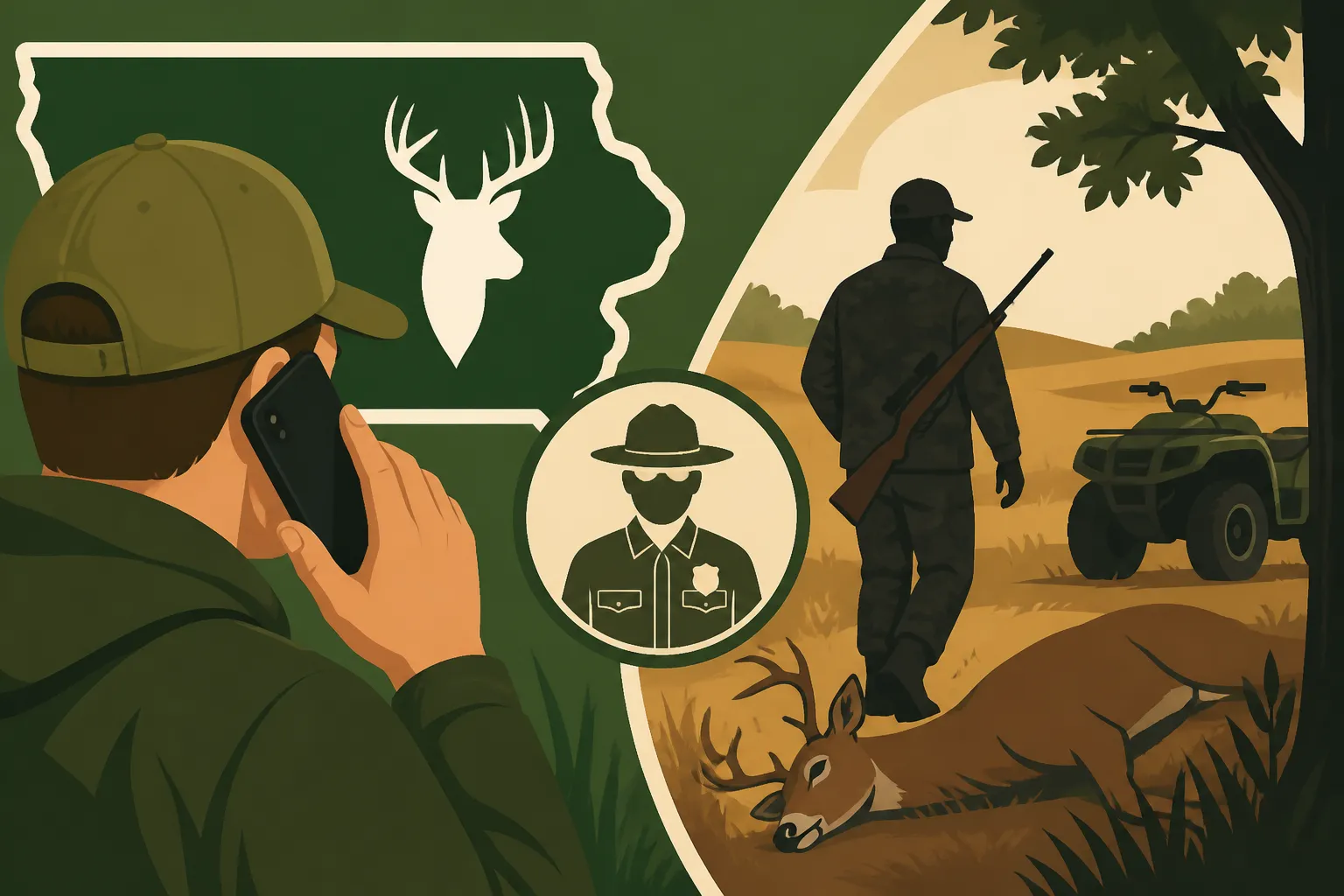
- TIP Hotline: This is your go-to. Call 1-800-532-2020. This line is staffed 24 hours a day, 7 days a week, ensuring you can report an incident as it happens, which is often critical for catching offenders in the act.
- Online Reporting: If the incident is not immediate or you prefer a written report, you can fill out an online form on the Iowa DNR website. This is excellent for providing detailed accounts and uploading any photos or videos you may have.
- Local Conservation Officer: If you know your local Iowa Conservation Officer, you can contact them directly. Their contact information is usually available on the Iowa DNR website or through local county conservation offices. However, during non-business hours or if it’s an urgent situation, the TIP hotline is usually the fastest way to get a response.
When you call the TIP hotline, be prepared to calmly and clearly relay all the information you've gathered. The dispatcher will guide you through the process, asking follow-up questions to ensure they have a complete picture. Even if you only have a few details, report what you know. Sometimes, several small reports can piece together a larger pattern.
The Investigation and Follow-Up Process
Reporting poaching can sometimes feel like sending a message into the void. You make the call, provide the details, and then… silence. It’s natural to wonder what happens next, and if your report even made a difference. Rest assured, these reports are taken seriously, and there’s a process in place to investigate every credible tip.
What Happens After You File a Report
Once you’ve made your report, especially through the TIP hotline, the information is immediately relayed to a local Iowa Conservation Officer. If it’s an active situation, the officer will prioritize it and try to respond as quickly as possible. This might involve heading directly to the reported location, coordinating with other officers, or even setting up surveillance. For less urgent reports, like finding evidence of an old kill that suggests illegal activity, the officer might schedule a time to investigate the site or follow up on leads when they are available.
It’s important to understand that not every report leads to an immediate arrest or even a visible investigation. Conservation Officers work with limited resources, and they have to prioritize cases based on severity and the likelihood of a successful outcome. They also have to follow strict legal procedures for evidence collection and warrants, much like any other law enforcement agency. While you might not see the wheels turning, they are. Your report becomes a piece of the puzzle, potentially linking to other intelligence the DNR already has.
Possible Outcomes and Penalties for Poaching
When a poaching incident is successfully investigated and charges are filed, the penalties can be significant, reflecting the serious nature of these wildlife crimes. Iowa has specific laws that dictate the fines and other consequences.
- Fines and Restitution: Poachers often face hefty fines. In addition to general wildlife violation fines, they may also be ordered to pay restitution for the market value of the illegally taken animal. For a trophy whitetail, this can easily run into the thousands of dollars.
- Loss of Hunting Privileges: This is often the most impactful penalty for avid hunters. Convicted poachers can lose their hunting, fishing, and trapping privileges for several years, sometimes even permanently, not just in Iowa but in many other states through interstate compacts.
- Jail Time: For serious or repeat offenses, poachers can face jail time. This is especially true for commercial poaching operations or those involving dangerous activities like spotlighting that endanger the public.
- Seizure of Equipment: Vehicles, firearms, bows, and other equipment used in the commission of a poaching crime can be seized and forfeited to the state. This can be a substantial financial loss on top of fines.
These penalties serve as a strong deterrent, and they underscore why reporting these activities is so vital. It’s not just about a single animal; it’s about upholding the integrity of our wildlife and the heritage of hunting. The process of holding poachers accountable, from your initial report to their conviction, is a collaborative effort that protects Iowa's outdoor traditions.
Protecting Your Anonymity and Staying Safe
Reporting a crime, especially one like poaching, can feel intimidating. There's often a concern about potential retaliation, or simply not wanting to get "involved." The good news is that Iowa's reporting system is designed with your safety and anonymity in mind.
Your Anonymity is Protected
When you report through the TIP hotline (1-800-532-2020), you have the option to remain completely anonymous. You don't have to give your name, and your identity will not be shared with the individuals being investigated. This is a critical feature that encourages more people to come forward without fear of reprisal. The focus is on the crime, not on the messenger. Even if you choose to provide your contact information to the DNR, perhaps because you're willing to be a witness, that information is kept confidential and will only be shared with law enforcement involved in the case, not with the public or the alleged poacher. This commitment to confidentiality helps ensure that concerned citizens can do their part without putting themselves or their families at risk.
Staying Safe During and After Reporting
While the DNR protects your anonymity, it's still wise to prioritize your personal safety throughout the process.
- Do Not Confront: This is the golden rule. Never, under any circumstances, confront suspected poachers. These individuals are often breaking the law, may be armed, and could react unpredictably or violently. Your safety is far more important than any deer or turkey. Maintain a safe distance and observe from cover.
- Observe from a Distance: Use binoculars or a spotting scope if you have them. Stay concealed and out of sight. Remember, if you’re noticed, you might spook them, or worse, put yourself in a dangerous situation.
- Trust the Authorities: Once you've made your report, let the trained Conservation Officers handle it. They are equipped and experienced in dealing with these situations. Resist the urge to conduct your own investigation or stakeout; that’s their job.
- Keep Records: If you do take photos or videos, make sure they are stored securely. If you decide to provide your contact information to the DNR, they might ask you to preserve the evidence. Always follow their instructions.
- Consider a Non-Emergency Call: If you feel genuinely threatened or fear for your immediate safety, and a Conservation Officer isn't available, don't hesitate to call 911. They can dispatch local law enforcement to assist.
Your role is to be the eyes and ears for the DNR. You’re a crucial part of protecting Iowa’s natural heritage, and by following these guidelines, you can do your part safely and effectively. Tools like GoHunt can help you understand the landscape and anticipate legal hunting activity, which in turn helps you spot anomalies, but when it comes to reporting, always defer to the direct channels of the Iowa DNR for wildlife violations. Remember, upholding ethical practices is key to all aspects of hunting, from following Iowa Deer Harvest Reporting Rules to understanding Iowa Hunter Education and Licensing Basics and ensuring everyone adheres to the law.
The Broader Role of Hunters in Conservation
Reporting poaching isn't just about catching lawbreakers; it's a fundamental part of a hunter's responsibility in conservation. Ethical hunters are often the first line of defense against illegal activities, simply because they spend so much time in the field and understand what "normal" looks like.
Why Ethical Hunters Are Key to Protecting Wildlife
Hunters have a vested interest in healthy wildlife populations and fair chase. We buy licenses and tags, which directly fund wildlife management efforts. We spend countless hours scouting, preparing, and adhering to strict regulations. When someone poaches, they undermine all of that. By reporting, we're not just being "tattletales"; we're actively participating in the conservation model that has successfully managed wildlife in North America for over a century. It's an act of stewardship.
Think about the effort involved in activities like Scouting Iowa Timber and River Bottoms, or learning the nuances of Iowa Whitetail Hunting Tactics Through the Rut. All of that preparation is based on legal, ethical hunting. Poaching devalues that experience and impacts the future of the resource. We, as hunters, are the best advocates for wildlife and responsible hunting. It’s our collective duty to ensure that wildlife thrives and that the hunting tradition is preserved for future generations.
Cultivating a Culture of Responsible Stewardship
Beyond reporting incidents, we can all contribute by fostering a culture of responsible stewardship. This means teaching younger generations about ethical hunting, making sure they understand not just the rules, but the spirit of fair chase and respect for wildlife. It means having conversations with fellow hunters about responsible practices, whether it's about properly tagging a deer or adhering to Iowa Carcass Transport Restrictions.
It also means being aware of your surroundings and understanding the nuances of different hunting areas, from the rules on Iowa Walk-In Ground Without Burning It Out, to the types of activity expected during When Iowa IHAP Tracts Open in Fall. The more informed we are, the better equipped we are to identify and address suspicious activities. Every time you correctly identify a potential violation and report it, you’re sending a clear message: Iowa’s wildlife is precious, and we will protect it. Your efforts ensure that when you head out into the field, whether with a bow during Bowhunting Iowa Deer From October to January, or a shotgun during the later seasons, the wildlife you pursue has been managed fairly and ethically.
| Reporting Method | Best Use Case | Key Information Needed (at minimum) | Anonymity Provided |
|---|---|---|---|
| TIP Hotline | Immediate, active incidents (24/7) | Location, type of violation, vehicle info | Yes, fully |
| Online Form | Non-urgent, detailed reports, photo/video upload | Comprehensive details, evidence | Yes, optional |
| Local Conservation Officer | Non-urgent questions, specific area issues | Location, violation type | Variable |
Disclaimer
The information provided in this guide is for general informational purposes only and does not constitute legal advice. Hunting regulations and laws can change, and it is always your responsibility to consult the most current Iowa DNR regulations and, if necessary, seek legal counsel for specific situations.