Bowhunting Iowa Deer From October to January
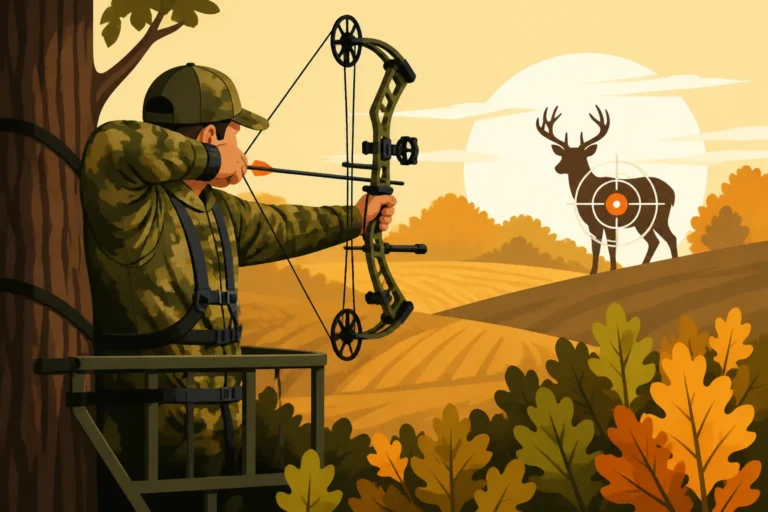
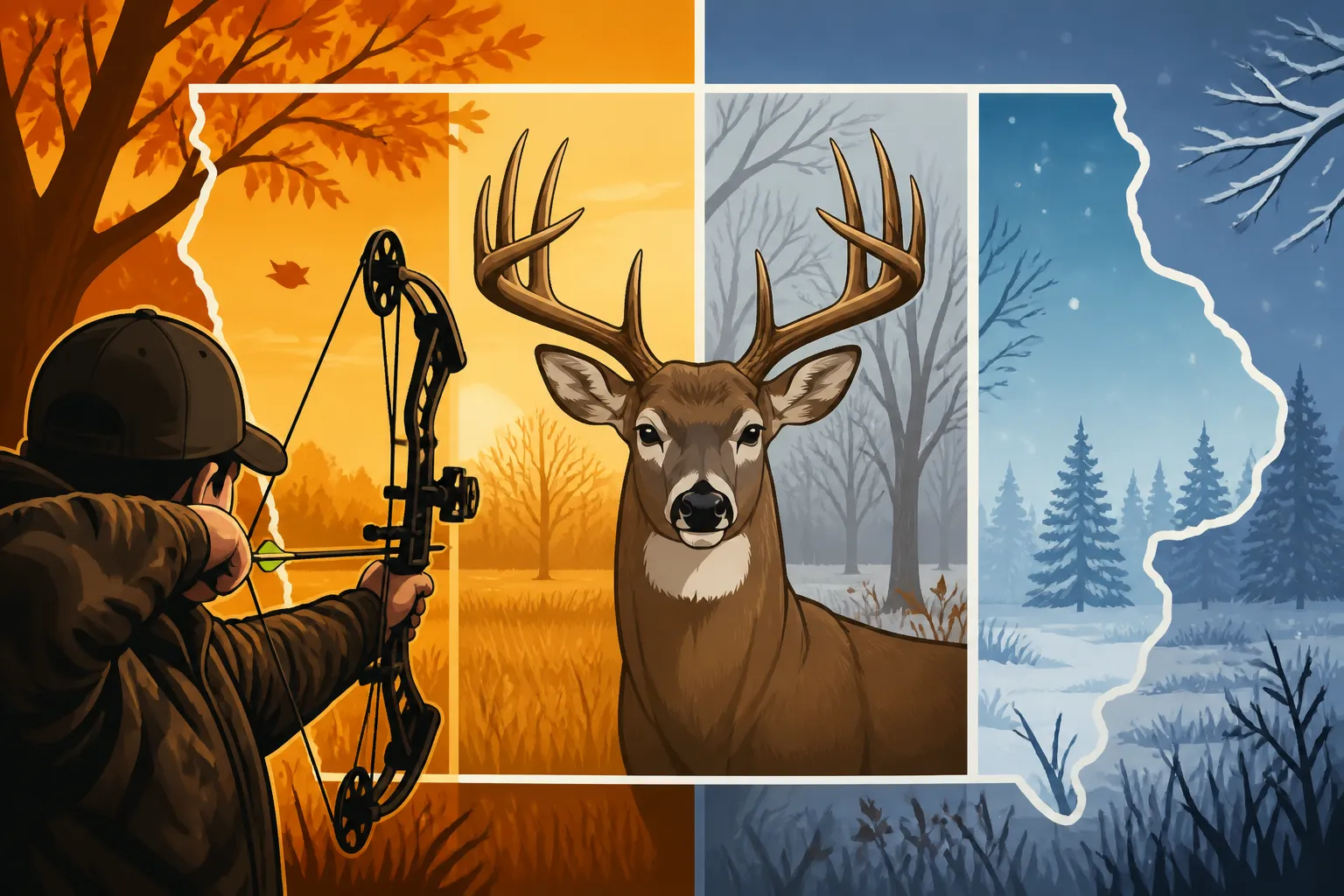
Bowhunting Iowa deer from October through January is a true test of a hunter's patience, adaptability, and skill. The rollercoaster of weather, deer behavior, and hunting pressure means what worked last week might utterly fail this week. This comprehensive guide is here to walk you through the distinct phases of Iowa's archery season, offering practical, boots-on-the-ground strategies to keep you in the game and consistently finding success, even when it feels like the deer have vanished into thin air.
Early October Archery: Patterns and Patience
When October rolls around in Iowa, many bowhunters are eager, but often a little confused. The deer that were so visible in late summer food plots seem to have disappeared, and the woods feel quiet. This is a common frustration, and it's because deer behavior shifts dramatically from their more relaxed summer patterns as harvest season kicks into gear and hunting pressure begins to build. Success in early October hinges on understanding these changes and being incredibly patient.
Post-Summer Food Sources and Bedding
In the early days of October, deer are still primarily focused on food, but their preferences might be changing. The lush green soybeans and alfalfa fields of August are now drying down or being harvested, pushing deer to other nutritional sources. Hard mast, especially acorns, become incredibly important. If you can find a white oak tree actively dropping acorns, you've likely found a temporary hotspot. Deer will often prioritize these over agricultural fields if they're available and undisturbed. Beyond acorns, don't overlook standing cornfields that haven't been picked yet, as these offer both food and incredibly thick cover. Deer will dive into these fields during daylight and might only emerge to graze on preferred browse or newly-accessible crops like picked soybeans or corn that's still standing.
Bedding areas during this time are often tight to these prime food sources. Think thickets, dense cedar groves, or brushy creek bottoms near an oak ridge or a standing cornfield. Deer don't want to travel far from their beds to eat, especially with daylight hours shortening and potential human disturbance increasing. Scouting these areas for fresh tracks, droppings, and rubs will give you a better understanding of their daily routine. You might even find them using secluded water sources, particularly if the weather is still warm, making an Early-Season Bowhunting Over Water strategy a surprisingly effective option.
Avoiding Hunting Pressure in Warm Weather
One of the biggest challenges in early October, especially on public land or heavily hunted private ground, is managing and avoiding pressure. Many hunters are out, and deer are highly sensitive to intrusion. Warm temperatures can also make deer more nocturnal, so pushing too hard or hunting too aggressively can quickly burn out a spot. My advice is to be incredibly mindful of your entry and exit routes. You want to slip in and out without being detected, or, worse, pushing deer out of an area.
If possible, save your prime spots for cooler weather or when rut activity ramps up. In early October, focus on fringe areas, hidden pockets, or places that are difficult for other hunters to access. Often, the deer you're seeing in the daytime are the ones that have learned to avoid pressure. This means finding sanctuary areas, which could be small, overlooked woodlots, dense river bottom thickets, or even just a particularly nasty patch of multiflora rose that no one wants to walk through. Using an aerial mapping tool, like the features found on GoHunt, can help you identify these secluded pockets and plan quiet access routes that minimize disturbance, especially helpful for Access Routes That Do Not Bump Deer.
Targeting Transition Areas
Early October deer, while often nocturnal on primary food sources, will still move during daylight hours, especially in the mornings and evenings. Their movement will typically be between bedding areas and food. This makes transition areas, like timber edges, creek drainages, and subtle terrain features, prime locations for a stand. Look for natural funnels where deer movement is concentrated. This could be a narrow strip of timber connecting two larger woodlots, a finger of woods extending into a crop field, or a pinch point along a creek bank.
Deer often use subtle elevation changes, like the top of a small ridge or the bench of a larger hill, as travel corridors. These routes provide cover and a vantage point. Don't overlook the inside corners of crop fields, either. While deer might feed in the wide-open expanse at night, they'll often stage up in the timber adjacent to an inside corner before dark, offering a bow shot within legal shooting hours. Learning to read these landscape features is crucial, and mapping tools are excellent for identifying potential Hunting Saddles and Pinch Points in Rolling Timber or other terrain-driven travel corridors.
Overcoming the Mid-October Lull
Ah, the "October Lull." It’s a real thing, and it can be incredibly frustrating. Just when you thought you had deer figured out, they seem to vanish into thin air. Many hunters pack it in, convinced there are no deer to be found. But seasoned Iowa bowhunters know this isn't a time to give up; it's a time to adjust. The lull isn't because deer disappear; it's because their patterns change, often in response to increased hunting pressure, changing food sources, and subtle shifts in hormone levels before the rut truly kicks in.
Why Deer Seem to Disappear
The perceived disappearance of deer during mid-October is usually a combination of factors. First, consistent hunting pressure from early season efforts makes deer more wary and nocturnal. They're more likely to move primarily under the cover of darkness, making daylight encounters scarce. Second, primary food sources might be shifting again. Acorns might have been hammered, cornfields might be completely picked, and deer are now scavenging or moving to less preferred but more secure food sources.
Weather also plays a role. If mid-October brings unseasonably warm temperatures, deer activity will naturally be suppressed during daylight. They conserve energy by bedding down in thick cover, often close to water or in shaded timber. This combination of pressure, changing food, and potentially warm weather creates the illusion that deer have simply vanished. In reality, they're still there, just moving differently and often in more secluded areas. Your trail cameras might show nocturnal activity, which can be disheartening, but it's crucial to remember they are still around.
Finding Isolated Bucks and Does
During the lull, targeting the main travel corridors or obvious food plots might be a waste of time. Instead, focus on finding isolated pockets of deer. This often means going deeper into thicker cover, looking for secondary food sources, or targeting areas that are harder to access. Think small, overlooked pockets of timber, brushy draws that connect larger woodlots, or even isolated wetlands. These areas provide the security deer crave when pressure is high.
Often, mature bucks will become extremely solitary during this period. They're recovering from summer and starting to feel the first hints of rut, but they're not ready to expose themselves. Look for old rubs from previous seasons, or subtle, fresh sign in unexpected places. Does and fawns will also seek security, often congregating in these thicker areas where they feel safe. If you can find a hidden honey-hole with good cover and a less-pressured food source, even if it's just native browse, you might find consistent daylight activity. This requires more effort, often covering more ground, but it pays off when everyone else is complaining about the lull.
Patience and Low-Impact Scouting
The mid-October lull demands an extreme amount of patience. This is not the time for aggressive tactics or charging through the woods. Instead, focus on low-impact scouting. Utilize your trail cameras sparingly and strategically, checking them only when necessary and during the middle of the day to minimize disturbance. When you do scout, do it from a distance, using good optics to glass fields edges or distant timber.
If you must go into the woods, do so when conditions are favorable for minimizing your scent and sound, such as after a rain, during a strong wind, or in the middle of the day. This is also a good time to revisit past stand locations or scout potential new ones for the upcoming rut, without over-hunting current spots. Consider using mapping platforms like GoHunt to scout virtually, identifying potential sanctuary areas or overlooked travel routes from the comfort of your home, reducing the need for intrusive boots-on-the-ground scouting. It's about conserving pressure on your hunting spots and waiting for the deer activity to pick back up naturally.
The Excitement of the Iowa Pre-Rut
The pre-rut is arguably one of the most exciting times to bowhunt in Iowa. After the frustrating lull, deer activity ramps up significantly as bucks start to feel the urge to breed. This phase, typically from late October through the first week or two of November, is characterized by increased buck movement, territorial displays, and a growing anticipation of the peak rut. It’s a period where patient scouting and strategic calling can really pay off.
Increased Buck Activity: Rubs and Scrapes
As the pre-rut kicks in, bucks become more visible and aggressive. You'll start to see a proliferation of fresh rubs and scrapes. Rubs, where bucks strip bark from trees, are a sign of their dominance and frustration. Pay attention to rub lines – a series of rubs leading in a specific direction – as these often indicate a buck's travel corridor between bedding and feeding areas, or between core areas. Scrapes, patches of bare earth where bucks paw the ground and deposit scent, are communication hubs. Bucks will visit these regularly, especially community scrapes, to check for does and announce their presence.
Focus your hunting efforts on areas with fresh, consistent rub and scrape activity. These aren't just random acts; they're signposts indicating active buck movement. Look for scrapes under low-hanging branches, as bucks will often chew on these "licking branches" as part of their communication ritual. Placing a trail camera on an active scrape can give you invaluable intel on the bucks using it and their patterns. This period is also when you'll want to start thinking about tactics like Hunting the Iowa Pre-Rut in Late October, which focuses on intercepting these increasing movements.
Using Calls and Decoys to Your Advantage
The pre-rut is prime time for calling and decoying. Bucks are feeling feisty and competitive, but haven't yet locked down with does. They're actively searching, and both vocalizations and visual stimuli can draw them in. Grunt calls can mimic a social buck or a buck trailing a hot doe, often piquing the curiosity of cruising bucks. Rattling antlers can simulate a sparring match, appealing to a buck's competitive nature. Start with light rattling and grunting, gradually increasing intensity if you don't get a response.
Decoys can also be incredibly effective. A single doe decoy can entice a buck looking for a receptive female, especially if placed strategically in an open area downwind of your stand. A buck decoy can challenge a dominant buck, drawing him into range. However, caution is advised with decoys, especially buck decoys, as some bucks might react aggressively and approach rapidly. Always be prepared for a quick shot and be aware of your surroundings, particularly if hunting on public land where other hunters might mistake your decoy for a real deer. For more detailed insights, consider the strategies for Decoying an Iowa Whitetail Buck.
Timing Your Hunts with Cold Fronts
Weather still plays a significant role during the pre-rut. While bucks are more active, a strong cold front can supercharge their movement. A sudden drop in temperature, especially after a period of warm weather, seems to flip a switch, encouraging deer to get on their feet during daylight hours. This is an ideal time to be in your stand all day, or at least for extended morning and evening sits. Bucks will be covering ground, checking scrapes, and seeking out does.
Pay close attention to weather forecasts, looking for those sharp temperature drops, particularly when accompanied by stable winds. These conditions can create a flurry of activity, turning a slow day into an unforgettable hunt. This is the time to take vacation days, call in sick, or rearrange your schedule. Don't waste these precious days on marginal weather; save them for when the conditions are perfect for a mature buck to be on his feet. This intense activity also makes it an excellent time to implement aggressive Rattling and Grunting During the Iowa Rut, though you're still in the pre-rut, the principles of drawing bucks in are very similar.
Peak Rut Strategies: When Iowa Bucks are on the Move
The peak of the rut in Iowa is a period of controlled chaos, typically hitting hard in mid-November. Bucks are single-mindedly focused on breeding, which means they throw caution to the wind and move throughout the day in search of does. This is often described as the best time to tag a mature buck, but it also requires a shift in strategy from the pre-rut. The game changes from intercepting bucks on their routes to finding the does, because the bucks will be where the does are.
Cruising Lanes and Funnels
During the peak rut, bucks are less predictable in their routes, often "cruising" through timber and along field edges, covering vast amounts of ground. Instead of focusing on specific rub lines or scrapes, your best bet is to set up on high-traffic areas that funnel deer movement. Think about classic pinch points: narrow strips of timber between open fields, creek crossings, saddles between ridges, or the convergence of several deer trails. These are natural bottlenecks where bucks are likely to pass through as they search for does.
Look for areas with good visibility but also enough cover for a buck to feel comfortable moving in daylight. A slight rise in elevation in a timber draw, offering a commanding view, can be a killer spot. Bucks will often scent-check open areas from the cover of the timber before exposing themselves. Therefore, setting up on the edge of a funnel, rather than directly in it, allows you to observe their approach and get ready for a shot. The more terrain features that force deer into a predictable path, the better your chances.
Aggressive Calling and Roving Tactics
While calling works in the pre-rut, during the peak rut, you can often be more aggressive. Bucks are less wary and more susceptible to calls. Deep grunts can challenge a cruising buck, especially if he thinks another buck is tending a hot doe. Snort-wheezes, mimicking an aggressive buck, can trigger a territorial response. Don't be afraid to combine calls—a series of grunts followed by rattling can sound like a full-blown fight, often bringing curious bucks running in to investigate or break up the conflict.
Sometimes, especially on larger tracts of land, a "roving" or "still hunting" tactic can be effective. This involves slowly moving through the timber, stopping frequently to call, scan, and listen. You're covering ground, actively seeking out deer, rather than passively waiting. This works well in areas with diverse terrain and cover, where deer might be spread out. If you get a response, quickly set up for a shot. This mobile approach requires stealth and an understanding of the wind, making it ideal for the flexible hunter using a Mobile Saddle Hunting in Iowa setup. The key is to cover enough ground to intercept a buck that might be cruising, but not so much that you spook everything in the process.
All-Day Sits and High-Odds Locations
The peak rut is the time for all-day sits. Forget the idea that deer only move at dawn and dusk. Bucks will be on their feet at any time of day, particularly during cooler temperatures or cloudy conditions. They might be chasing a doe at noon, checking a community scrape at 10 AM, or just cruising for fresh scent at 2 PM. The more time you spend in your stand, the higher your odds of intercepting one of these unpredictable daylight movements.
High-odds locations during the rut are often those that offer good visibility into multiple travel corridors, especially areas where does are known to frequent. South-facing slopes that get good sun exposure can be comfortable bedding spots for does, attracting bucks looking to breed. River bottoms, especially those with thick cover, are also fantastic, as deer will often utilize them as protected travel routes. Think about where the most deer traffic would naturally be, regardless of specific food sources, and then find the best ambush point. These are the days where you pack a big lunch, a thermos of coffee, and commit to being in the tree from first light until dark.
Late Season Bowhunting: Cold Weather and Food Focus
As November fades into December and January, the rut winds down, and deer behavior shifts dramatically once again. The frenzy of breeding gives way to a singular focus: survival. This means finding and conserving energy. For bowhunters, success in the late season revolves almost entirely around understanding deer's need for abundant, high-calorie food and thick, insulating cover. It's often cold, sometimes snowy, and requires a different kind of mental toughness and strategic planning.
Identifying Prime Winter Food Sources
In late season Iowa, food becomes king. With row crops largely harvested and natural browse becoming scarce, deer will converge on the remaining high-energy food sources. Standing corn is arguably the best late-season food source in Iowa. Not only does it offer calories, but it also provides incredibly dense thermal cover, allowing deer to bed and feed simultaneously. Unpicked soybean fields or even fields with scattered waste grain can also be magnets. Brassica plots, like turnips or radishes, if planted by a landowner, are also highly attractive once cold weather sweetens them.
Your scouting efforts in late season should prioritize finding these critical food sources. Don't just look for any standing corn; look for the standing corn that also has thick cover immediately adjacent or nearby. Deer will often bed right in the standing corn or in a dense CRP field next to it, then feed in the same field or move to a neighboring one. Look for heavy tracks, fresh droppings, and signs of concentrated feeding activity. These areas will hold deer, especially during cold snaps. Remember that tactics like Late-Season Food Source Hunting in Iowa are all about identifying and exploiting these crucial winter hubs.
Thermal Cover and South-Facing Slopes
Beyond food, thermal cover is paramount for deer survival in the harsh Iowa winter. Deer need places to escape the biting winds and conserve body heat. This means they will seek out thick, dense cover that blocks the wind and absorbs sunlight. Cedar thickets are gold in late season, providing excellent thermal protection. Thick willow or multiflora rose patches in creek bottoms also offer fantastic cover.
South-facing slopes are also critical. These slopes receive more direct sunlight throughout the day, melting snow faster and warming the ground, making them preferred bedding areas. Deer will often bed just over the crest of a south-facing ridge, allowing them to soak up the sun while still having a vantage point downwind. When scouting for late-season spots, look for the combination of thermal cover, south-facing slopes, and proximity to a high-calorie food source. If you can find all three, you've found a late-season deer magnet.
Managing Pressure on Limited Food
Just like in early season, hunting pressure becomes a major factor in late season, especially because deer are concentrated on limited food sources. If an area with standing corn or a brassica plot gets hammered too hard, deer will quickly become nocturnal or abandon it entirely, seeking less disturbed, albeit less desirable, food and cover. It’s a delicate balance.
To succeed, you need to be extremely strategic with your hunts. Don't over-hunt a prime late-season spot. Focus on entry and exit routes that don't spook deer entering or leaving the food source. Often, hunting the downwind side of a thick bedding area, just off a food source, in the afternoon can be effective. Deer will stage there before heading to feed. Or, if hunting a standing cornfield, focus on interior edges or travel lanes within the field rather than setting up right on the perimeter where deer expect danger. Mapping tools and a careful consideration of wind direction, like you'd use for Standing Corn and Bean Field Deer Patterns, are essential to manage your impact and maximize your chances on these crucial late-season food plots.
Essential Gear and Preparation for Iowa Bowhunting
Successfully bowhunting Iowa deer from October to January isn't just about understanding deer behavior; it's also about being properly equipped and prepared for the wide range of conditions the Hawkeye State can throw at you. From warm, early-season days to bitter cold late-season hunts, your gear choices and preparation can make or break your hunt.
Bow Setup and Broadhead Selection
Your bow is, naturally, your primary tool, and it needs to be perfectly tuned. Spend time at the range, practicing shots from various distances and angles you might encounter in a tree stand. Ensure your peep sight is aligned, your arrow rest is secure, and your draw weight is comfortable enough for repeated draws, especially in cold weather with bulky clothing. A quiet bow is a must; silence potential creaks and rattles.
Broadhead selection is a deeply personal choice, but consistency is key. Whether you prefer fixed-blade or mechanical broadheads, ensure they are razor-sharp and fly true with your arrow setup. Test them extensively before the season to confirm flight characteristics. I always advise practicing with one or two "practice" broadheads that are identical in weight and flight to your hunting heads. This ensures there are no surprises when it counts. Your goal is maximum penetration and a clean pass-through, so ensure your total arrow weight and broadhead choice are optimized for taking down tough Iowa whitetails.
Layering for Iowa's Variable Weather
Iowa weather is famously unpredictable. A warm, sunny October morning can turn into a blustery, rainy afternoon, and December can bring brutal sub-zero temperatures. Layering is not just a suggestion; it's an absolute necessity. Start with a moisture-wicking base layer to manage sweat. Add insulating mid-layers, such as fleece or down, that can be easily added or removed. Your outer layer should be windproof and waterproof, capable of handling rain, sleet, or snow.
Don't forget extremities. A good pair of insulated, waterproof boots is crucial for keeping your feet warm and dry. Hand muffs with hand warmers are often more effective than gloves for maintaining dexterity for your bow release. A warm hat and face mask are also critical, as much heat is lost through your head and neck. For those truly frigid late-season sits, consider heated vests or chemical hand/toe warmers. Staying comfortable allows you to stay focused and still, which is paramount for bowhunting.
Stand Choices and Mobile Hunting Gear
The type of stand you use can greatly influence your success and flexibility. Ladder stands offer comfort and stability for all-day sits in fixed locations, often on private land. Hang-on stands offer more flexibility and portability, especially when combined with climbing sticks, allowing you to quickly adapt to changing deer patterns. For public land or high-pressure areas, a mobile hunting setup, often centered around a tree saddle, provides ultimate stealth and versatility.
A mobile setup, like those explored in Mobile Saddle Hunting in Iowa, allows you to quickly move and set up in response to fresh sign or changing conditions, without leaving a heavy footprint. Whatever your choice, safety is paramount. Always use a full-body harness and a lifeline from the moment your feet leave the ground until they touch it again. Ensure your stand or saddle is secure, and practice setting it up and taking it down quietly and efficiently before the season. Having a variety of stand options or a versatile mobile setup allows you to tailor your approach to the specific hunting situation, season, and terrain.
Strategic Scouting and Access for Iowa Whitetails
Successful bowhunting in Iowa isn't just about what you do in the stand; it starts long before the season even opens. Strategic scouting and smart access planning are foundational to consistently finding and harvesting mature deer. This means utilizing both modern technology and old-fashioned boots-on-the-ground effort, and understanding how to navigate different land types.
E-Scouting and Boots-on-the-Ground Verification
E-scouting is your first line of attack. Using high-definition aerial imagery and topographic maps, like those available through platforms like GoHunt, allows you to "walk" hundreds of acres from your couch. Look for key features: pinch points, funnels, creek drainages, bedding areas (often dense timber, cedar thickets, or CRP fields), and food sources (both agricultural and natural). Identify potential access routes that keep you concealed and quiet, minimizing your disturbance of bedding areas. You can often predict Reading an Iowa Timber Draw for Deer Sign or identify key travel corridors just from looking at a map.
However, e-scouting is only half the battle. You absolutely must follow up with boots-on-the-ground scouting. What looks like thick cover on a map might be sparse on the ground, or a subtle terrain feature might be a major deer highway. Walk the property, preferably in the off-season or during the mid-day lull of the hunting season. Look for fresh rubs, scrapes, tracks, and droppings. Confirm bedding areas, assess the true density of cover, and identify the best entry and exit routes. This combination of digital and physical scouting gives you the most accurate picture of how deer are using the land.
Understanding Public Land Access and Pressure
Hunting public land in Iowa presents unique challenges, primarily due to increased hunting pressure. Successful public land bowhunting often means going where others won't. This could be by walking further, navigating dense cover, or accessing areas from less obvious parking spots. Utilize the Iowa DNR's hunting atlas or similar mapping apps to identify public hunting areas, IHAP (Iowa Habitat and Access Program) lands, and county conservation areas. Understand the specific rules for each area regarding stands, vehicles, and camping.
When scouting public land, pay close attention to signs of other hunters: old boot tracks, discarded energy drink cans, or over-hunted areas. Avoid these high-pressure zones, or at least understand that deer in these areas will be highly nocturnal. Instead, focus on finding overlooked pockets of cover, steep terrain that deters most hunters, or isolated food sources. Your goal is to find sanctuary areas where deer feel safe and are more likely to move in daylight. Being the first to identify an unpressured area, especially using tactics for Scouting Iowa Public Land Before the Opener, can give you a significant advantage.
Getting Permission on Private Land
While public land offers opportunities, gaining access to private land often provides a higher quality hunting experience due to less pressure and more consistent deer patterns. However, securing private land permission requires respect, persistence, and a good understanding of landowner relations. Start early, well before the season. Identify landowners in areas you're interested in, and approach them respectfully. Dress nicely, be polite, and clearly state your intentions.
Offer to help the landowner in exchange for hunting privileges—this could be helping with chores, fixing fences, or even assisting with small tasks. Be transparent about your hunting practices, assure them you will respect their property, and always leave gates as you found them. Consider offering to help manage their deer herd by taking antlerless deer if needed. A written permission slip is always a good idea for both your protection and the landowner's. Building a long-term relationship based on trust and respect is key; a single season of bad behavior can ruin access for many years to come, not just for you but for other hunters too.
Seasonal Bowhunting Tactics in Iowa
| Season Phase | Typical Dates | Deer Behavior Focus | Key Tactics | Stand Locations | Calling/Decoy Use |
|---|---|---|---|---|---|
| Early October | Oct 1 – Oct 15 | Recovering from summer, focused on food & security; often nocturnal due to warmth | Low-impact entry/exit, find primary food (acorns, standing corn), avoid pressure | Transition lines, timber edges near food/water, subtle funnels | Minimal, soft social grunts |
| Mid-October Lull | Oct 16 – Oct 25 | Increased wariness due to pressure, subtle pre-rut signs, nocturnal | Patience, deep penetration into cover, low-impact scouting, hunt secondary food/cover | Thick bedding areas, secluded pockets with food, hard-to-access terrain | Very subtle grunts to pique curiosity |
| Pre-Rut | Oct 26 – Nov 10 | Bucks searching for first hot does, making rubs/scrapes, increased movement | Aggressive scouting for fresh sign, capitalize on cold fronts, longer sits | Active rub lines, scrape lines, primary funnels, observation points | Grunts, light rattling, doe/small buck decoy |
| Peak Rut | Nov 11 – Nov 25 | Bucks actively breeding/chasing does, moving all day, less wary | All-day sits, hunt where does are, focus on major funnels/cruising lanes | Major funnels, pinch points, doe bedding/feeding areas, creek bottoms | Aggressive grunts, rattling, snort-wheeze, buck/doe decoy |
| Late Season | Dec 1 – Jan 10 (or later) | Survival focus: high-calorie food & thermal cover; concentrated movement | Find prime food (standing corn, brassicas), hunt thermal cover, manage pressure | Primary food sources, edges of standing corn, south-facing thermal cover, travel to food | Minimal, soft grunts if a buck is seen |
Disclaimer
Hunting is an inherently dangerous activity. Always prioritize safety by following all local, state, and federal hunting regulations. Ensure you have proper training and licensure. Consult the Iowa DNR's official regulations annually, as rules and season dates can change. This guide is for informational purposes only and does not supersede official regulations or sound judgment.