Mississippi River Backwater Waterfowl
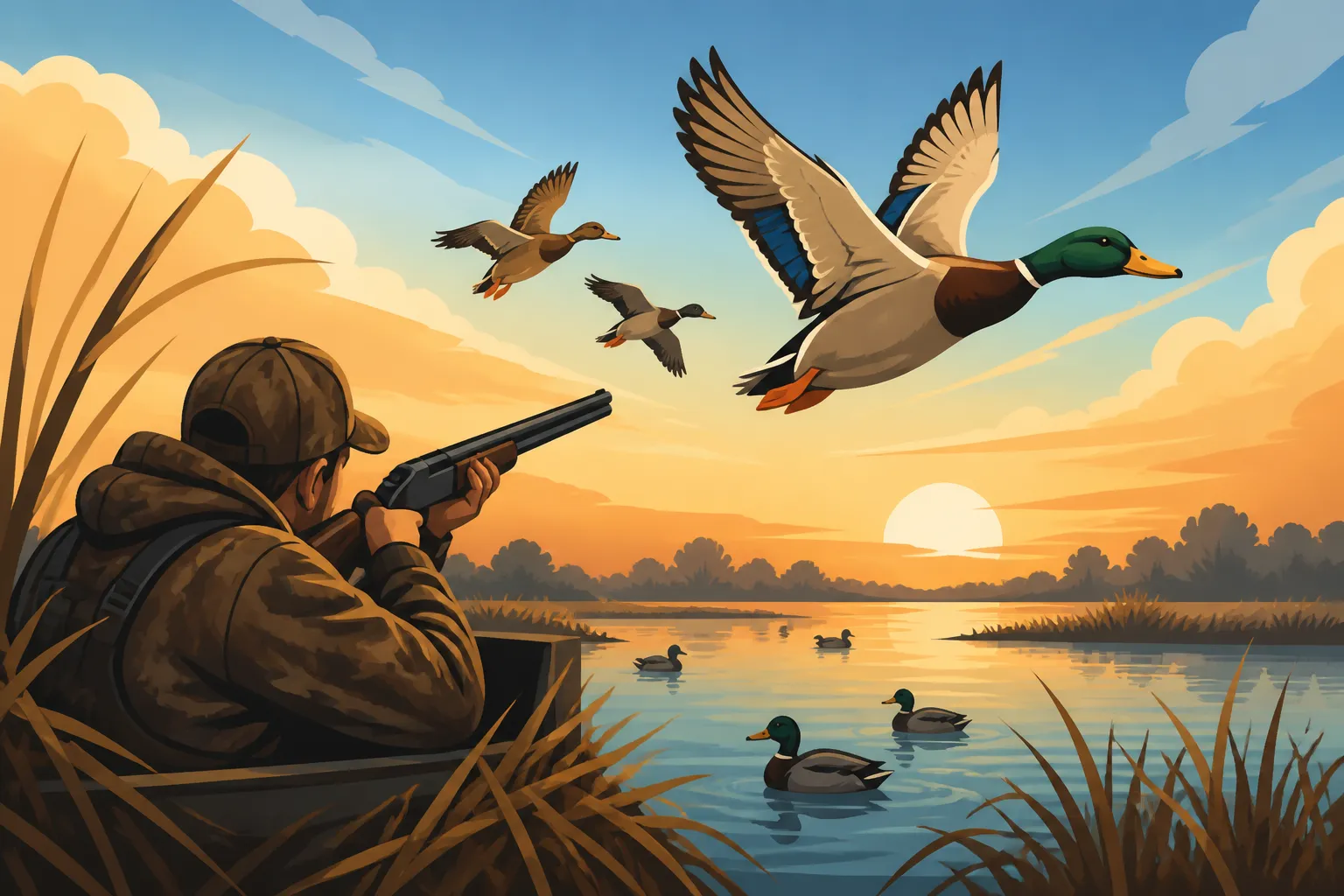
The vast, winding expanse of the Mississippi River backwaters presents both an incredible opportunity and a daunting challenge for waterfowl hunters in Iowa. It's easy to feel overwhelmed by the sheer scale, the ever-changing water levels, and the mystery of where the ducks and geese might be holding on any given day. This comprehensive guide aims to cut through that confusion, offering practical advice and seasoned insights to help you successfully hunt Mississippi River backwater waterfowl, from understanding their movements to setting up for success.
Understanding the Mississippi River Backwater Ecosystem
Hunting the Mississippi River backwaters isn't just about pointing a shotgun at a flying duck; it's about understanding a complex, living ecosystem. These areas are not static; they are dynamic, constantly changing with river levels, seasons, and even daily weather patterns. To consistently find success, you need to think like a duck and understand what drives their behavior in this unique environment.
The Dynamic Nature of River Backwaters
The Mississippi River is a living, breathing artery that constantly redefines its landscape. Its backwaters, sloughs, and secondary channels are directly influenced by the main river's flow, making them incredibly dynamic. What might be a prime feeding flat one week could be a dry mud bar or an impassable maze of flooded timber the next. This ebb and flow, often dictated by dam operations or upstream rainfall, is both the biggest challenge and the greatest advantage for waterfowl hunters. When river levels drop, shallow feeding areas emerge, concentrating birds. When they rise, new cover and flooded timber become accessible, often scattering the birds but opening up new hunting opportunities. You need to be aware of the current conditions; checking river gauges and local forecasts is as crucial as checking the wind report. Being adaptable is key. A spot that produced last year might be completely different this year, or even last week. It’s a constant chess match, and the river always makes the first move.
Key Waterfowl Food Sources and Habitat
The reason so many ducks and geese utilize the Mississippi River backwaters is simple: food and security. The fertile river bottom soil, combined with fluctuating water levels, creates an abundance of natural forage that ducks absolutely thrive on. Think about areas rich in wild rice, smartweed, duck potato, and various sedges and grasses. These are prime feeding grounds. Wood ducks, for instance, are huge fans of acorns, so identifying stands of pin oaks or other mast-producing trees near water can be a goldmine, especially during early season hunts. Mallards and other dabblers will frequent shallow flats where they can tip up and feed on submerged vegetation and invertebrates. Diving ducks, like canvasbacks and scaup, prefer deeper water with beds of sago pondweed or wild celery. Geese, on the other hand, often commute between these protected backwater roosting areas and nearby agricultural fields, particularly picked corn and soybean fields, for their main meal. Understanding these dietary preferences will guide your scouting efforts and help you predict where certain species will be concentrated. This knowledge is power when you’re trying to pattern birds through the constantly shifting mosaic of the Mississippi Flyway.
Accessing and Navigating Backwater Areas
One of the biggest hurdles for many hunters eyeing the Mississippi River backwaters is simply figuring out how to get into these wild, often remote spots. This isn't like hunting a small farm pond; it requires careful planning, the right equipment, and a healthy respect for the river itself.
Boat Ramps and Public Access Points
Access is paramount when hunting the Mississippi River backwaters. You need reliable boat ramps, and thankfully, the Iowa Department of Natural Resources (DNR) and local county conservation boards maintain numerous points along the river. Towns like Clinton, Muscatine, Burlington, Guttenberg, and Lansing all offer various levels of access. Some ramps are well-maintained concrete, perfect for larger boats, while others might be gravel or even primitive, better suited for smaller jon boats or canoes. Before you head out, it's wise to consult the Iowa DNR hunting atlas or a tool like GoHunt's mapping software to pinpoint specific ramps and understand any associated rules or fees. Pay close attention to current river levels; some ramps become unusable at extremely high or low water. Additionally, remember that while many backwater areas are public, there can be private parcels mixed in, so always be vigilant about property lines. Knowledge of these access points is your first step to unlocking the potential of hunting the Upper Mississippi Refuge Hunting areas.
Interpreting River Maps and Channels
Once you're on the water, navigating the labyrinthine backwaters can be a challenge. It's not always as simple as following a straight path. Channels shift, logs appear, and what looks like open water on an old map might now be a dense stand of emergent vegetation. Modern mapping applications, like those found on a smartphone with offline capabilities or dedicated GPS units, are invaluable tools. Look for contour lines that indicate deeper channels and shallower flats. Pay attention to areas marked as "sloughs," "cuts," or "chutes" – these are often natural travel corridors for waterfowl. On a map, you can often identify natural choke points or pinch points where waterfowl might funnel, offering excellent opportunities for setting up a decoy spread. Aerial imagery, readily available through various online platforms, is also a game-changer for identifying potential roosting areas or hidden pockets of open water surrounded by thick cover. Remember that some sections of the river, like those around Pool 9 and Pool 13, are extensive and complex, requiring thorough map study before you even launch your boat. Always carry a physical map and compass as a backup, just in case technology fails you in a remote slough.
Scouting Strategies for Mississippi Flyway Birds
You can't just show up to the Mississippi backwaters and expect to consistently find ducks. Successful waterfowl hunting here is built on diligent scouting. It's about knowing where the birds want to be and why. This often means putting in the legwork (or boat-work) long before opening day.
Reading Water and Identifying Roosting Areas
Effective scouting on the Mississippi River backwaters involves more than just looking for ducks on the water. It’s about reading the water, the surrounding habitat, and understanding what conditions attract birds. Look for areas with minimal current where ducks can rest and feed undisturbed. Shallow flats, especially those with exposed mud or abundant aquatic vegetation, are prime feeding areas for dabblers like mallards and teal. For divers, focus on deeper, clearer water where their preferred submerged vegetation thrives. Roosting areas are equally critical; these are often secluded, well-protected pockets of open water within dense cover, away from human disturbance. You might find them deep within flooded timber, in a quiet bay surrounded by tall rushes, or even on remote sandbars. The key to identifying these areas is observing bird behavior, particularly in the late afternoon and early morning. Ducks often have specific flight paths to and from their roosts. Watching how birds funnel into or out of a particular slough at dusk can tell you exactly where they intend to spend the night, giving you a huge advantage for a morning hunt. Don't be afraid to use a good pair of binoculars to watch distant activity without disturbing the birds. This kind of careful observation is what will tell you when the Iowa Duck and Goose Migration Timing is peaking in your chosen area.
Utilizing Technology for Pre-Season Scouting
Gone are the days when a paper map and a keen eye were your only scouting tools. Today, technology offers incredible advantages for pre-season scouting on the Mississippi. Satellite imagery, readily available through apps like Google Earth or dedicated hunting platforms like GoHunt, allows you to meticulously study vast expanses of backwater from the comfort of your home. You can identify hidden sloughs, potential landing zones, vegetation types, and even subtly discern water depths by color variation. Look for patterns in the landscape: timbered islands, submerged stumps, areas of dense lily pads, or patches of wild rice. These features can all indicate prime duck habitat. Many platforms also offer historical imagery, which can show you how water levels have changed over time and how different areas looked in previous seasons. Beyond satellite views, utilize online resources for river forecasts and dam operations. Knowing if the river is rising or falling, and by how much, can dramatically impact your hunt plan. For instance, a rising river might push Mallards on Iowa River Backwaters into newly flooded timber, while a falling river could expose mudflats, concentrating them. Combine this digital reconnaissance with "boots on the ground" (or boat on the water) scouting for the most complete picture.
Effective Decoy Spreads and Blind Setups
Once you've done your scouting and understand where the birds want to be, the next step is presenting a convincing scenario to bring them within shooting range. This involves thoughtful decoy spreads and well-executed concealment.
Adapting Spreads to Water Depth and Species
The Mississippi backwaters are home to a diverse array of waterfowl, and a "one-size-fits-all" decoy spread rarely cuts it. You need to adapt your spread based on the water depth and the primary species you're targeting. For dabbling ducks like mallards, pintails, and wigeon, which prefer shallower water, a typical U-shaped or J-shaped spread with plenty of open landing zones works well. Place decoys in water where they can realistically tip up to feed, usually 6 inches to 2 feet deep. Consider adding motion decoys, like spinning wing or jerk rigs, to simulate active feeding and draw attention from a distance. If you're targeting Wood Ducks in Iowa Timber, a smaller spread might be more effective, often placed closer to cover or timber edges, as these birds tend to be less tolerant of wide-open spaces. For diving ducks, which frequent deeper channels and open water, large, loose rafts of decoys placed further from the blind can be more effective. Species-specific decoys, like canvasbacks or bluebills, can also be advantageous. Don't be afraid to experiment with the numbers; sometimes fewer decoys, strategically placed, can be more effective than a massive spread, especially when hunting pressure is high. Remember, the goal is to make your spread look natural and inviting, a place where other birds feel safe to land. For early season, when Teal Migration Through Iowa is strong, smaller teal decoys mixed in can be deadly.
Concealment in Backwater Timber and Shorelines
You can have the most realistic decoy spread in the world, but if the birds spot you, your hunt is likely over. Effective concealment is non-negotiable, especially on heavily pressured public land. In the timbered backwaters, finding natural cover is often the best approach. Look for fallen logs, dense brush piles, or standing timber that can break up your outline. If you're using a boat blind, take the time to brush it in thoroughly with natural vegetation from the immediate area. Don't just throw a few branches on top; aim to make it disappear into the background. For shoreline hunting, ground blinds in Iowa Farm Country can be effective, but again, they must be meticulously brushed in. Cut local vegetation – cattails, reeds, willow branches – and weave it into the blind material. Pay particular attention to the top and sides, ensuring there are no glaring gaps for birds to spot movement. If the sun is a factor, position your blind to have it at your back or to the side, preventing glare from silhouetting you. Being mindful of the wind and thermals in River Breaks can also affect where you position your blind, ensuring your scent isn't blowing directly into an approaching flock. The best blind is one that birds don't even notice, allowing them to commit fully to your spread.
Calling Techniques and Bird Behavior
Calling is an art form in waterfowl hunting, and on the Mississippi backwaters, it's often a conversation. Knowing when to call, how loud, and what to say can make all the difference, especially when combined with an understanding of bird behavior under various conditions.
Mastering Calls for Mallards, Wood Ducks, and Geese
Having a repertoire of calls and knowing when to use them is crucial for success on the river. For mallards, the quintessential duck call, mastering the basic quack, hail call, comeback call, and feed chuckle will cover most situations. The hail call is for grabbing distant birds' attention, the comeback call for birds that are heading away, and the feed chuckle for creating a natural, relaxed atmosphere in your spread. Don't overcall; often, a few subtle quacks are more effective than constant, loud calling, especially as birds get closer. Wood ducks have a distinctive "wooo-eek!" call, and while less reliant on calling than mallards, a well-placed whistle can often bring them in, particularly if they're curious about your spread. For geese, you'll need a different set of calls – the cluck, moan, and honk. A deep, resonant honk for distant birds, and softer clucks and moans to simulate a contented flock. When using a combination of duck and goose calls, ensure they sound like distinct groups, not one confused gathering. Remember, the Mississippi sees a lot of hunting pressure, so often less aggressive, more realistic calling is key to sealing the deal. You might want to refer to guides on Rattling and Grunting During the Iowa Rut for deer, to understand how vocalization strategies work for different game, even if the calls are different.
Understanding Pressure and Migration Patterns
The Mississippi River is a major migratory highway, meaning birds are constantly moving through. This also means they encounter a lot of hunting pressure. Understanding how pressure affects bird behavior and how that ties into migration patterns is vital. Early in the season, before heavy pressure sets in, ducks might be more responsive to aggressive calling and larger, flashier spreads. As the season progresses and birds have been shot at repeatedly, they become "call-shy" and "decoy-shy." This is when subtle calling, smaller spreads, and impeccable concealment become even more important. Birds under pressure will often work harder to identify threats, circle higher, and land further away.
Migration patterns are equally crucial. While there are resident birds, the bulk of the hunting opportunity comes from migrating flocks. Keep an eye on weather forecasts to the north; cold fronts pushing south often bring new waves of ducks and geese. These new birds are often less wary and more willing to respond to calls and decoys. Conversely, a sustained warm spell might stall migration, meaning fewer new birds and more heavily pressured resident flocks. GoHunt apps or other dedicated hunting weather services can provide crucial real-time information. Understanding when and why new birds arrive can dramatically improve your success rate. This insight helps you strategize for periods like the Iowa Duck Migration Timing and capitalize on fresh birds.
Here's a quick reference on what different waterfowl species commonly look for in Mississippi River backwaters:
| Species | Preferred Water Depth | Common Food Sources | Typical Behavior in Backwaters | Optimal Decoy Spread |
|---|---|---|---|---|
| Mallard | Shallow (6"-2') | Wild rice, smartweed, corn, invertebrates, duck potato | Dabbler, feeds in shallow flats, often roosts in protected pockets. | U-shaped or J-shaped, open landing zone. Motion decoys good. |
| Wood Duck | Shallow (1'-3') | Acorns, seeds, insects, small invertebrates | Timid, prefers timbered sloughs and creeks. Flies fast, often low. | Small, tight spread near timber edges. |
| Teal | Very Shallow (3"-1') | Small seeds, aquatic insects, invertebrates | Fast flyers, often in large flocks. Skittish. | Small, dense spread, often with teal-specific decoys. |
| Canvasback | Deep (3'+) | Sago pondweed, wild celery, mussels | Diver, prefers large, open water bodies. | Large, loose rafts of diver decoys, far from blind. |
| Canada Goose | Shallow (6"-2'), fields | Grasses, waste grain (corn/soybeans) | Roosts on open water, feeds in fields. Gregarious. | Large spread of goose decoys on shore or shallow water. |
Disclaimer
Hunting carries inherent risks, including but not limited to those associated with firearms, watercraft, and outdoor environments. Always prioritize safety, follow all local, state, and federal hunting regulations, and ensure you have proper licensing and training. This information is for educational purposes only and should not replace professional guidance or official DNR publications.