Species Iowa Hunters Take Most
It's easy to get caught up in the big bucks and record-book stories you see floating around, especially when you're thinking about hunting in Iowa. But beyond the headlines, what are Iowa hunters actually spending most of their time pursuing? This guide is going to strip away the marketing hype and give you a realistic, boots-on-the-ground look at the game species that consistently draw the most attention, effort, and harvest numbers from hunters across the Hawkeye State.
The Undisputed King: Iowa Whitetail Deer
When you mention "hunting" in Iowa to almost anyone, even non-hunters, the first thing that springs to mind is usually whitetail deer. And for good reason. Our whitetails aren't just abundant; they are, quite frankly, incredible. The sheer number of deer, coupled with the potential for truly world-class animals, makes them the absolute pinnacle of hunting pursuits here.
Why Whitetails Reign Supreme
Iowa's unique agricultural landscape, with its rich soils producing a bounty of corn and soybeans, creates an unparalleled nutritional powerhouse for deer. This isn't just a slight advantage; it's a game-changer. Deer here grow big, both in body and antler. You'll hear stories from hunters who've been at it for decades, and they'll all tell you about the robust health of our deer herd. This consistent quality means that every deer season holds the potential for a personal best, whether it's a heavy-bodied doe to fill the freezer or a truly magnificent buck to chase. The dream of harvesting a mature Iowa whitetail is a powerful motivator, drawing both residents and non-residents alike, many of whom meticulously track their progress with tools like the mapping features offered by GoHunt to find prime bedding and feeding areas. It’s deeply ingrained in our hunting culture.
Moreover, the chase itself offers so much variety. From stealthy archery pursuits in early fall to intense party drives during shotgun season, there’s a method and a challenge for every kind of hunter. The deer are cunning, the woods are diverse, and every season brings new puzzles to solve. This engagement keeps hunters coming back year after year, perfecting their craft and learning the land.
Understanding Deer Season Opportunities
One of the big reasons whitetails are so popular is the sheer breadth of seasons available. Iowa offers opportunities from early fall into mid-winter, accommodating different weapons and hunting styles.
The archery season, for example, opens in early October, offering hunters the chance to be in the timber as the leaves turn, before heavy hunting pressure sets in. It’s a long season, running until nearly mid-January, with a break for the shotgun seasons. This allows bowhunters ample time to scout, set stands, and learn deer patterns. You can really get to know a piece of ground during this time. For insights into timing your hunts, you might find Iowa Deer Season Dates by Weapon a helpful resource to plan your approach.
Then we transition into the gun seasons. We have an early muzzleloader season in October, followed by two separate shotgun seasons in December, and then a late muzzleloader season that stretches into January. Each of these offers unique challenges and rewards. Shotgun seasons, in particular, are a huge social event for many families and groups, often involving party hunting and deer drives. These seasons are designed to allow a significant harvest, crucial for managing our robust deer population. The variety ensures that if you miss out on one opportunity, another one isn't far behind.
Typical Harvest Trends and Management
The sheer volume of deer harvested annually in Iowa is staggering. While the exact numbers fluctuate, you can always count on tens of thousands of deer being taken each year. What's interesting to note is the balance between antlered bucks and antlerless deer. Iowa's management philosophy often encourages the harvest of does to keep the herd healthy and in check with the available habitat. This means that while many hunters dream of a trophy buck, a large percentage of the tags filled each year are for does, which helps ensure a sustainable future for the herd.
Many hunters will fill their "any-deer" tag with a buck, if presented with the opportunity, but then actively pursue antlerless tags to keep their freezers full. These antlerless tags are often more readily available and allow for management-focused hunting. This dual approach of seeking both trophy bucks and managing doe populations is a cornerstone of Iowa whitetail hunting. Understanding Iowa Deer Herd Management and Harvest can help hunters see their role in this larger conservation effort. The sustained high harvest numbers clearly indicate that our whitetail population is not just thriving, but also provides ample opportunities for hunters across the state.
The Vocal Challenges: Iowa Wild Turkeys
After whitetail deer, wild turkeys come in a strong second for hunter participation and passion. There’s something truly intoxicating about hearing a gobbler thunder from the roost on a crisp spring morning, or the subtle clucks and purrs as you try to call a wary hen back to her scattered flock in the fall. Turkey hunting offers a completely different, yet equally rewarding, experience.
The Allure of Spring Gobblers
Spring turkey hunting is arguably the most popular segment of the turkey seasons. It's a game of wits, patience, and realistic calling. As winter gives way to spring, the woods come alive, and the sounds of gobbling dominate the morning air. Hunters venture out, often before dawn, to try and locate a roosted gobbler. The goal is to set up strategically, often with decoys, and use various calls – yelps, clucks, purrs – to entice a lovesick tom within shotgun or bow range.
The thrill of calling a big tom in, watching him strut and drum, is an experience that hooks hunters for life. It's an active, engaging form of hunting that requires keen observation and a deep understanding of turkey behavior. Every setup is different, every bird has its own personality, and the learning curve is steep but incredibly rewarding. Many hunters pour over maps on sites like GoHunt, looking for prime roosting timber and potential strut zones before the season even opens. For more detailed strategies on this exhilarating pursuit, consider checking out Iowa Turkey Hunting Tactics for Spring Gobblers.
Fall Turkey Hunts: A Different Strategy
While spring gobbler season gets a lot of attention, Iowa also offers a fall turkey season. This can be a fantastic opportunity, though it requires a different approach. In the spring, you're primarily targeting gobblers, often alone or with a few hens. In the fall, turkeys are typically in larger flocks, and the dynamic completely changes.
Instead of trying to call in a strutting tom, fall hunting often revolves around locating a flock, breaking it up, and then patiently calling in the scattered birds, usually focusing on hens or jakes who are looking to rejoin their group. This can be an incredibly effective method, but it demands a different kind of stealth and calling prowess. It’s less about aggressive gobbling and more about subtle hen chatter to reassure a wary bird. It also offers the chance to harvest "any sex" turkey, which can be a great way to fill the freezer after the excitement of the spring season has passed.
Turkey Numbers and Huntable Areas
Iowa's wild turkey population is generally robust, especially in the timbered regions. You'll find good turkey numbers across much of the state, but particularly in areas with a healthy mix of mature hardwoods for roosting and fields for feeding. Southern Iowa, with its extensive timber blocks and mixed agricultural landscapes, is often touted as a prime turkey hunting destination. The northeastern "Driftless Area" with its rugged terrain and abundant woods also holds strong populations.
Access isn't usually as challenging as with deer, as turkeys utilize a lot of the same public lands. State forests like Stephens or Yellow River, and many smaller wildlife management areas (WMAs), offer excellent turkey hunting. Even on private land, permission for turkey hunting can sometimes be easier to secure than for deer, making it a great option for hunters looking to expand their opportunities. The health of the turkey population means that most hunters, with a bit of scouting and persistence, stand a good chance of success.
Roaming the Prairies: Iowa Upland Game Birds
While deer and turkey hog much of the spotlight, Iowa holds a special place in the hearts of many for its upland bird hunting. For those who love walking fields with a shotgun and perhaps a loyal dog, pheasants and quail offer some of the most exciting, fast-paced action the state has to offer.
Pheasants: The Gold Standard
The ring-necked pheasant is, without a doubt, the undisputed king of Iowa's upland birds. For generations, chasing roosters through CRP fields, ditch lines, and picked corn has been a fall tradition. Their vibrant plumage, explosive flush, and delicious table fare make them incredibly sought after. Iowa’s flat to gently rolling agricultural landscape, interspersed with critical pheasant habitat, provides excellent opportunities.
Successful pheasant hunting often involves methodical walking of cover, pushing birds towards blockers, or working with well-trained bird dogs. It’s a social hunt, often involving groups of friends or family, and the camaraderie is as much a part of the experience as the hunt itself. Hunters pay close attention to the annual pheasant roadside survey results, which give a good indication of the upcoming season's prospects. Understanding the best strategies for this popular pursuit can be found in resources like Pheasant Hunting Iowa Grass and Crop Edges. The challenge of finding and flushing these wily birds, coupled with the satisfaction of a successful shot, keeps pheasant hunters coming back year after year.
Quail: A Southern Iowa Gem
While not as widespread as pheasants, the bobwhite quail holds a very special place for hunters in the southern reaches of Iowa. These feisty, tight-holding birds offer a unique hunting experience, often in brushier, more dense cover than pheasants prefer. After decades of decline, quail populations have shown promising signs of recovery in certain areas, particularly where quality habitat has been maintained or restored.
Quail hunting is typically a dog-intensive sport. A good pointing dog is invaluable for locating coveys that will often hold tight until almost stepped on. When a covey flushes, it's an explosion of wings and a flurry of shots. The rapid-fire action and the distinctive "bob-white!" call make quail hunting an addictive pursuit for those who venture into their preferred southern Iowa thickets and brush piles. You'll often find these birds in areas with a mix of timber edges, dense shrubbery, and crop fields, particularly in counties bordering Missouri.
Chasing Migratory Birds: Iowa Waterfowl
For a dedicated segment of Iowa hunters, the changing leaves of fall signal something else entirely: the southbound migration of ducks and geese. Iowa sits strategically on the Mississippi Flyway, making it a critical corridor for countless waterfowl traveling from their northern breeding grounds to warmer wintering areas. This position creates fantastic, albeit often challenging, hunting opportunities.
Mississippi Flyway Magnetism
Iowa's location is a huge advantage for waterfowl hunters. The state is crisscrossed by rivers, dotted with wetlands, and includes significant portions of the mighty Mississippi River itself. These natural features act as magnets, drawing in vast numbers of ducks and geese during their fall and winter migrations. Hunters spend countless hours watching weather patterns, cold fronts, and water levels, knowing that these factors can dramatically influence when and where birds will show up.
The appeal lies in the dynamic nature of the hunt. One day a marsh might be devoid of birds, and the next, a fresh wave of migrants can fill the air, offering fast-paced action. It's a game of scouting, decoy placement, calling, and reading the wind, making it one of the most intellectually engaging forms of hunting. Hunters often use mapping applications like GoHunt to pinpoint critical water features, potential feeding fields, and public access points along these major migration routes. Further information on this topic can be explored in Iowa Waterfowl on the Mississippi Flyway.
Common Duck and Goose Species
Iowa waterfowl hunters pursue a variety of species, with mallards often being the most targeted duck. These hardy birds are abundant and respond well to calling and decoys. You'll also find plenty of wood ducks, especially in timbered river bottoms and flooded woods, known for their stunning plumage and acrobatic flight. Teal, pintails, gadwalls, and wigeon are also common visitors, offering a diverse bag.
For geese, Canada geese are incredibly popular, often hunted in harvested corn and bean fields, or over water. Snow geese also pass through Iowa in massive numbers, particularly during their spring migration, offering a unique high-volume hunting experience. Hunters tailor their spreads and calling techniques to the specific species they are pursuing, adding another layer of complexity and skill to the hunt.
Accessing Iowa's Waterfowl Opportunities
Access to quality waterfowl hunting in Iowa can vary. Many hunters have private land access to ponds or fields, but there are also significant public opportunities. Wildlife Management Areas (WMAs) specifically managed for waterfowl often feature marshes, impoundments, and flooded timber. The vastness of the Mississippi and Missouri river systems also provides extensive hunting grounds, particularly in backwaters, sloughs, and islands.
Successful public land waterfowl hunting often requires diligent scouting, early mornings, and sometimes a boat or canoe to access prime spots. Hunters spend considerable effort understanding water levels, bird movements, and other hunter pressure to find success. Resources like Waterfowl Hunting Iowa River Backwaters can provide valuable insights into these areas. While it can be more challenging than some other forms of hunting, the reward of a successful morning in a duck blind or goose pit, surrounded by the sights and sounds of the migration, is an experience many Iowa hunters cherish.
Summary of Iowa's Most Popular Game Species
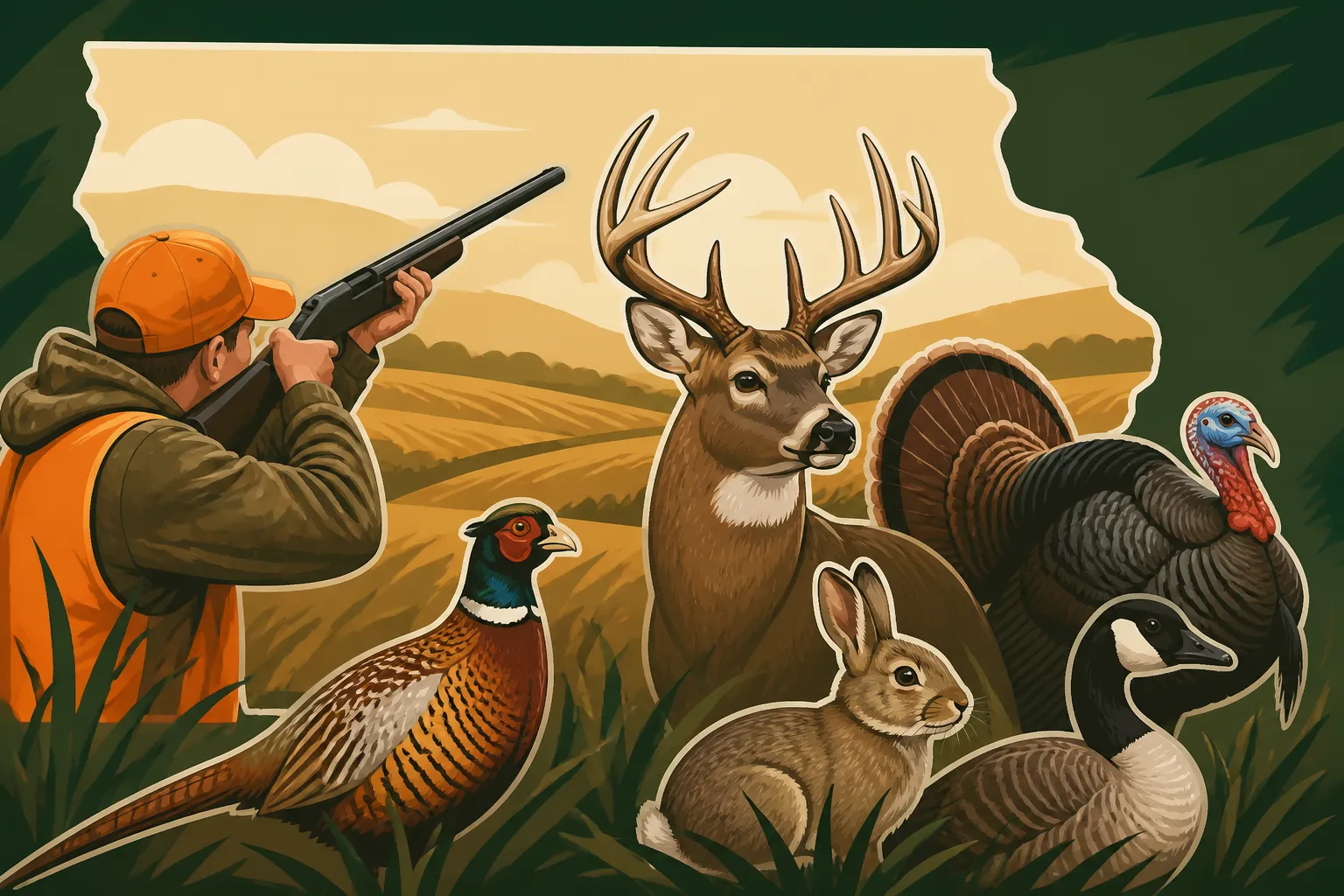
Iowa's diverse landscape and rich natural resources provide a wealth of hunting opportunities. While personal preferences certainly play a role, the following table summarizes the species that consistently see the highest hunter participation and harvest numbers.
| Game Species | Primary Hunting Methods | Typical Season Timing | General Popularity (Hunter Participation) |
|---|---|---|---|
| Whitetail Deer | Archery, Shotgun, Muzzleloader | Early Fall (Archery) – Mid-Winter (Gun) | Extremely High |
| Wild Turkey | Calling, Decoys, Stalking | Spring (Gobblers), Fall (Any Turkey) | High |
| Ring-Necked Pheasant | Walking, Blocking, Dog Work | Late Fall – Mid-Winter | High |
| Waterfowl | Decoys, Blinds, Jump Shooting | Fall – Early Winter | Moderate to High |
Each of these species offers its own unique challenges and rewards, contributing to the rich tapestry of hunting traditions in Iowa. Whether you're chasing the elusive whitetail, the thunderous gobbler, the explosive pheasant, or the migrating duck, Iowa truly has something for every hunter.
Disclaimer
This article is for general informational purposes only and does not constitute professional advice. Laws, prices and regulations vary by location and change over time. Consult a qualified professional for guidance on your specific situation.