Game You Cannot Hunt in Iowa
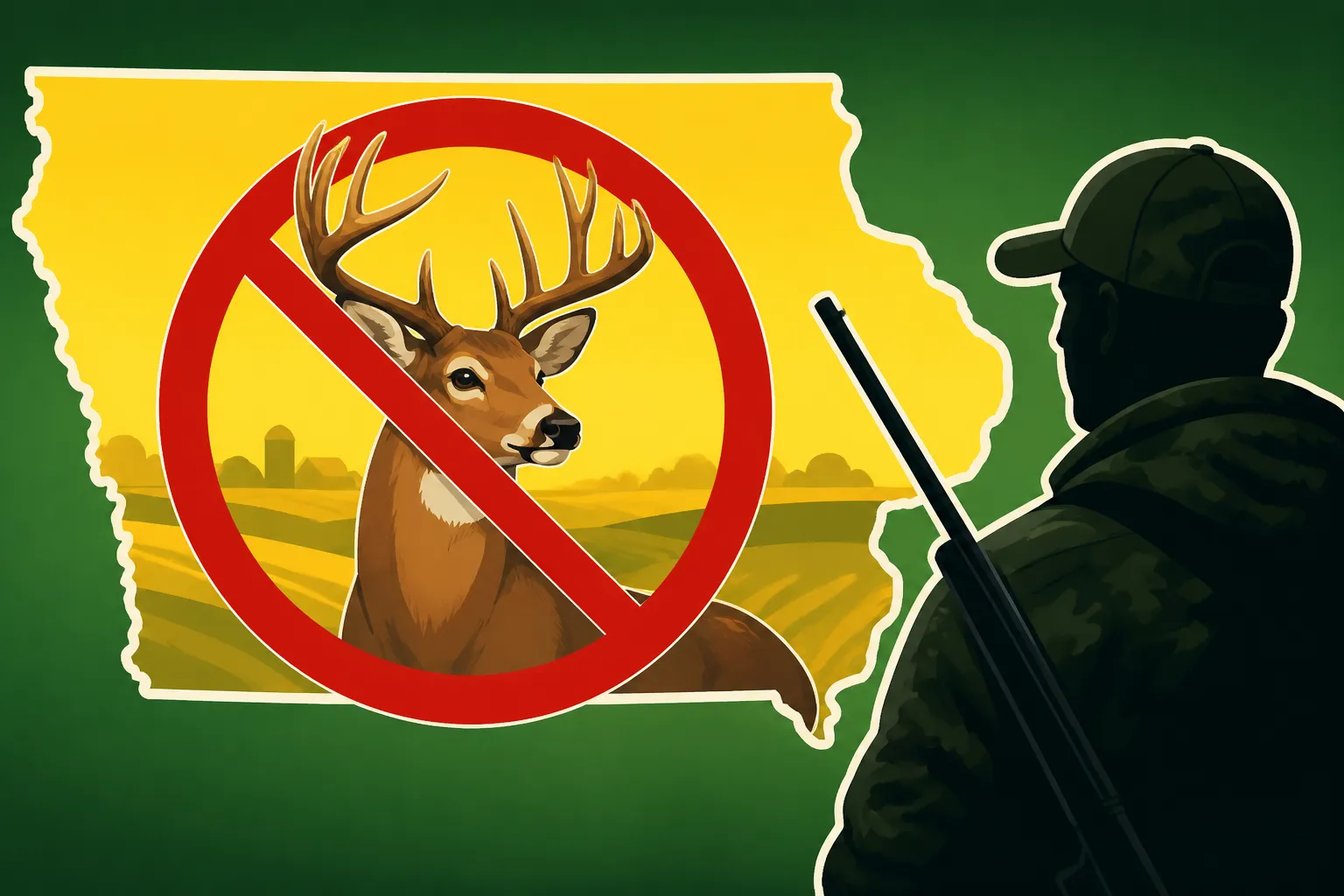
It's incredibly exciting to plan a hunting trip in Iowa, a state renowned for its incredible whitetail deer and abundant upland birds. However, amidst all the talk of what you can pursue, it's just as vital—if not more so—to understand what wildlife is off-limits. Ignoring these rules can lead to serious legal trouble and harm conservation efforts. This guide will walk you through the various species you cannot hunt in Iowa, explain why they're protected, and help you navigate the regulations so you can hunt responsibly and within the law.
Understanding Iowa's Hunting Regulations and Protected Species
Iowa’s landscape supports a diverse array of wildlife, from the smallest songbirds to the most elusive predators. While many species provide fantastic hunting opportunities, others are strictly protected. These protections aren't arbitrary; they are the result of careful scientific study, conservation goals, and legal mandates designed to maintain ecological balance and ensure healthy populations for future generations.
Why Certain Species Are Protected
The reasons a particular animal might be off-limits to hunting are varied and often interconnected. Primarily, protection status comes down to conservation. Some species, like the gray wolf, have faced historical decimation and are slowly attempting to re-establish themselves, making their protection crucial for recovery. Others, like mountain lions and black bears, are either rare visitors passing through or exist in such small, scattered numbers that any hunting pressure could be detrimental to their long-term presence in the state. We’ve seen fantastic success stories in Iowa with species like wild turkeys and deer, and careful management is key to maintaining those successes.
Furthermore, some animals simply aren't considered "game" species. This means they don't have established hunting seasons, bag limits, or designated methods of take because they aren't traditionally pursued for sport or sustenance in the same way deer, pheasants, or turkeys are. Think about it: you wouldn't typically hunt a robin, would you? The regulations clearly define what is game, and anything outside of that definition generally falls into a protected or non-game category.
How Regulations Are Established
Hunting and fishing regulations in Iowa are not pulled out of thin air. They are carefully crafted by the state's wildlife management agency, often with input from biologists, conservation groups, and the public. These decisions are based on data from population surveys, harvest reports, habitat health assessments, and ongoing research. When significant changes are proposed, there's usually a public comment period where hunters, landowners, and concerned citizens can voice their opinions. It's a dynamic process, and understanding how these rules come to be can help you appreciate their importance. You can often stay informed about these processes by checking the official sources. For instance, knowing the Iowa Regulation Booklet Release Date can help you get a head start on understanding any new or updated rules before the season kicks off.
The Importance of Knowing the Rules
It might seem obvious, but knowing what you cannot hunt is just as important as knowing what you can. The consequences of illegally harvesting a protected animal can be severe, ranging from hefty fines and license revocation to potential jail time. Beyond the legal ramifications, there's an ethical responsibility. As hunters, we are stewards of the land and its wildlife. Accidentally or intentionally taking a protected species undermines conservation efforts and reflects poorly on the entire hunting community. Always confirm the species before you pull the trigger, and if you’re unsure, it’s best to hold off. It's truly better to be safe than sorry when it comes to wildlife regulations. If you ever witness someone breaking these rules, it's crucial to know about Reporting Poaching in Iowa and understand Iowa Wildlife Violation Penalties.
Common Misconceptions: What Many Hunters Ask About
It's natural for hunters, especially those new to Iowa or visiting from other states, to wonder about the presence of certain iconic North American big game animals. While Iowa is famous for its whitetails, other species occasionally make headlines or spark questions among the hunting community. Let's clear up some of those common points of confusion.
Elk and Moose Sightings in Iowa
Every so often, you'll hear a rumor or see a blurry photo circulate of an elk or even a moose in Iowa. It's exciting, right? These magnificent animals certainly capture the imagination. And yes, Elk and Moose Sightings in Iowa do occur. However, these are almost exclusively transient individuals, often young males dispersing from established populations in neighboring states like Minnesota, Wisconsin, or Nebraska. They are not part of a resident, breeding population in Iowa. As such, there is no hunting season for elk or moose in Iowa, and they are fully protected. If you're lucky enough to spot one of these giants, enjoy the rare experience, but keep your rifle cased and your bow unstrung. They're just passing through and are an awesome sight to behold.
Mountain Lion Sightings in Iowa
Ah, the phantom menace of the Midwest: the mountain lion. Reports of Mountain Lion Sightings in Iowa have steadily increased over the years, leading many to believe that Iowa has a thriving population of these elusive predators. While there's no doubt that mountain lions occasionally pass through Iowa, usually young males again, dispersing from established populations in states further west like Nebraska or the Dakotas, there is no evidence of a breeding population here. The Iowa DNR monitors these sightings closely, but they are not considered a resident game species. Like elk and moose, mountain lions are fully protected in Iowa, and it is illegal to hunt them. They are incredibly secretive animals, and a true sighting is a rare gift, not an invitation to hunt.
Black Bear Reports in Iowa
Similar to mountain lions, Black Bear Reports in Iowa pop up periodically, especially in the eastern part of the state. These aren't just tall tales; bears have indeed been sighted in Iowa. They typically wander in from established populations in states like Wisconsin or Minnesota. While it's thrilling to know these large mammals might be roaming our woods, black bears are not considered a huntable game species in Iowa. They are fully protected, and there is no open season for them. If you encounter a bear, the best thing to do is admire it from a safe distance and report the sighting to the Iowa DNR, but do not harass or pursue it.
Are There Wolves in Iowa?
This is a question with a fascinating historical context. Iowa was once home to gray wolves, but they were extirpated from the state by the early 20th century. Today, the question, "Are There Wolves in Iowa?" often arises from reports of animals that turn out to be coyotes or coyote-dog hybrids. However, much like the other transient species, individual gray wolves, particularly young males, have been documented making their way into Iowa from strong populations in Minnesota and Wisconsin. These are incredibly rare occurrences, and any wolf that enters Iowa is considered an endangered or threatened species under federal and state law, making it strictly protected. There is absolutely no open season for wolves in Iowa, and shooting one carries severe penalties.
Other Non-Game and Regulated Species to Be Aware Of
Beyond the headline-grabbing large mammals, there are numerous other species in Iowa that are either not designated as game animals or are subject to very specific regulations that essentially make them off-limits to general hunting. Being aware of these helps ensure you're always operating within the law.
Feral Hogs and Iowa Rules
Feral hogs are a serious problem in many parts of the United States, causing massive habitat destruction, crop damage, and even posing disease risks to livestock and native wildlife. You might think, "Well, they're destructive, so I can just shoot them, right?" Not so fast. While Feral Hogs and Iowa Rules acknowledge their detrimental impact, Iowa has very specific regulations to prevent their establishment and spread. The state's approach is to eradicate them, not to allow recreational hunting, which can actually disperse hog populations and make them harder to control.
Here's the critical distinction: if you see feral hogs, you are legally obligated to report them to the Iowa DNR. Hunters are generally not permitted to shoot feral hogs, especially on public land, and there are strict rules for private land as well. The state wants to manage the eradication professionally to prevent populations from taking hold. The last thing they want is for hunters to inadvertently scatter sounders and make the problem worse, or for individuals to mistakenly release hogs for future hunting opportunities, which is highly illegal and damaging.
Non-Huntable Bird Species
While Iowa offers fantastic opportunities for pursuing pheasants, quail, turkeys, and various waterfowl, the vast majority of bird species are not huntable. This includes all songbirds, raptors (like hawks, eagles, and owls), wading birds (herons, egrets), and many others. These birds are protected by state and federal laws, most notably the Migratory Bird Treaty Act. It's important to be able to identify your target species accurately, especially when hunting upland birds or waterfowl, to ensure you don't accidentally take a protected bird. Hunters need to be particularly vigilant during migratory bird seasons, ensuring they can identify legal waterfowl from non-game species before taking a shot.
Small Mammals Not Designated as Game
When we talk about hunting small game in Iowa, we're typically thinking about cottontail rabbits and squirrels. However, there's a whole host of other small mammals that, while present in Iowa, are simply not categorized as game animals and therefore cannot be legally hunted. This includes everything from shrews and moles to certain species of mice, bats, and even some furbearers like badgers, depending on specific seasons and regulations. While some furbearers like coyotes, raccoons, and opossums do have hunting or trapping seasons, others do not. The key takeaway here is to stick to the officially listed game species in the Iowa Hunting Regulations. If it's not explicitly listed with a season, bag limit, and method of take, assume it's protected or not considered a huntable species.
How to Stay Informed and Hunt Responsibly
Navigating hunting regulations can feel like a maze sometimes, but it's an essential part of being a responsible hunter. The good news is that Iowa provides plenty of resources to help you stay on the right side of the law and make ethical decisions in the field.
Utilizing Official Resources
The absolute best resource for understanding what you can and cannot hunt in Iowa is the official Iowa Department of Natural Resources (DNR) website and their annual hunting regulations booklet. This booklet, which you can usually find online or at any place where hunting licenses are sold, is your bible for the season. It details all legal game species, season dates, bag limits, shooting hours, legal methods of take, and any special regulations that apply to specific areas or species.
Beyond the annual booklet, the Iowa DNR often posts updates, news, and even proposed rule changes on their website. Subscribing to their newsletters or following their official social media channels can help you stay current. Remember that the regulations can change, so what was legal last year might have minor adjustments this year. Always review the most current regulations before heading out. Iowa Hunter Education and Licensing Basics are also crucial, as proper education is the foundation of responsible hunting. You can even participate in the process of shaping future regulations by Commenting on an Iowa Hunting Rule.
Mapping Tools and Land Ownership
A common reason hunters might inadvertently run into trouble with protected species or off-limits areas is simply not knowing where they are. This is where modern mapping tools become indispensable. Services like GoHunt provide detailed maps that layer public land boundaries, private property lines, and often even specific wildlife management area regulations. Using such tools can help you clearly identify designated hunting zones, understand access points, and avoid trespassing on private land or entering protected areas where hunting might be prohibited entirely, regardless of the species.
For example, an area might be open for deer hunting but closed to turkey hunting, or certain segments of public land might be designated as refuges where no hunting is allowed at any time. By checking your location and the specific rules for that parcel, you can make sure you're not only hunting legally but also respecting the diverse uses of Iowa's natural spaces. Learning to use tools like Using the Iowa DNR Hunter Atlas can make a huge difference in your planning and execution.
Reporting Sightings and Violations
Being a responsible hunter also means being an active participant in conservation. If you happen to see one of the protected species mentioned above—an elk, a mountain lion, a black bear, or especially a wolf—report it to the Iowa DNR. These sightings, even if rare, provide valuable data that helps biologists track wildlife movements and understand population dynamics. Never publicize sightings on social media without also reporting to official channels, as it can cause unnecessary panic or attract illegal activity.
Equally important, if you witness what you believe to be a hunting violation, such as someone hunting a protected species, trespassing, or poaching, report it immediately. The Turn In Poachers (TIP) program in Iowa is confidential and vital for protecting the state's wildlife resources. Knowing about Iowa Wildlife Violation Penalties helps you understand the gravity of these situations. We all have a role to play in safeguarding Iowa's rich natural heritage.
| Category of Non-Huntable Species | Primary Reason for Protection | Example |
|---|---|---|
| Rare Migrants/Transients | No resident population, conservation | Elk, Moose, Mountain Lion, Black Bear |
| Endangered/Threatened | Critically low populations, recovery efforts | Gray Wolf |
| Non-Game Birds | Ecological importance, federal protection | Robins, Owls, Hawks, Eagles |
| Feral/Invasive (Controlled) | Eradication strategy, prevent spread | Feral Hogs |
| Small Non-Game Mammals | Not traditionally hunted, no season | Shrews, Moles, Bats |
Disclaimer
This article is for general informational purposes only and does not constitute professional advice. Laws, prices and regulations vary by location and change over time. Consult a qualified professional for guidance on your specific situation.