Chronic Wasting Disease in Iowa Deer
It's tough to talk about Chronic Wasting Disease (CWD) because it's a silent threat slowly making its way across our beloved Iowa landscape, bringing worry to every hunter and wildlife enthusiast. This isn't just some abstract scientific problem; it hits home, affecting the deer we chase, the venison we eat, and the future of our hunting heritage. This comprehensive guide aims to peel back the layers of CWD in Iowa, helping you understand what it is, how it's spreading, what the Iowa DNR is doing, and, most importantly, how you, as a responsible hunter, can play a vital role in managing this challenge.
Understanding Chronic Wasting Disease (CWD)
When we talk about the health of our deer herd, CWD is often at the forefront of concerns, and for good reason. It's a disease that can feel mysterious and alarming, especially when you hear about its relentless nature. But really understanding it is the first step toward managing it effectively.
What Exactly is CWD?
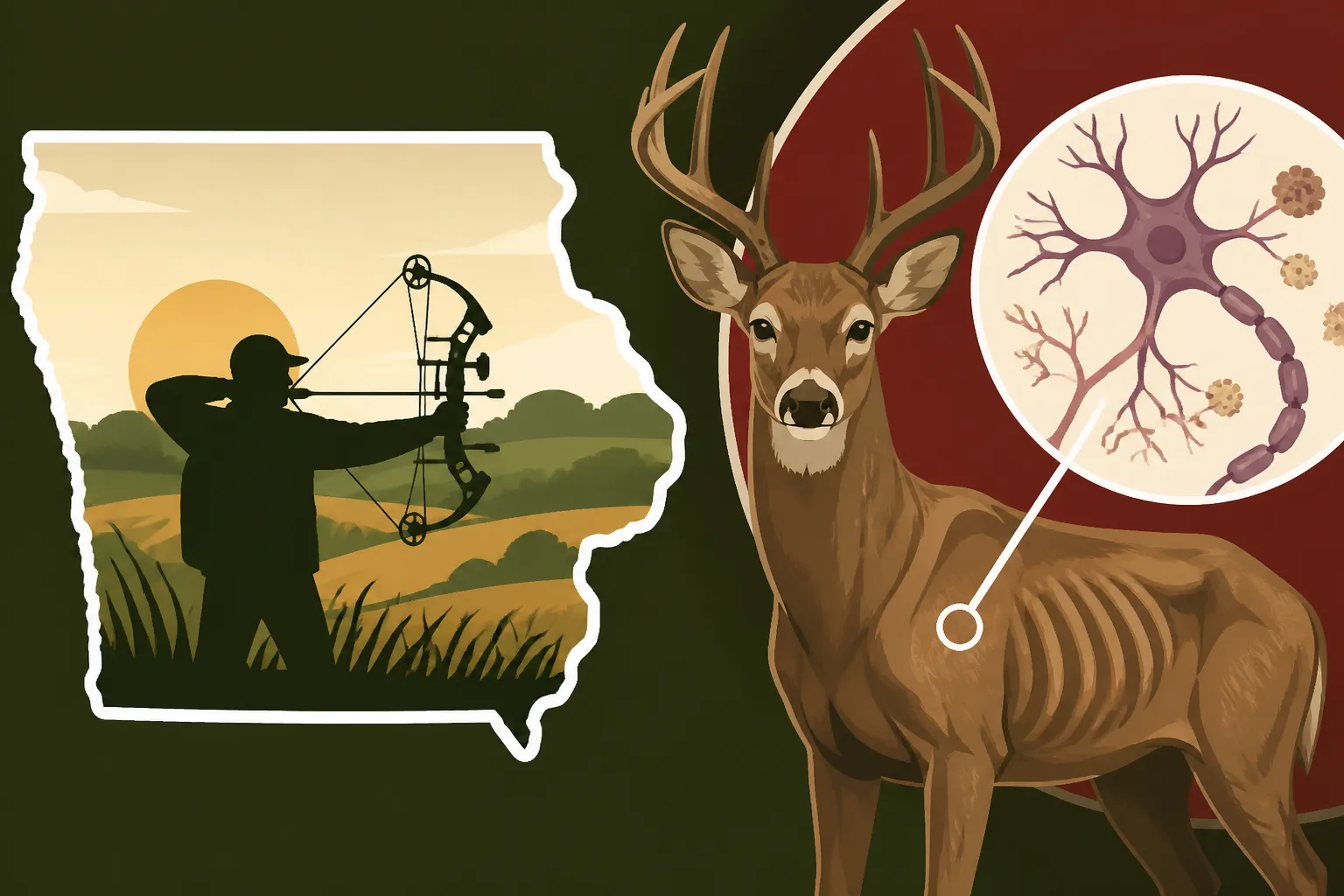
At its core, CWD is a neurological disease that affects cervids – that's deer, elk, moose, and reindeer – and it's always fatal. Unlike bacterial or viral infections, CWD is caused by abnormal proteins called prions. These prions aren't living organisms; they're misfolded proteins that cause normal proteins in the brain to misfold too. Think of it like a domino effect in the brain, slowly destroying tissue and leading to severe neurological damage. There's no cure, no vaccine, and once an animal contracts it, its fate is sealed.
The disease can be transmitted directly through animal-to-animal contact or indirectly through the environment. Infected deer shed prions through saliva, urine, and feces, contaminating the soil, plants, and water sources. These prions are incredibly resilient; they can persist in the environment for years, even decades, making clean-up virtually impossible. This environmental persistence is what makes CWD such a formidable challenge for wildlife managers, as even if all infected animals were removed, the contaminated environment could continue to infect new deer.
Because of this unique mode of transmission and its long incubation period – often 18 to 24 months, sometimes longer – a deer can be shedding prions and infecting others long before it shows any outward signs of sickness. This "invisible" spread is a significant hurdle in controlling the disease, as infected animals can mingle with healthy ones for extended periods, unknowingly spreading the prions. It's a truly insidious disease, slowly working its way through the herd without immediate fanfare, only revealing its presence in the later, more severe stages.
Symptoms and How to Recognize Them
Spotting a CWD-infected deer in the early stages is nearly impossible, as the deer will look completely normal. This is why surveillance and testing are so critical. However, as the disease progresses and those prions wreak more havoc on the brain, specific symptoms start to emerge. These signs are often subtle at first but become more pronounced over time.
The most classic symptom is significant weight loss, often referred to as "wasting away," even if the deer is still eating. You might see a deer that looks incredibly gaunt, almost emaciated, despite it being in an area with ample food. Coupled with this, infected deer often display changes in behavior. They might appear lethargic, stumbling or walking in repetitive patterns, and lose their natural wariness of humans. They might stand alone, head lowered, or exhibit a vacant stare. Excessive drooling or salivation is another common sign, leading to wet patches of fur on their chin and neck.
Other neurological symptoms can include an increased thirst and frequent urination, an uncoordinated gait, tremors, and a general loss of bodily control. If you encounter a deer exhibiting a combination of these symptoms, especially during hunting season, it's crucial to report it to the Iowa DNR. While these signs can also be indicative of other illnesses or injuries, any deer showing such severe deterioration warrants investigation. Understanding these indicators is vital, as spotting and reporting a potentially infected animal can contribute significantly to disease monitoring efforts.
How CWD Differs from Other Deer Diseases
It's easy to confuse CWD with other illnesses that affect deer, especially since some symptoms can overlap. However, CWD stands apart due to its unique cause and irreversible nature. One common misconception is to confuse it with Epizootic Hemorrhagic Disease (EHD) or Blue Tongue. EHD, a viral disease spread by biting midges, causes high fever, swelling, and internal bleeding, often leading to deer being found near water sources where they try to cool down. EHD outbreaks are typically acute, with rapid onset and high mortality in a short period, especially during hot, dry summers. Deer that survive EHD often recover fully, though they may lose their hooves.
Another condition sometimes mistaken for CWD is brainworm (Parelaphostrongylus tenuis), a parasitic nematode that can cause neurological signs like stumbling, head tilting, and blindness, primarily in deer that coexist with snails and slugs (intermediate hosts) and domestic sheep or goats. While brainworm can be fatal, it's not transmissible from deer to deer in the same way CWD is, and it's caused by a parasite, not a prion. CWD's slow, progressive, and always fatal neurological degeneration caused by prions is distinct. The critical difference is that CWD has no recovery; it's a death sentence for every infected animal, slowly dismantling their central nervous system. This distinction underscores why understanding Is CWD Dangerous to Hunters? is a common and valid concern, given its unique pathology.
The History and Spread of CWD in Iowa
The news of CWD arriving in Iowa was, for many, a somber moment. We’ve watched it spread through other states, hoping it would skip over our borders, but unfortunately, that hasn't been the case. Understanding its path helps us comprehend the challenges ahead.
When and Where CWD Was First Detected in Iowa
Iowa had managed to avoid CWD detections for years, which led many to hope that our robust deer herd and agricultural landscape might offer some natural barrier. Sadly, that hope was dashed in 2013 when CWD was first detected in a wild deer in Allamakee County, in the northeastern corner of the state. This wasn't a surprise to wildlife biologists, who had been actively monitoring for the disease given its proximity in neighboring states like Wisconsin and Illinois. The initial detection was a wake-up call, confirming that CWD was no longer a distant threat but a present reality for Iowa hunters and wildlife managers.
Since that first case, the Iowa DNR has ramped up its surveillance efforts, expanding testing and focusing on areas surrounding positive detections. This proactive approach has been essential in understanding the scope of the problem. It highlights the importance of every hunter doing their part, especially in submitting samples, because each sample contributes to a larger picture of where the disease is and how it’s moving. Learning How CWD Spread Across Iowa Counties helps put into perspective the challenges faced by wildlife agencies trying to contain a disease with such a long incubation period and environmental persistence.
Tracking the Geographical Spread Across the State
From that initial positive in Allamakee County, CWD has slowly but surely expanded its footprint across Iowa. It hasn't been a sudden explosion, but rather a creeping progression, often appearing in adjacent counties or through isolated detections in new areas. Today, while Allamakee County remains a focal point with a higher prevalence, several other counties have also reported positive CWD cases. These often cluster around the initial detection sites, but occasionally, an isolated case pops up further afield, suggesting wider, undetected spread or movements of infected animals.
The Iowa DNR uses a combination of hunter-submitted samples, targeted surveillance in high-risk areas, and opportunistic testing of sick deer to map this spread. You can often find updated maps on the DNR website that visually track the positive counties and individual cases. This geographical data is critical for making informed management decisions, such as establishing CWD management zones or implementing specific regulations in certain areas. Observing the patterns of spread, for example, from the rugged timbered landscapes of northeast Iowa into more mixed agricultural regions, helps us understand the disease's adaptable nature. The continued monitoring aims to prevent the widespread establishment of CWD across the entire state, but it’s a constant battle requiring vigilance from everyone involved.
Factors Contributing to CWD's Spread
Understanding how CWD moves is just as important as knowing where it is. Several factors contribute to its relentless spread, some natural and some human-influenced. Deer density plays a significant role; in areas with high deer populations, direct nose-to-nose contact and indirect environmental contamination are more likely to occur. Northeast Iowa, with its broken timber and ample cover, often supports denser deer populations, which can accelerate local transmission rates.
The natural movement of deer, especially young bucks dispersing from their birth areas to establish new territories, is another key factor. A dispersing buck or doe can carry prions from an infected area into a previously clean one, initiating a new focus of the disease. Beyond natural movements, human activities can inadvertently contribute to spread. The most critical is the movement of infected deer carcasses. If a hunter harvests an infected deer in one county and transports the entire carcass to another county for processing, they could be unknowingly depositing prions in a new area. This is why strict carcass movement regulations are in place in many states, including Iowa.
Illegal baiting and feeding practices also exacerbate the problem by concentrating deer in small areas. When deer gather at bait piles or mineral sites, they increase direct contact and rapidly contaminate the immediate environment with prions through saliva and urine. This creates a "hot spot" for CWD transmission. Even natural congregation points like late-season food sources can pose a risk, but artificial feeding often intensifies this risk significantly. This is precisely why concerns about Iowa Public Land Baiting Rules and a broader Iowa Baiting Ban for Deer are so prevalent in discussions about CWD management.
Iowa DNR's CWD Management and Surveillance Efforts
The Iowa Department of Natural Resources (DNR) isn't sitting idly by while CWD spreads. They have a multi-pronged approach to detect, monitor, and slow the progression of the disease, and it relies heavily on hunter cooperation.
Mandatory and Voluntary Testing Programs
One of the cornerstones of Iowa's CWD management strategy is its robust testing program. While not all areas have mandatory testing, the DNR implements targeted mandatory sampling in counties with known CWD detections or those considered high-risk. During specific periods of the deer season, hunters harvesting deer in these designated Iowa CWD Mandatory Sampling Counties are required to submit their deer for CWD testing. This often involves bringing the deer (or just its head) to a designated drop-off station or a participating locker plant.
In other areas, voluntary testing is highly encouraged. Hunters can submit samples from their harvested deer at various drop-off locations, even if it's not mandatory in their specific county. The DNR often partners with local taxidermists and locker plants to make this process as convenient as possible. These voluntary submissions are incredibly valuable, as they provide critical data points that help the DNR monitor the disease's potential spread and prevalence across a broader geographical area. Every sample collected provides a piece of the puzzle, helping wildlife biologists understand the true scope of CWD in Iowa.
Hunter participation in these programs, whether mandatory or voluntary, is absolutely paramount. Without enough samples, the DNR can't accurately assess the situation, making it harder to implement effective management strategies. So, if you're hunting in Iowa, make sure you know the rules for your specific county and consider submitting a sample even if it’s not required. You can find up-to-date information on sampling locations and requirements on the Iowa DNR website or by using resources like GoHunt to navigate specific county regulations.
CWD Management Zones and Their Purpose
To focus resources and implement specific control measures, the Iowa DNR often designates "CWD Management Zones." These aren't arbitrary lines on a map; they're strategically drawn areas around confirmed CWD detections where heightened surveillance and management actions are put into place. The primary purpose of these zones is to reduce deer density, particularly among adult bucks and does, which are more likely to be infected and spread the disease. By lowering deer numbers, especially older animals, the goal is to decrease direct deer-to-deer contact and environmental contamination, thereby slowing the rate of CWD transmission.
Within a CWD Management Zone, you might find special hunting regulations. These often include additional antlerless deer tags or longer hunting seasons specifically designed to encourage a higher harvest of does and possibly additional bucks. The idea is to remove more deer from the population, effectively diluting the disease's presence. These targeted antlerless harvests, for example, are a critical component of Iowa Deer Herd Management and Harvest in affected areas. It can be frustrating for hunters to see increased pressure or different rules in their favorite hunting spots, but these measures are enacted with the long-term health of the deer herd in mind. The DNR's approach is continually evaluated and adjusted based on new data and research, aiming for the most effective and sustainable solutions within these challenging zones.
Carcass Movement Restrictions and Regulations
One of the most crucial, yet sometimes inconvenient, aspects of CWD management for hunters is the regulation surrounding carcass movement. Remember how resilient those prions are and how they can contaminate the environment? This is precisely why the DNR has put rules in place to prevent hunters from inadvertently spreading CWD from an infected area to a clean one. The basic premise is simple: don't move high-risk parts of a deer carcass out of a CWD-positive or surveillance zone.
Specifically, in CWD management zones or areas with confirmed positive cases, hunters are typically prohibited from transporting whole deer carcasses outside that county or zone. This means you need to field dress your deer and often remove the brain and spinal cord material at the kill site. Only certain "safe" parts can be transported, such as deboned meat, quarters with no spinal column or head attached, clean skull plates (antlers attached) that are free of brain tissue, capes (hide with no attached head or spinal column), and finished taxidermy products.
This might mean adapting your traditional field dressing methods or planning to use a local locker plant within the CWD zone. It's a small but vital inconvenience to prevent a much larger problem. Understanding Iowa Carcass Transport Restrictions is not just a suggestion; it's a legal requirement designed to protect Iowa's deer herd from further disease spread. Always check the latest Iowa hunting regulations booklet or the DNR website before you head out, as these rules can change based on new CWD detections.
The Hunter's Role in CWD Management
As hunters, we're more than just participants in a season; we're stewards of the land and its wildlife. Our actions can make a tangible difference in the fight against CWD.
Safe Handling and Processing of Harvested Deer
When you harvest a deer, especially in an area where CWD has been detected or is under surveillance, practicing safe handling and processing techniques is paramount. While current scientific evidence suggests the risk of CWD transmission to humans is low, it's always best to err on the side of caution. Think of it as common-sense hygiene for wild game. First and foremost, always wear latex or rubber gloves when field dressing or processing any deer. This creates a barrier between you and potential pathogens.
When field dressing, avoid cutting into the brain or spinal cord. These tissues are known to contain the highest concentrations of prions. If you're removing the head for testing or taxidermy, handle it carefully and avoid contact with the brain matter. It's recommended to bone out the meat in the field, leaving the spinal column and other internal organs at the kill site if you're in a CWD-positive area and plan to transport the meat home. This minimizes the chance of moving infectious material. For proper disposal of carcass parts, especially high-risk tissues, check with the Iowa DNR for local recommendations, but generally, leaving them at the kill site or bagging them for municipal waste is advised, rather than spreading them further.
After processing, thoroughly clean all knives, saws, and processing surfaces with a bleach solution (e.g., 50/50 bleach and water) and rinse them well. While prions are notoriously difficult to destroy, good sanitation practices reduce potential contamination. Remember, our goal is to enjoy the bounty of our harvest safely while doing our part to prevent any potential spread.
Participating in CWD Surveillance
Your participation in CWD surveillance programs is arguably one of the most significant contributions you can make as a hunter. Whether it's mandatory or voluntary, every submitted sample provides invaluable data to the Iowa DNR. When you bring your deer to a designated CWD sampling station or a participating locker plant, DNR staff or trained volunteers will typically collect a small tissue sample, usually from the lymph nodes near the throat, which are known to accumulate prions. This process is quick and doesn't affect the quality of your venison.
The more samples collected, the clearer the picture the DNR has of CWD prevalence and distribution. This data allows them to track the disease, understand its progression, and make informed decisions about management strategies, such as where to focus population control or where to implement specific hunting regulations. Without robust sampling, wildlife managers are essentially flying blind, unable to effectively combat the spread. This is also how hunters can play a direct role in How Many Iowa Deer Have Tested Positive for CWD is accurately reported year after year.
So, if you get an opportunity to submit a sample, please do. It's a small investment of your time that yields enormous benefits for the entire deer herd and the future of Iowa hunting. You'll usually be able to get Getting Iowa CWD Test Results Online for your specific deer within a few weeks, which gives you peace of mind about your venison. Using resources like GoHunt can help you easily find nearby drop-off locations and understand any specific county requirements before you even head out.
Understanding Carcass Transport Rules
As we touched on earlier, carcass transport rules are a critical part of CWD containment. It's not just about what you do in the field, but what you bring home and where you bring it. The main principle, reiterated by the Iowa DNR, is to avoid transporting any "high-risk" parts of a deer out of a CWD management zone or county where positives have been found. These high-risk parts include the brain, spinal cord, eyes, spleen, and lymph nodes—tissues where CWD prions concentrate.
This typically means that if you kill a deer in a CWD-positive county, you should ideally debone the animal and transport only the meat, or leave the head and spinal column in that county. For hunters who want to keep the antlers, the skull plate must be cleaned completely free of any brain or nervous tissue. Similarly, capes for taxidermy should be free of any attached skull or spinal column. This might mean having your taxidermist handle the cape removal locally or doing a very thorough job yourself.
These regulations are designed to prevent the physical movement of prions into uninfected areas. Imagine the consequence of unknowingly dropping infected brain tissue in a new county during transport or disposal. It could establish a new CWD hot spot. Always consult the most current Iowa hunting regulations before your hunt, as specific counties and rules can be updated annually. Ignorance of the law is no excuse, and following these guidelines is a collective responsibility to protect our precious deer resource.
Debunking Myths and Addressing Concerns About CWD
CWD can stir up a lot of rumors and anxiety. It’s natural to have concerns, especially when something threatens a tradition we hold dear. Let's address some of the common questions and misconceptions directly.
Is CWD a Threat to Humans?
This is perhaps the most pressing question for many hunters: can CWD affect humans? The scientific community has been studying this diligently for decades, and the good news is that there has been no confirmed case of CWD jumping from deer to humans. Public health agencies, like the Centers for Disease Control and Prevention (CDC), state that there is currently no strong evidence that CWD can infect humans. However, they also advise caution and recommend against consuming meat from CWD-positive animals.
The reason for this caution is primarily due to the nature of prion diseases. While CWD prions haven't been shown to infect humans, other prion diseases, like "mad cow disease" (BSE), have jumped species. Scientists continue to research potential barriers that might prevent CWD from crossing the species barrier to humans. For now, the general consensus is that the risk is extremely low, but not entirely zero, which is why precautions are advised.
This nuanced understanding explains why the Iowa DNR advises hunters to avoid consuming meat from any deer that tests positive for CWD. It's about minimizing theoretical risk and exercising prudent judgment, not reacting to a known threat. The ongoing research is crucial, and staying informed through reputable sources like the CDC and the Iowa DNR is key to understanding the evolving science behind Is CWD Dangerous to Hunters?.
Impact on Deer Population and Hunting Opportunities
Many hunters worry that CWD will decimate Iowa's deer population and eventually ruin hunting opportunities. While CWD is a serious disease that is always fatal to individual deer, its long-term impact on overall deer populations is complex and often depends on various factors, including the prevalence of the disease and local deer densities. In areas with high CWD prevalence over extended periods, some studies have shown declines in deer numbers, particularly adult bucks. This isn't a sudden die-off like EHD, but a slow, chronic attrition.
However, in many areas, deer populations have remained robust even with CWD present, as long as prevalence rates stay relatively low. The Iowa DNR's management goal isn't necessarily eradication, which is largely considered impossible, but rather containment and slowing the spread, keeping prevalence rates at manageable levels. This includes strategic antlerless harvest to reduce deer density in affected areas, aiming to reduce the opportunities for disease transmission.
Hunting opportunities, while potentially altered by CWD-specific regulations like modified seasons or additional tag allocations in management zones, are likely to continue. The long-term health of the deer herd, and thus hunting opportunities, depends on effective management and hunter participation. It’s a challenge, but one that wildlife agencies and hunters are actively working to address together to ensure a sustainable future for hunting in Iowa.
The Ethics of Hunting in CWD-Positive Areas
Hunting in a CWD-positive area can raise ethical questions for some, but many wildlife managers emphasize that hunting remains one of the most effective tools for managing the disease. By participating in hunts in these areas, hunters become active partners in disease control. The targeted harvest of deer, particularly antlerless animals, helps reduce overall deer density, which is a key strategy for slowing CWD transmission.
Moreover, harvesting deer in CWD-positive zones and submitting them for testing provides essential data that informs management decisions. Each deer harvested and tested is a data point, helping the DNR track the disease's prevalence and geographic spread. Without this hunter effort, wildlife agencies would have a much harder time monitoring the disease.
For hunters, it comes down to being informed, following regulations, and making personal choices about meat consumption from tested animals. Ethical hunting, in this context, involves accepting the responsibility to contribute to herd health management, even when it means adapting to new rules or challenges. By acting responsibly, hunters are not just pursuing game but actively contributing to the long-term well-being of Iowa's deer and the continuation of our hunting heritage.
What Hunters Can Do: Practical Steps and Best Practices
Feeling like you're part of the solution is empowering, and there are very tangible ways Iowa hunters can actively contribute to CWD management. These aren't just suggestions; they're best practices that can make a real difference.
Utilizing Available Resources and Information
The first and most important step for any hunter concerned about CWD is to stay informed. The Iowa DNR's website is the authoritative source for the latest information, including maps of CWD-positive counties, current regulations, testing locations, and harvest statistics. They update this information regularly, especially as new cases are confirmed or regulations change. Making it a habit to check their site before each season is a smart move.
Beyond the official DNR channels, there are also excellent private resources available. For instance, platforms like GoHunt can offer integrated maps and regulatory summaries that complement DNR information, helping you understand where CWD has been detected and what specific rules might apply to your hunting area. These tools often allow you to quickly look up Iowa CWD Mandatory Sampling Counties or review Iowa Carcass Transport Restrictions at a glance. Don't be afraid to reach out to your local conservation officer or wildlife biologist if you have specific questions or concerns; they are a wealth of knowledge and are there to help.
Remember, an informed hunter is an effective hunter, not just in terms of success in the field, but also in contributing positively to wildlife management. Staying current with CWD developments ensures you're hunting legally, ethically, and responsibly.
Adapting Hunting Strategies in Affected Areas
When hunting in areas with known CWD presence, it’s a good idea to adapt your hunting strategies with herd health in mind. The DNR's primary tool for slowing CWD spread is often reducing deer density, particularly through increased antlerless harvest. This means that if you're hunting in a CWD management zone, actively pursuing does becomes a more significant part of your contribution to wildlife management. Targeting antlerless deer helps to reduce the overall population, which in turn can decrease the opportunities for deer-to-deer transmission of prions.
Consider focusing on harvesting older does, which have had more time to potentially be exposed to and become infected with CWD. While any harvested deer helps, a strategic approach can maximize your impact. You might also want to rethink practices that concentrate deer, such as using attractants or bait piles, even if legal in certain areas for other game. While the state has a Iowa Baiting Ban for Deer in place for many situations, any activity that brings deer into unnaturally close contact can increase the risk of CWD transmission in the environment.
This adjustment in strategy is a shift from purely trophy-focused hunting to a more holistic approach that prioritizes herd health. It aligns with the broader goals of Reading an Iowa Deer Harvest Report and understanding deer population dynamics. By consciously contributing to density control, you're becoming a vital part of the CWD solution.
Responsible Land Management Practices
For those who own private land or have significant influence over land management, employing responsible practices can also play a role in CWD management. While CWD prions can persist in the environment, minimizing factors that concentrate deer for extended periods can help reduce localized transmission. As mentioned, avoiding artificial feeding and baiting is critical, as these practices force deer into close contact, increasing the likelihood of prion shedding and ingestion. Even mineral sites, if used excessively or improperly, could potentially become hot spots for environmental contamination.
Instead, focus on creating natural, dispersed food sources and diverse habitat. Well-managed food plots, designed to provide nutrition throughout the year, are generally preferred over concentrated bait sites. Diversifying native forage and providing abundant, natural cover helps distribute deer across the landscape, rather than drawing them to a single point. This naturally reduces deer density in any one small area, lessening the chance of direct transmission.
If you find a sick or deceased deer on your property that exhibits CWD-like symptoms, it's crucial to report it to the Iowa DNR. They can arrange for testing and proper disposal, which is essential to prevent further environmental contamination. Proper carcass disposal, whether through burial or approved methods, ensures that prions are not left accessible to other deer. Remember, managing land for deer health means thinking about the long-term ecological balance, not just short-term attractants. The Iowa DNR's Reporting a Sick Deer in Iowa program is a great resource for this.
Future Outlook and Ongoing Research
The fight against CWD is far from over, but it's not a battle being fought in the dark. Scientists and wildlife managers are continuously working to understand the disease better and develop new tools to combat it.
Latest Scientific Developments and Potential Solutions
The scientific community is incredibly active in CWD research, and there's a lot of hope on the horizon. Researchers are constantly working on new, more efficient, and perhaps even live-animal testing methods that could one day replace or augment current post-mortem surveillance. Imagine being able to test a deer in the field without harvesting it, or having a rapid, easy test at home. These advancements could revolutionize how we monitor the disease.
There's also ongoing research into potential vaccines for CWD, though this is a complex challenge given the nature of prions. While a widely available vaccine is likely still years away, any progress in this area would be a game-changer. Other avenues of research include understanding the genetic resistance some deer might have to CWD, which could inform future breeding programs, and exploring methods for environmental decontamination, though this remains one of the most difficult challenges due to the prions' resilience.
While no silver bullet is immediately apparent, the collective efforts of scientists worldwide are continually pushing the boundaries of our understanding. Each new discovery brings us a step closer to better management and, hopefully, a future where CWD's threat is significantly diminished. These scientific endeavors, combined with the practical work of wildlife agencies and hunters, form our best defense.
The Long-Term Vision for Iowa's Deer Herd
The long-term vision for Iowa's deer herd, despite the presence of CWD, remains one of health, resilience, and sustainability. The Iowa DNR is committed to maintaining a robust and huntable deer population, understanding that deer are a vital part of Iowa's ecosystem and cultural heritage. This vision involves adapting management strategies as CWD prevalence changes, continually educating hunters, and fostering collaboration between all stakeholders.
It's about striving for a balance: controlling the spread of CWD without unduly impacting hunting opportunities or severely reducing deer numbers statewide. This means a dynamic approach, where regulations and management efforts can be adjusted based on the latest scientific data and observations from the field. Part of this vision also involves maintaining healthy habitats across the state, ensuring deer have access to diverse food sources and cover, which contributes to their overall well-being and potential resilience against diseases.
Ultimately, the future of Iowa's deer herd with CWD will depend on continued vigilance, strong partnerships between hunters and the DNR, and a willingness to embrace adaptive management. It's not about giving up, but about facing the challenge head-on, ensuring that future generations can enjoy the rich hunting traditions we cherish today. Tools like the Iowa DNR Hunter Atlas are integral to this vision, helping hunters locate areas and understand access points.
| County Grouping | CWD Status | Mandatory Sampling | Carcass Restrictions |
|---|---|---|---|
| Allamakee | Positive | Yes | Yes (Specific) |
| Other NE Iowa Counties (e.g., Clayton, Winneshiek) | Surveillance | Voluntary | Check Regulations |
| Southern Iowa Counties (e.g., Wayne, Appanoose) | Positive/Surveillance | Yes (Specific) | Yes (Specific) |
| Central/Western Iowa Counties | Undetected/Low Risk | Voluntary | Check Regulations |
Note: This table provides a general overview. Always consult the official Iowa DNR regulations for the most current and specific information regarding CWD status, sampling requirements, and carcass restrictions for your hunting county.
Disclaimer
The information provided in this article is for general informational and educational purposes only and is not intended as legal advice or a substitute for official regulations. Hunting regulations and CWD management protocols in Iowa are subject to change. Always consult the most current Iowa Department of Natural Resources (DNR) official regulations, proclamations, and guidance before engaging in any hunting activities. It is the hunter's responsibility to know and obey all applicable laws.