Reading an Iowa Deer Harvest Report
Iowa deer harvest reports provide hunters with county trends, antlered and antlerless totals, and weapon data to plan successful hunts.
Know what you’re after.
Big game, small game, upland birds, and waterfowl — identification, behavior, rut and migration timing, and how each species moves through the season.
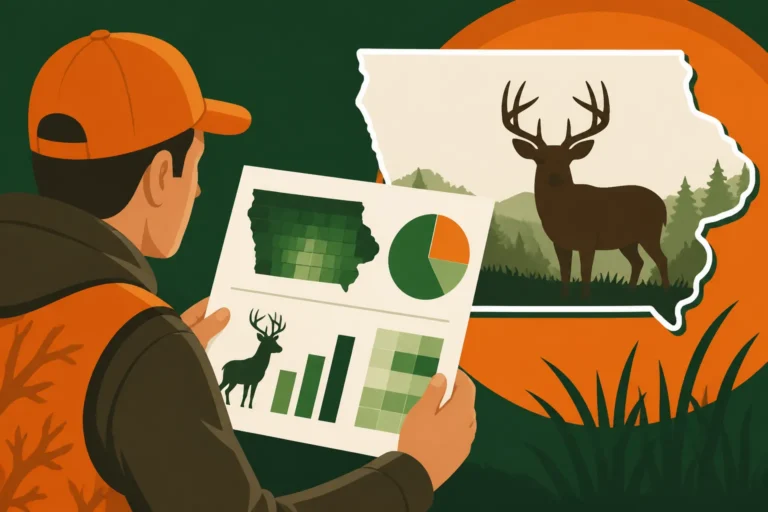
Iowa deer harvest reports provide hunters with county trends, antlered and antlerless totals, and weapon data to plan successful hunts.
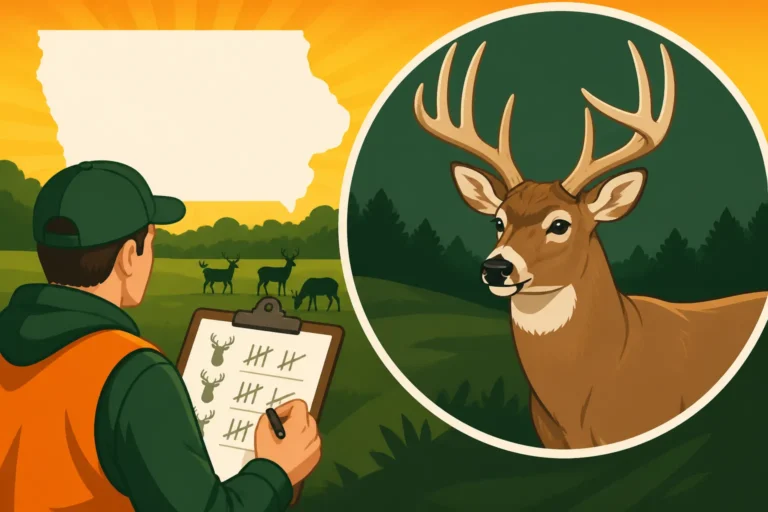
The Iowa Department of Natural Resources uses scientific surveys and hunter data to estimate whitetail deer population sizes.
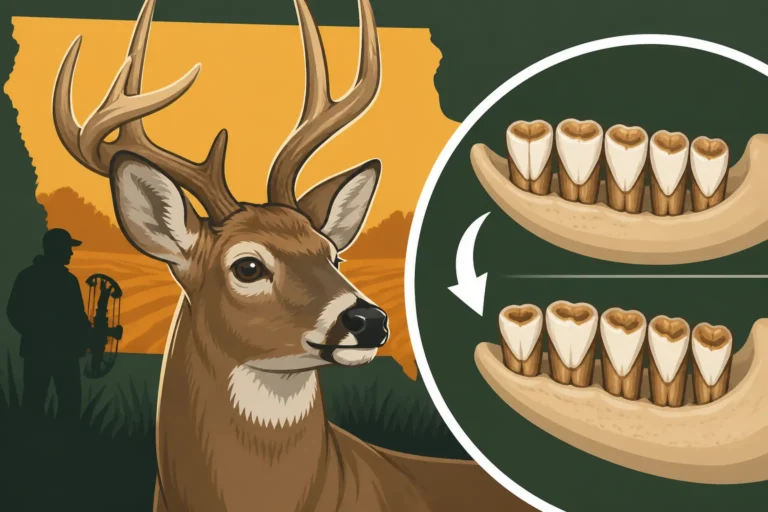
Examining incisors, premolars, and molars in the lower jaw helps Iowa hunters accurately determine deer age and manage local herds.
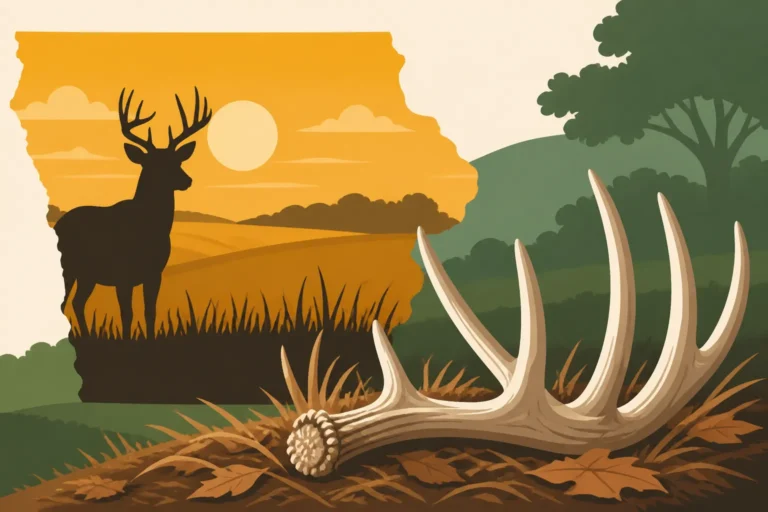
Iowa public land shed hunting regulations allow antler collection as natural resources while following specific state property rules.
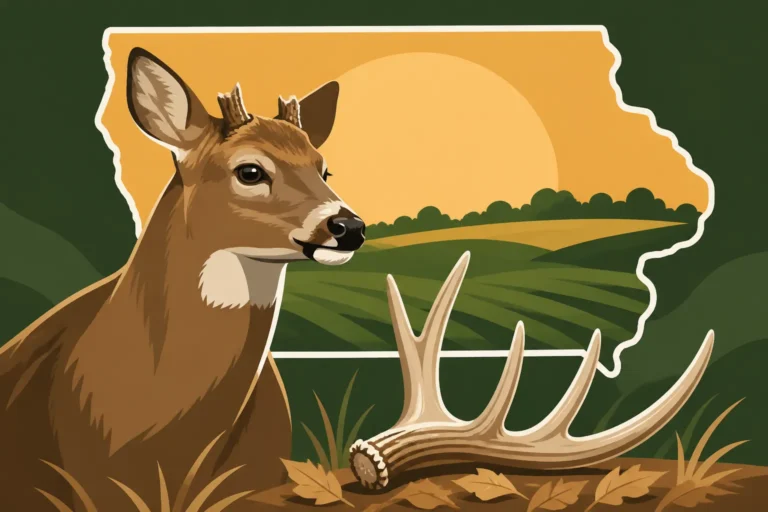
Iowa bucks shed their antlers due to changing daylight, dropping testosterone levels, nutritional health, and age factors.
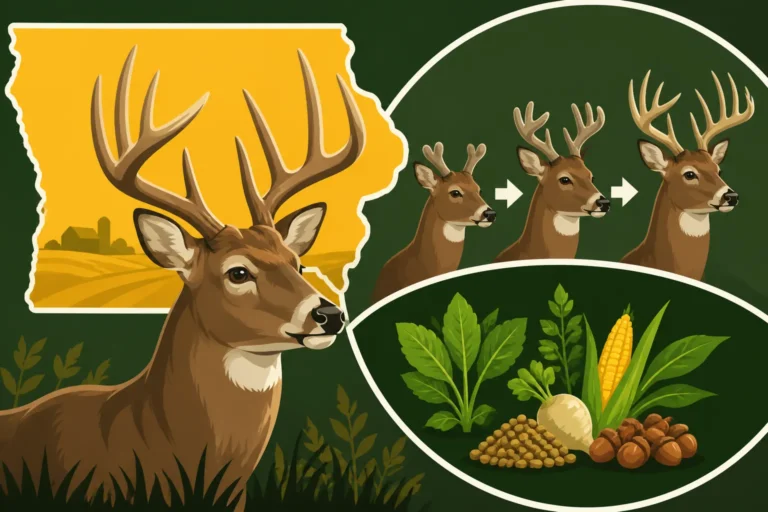
Iowa whitetail antler growth relies on annual cycles, protein, minerals, hormones, and genetics to build bone structures.
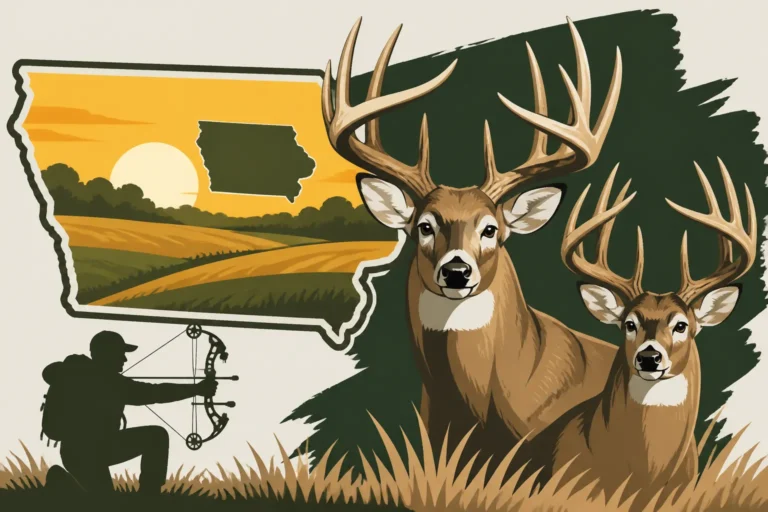
Iowa bowhunting records, fair chase ethics, and minimum score criteria for earning a Pope and Young Club whitetail entry.
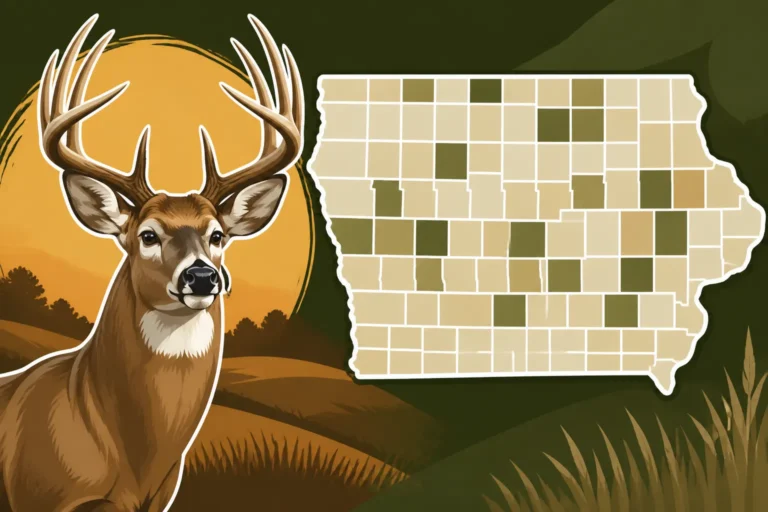
Iowa record book whitetail data reveals which specific counties consistently produce trophy bucks that meet Boone and Crockett scores.
Iowa deer antler gross score and net score calculations explained using Boone and Crockett system measurements.
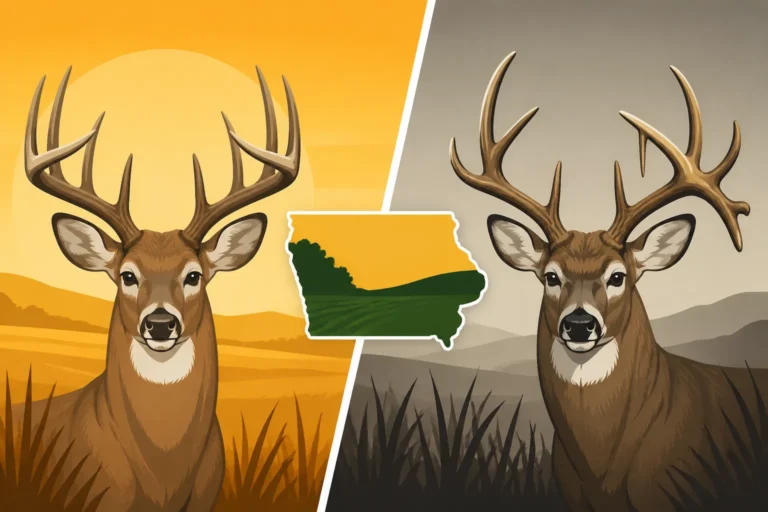
Typical whitetail antlers exhibit high symmetry and clean growth, while scoring systems apply deductions for differences between sides.