Rangefinder Angle Compensation
Rangefinder angle compensation explains horizontal distance and gravity for Iowa hunters facing uphill or downhill shots.
See it before it sees you.
Binoculars, spotting scopes, and rangefinders, plus packs, boots, layering systems, blinds, and stands that earn their weight.
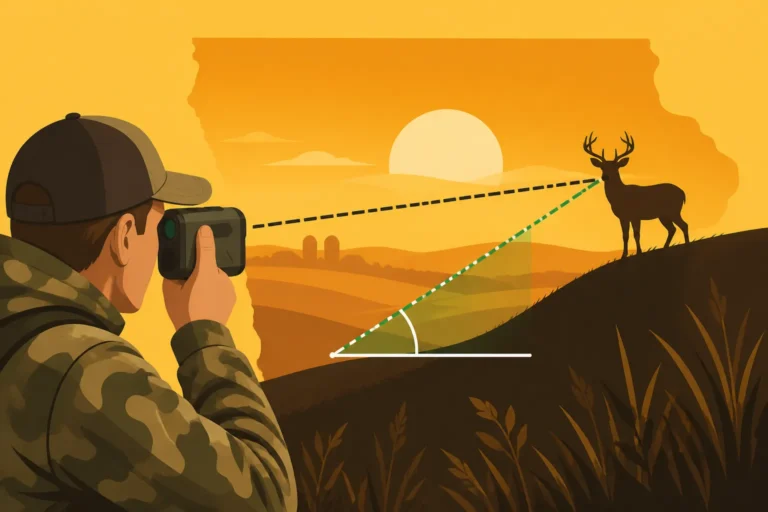
Rangefinder angle compensation explains horizontal distance and gravity for Iowa hunters facing uphill or downhill shots.

Rangefinders for under fifty yards provide Iowa bowhunters with the exact distance needed to prevent close-range misses.
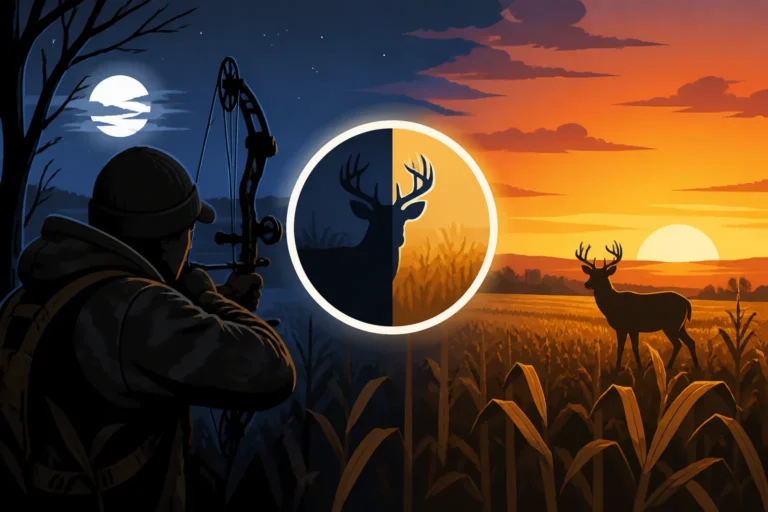
December deer hunting in Iowa requires optimizing gear and strategies to identify targets during low-light dawn and dusk conditions.
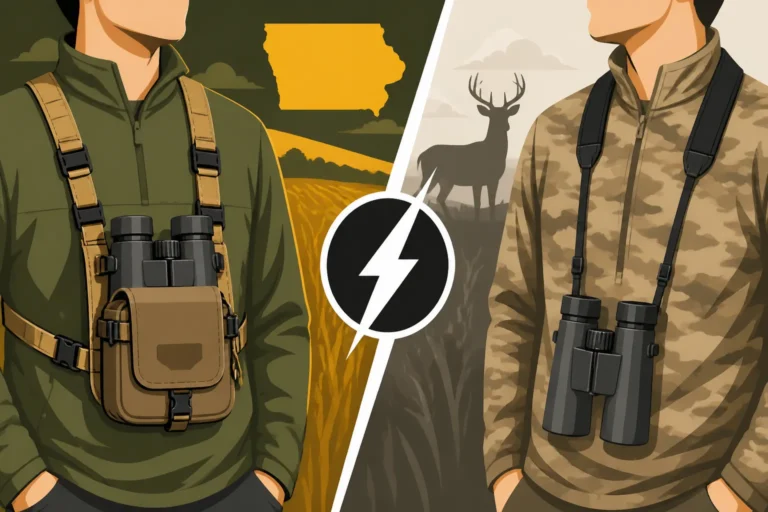
Binocular harnesses and neck straps compared for Iowa hunters, detailing comfort, stability, and field performance for 10×42 binoculars.
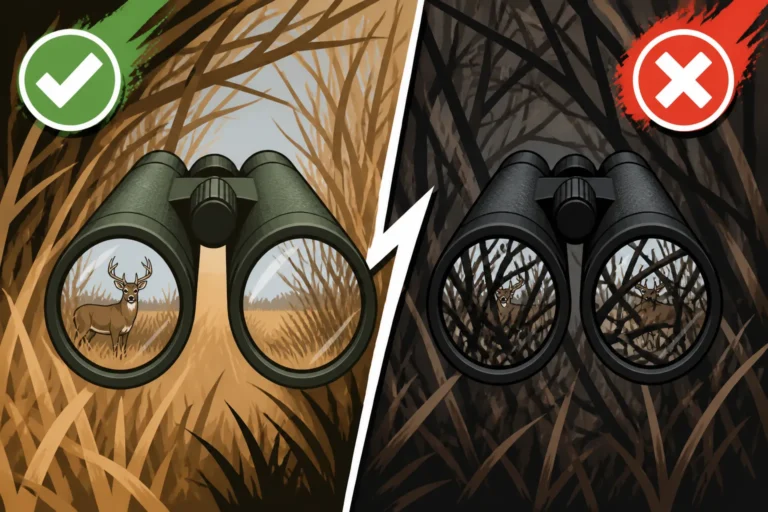
Iowa hunters comparing 8×42 and 10×42 binoculars learn why lower magnification improves stability and low light performance in dense timber.
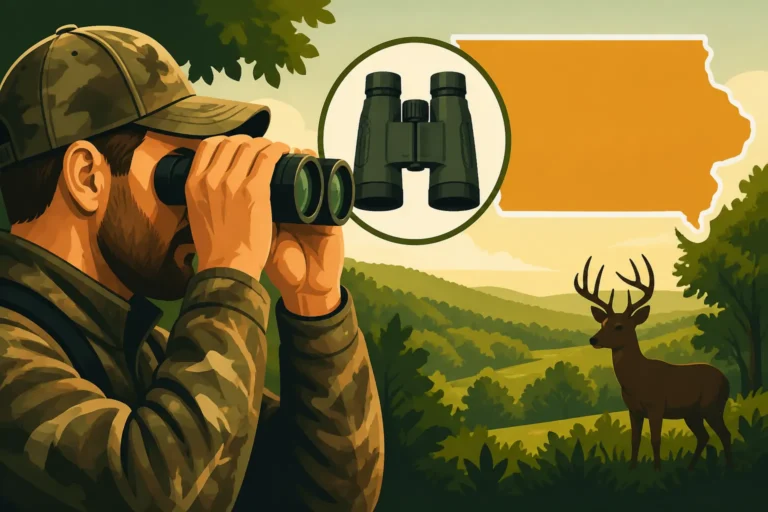
Choosing proper binocular sizes for Iowa timber hunting balances magnification, field of view, and low light performance.
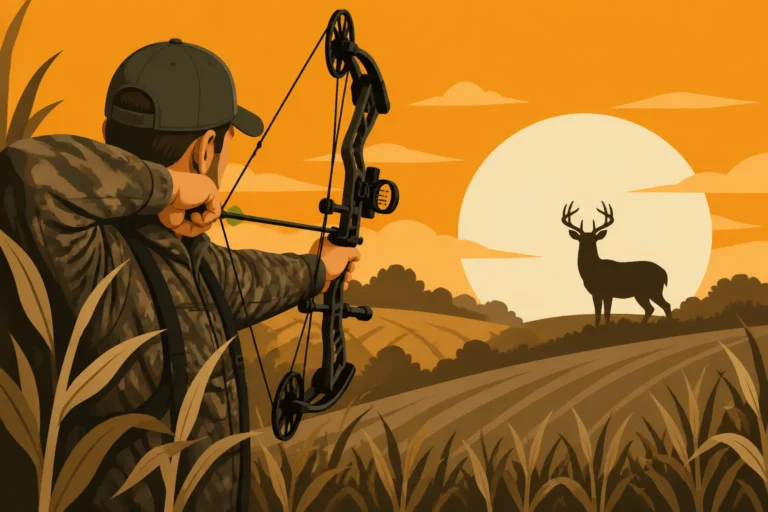
A shifted zero can send an opening morning shot wide on a buck, so hunters should confirm their rifle, shotgun or bow still shoots true before deer season.
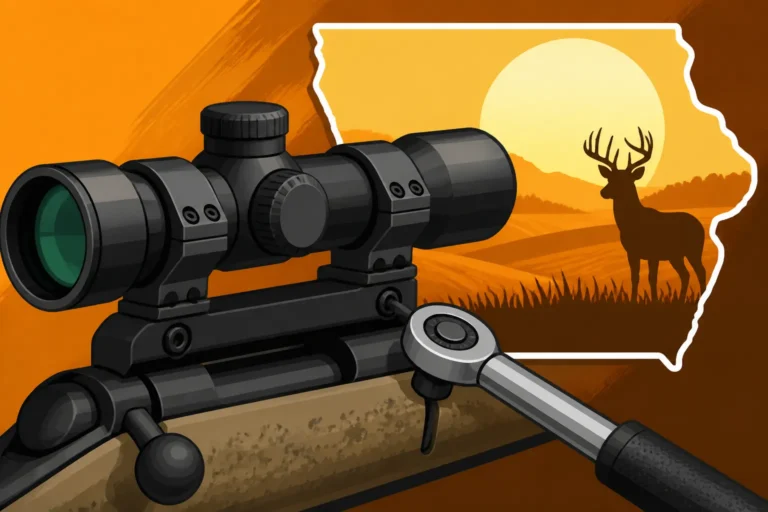
Correct scope rings and mounting torque prevent shifting, ensuring your rifle optics maintain accuracy during Iowa hunts.
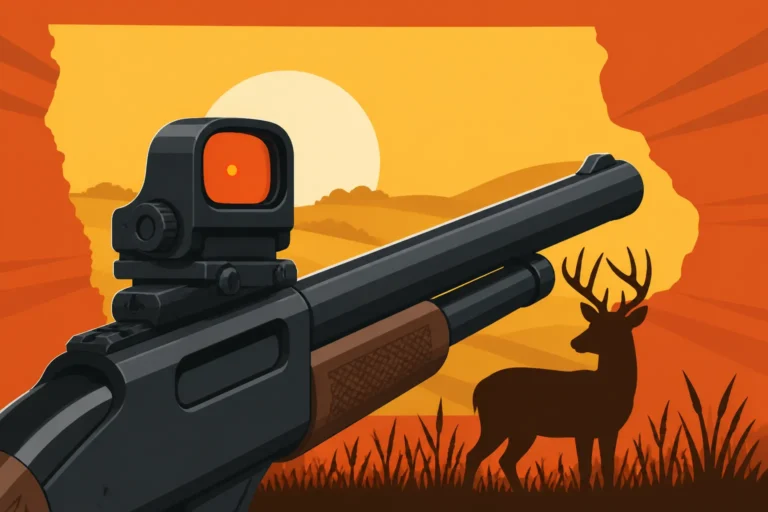
Red dot sights improve target acquisition and low light performance for Iowa deer hunters using slug guns within one hundred yards.
Low power scopes improve close range deer hunting in dense timber by providing faster target acquisition at distances like twenty yards.