Iowa Deer Population Estimate
One of the most common questions any Iowa deer hunter, resident or nonresident, asks is, "Just how many deer are actually out there?" It’s a completely understandable frustration, as the health and size of the whitetail herd directly impact our hunting prospects and management decisions. This guide will dive into how Iowa estimates its deer population, the complex factors that influence those numbers, and what these estimates mean for you in the field.
Understanding Iowa's Deer Population Estimates
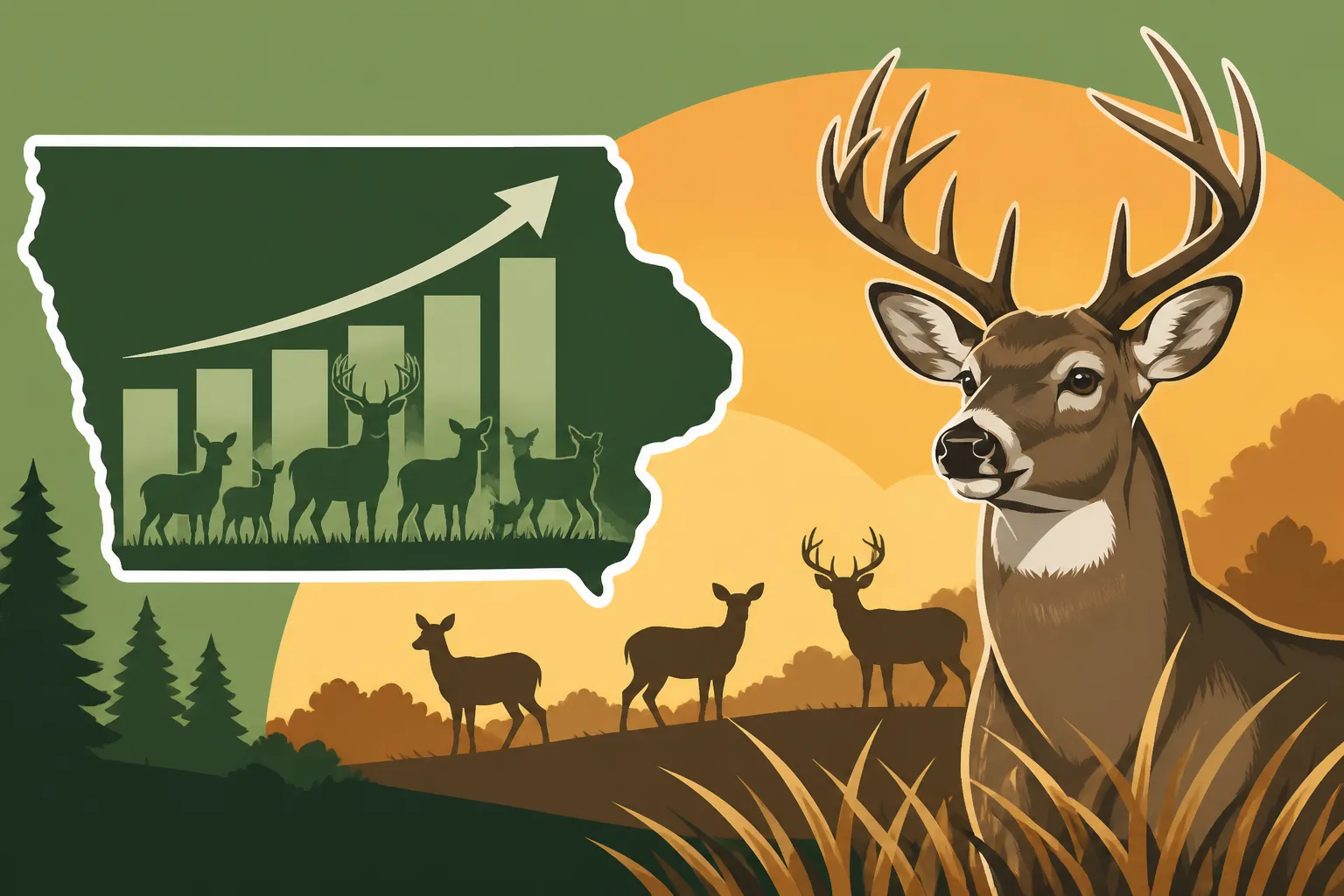
It's tempting to want a single, concrete number for Iowa's deer population, but the reality is far more nuanced. Wildlife populations are dynamic, constantly shifting with environmental factors, habitat changes, and human interaction. What we work with are sophisticated estimates, not precise counts, that provide a crucial snapshot of the herd's health and trajectory. The Iowa Department of Natural Resources (DNR) doesn't just pull a number out of thin air; they use a variety of scientific methods and hunter input to develop these critical figures. These estimates are vital for understanding not only how many deer are currently roaming the timber and crop fields but also how they're distributed across the state and what that means for future hunting seasons.
Why an Exact Number is Elusive
Imagine trying to count every single deer across Iowa's millions of acres of diverse landscapes, from dense river bottoms to vast corn and soybean fields. It's simply an impossible task. Deer are masters of camouflage, constantly moving, and often inhabiting remote or private parcels where direct observation is limited. Furthermore, their numbers fluctuate seasonally due to fawning, harvest, and natural mortality. An exact count would be outdated almost as soon as it was compiled. Instead, wildlife biologists focus on robust estimation techniques that, while not providing a single, perfect number, give us a very strong indication of population trends and density in different areas. This allows for effective, adaptive management strategies rather than rigid, impractical ones.
The Role of the Iowa DNR in Deer Management
The Iowa DNR is at the forefront of this effort. Their job is multifaceted: to conserve Iowa's wildlife, provide hunting opportunities, and manage the deer herd to balance ecological health with agricultural concerns and public safety. To achieve this, they employ a team of biologists and conservation officers who constantly gather data. They don't just count deer; they monitor herd health, assess buck-to-doe ratios, evaluate fawn recruitment, and track disease prevalence. All of this information feeds into their population models, which in turn inform decisions about license quotas, season dates, and specific management zone strategies. It’s a continuous cycle of data collection, analysis, and adjustment, all aimed at maintaining a healthy, sustainable deer population for future generations of Iowans and visiting hunters alike. Understanding "How Iowa Counts Its Deer Herd" is key to appreciating the complexity of this task.
How Iowa's Deer Herd is Monitored
The process of estimating Iowa's deer population is a blend of traditional wildlife science and modern data collection. It’s a comprehensive approach that pulls from multiple sources, each offering a unique piece of the puzzle. No single method provides a complete picture, but by combining them, the DNR can create a remarkably accurate and reliable estimate of the state's whitetail numbers. This multi-pronged strategy helps to account for the inherent challenges of tracking a wild, widespread, and mobile animal like the whitetail deer.
Mandatory Harvest Reports
One of the most foundational pieces of data comes directly from hunters themselves: the mandatory harvest reporting system. Every time a hunter legally takes a deer in Iowa, they are required to report it online or by phone. This critical data provides a direct measure of hunter success and, more importantly, a significant input for population models. Biologists use these numbers, along with information about hunter effort and success rates, to estimate the total population before the hunting season begins and to project post-season numbers. For example, if harvest numbers are consistently high in a particular county, it suggests a robust local population. Conversely, a drop might indicate a declining herd or increased hunting pressure. Learning "Reading an Iowa Deer Harvest Report" can offer even deeper insights into this data.
Bowhunter Observation Survey
Beyond harvest numbers, the DNR also relies heavily on the "eyes and ears" of hunters in the field, particularly through the Iowa Bowhunter Observation Survey. This voluntary program asks bowhunters to record the number of deer they see, categorized by sex and age class (fawns, does, spikes, antlered bucks). This raw, real-time data from thousands of hours spent in the deer woods is invaluable. It helps biologists gauge buck-to-doe ratios, fawn recruitment rates (how many young deer are surviving), and overall deer density in various habitats. Platforms like GoHunt, which provide tools for hunters to log their observations or analyze data, can be incredibly useful resources for hunters participating in or simply curious about these types of surveys, helping them understand trends in their preferred hunting areas.
Other Survey Methods
While hunter-submitted data forms the backbone, the DNR employs other survey methods to cross-reference and refine their estimates. These can include "Aerial Surveys and Deer Estimates" conducted during late winter when snow cover makes deer more visible, especially in timbered areas. Spotlight surveys, typically done at night along established routes, provide counts of deer in specific corridors. Track count surveys in suitable substrates like mud or snow also offer localized insights into deer presence and density. Though often more labor-intensive and geographically limited than hunter surveys, these methods provide critical ground-truthing and help paint a more complete picture of the deer population across diverse landscapes.
Factors Influencing Iowa Deer Numbers
Iowa’s deer population isn't static; it's a living, breathing, and constantly changing entity shaped by a multitude of natural and human-influenced factors. Understanding these elements is crucial to grasping why deer numbers might be high in one area and lower in another, or why statewide trends fluctuate over time. It helps us appreciate the delicate balance of an ecosystem and the challenges of wildlife management.
Habitat and Food Sources
Iowa is an agricultural powerhouse, and its vast croplands of corn and soybeans provide an incredibly rich food source for whitetail deer. This abundance of calories directly contributes to the state's reputation for growing large-bodied, big-antlered bucks. Beyond row crops, the state offers diverse habitats, from mature hardwood timber in the northeast to dense river bottomlands and expansive CRP (Conservation Reserve Program) grasslands. These areas provide crucial bedding cover, fawning habitat, and escape routes. The amount and quality of "CRP Acres and Iowa Deer Numbers" can significantly influence local deer densities, providing critical refuge in otherwise open landscapes. When quality habitat and food are plentiful, deer populations generally thrive, demonstrating a high capacity for reproduction and survival.
Weather and Disease
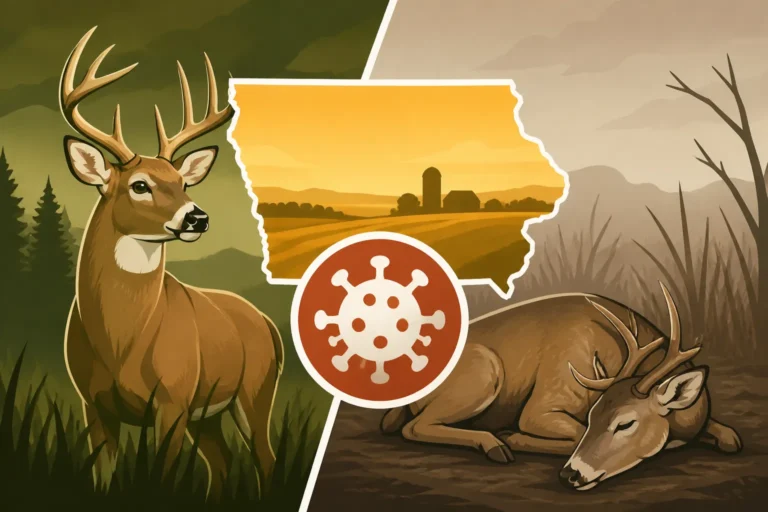
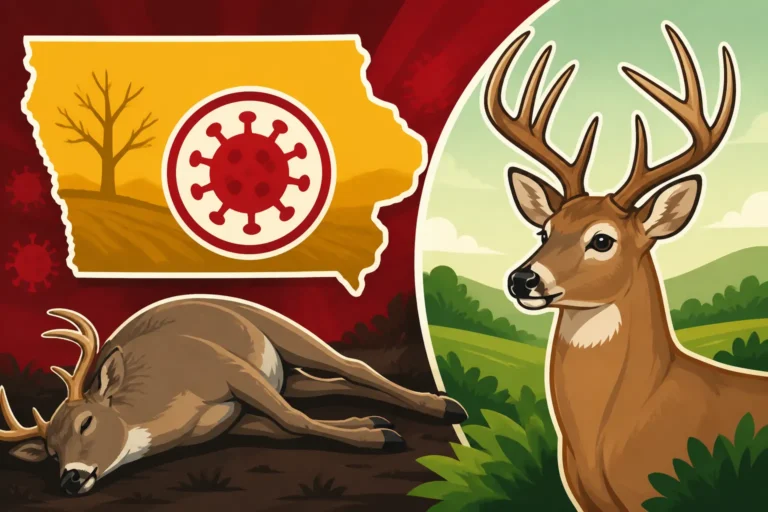
Nature plays a powerful role in deer numbers. Severe winters with deep snow and prolonged cold can increase natural mortality, especially among fawns and older deer, as they expend more energy simply staying warm and struggle to find food. Conversely, mild winters can lead to higher fawn survival and a more robust breeding population. Diseases also pose a significant threat. Epizootic Hemorrhagic Disease (EHD) is a periodic concern in Iowa, often flaring up during hot, dry summers when deer congregate around limited water sources, leading to localized die-offs. Hunters often worry about "EHD Outbreaks in Iowa Deer" and their impact on local herds. Additionally, Chronic Wasting Disease (CWD) is a persistent, long-term threat that requires ongoing monitoring and management efforts, as it has the potential to impact herd health and stability over time.
Hunter Harvest and Management Goals
Human intervention, primarily through regulated hunting, is a cornerstone of Iowa's deer management strategy. The DNR uses hunting as its primary tool to manage deer populations, aiming to balance herd numbers with habitat carrying capacity, agricultural damage concerns, and hunter satisfaction. By adjusting antlerless tag quotas, setting specific season dates, and establishing deer management zones, the DNR can influence population growth or reduction in different areas. For instance, in areas with high deer densities or significant crop damage, more antlerless tags might be issued to reduce the doe population and, consequently, the birth rate. Conversely, in areas where deer numbers are lower, antlerless harvest might be restricted. The objective of "Iowa Deer Herd Management and Harvest" is to foster a healthy, sustainable deer population that provides ample hunting opportunities while minimizing negative impacts on other aspects of the ecosystem and human livelihoods. These management strategies are carefully designed based on population estimates and biological data, ensuring that hunting remains a responsible and effective conservation tool.
Interpreting Deer Population Trends
Understanding the overall deer population estimate for Iowa is just the first step. To truly gain an edge as a hunter, or simply to appreciate the complexities of wildlife, you need to dig deeper into what those trends mean on a more localized level. Iowa is not uniform; deer densities and movement patterns vary significantly from one corner of the state to another, and even within individual counties.
Regional Variations Across Iowa
When we talk about Iowa's deer population, it’s crucial to remember that this isn't a single, uniform number spread evenly across the entire state. There are distinct regional differences influenced by habitat, land use, and historical factors. Southern Iowa, for instance, is renowned for its large tracts of timber, steep river breaks, and diverse habitat, which often support higher deer densities and a greater percentage of mature bucks. This is a primary reason "Why Iowa Grows Trophy Whitetails". Conversely, flatter, more intensively farmed areas in central and northern Iowa might have lower overall deer numbers but can still hold pockets of exceptional quality, particularly in isolated timber blocks, creek bottoms, or areas with significant CRP enrollment. These variations mean that a high statewide estimate doesn't guarantee a high density in your specific hunting spot. Utilizing resources that detail "Deer Density by Iowa County" can be incredibly helpful for planning your hunts and focusing your efforts where the deer are most abundant. Many experienced hunters use tools like GoHunt to scout and analyze these regional differences, pinpointing areas with good habitat and historical harvest success.
Impact on Hunting Success
Ultimately, for most hunters, deer population estimates translate into one thing: hunting success. Higher deer populations generally mean more opportunities, but it's not always a direct correlation. Hunter pressure, access to private land, and individual hunter skill all play significant roles. For example, a county might have a high deer population, but if it's heavily pressured public land, your personal success might still be challenging. Conversely, finding private land access in a lower-density area could yield better results due to less competition. The DNR's population goals, which dictate antlerless tag availability and season structures, directly influence hunting opportunities. When the population is robust, more tags are often available, providing more chances to fill the freezer. When numbers dip, tags might be restricted, signaling a need for hunters to be more selective or to focus on specific management objectives, such as antlerless harvest in certain zones. This dynamic relationship between population estimates and hunting regulations makes informed participation in the sport even more rewarding.
| Data Source | Primary Purpose | Frequency | Key Information Provided |
|---|---|---|---|
| Mandatory Harvest Reports | Direct measure of harvest pressure & success | Annually | Total deer harvested, county of harvest, sex, age class |
| Bowhunter Observation Survey | Estimate buck-to-doe ratio, fawn recruitment | Annually (Fall) | Deer observed per hour, age/sex class ratios |
| Aerial Surveys | Estimate localized deer density in specific areas | Winter (select areas) | Direct counts, herd composition |
| Spotlight Surveys | Estimate deer presence along fixed routes | Annually (Spring/Fall) | Trend data for specific habitat types |
| Disease Monitoring | Track CWD, EHD, and other health concerns | Ongoing | Disease prevalence, spatial spread, mortality events |
Disclaimer
This article is for general informational purposes only and does not constitute professional advice. Laws, prices and regulations vary by location and change over time. Consult a qualified professional for guidance on your specific situation.