Iowa Disabled Hunter Licences
Hunting in Iowa offers incredible opportunities, but for hunters with disabilities, navigating regulations and ensuring accessible experiences can feel like an uphill battle. It's frustrating when you're eager to get out in the field, but unsure if your physical limitations will preclude you from participating, or if the rules even make allowances for your specific needs. This guide is here to cut through the confusion, detailing everything you need to know about Iowa disabled hunter licences, special provisions, and how to make your hunting adventures a reality.
Understanding Iowa's Disabled Hunter Provisions and Eligibility
Iowa is committed to making hunting accessible to everyone, and that includes hunters with disabilities. However, understanding what qualifies as a disability for hunting purposes and the specific documentation required is often the first hurdle. It’s not just about a general medical condition; the state has specific criteria that need to be met to ensure these valuable provisions are used appropriately.
Defining "Disabled" for Iowa Hunting Licences
The Iowa Department of Natural Resources (DNR) defines a disabled hunter through specific criteria, primarily focusing on mobility impairments that significantly hinder a person's ability to hunt under standard conditions. This isn't a blanket "disabled" status but rather a targeted approach to address certain challenges. Generally, eligibility often hinges on a permanent physical condition that limits ambulation. For instance, individuals who are unable to walk without the aid of a crutch, cane, walker, or wheelchair, or those with severe cardiopulmonary conditions that limit physical exertion, often qualify. This might include veterans with service-connected disabilities, individuals with severe arthritis, or those recovering from major accidents that have resulted in long-term mobility issues.
The key here is permanent impairment. A temporary injury, while certainly debilitating and frustrating, typically doesn't qualify you for these specific licenses and privileges. You'll need an official diagnosis and certification from a licensed physician (M.D., D.O., or advanced registered nurse practitioner) to confirm your condition and its impact on your mobility. This documentation is crucial; it’s what the DNR uses to verify your eligibility. Without it, even if you clearly face significant physical challenges, the application cannot proceed. It's designed to be fair and consistent, but it does require that formal stamp of approval from a medical professional.
Applying for a Disabled Hunter Licence Through Go Outdoors Iowa
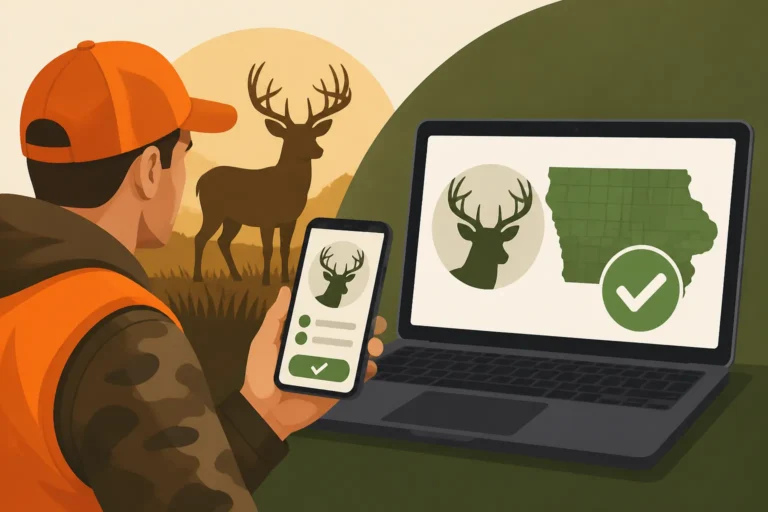
Once you understand the eligibility, the application process itself is relatively straightforward, primarily handled through the Go Outdoors Iowa online licensing system. This is the central hub for all Iowa hunting and fishing licenses, and it's designed to be user-friendly, though sometimes navigating government websites can feel like a maze. To start, you'll need to create an account or log in if you already have one. The system will guide you through purchasing your base hunting license and habitat fee, which are prerequisites for any special deer or turkey tags. Remember, understanding the Iowa Base Licence and Habitat Fee is important, as these general fees apply to almost all hunters.
When it comes to applying for the disabled aspect, you'll typically select this option during the license purchase process or when applying for specific draw hunts that offer disabled hunter preferences. You’ll be prompted to provide information about your disability and, crucially, to upload or submit your physician's certification. It's a good idea to have a scanned copy of this documentation ready before you begin the online application to avoid delays. While the Go Outdoors Iowa system handles the official application, tools like GoHunt can be invaluable for the pre-planning phase, helping you understand where specific regulations might apply or even scout potential hunting areas that are more accessible. After submitting your application and documentation, the DNR will review it. It’s always wise to apply well in advance of any season deadlines to allow ample time for processing and to address any potential issues.
Costs and Renewal Procedures
The cost of a disabled hunter licence in Iowa is generally the same as a regular resident hunting license, plus any specific tags you wish to purchase (e.g., deer, turkey). The disabled designation primarily grants you privileges or exemptions rather than a separate, higher-cost license. For instance, the general resident hunting license usually costs around $30, with additional costs for specific species tags. Iowa also has special provisions for military veterans and those with service-connected disabilities, which can sometimes reduce the cost of certain licenses. It's worth looking into these if they apply to your situation, as they can offer significant savings.
When it comes to renewal, your disabled hunter status often needs to be re-certified periodically, but not necessarily annually. Some conditions, by their very nature, are permanent, and the DNR may have a process for long-term certification. However, it's always best practice to confirm the specific requirements with the Iowa DNR directly, as rules can occasionally change. The physician's certification usually specifies if the condition is permanent or if a re-evaluation is needed after a certain period. Keeping your documentation up to date and readily accessible is key to a smooth renewal process. Don't wait until the last minute; check your status and any expiration dates well before the hunting season begins.
Specific Privileges and Accommodations for Disabled Hunters
One of the most valuable aspects of Iowa's disabled hunter provisions is the enhanced accessibility and flexibility it offers. These aren't just minor adjustments; they are designed to overcome significant physical barriers, allowing disabled hunters to engage more fully in the sport they love. From getting to your stand to retrieving your harvest, these accommodations can make all the difference.
Vehicle Use and Access on Public Lands
This is perhaps one of the most significant privileges for many disabled hunters. Iowa DNR often grants special permits that allow disabled hunters to use ATVs, UTVs, or other motorized vehicles on designated portions of public hunting lands where vehicle use would otherwise be restricted or prohibited. Imagine trying to access a remote timber stand or a distant field edge when you rely on a wheelchair or have severe walking limitations. This provision is a game-changer, removing a major physical barrier to accessing prime hunting ground. It allows you to get closer to your hunting spot, reducing the arduous walk-in that many able-bodied hunters might take for granted.
However, these privileges come with specific rules. You'll need to apply for a special vehicle access permit, which usually requires your disabled hunter identification. Not all public lands may have the same access rules, so it's critical to check the specific regulations for individual Iowa Wildlife Management Areas or state forests you plan to hunt. Using resources like the Using the Iowa Hunting Atlas can help identify designated access routes and vehicle-friendly areas. For example, some WMAs might have clearly marked "disabled access only" trails, while others might require you to stay on existing service roads. The goal is to provide access while minimizing environmental impact and ensuring safety for all users. Always adhere to posted signs and specific area regulations to maintain these vital privileges.
Special Season Dates and Weapon Privileges
Iowa sometimes offers specific hunting opportunities tailored for disabled individuals. The most notable is often the Iowa Disabled Hunter Season, which can provide an exclusive early or late season for deer or other species, allowing for a less crowded and potentially more comfortable hunting experience. These seasons are designed to give disabled hunters a unique window to pursue game, often before or after the main rush, which can be beneficial for managing mobility and logistical challenges. It also allows for potentially milder weather conditions or different deer movement patterns, which can increase success rates.
Beyond season dates, there can also be specific weapon exemptions. While Iowa has strict rules about legal deer hunting equipment by season (e.g., shotguns for shotgun season, bows for archery), disabled hunters may, in certain circumstances, be granted permission to use alternative weapons that better suit their physical capabilities. For example, a hunter with an upper body disability preventing them from drawing a traditional bow might be permitted to use a crossbow during regular archery season without a special permit. Similarly, some hand-held firearm exemptions might exist if a traditional long gun is unmanageable. It is vital to consult the latest Iowa hunting regulations booklet or contact the DNR directly to confirm any such exemptions, as these are often granted on a case-by-case basis and require specific documentation.
Assistance from Other Hunters
Hunting is often a communal activity, and for disabled hunters, having assistance can be crucial. Iowa’s regulations generally allow for assistance from able-bodied companions, especially concerning tasks like tracking, retrieving, and field dressing game. This is where understanding Iowa Party Hunting Rules becomes relevant, even if you’re not sharing tags. A companion can help you locate a downed animal, especially in thick cover where mobility is a challenge. They can also assist with field dressing, which can be physically demanding, or help transport the animal from the field. Having someone help with Deer Carts on Iowa Walk-In Ground or even a four-wheeler can turn a strenuous recovery into a manageable task.
It’s important to clarify the boundaries of this assistance. Generally, the disabled hunter must be the one who takes the shot. The helper's role is typically limited to assistance before the shot (e.g., helping set up a blind, spotting deer) and after the shot (tracking, retrieval, processing). They cannot take the shot for the disabled hunter unless specific youth or mentor rules apply, which is a separate category. Ensure your hunting partners are fully aware of these rules to avoid any misunderstandings or violations. The goal is to facilitate the disabled hunter’s experience, not to allow others to hunt on their behalf.
Important Considerations and Best Practices for Disabled Hunters
Securing the right licenses and understanding your privileges is a fantastic start, but successful and enjoyable hunting, especially as a disabled hunter, also hinges on smart planning, staying informed, and being mindful of how your actions affect others. It's about maximizing your opportunities while respecting the land and fellow hunters.
Understanding Public Land Regulations Beyond the Disabled Hunter Permit
While your disabled hunter permit grants specific vehicle access and other privileges, it doesn't override all other public land regulations. Each Iowa Wildlife Management Area, State Forest, or other public tract might have its own unique set of rules regarding things like overnight camping, stand placement, baiting, or specific seasonal closures. For example, even with vehicle access, there might be areas designated as wildlife refuges or non-motorized zones that remain off-limits.
It's critical to research the specific public areas you intend to hunt. The Iowa DNR website and the Iowa Hunting Atlas are excellent resources. Always look for posted signs at parking areas or access points, as these will often highlight site-specific rules. Don't assume that because you have a disabled access permit, you can disregard rules about things like leaving no trace or proper Hunting Iowa Walk-In Ground Without Burning It Out. Being a responsible and informed hunter sets a positive example and helps ensure these vital programs continue to be supported. A quick call to the local DNR unit manager for the area you plan to hunt can clear up any ambiguities and prevent potential issues.
Planning Your Hunt for Accessibility and Success
For disabled hunters, effective planning is paramount. It involves more than just knowing the regulations; it's about strategically choosing your hunting location, selecting appropriate gear, and building a reliable support network. Start your planning early by Scouting Iowa Public Land Before the Opener. Use aerial maps from sources like GoHunt to identify potential hunting spots that offer easy vehicle access, gentle terrain, and proximity to bedding or feeding areas. Look for natural funnels, pinch points, or field edges that might offer good ambush opportunities without requiring extensive movement. Consider using ground blinds, which can be much more comfortable and accessible than treestands for many disabled hunters. Ensure your blind is brushed in effectively and your shooting lanes are clear from a seated position.
Think about your equipment. Is your chosen weapon suitable for your physical capabilities? Are your clothing layers easy to put on and take off? Do you have a reliable communication device? Consider a deer cart or even an electric game cart for retrieval if you're hunting alone or with limited assistance. If you have a physical therapist or occupational therapist, talk to them about movements or gear that might reduce strain. Building a solid network of hunting buddies or family members who understand your needs and are willing to assist is also invaluable. Discuss roles and responsibilities beforehand, so everyone knows what to expect, especially when it comes to getting to your stand or recovering an animal. Planning for specific Access Routes That Do Not Bump Deer is also crucial, as limited mobility might make careful entry and exit even more important.
Staying Informed on Regulation Changes
Hunting regulations are not static; they can change from year to year based on deer herd health, public input, environmental factors, and legislative decisions. This is especially true for special provisions like those for disabled hunters. What was allowed last season might have subtle changes this season. It's frustrating to keep up with every little detail, but your best bet is to review the official Iowa Hunting and Trapping Regulations booklet annually. This booklet is released by the Iowa DNR each summer and is available online or at most license vendors. Pay close attention to sections on special seasons, methods, and vehicle access for disabled hunters.
Another excellent way to stay informed is by signing up for email newsletters from the Iowa DNR or following their official social media channels. They often announce proposed rule changes or important updates well in advance. Consider joining a local hunting club or a disability advocacy group focused on outdoor recreation; these communities often share information and can be a great resource for staying current. A quick check of the Go Outdoors Iowa website before each season starts will also ensure you have the most up-to-date information on license types and application deadlines. Being proactive in seeking out information will save you headaches and ensure your hunting experiences remain fully legal and enjoyable.
| Privilege/Accommodation | Description | Requirements | Best Practice |
|---|---|---|---|
| Vehicle Access on Public Land | Use ATVs/UTVs on designated areas otherwise restricted to increase mobility and access. | Special permit from DNR, physician's certification, disabled hunter ID. | Check specific WMA/public land rules for allowed routes. |
| Special Season Dates | Exclusive early or late hunting seasons for deer or other species, often less crowded. | Disabled hunter license/status. | Review annual regulations for specific dates and species. |
| Weapon Exemptions | Permission to use alternative weapons (e.g., crossbow during bow season) better suited to physical limits. | Case-by-case DNR approval, specific physician's documentation for limitation. | Contact DNR well in advance; clarify specific limitations and needed exemption. |
| Assistance from Others | Companions can help with scouting, tracking, retrieval, and field dressing. | Disabled hunter must take the shot; assistant cannot hunt for them. | Clearly communicate roles and responsibilities with hunting partners. |
Disclaimer
The information provided in this article is for general guidance and informational purposes only. Hunting regulations in Iowa can change, and interpretations may vary. It is your responsibility to consult the most current official Iowa Department of Natural Resources (DNR) hunting regulations and to contact the DNR directly for clarification on any specific rules pertaining to disabled hunter licenses and privileges before engaging in hunting activities. Reliance on any information in this article is solely at your own risk.