Iowa Nonresident Spring Turkey Licences
Trying to navigate the nonresident hunting regulations for a prime state like Iowa can feel like deciphering ancient scrolls, especially when you're dreaming of chasing spring gobblers. Many out-of-state hunters find themselves overwhelmed by application dates, zone restrictions, and the ever-present fear of missing a crucial step. This comprehensive guide is here to walk you through everything you need to know about securing an Iowa nonresident spring turkey licence, from application to understanding the seasons, so you can focus on the hunt, not the paperwork.
Understanding the Iowa Nonresident Spring Turkey Landscape
Iowa might be best known for its monster whitetails, but let me tell you, the spring turkey hunting here is absolutely phenomenal. There’s something truly special about those crisp Iowa mornings, listening to a gobbler hammering in a distant timber stand, ready to call him in. However, as a nonresident, getting one of those coveted tags isn't always as simple as walking into a local sporting goods store.
Why Iowa for Spring Turkeys?
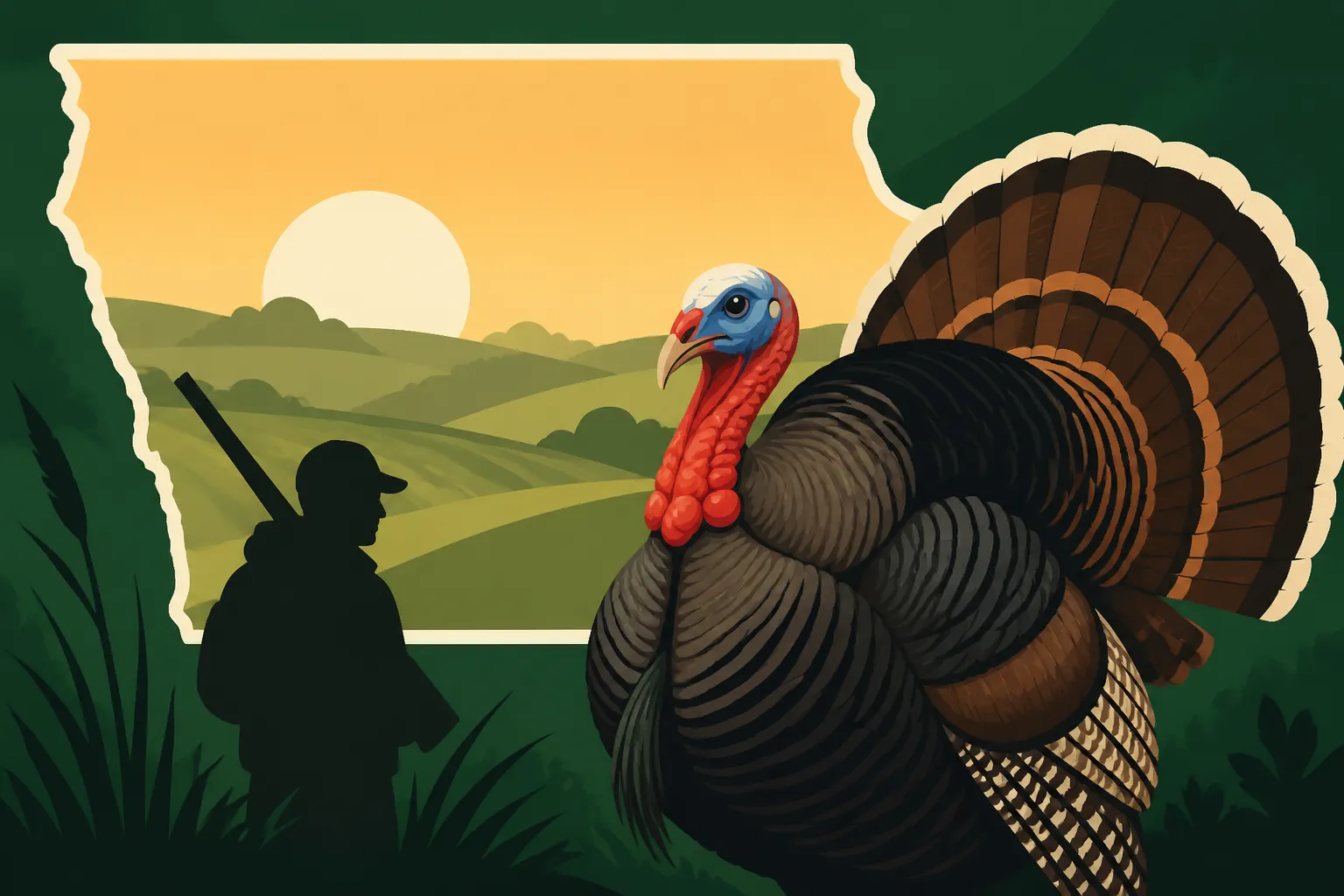
For years, Iowa has quietly cultivated a reputation for fantastic turkey hunting, especially for those big, mature Eastern birds. The state's unique blend of timber, river bottoms, and agricultural fields creates an ideal habitat for turkeys, providing plenty of roosting cover and abundant food sources. This environment allows for healthy turkey populations and robust birds, often with impressive spurs and beards.
The sheer excitement of hearing a loud gobble echo across a valley, knowing you're in prime territory, is a huge draw. Plus, with the challenge of drawing a tag, there's a certain satisfaction that comes with finally getting to hunt here. It's not just about the numbers; it's about the quality of the hunting experience and the chance to call in a truly grand bird in some stunning Iowa landscapes. If you're looking for an exceptional spring turkey experience, Iowa definitely delivers, provided you can navigate the application process. You can learn more about general Iowa Turkey Population Trends to understand why it's such a sought-after destination.
The Challenge of Nonresident Access
Here's where it gets a little tricky for us out-of-staters. Iowa prioritizes its resident hunters, as most states do, meaning nonresident spring turkey licences are issued through a draw system with limited quotas. This isn't a state where you can just show up and buy an over-the-counter tag for spring turkeys. You have to plan ahead, understand the application period, and hope the draw odds are in your favor for your chosen zone and season.
The limited number of tags makes drawing one a genuine accomplishment, but it also means patience and strategic application are key. You'll often hear hunters talking about "point creep" or how tough it is to draw in certain popular zones, and that's absolutely true for Iowa's nonresident turkey tags. It can be frustrating, especially if you have a specific area or week in mind, but the reward of a successful draw and a chance at an Iowa gobbler makes the effort worthwhile. Don't get discouraged, just get informed!
Population Health and Management
The Iowa Department of Natural Resources (DNR) works hard to maintain healthy turkey populations across the state, which is why they have these controlled quotas. This management approach ensures that hunting pressure remains sustainable and that future generations of hunters will continue to enjoy the fantastic opportunities Iowa offers.
Their strategies involve monitoring flock dynamics, poult survival rates, and hunter harvest data to make informed decisions about tag allocations. This commitment to conservation is part of what makes Iowa's turkey hunting so consistently good. By understanding that these regulations are in place for the health of the resource, it makes the application process feel less like a hurdle and more like a necessary step in a well-managed system. We're all in this together to ensure these magnificent Eastern Turkeys in Iowa Timber thrive.
Navigating the Nonresident Spring Turkey Application Process
Applying for an Iowa nonresident spring turkey licence requires careful attention to detail and a strict adherence to deadlines. Miss a date, and you're out of luck for the entire season. It's not uncommon for hunters to accidentally submit the wrong information or misinterpret a rule, so taking your time is paramount.
Key Dates and Deadlines
The most critical piece of information for any nonresident eyeing an Iowa spring turkey tag is the application period. Typically, the application window for nonresident spring turkey licences opens in late December or early January and closes in late January or early February. These dates are firm, and late applications are simply not accepted. You'll want to mark these dates on your calendar, set reminders, and perhaps even put a sticky note on your computer.
The Iowa DNR will announce the exact dates well in advance, and you can usually find this information on their official website or through hunting resources like GoHunt. This company is excellent at keeping track of application deadlines across different states, so it's a valuable tool for nonresident hunters. Waiting until the last minute is a recipe for disaster, as internet issues or unexpected errands can easily cause you to miss the cutoff. Stay proactive and apply early in the window. Keep an eye on the official Iowa Nonresident Turkey Application Dates each year.
Step-by-Step Application Through Go Outdoors Iowa
The application process itself is handled entirely online through the "Go Outdoors Iowa" licensing system. This is the official portal for all Iowa hunting and fishing licences and permits.
Here’s a general rundown of how it typically works:
- Create an Account: If you don't already have one, you'll need to create a profile on the Go Outdoors Iowa website. This involves providing personal details, contact information, and establishing a unique customer ID. Make sure all information is accurate to avoid issues later.
- Purchase a Base Licence and Habitat Fee: Before you can apply for a turkey tag, nonresidents must purchase an annual nonresident hunting licence and an Iowa habitat fee. These are prerequisite purchases. Think of it as your entry ticket to even have the chance to draw a tag.
- Select Your Application: Once your base licence and habitat fee are secured, you can navigate to the "Turkey Hunting" section and select the nonresident spring turkey application.
- Choose Your Zone and Season: This is a critical step. You'll be asked to select your preferred hunting zone (there are specific zones across the state) and your desired hunting season segment (e.g., Season 1, 2, 3, or 4). You can only apply for one zone and one season segment. Researching these zones and understanding the Iowa Spring Turkey Season Numbers is crucial for your strategy.
- Review and Submit: Double-check all your selections and personal information before submitting. Errors here can cost you a tag. Your credit card will be charged the application fee, and if successful in the draw, the full turkey licence fee.
It's a straightforward process, but again, attention to detail is your best friend. Don't be afraid to take screenshots of your application confirmation for your records.
Understanding the Zone System
Iowa's nonresident spring turkey hunting is divided into distinct zones, each with its own quota of available tags. These zones are typically geographical regions within the state, designed to distribute hunting pressure and manage local turkey populations effectively. You'll need to study a current Iowa DNR turkey zone map to understand which areas fall into which zone.
Some zones might be timber-heavy, offering traditional turkey hunting experiences, while others might be more agricultural with smaller timber pockets and river corridors. The popularity and success rates can vary significantly between zones. For instance, a zone with extensive public land might see more applicants, making the draw tougher. Conversely, a less popular zone might offer better draw odds, but might require more effort in scouting or securing private land access. Understanding these nuances is vital when deciding where to put in your application. Your zone choice can greatly influence your chances of drawing a tag.
Deconstructing the Costs for Your Iowa Spring Turkey Adventure
Let's be real, nonresident hunting isn't cheap, and Iowa is no exception. Beyond the emotional investment, there's a significant financial commitment involved in chasing spring gobblers here. Knowing all the costs upfront can help you budget effectively and avoid any unpleasant surprises down the road.
Licence Fees and Habitat Stamps
For nonresident hunters, the primary costs involve several components. First, you'll need to purchase a nonresident hunting licence. This isn't just for turkeys; it's a general hunting licence valid for the calendar year. On top of that, you must also purchase an Iowa habitat fee. This fee supports critical habitat restoration and conservation efforts across the state and is mandatory for nearly all hunting licences.
Finally, if you are successful in the draw, you'll be charged for the nonresident spring turkey licence itself. The total cost can add up, so it's wise to check the current Iowa Turkey Licence Cost on the DNR website before you apply. Typically, the habitat fee and annual hunting licence are paid upfront when you apply, and then the actual turkey tag fee is only charged if you're drawn. This system ensures that the state isn't holding onto your full tag fee if you're unsuccessful.
Additional Expenses to Budget For
Beyond the official licences and fees, there are several other expenses that can quickly add up for a nonresident turkey hunt in Iowa:
- Travel Costs: Fuel, flights, or vehicle maintenance to get to and from Iowa. If you're driving a long distance, remember the cost of gas can be significant.
- Accommodation: Hotels, motels, Airbnb, or even camping fees. Depending on your chosen hunting zone, options might be limited or pricey, especially around popular public hunting areas.
- Food and Supplies: Groceries, restaurant meals, and any last-minute gear you might need. Don't underestimate how much you'll eat after a long morning of walking and calling!
- Gear: Ammunition, turkey calls, decoys, camouflage, and proper footwear. While you likely have most of this, if something breaks or you decide to try a new call, these costs can creep in.
- Mapping Subscriptions: Services like GoHunt provide valuable maps and data, but they come with a subscription fee. However, the insights they offer into public land boundaries and turkey habitat can be invaluable for planning.
- Processing Fees: If you harvest a bird and opt for professional processing, that's another cost to consider. Many hunters, myself included, enjoy processing their own birds to save money and ensure quality.
It's a good idea to create a detailed budget, itemizing each of these potential costs. This way, you won't be caught off guard and can enjoy your hunt without financial stress.
Potential Refund Information
What happens if you apply, pay your base licence and habitat fee, but then aren't drawn for a spring turkey tag? This is a common concern for nonresident hunters. In Iowa, if you are unsuccessful in the draw for a nonresident spring turkey licence, you generally will not be refunded the cost of your annual nonresident hunting licence or the habitat fee. These are typically considered non-refundable purchases that enable you to apply for permits and hunt other species if available.
However, the specific turkey tag fee itself is usually only charged if you are successful in the draw. So, while you won't get back the initial fees, you won't be out the full price of the turkey tag either. It's always best to consult the official Iowa DNR regulations each year for the most up-to-date information on refunds, as policies can sometimes change. Knowing this upfront helps manage expectations if the draw doesn't go your way.
Iowa Spring Turkey Season Dates and Permitted Weapons
Understanding the structure of Iowa's spring turkey seasons and what gear you can legally use is crucial for a successful and compliant hunt. It’s not just about getting a tag; it’s about knowing when and how you can actually hunt.
Available Season Segments for Nonresidents
Iowa offers several distinct season segments for spring turkeys, typically running from early April through mid-May. These segments are designed to spread out hunting pressure and align with different phases of the turkey breeding cycle. For nonresidents, you'll usually apply for one of these specific segments within a chosen zone. The exact dates shift slightly year-to-year, so always confirm the current year's calendar.
- Youth Season: Usually held before the regular seasons, this is a fantastic opportunity for young hunters. Nonresident youth can apply for this tag, often with higher draw odds.
- Season 1, 2, 3, and 4: These are the main segments, typically lasting about a week each.
- Early Seasons (1 & 2): Often coincide with peak gobbling activity and breeding, when birds are actively seeking hens. This can mean more responsive gobblers, but also potentially more competition from other hunters.
- Later Seasons (3 & 4): As the season progresses, hens may be on nests, making gobblers more solitary and potentially more callable. However, foliage is often denser, which can make spotting birds harder and limit visibility.
Choosing which season to apply for depends on your hunting style, preferred conditions, and previous experience. Some hunters swear by the early action, while others prefer the tactical challenge of later seasons. It's a personal choice, but researching past success and weather patterns for your chosen zone can help inform your decision.
Legal Weapons for Spring Turkey Hunting
Iowa has clear regulations regarding what weapons are permissible for spring turkey hunting. Generally, hunters are allowed to use shotguns, bows, or crossbows.
- Shotguns: This is by far the most popular choice for turkey hunting. You can use shotguns 10-gauge or smaller, firing shot sizes no larger than No. 4 lead or No. 2 non-toxic shot. Modern turkey loads, often with Tungsten Super Shot (TSS) or similar dense shot, are incredibly effective within typical turkey ranges. Ensure your shotgun is patterned correctly with your chosen load before hitting the field.
- Bows and Crossbows: Archery equipment is also a legal and exciting way to hunt spring turkeys. For traditional bows (compound or recurve), there are typically minimum draw weight requirements, and broadheads must meet specific cutting diameter or blade length criteria. Crossbows are generally permitted for all hunters, not just those with disabilities, which is a convenience not offered in all states. Just like with shotguns, ensure your archery equipment is properly tuned and you're proficient with it. A well-placed arrow is critical for an ethical harvest.
Remember, whatever weapon you choose, safety is paramount. Always handle firearms and bows responsibly, be aware of your surroundings, and positively identify your target before taking a shot.
Understanding the Zone Quotas
Each of Iowa's nonresident spring turkey zones has a specific quota, meaning a limited number of tags are allocated for each season segment within that zone. These quotas are set annually by the Iowa DNR based on population data, harvest reports, and management objectives. This is why the draw system exists – to ensure that the number of hunters does not exceed what the turkey population in a given area can sustain.
The quotas can vary greatly from zone to zone and year to year. A zone with abundant timber and high turkey numbers might have a larger quota than a more urbanized or agricultural zone with less ideal habitat. These quotas are public information, usually released alongside the application details, allowing hunters to see how many tags are available for their desired area and season. This transparency, along with resources like GoHunt, allows you to strategize where your best odds might lie. Sometimes applying for a less popular zone, even if it's not your absolute top choice, can significantly increase your chances of drawing a tag.
Drawing Odds and Strategy for Nonresident Turkey Tags
Let's talk about the elephant in the room: drawing a nonresident spring turkey tag in Iowa. It's not a guaranteed thing, and understanding the odds and having a strategy can make a world of difference in managing your expectations and increasing your chances.
Analyzing Past Draw Success Rates
The Iowa DNR typically releases draw results and sometimes even statistics on the number of applicants versus tags awarded for each zone and season. This data is gold for nonresident hunters. By looking at historical draw success rates, you can get a realistic idea of how difficult it is to draw in a particular area or time slot.
For example, a specific zone might have historically low odds for Season 1, perhaps due to its reputation for prime early-season gobbling action or extensive public land access. Conversely, a later season in a different zone might have significantly higher odds because fewer hunters apply for it. Resources like GoHunt often compile and analyze this data, making it easier for hunters to research before applying. Don't just apply blindly; invest some time in understanding where your application stands the best chance based on previous years' draws. It's an imperfect science, as applicant numbers fluctuate, but it's the best predictor we have.
Strategies to Maximize Your Chances
Since Iowa doesn't operate on a preference point system for turkey like it does for deer, every applicant has an equal chance in the random draw each year. This means strategic application, not accumulated points, is key.
Here are a few strategies nonresidents often employ:
- Avoid the Most Popular Zones/Seasons: This is probably the most common advice. While everyone wants to hunt the "best" spots during "peak" gobbling, these are often the hardest tags to draw. Consider applying for less popular zones or later season segments if your primary goal is simply to get a tag in hand.
- "Go Where the Tags Are": Look at the zones with the highest quotas and/or historically higher draw success rates. These might not be the most famous areas, but they offer better mathematical odds.
- Hunt with a Group (if possible): While individual tags are drawn, planning a trip with friends who also apply for different zones/seasons could increase the chances of at least one person in your group drawing a tag. Just remember that each application is independent.
- Scout Smarter, Not Harder (if drawn): If you are lucky enough to draw, shift your focus to intense E-scouting. Utilize online mapping tools to identify potential roosting areas, food sources, and travel corridors within your specific zone. Being prepared helps you hit the ground running, even if it's not your dream zone. Check out articles on topics like Roosting Iowa Turkeys the Night Before to refine your pre-hunt strategy.
What Happens If You Don't Draw
It's a tough pill to swallow, but sometimes, despite all your research and planning, you won't draw a nonresident spring turkey tag. It happens to the best of us, and it's important to have a plan B to avoid disappointment.
If you don't draw, you typically won't be refunded your base nonresident hunting licence or habitat fee, as mentioned earlier. However, the good news is that these licences usually remain valid for the calendar year, potentially allowing you to pursue other hunting opportunities in Iowa if they become available or if you plan another trip for different species.
There are usually no leftover nonresident spring turkey tags available for purchase after the draw. The limited number of tags means they are almost always filled during the initial lottery. So, if you miss out, your best bet is to review the draw results, re-evaluate your strategy, and apply again next year. Don't give up on the dream of an Iowa gobbler! The challenge is part of what makes it so rewarding when it finally comes together.
Preparing for Your Iowa Nonresident Spring Turkey Hunt
Congratulations! You’ve successfully navigated the application process and drawn an Iowa nonresident spring turkey tag. Now the real fun begins: preparing for the hunt itself. Proper preparation, both before and during your trip, can significantly increase your chances of success and ensure a memorable experience.
Scouting and Pre-Season Planning
Even if you're traveling from out of state, there's a lot you can do before your boots hit the Iowa soil. Effective pre-season planning is your secret weapon.
- E-Scouting: This is your best friend as a nonresident. Utilize online satellite imagery, topographic maps, and public land atlases (like the Iowa DNR's Hunter Atlas or services like GoHunt) to identify potential hunting areas within your drawn zone. Look for areas with a mix of mature timber (especially hardwoods for roosting), open fields, and water sources. River bottoms and creek drainages often serve as natural travel corridors for turkeys. Mark potential roosting sites, pinch points, and access routes.
- Contact Local DNR Biologists: Don't be shy about reaching out to the local DNR wildlife biologist for your specific zone. They are a wealth of information regarding turkey populations, habitat conditions, and general hot spots or challenges in their area. Their insights can be invaluable.
- Weather Patterns: Research historical weather patterns for your chosen season segment. Early spring can be unpredictable, ranging from mild and sunny to cold and wet. Knowing what to expect helps you pack appropriate clothing and gear.
- Access Points: Plan your access routes to public lands or pre-arranged private ground. Identify parking areas and consider how far you're willing to walk to get away from road noise and other hunters. Remember, quiet access is critical for not bumping birds.
The more you can learn about your hunting area before you arrive, the less time you'll spend searching and the more time you'll spend hunting.
Gear and Tactics for Iowa Turkeys
Having the right gear and a solid tactical plan can make or break your hunt. Iowa's terrain can vary, so be prepared for a mix of walking timber, crossing fields, and navigating brushy edges.
Here’s a look at essential gear and effective tactics:
- Calls: A variety of calls is key. Think slate calls, box calls, and diaphragm calls. Turkeys can be picky, so having different sounds can mimic multiple hens and help you adapt to their mood. Mastering various types of calls, such as how to effectively use a Grunt Calls That Work in the Pre-Rut for deer, can also be adapted to turkey vocalizations.
- Decoys: Often, a good turkey decoy spread can be the difference-maker, especially in open country or on field edges. A jake and a hen, or even a single hen, can be incredibly effective at drawing in a curious gobbler. Learn about effective Turkey Decoy Spreads That Work for different scenarios.
- Camouflage: Head-to-toe camouflage is essential. Turkeys have incredible eyesight. Make sure to cover your face and hands. Consider quiet fabrics that won't rustle when you move.
- Footwear: Comfortable, waterproof boots are non-negotiable. You'll be doing a lot of walking, potentially through wet grass or muddy timber.
- Optics: Binoculars (8x or 10x) are great for scanning distant fields or timber edges for subtle turkey movement.
- Comfortable Seat: A small, portable turkey seat or cushion can make long waits much more bearable.
- Tactics:
- Listen at Dawn: Get to your chosen area well before legal shooting light and listen for gobblers on the roost. This is how you locate birds.
- Set Up Smart: Once you hear a gobbler, make a silent move to get within calling distance, ideally with a natural barrier (like a fence line or rise) between you and the bird. Position yourself for a shot, ensuring you have a clear firing lane.
- Call Aggressively, Then Softly: Start with confident calls to get a response, then adjust your calling based on the bird's reaction. Sometimes soft purrs and clucks are all it takes to seal the deal.
- Run-and-Gun: If a gobbler isn't responding, don't be afraid to move. This is especially effective on public land where you might need to cover ground to find an active bird. Check out Run-and-Gun Turkey Tactics on Iowa Public Land for more details.
- Patience: Turkey hunting often requires immense patience. Sometimes you just have to sit tight and wait for the bird to commit.
Remember, every hunt is different, and flexibility is key. What works one day might not work the next.
Post-Harvest Reporting and Rules
Harvesting an Iowa gobbler is an incredible accomplishment, but your responsibilities don't end when the bird hits the ground. Iowa has specific rules for tagging and reporting your harvest.
-
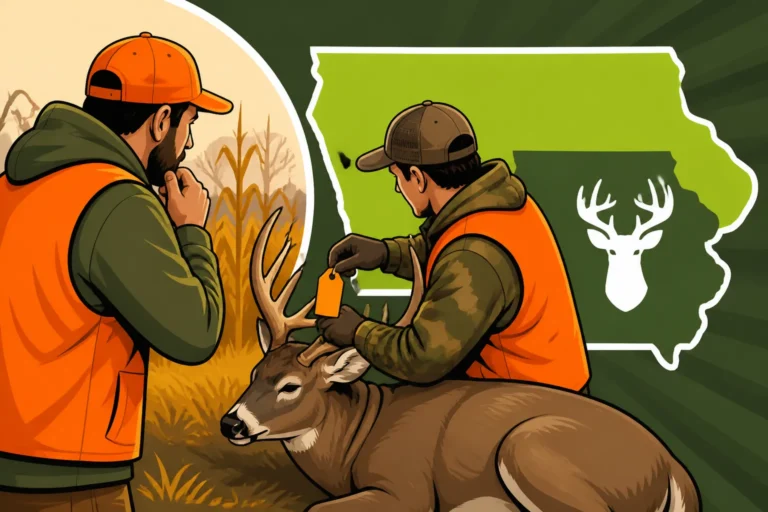
Tagging: Immediately after harvesting a turkey, you must notch or tag your licence according to the instructions provided with your physical tag. This typically involves noting the date and time of harvest. This physical tag must remain with the bird until it's processed.
-
Reporting: All successful turkey harvests in Iowa must be reported to the DNR within a specific timeframe, usually by midnight of the day of harvest. This can typically be done online through the Go Outdoors Iowa system or via a toll-free phone number. This reporting is crucial for the DNR's population management efforts, so it's not a step to skip. Failure to report a harvest can result in fines and penalties.
-
Carcass Transportation: Be aware of any carcass transportation rules, especially if you're crossing state lines. While less stringent for turkeys than for deer concerning Chronic Wasting Disease (CWD), it's always good practice to know the regulations for both Iowa and your home state.
-
Safety First: Always prioritize Public Land Turkey Safety. Be aware of other hunters, wear blaze orange when moving to and from your hunting spot (if not actively hunting), and make sure you've positively identified your target before taking a shot.
By following these guidelines, you'll ensure a legal, ethical, and ultimately more enjoyable hunting experience in Iowa.
Iowa Spring Turkey Nonresident Application Summary
To help clarify the process and requirements, here's a concise overview of key considerations for nonresident spring turkey hunters in Iowa:
| Feature | Details |
|---|---|
| Application Period | Typically late Dec/early Jan to late Jan/early Feb (exact dates vary annually, check DNR website) |
| Application Portal | Go Outdoors Iowa (online only) |
| Required Initial Fees | Nonresident Hunting Licence & Habitat Fee (non-refundable) |
| Turkey Tag Fee | Charged only if successful in the draw |
| Application Limit | One application per hunter, for one specific zone and one season segment |
| Draw System | Random draw (no preference points for turkey) |
| Available Seasons | Youth Season, Season 1, 2, 3, 4 (specific dates vary annually) |
| Legal Weapons | Shotgun (10-gauge or smaller, No. 4 lead or No. 2 non-toxic max), Bow, Crossbow |
| Harvest Limit | Generally one bearded turkey per tag |
| Post-Harvest Rules | Immediate tagging, mandatory online/phone reporting by midnight of harvest day |
| Draw Odds | Varies significantly by zone and season; research historical data |
| Refunds | No refund for initial base licence/habitat fee if unsuccessful; turkey tag fee only charged if drawn |
This table serves as a quick reference, but always consult the official Iowa DNR regulations booklet for the most current and detailed information before applying or heading afield.
Disclaimer
Please note: The information provided in this guide is for informational purposes only and is based on general knowledge of Iowa hunting regulations. Hunting laws and regulations are subject to change. It is the hunter's sole responsibility to review and comply with all current Iowa Department of Natural Resources (DNR) regulations and state laws before participating in any hunting activity. Always confirm season dates, bag limits, licensing requirements, and legal equipment with the official Iowa DNR resources prior to your hunt.