Roosting Iowa Turkeys the Night Before
There’s almost nothing more frustrating than waking up at 4 AM, driving an hour to your spot, hiking in the dark, and then standing there as the sun rises, hearing nothing but songbirds. You spent all that time and effort, only to realize the turkeys aren't anywhere near where you set up. This guide is all about changing that narrative, focusing on the critical, often overlooked step of locating Iowa turkeys on their roost the evening before your hunt, ensuring you start your morning with a significant advantage.
Why Roosting Turkeys is a Game Changer
Let's be honest, we've all been there. You've scouted a beautiful piece of timber or a promising field edge, and you just know there are turkeys around. But trying to find them in the pitch black of pre-dawn without any real intel on their overnight location? That's a recipe for a whole lot of walking and guessing, often leading to spooked birds or empty hands. Roosting changes everything.
The Frustration of Blind Hunting
Hunting turkeys "blind" in the morning means you're relying heavily on pure luck, generalized knowledge of the area, or hope that a gobbler will sound off close enough for you to react. It’s a low-percentage game in many cases, especially on public land where birds might be pressured. You might spend valuable time creeping through the woods, bumping deer or even the very turkeys you're after, all because you don't know their exact location. This isn't just inefficient; it can be downright demoralizing when you invest precious time and effort without a clear plan. That pre-dawn uncertainty can really eat at your confidence before the hunt even truly begins.
Gaining a Positional Advantage
When you know exactly where a gobbler (or a flock) is sleeping, you instantly gain a massive tactical advantage. Instead of wandering, you can plan your approach with surgical precision, utilizing terrain features, prevailing winds, and natural cover to get within optimal calling or shooting range before their feet even hit the ground. This minimizes movement, reduces the chance of detection, and sets you up perfectly for that critical first call or even a silent fly-down ambush. It's about being proactive rather than reactive, putting you in the driver's seat from the very first gobble of the day.
Maximizing Your Limited Time
For most of us, hunting time is a precious commodity. Whether it's a quick evening hunt or a full morning outing before work, every minute counts. By roosting turkeys the night before, you eliminate the guesswork and wasted time of searching. You can walk straight to your predetermined setup spot, get settled, and be ready to hunt as soon as legal shooting light breaks. This allows you to truly maximize your opportunity during the prime morning hours when turkeys are most active and vocal. It turns a potential wild goose chase into a focused, deliberate mission, giving you the best chance for success with the limited time you have.
Understanding Turkey Roosting Behavior
Turkeys, like many wild creatures, are creatures of habit, especially when it comes to their nightly routine. Understanding why they choose certain roosts and what influences those choices is key to consistently finding them.
Preferred Roosting Trees and Locations
Iowa turkeys aren't too picky about specific tree species, but they do have preferences for types of trees and their locations. Generally, they prefer large, mature trees with strong, horizontal limbs that offer good visibility and protection. Think old growth oaks, cottonwoods, or even some of the taller maples or sycamores, especially those growing along river bottoms or creek drainages. These big trees provide sturdy perches and often rise above the surrounding canopy, giving them a commanding view of the area below, which is crucial for spotting predators. You'll often find them roosting near water sources like creeks or rivers, or on prominent ridges and points that offer easy access and an elevated position. Understanding where to look for Eastern Turkeys in Iowa Timber can significantly narrow your search.
They tend to choose spots where they can glide down easily in the morning to a safe landing zone, often an open field edge or a thin patch of timber where they can quickly assess their surroundings. I've found that those big, isolated trees at the edge of a timber block, especially if they're close to a corn or bean field, are often prime candidates. They also like areas that feel "safe" — perhaps a deep timber block that transitions to open fields, giving them cover overhead and visibility below.
Factors Influencing Roost Choices
Beyond just the type of tree, several environmental factors play a huge role in where turkeys decide to spend the night. Wind direction and strength are big ones; turkeys will often choose a roost site that provides some shelter from strong winds, or they'll face into the wind for better stability. Weather conditions also matter, especially rain or impending storms. They might choose thicker canopy cover if it's raining to stay drier.
Pressure from predators, whether coyotes or bobcats, can also influence their choices, pushing them to higher, more secure roosts. Proximity to food and water sources also factors in. If they've been feeding heavily in a particular field all day, they're likely to roost in the nearest suitable timber block. During the Gobbling Activity Through the Spring peak, you'll find they often roost relatively close to areas they plan to strut and gather in the morning. Pay attention to the subtle cues that indicate a pattern, and you'll become much more efficient at predicting their evening destinations.
Interpreting Gobbles at Dusk
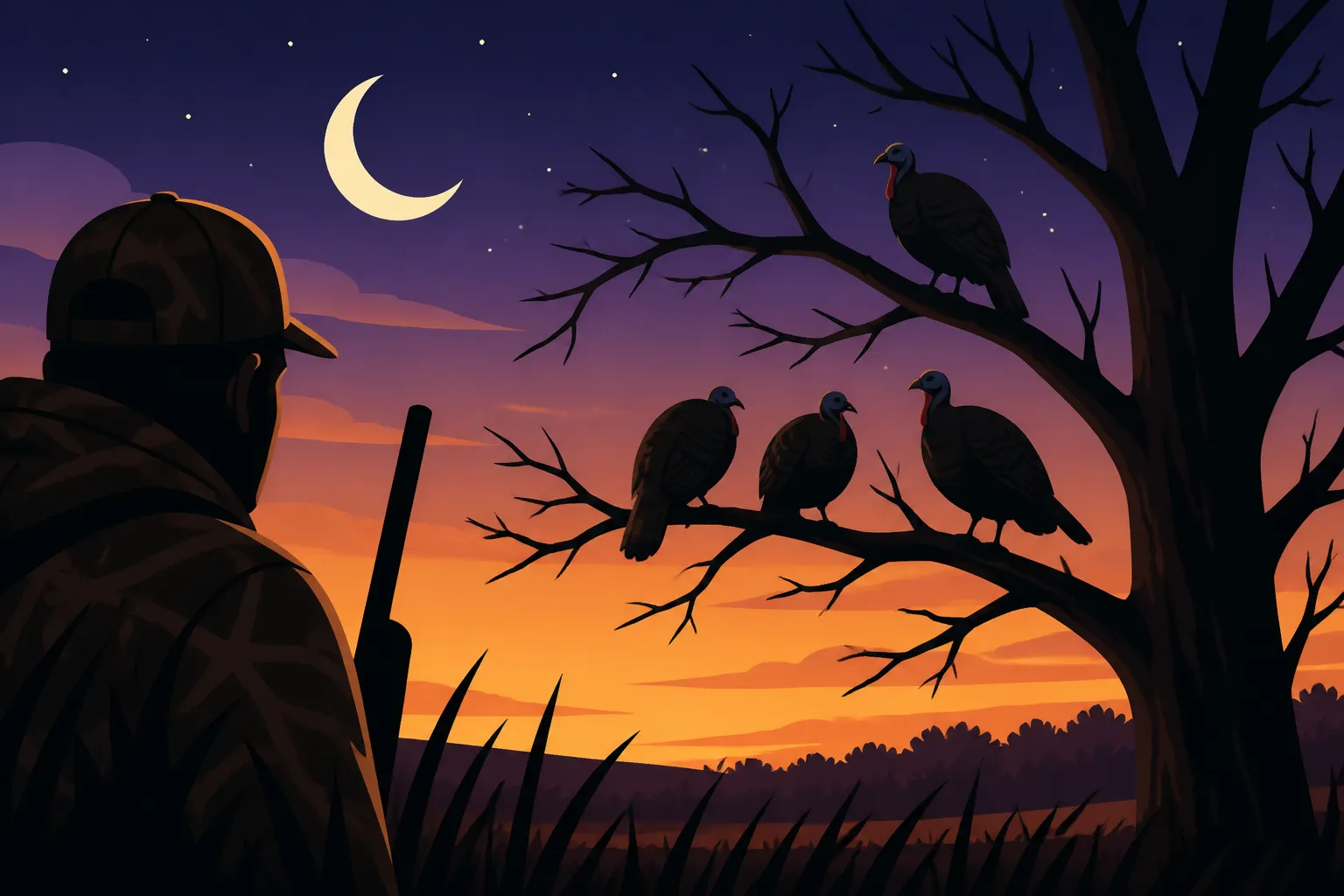
The evening gobble, often called a "fly-up gobble," is your golden ticket. It's a turkey's last hurrah before settling in for the night, a way of announcing their presence to other turkeys and perhaps letting you know exactly where they are. However, not all gobblers sound off, and some might only give a soft putt or tree yelp as they fly up. You need to listen intently for the "wing beats" as they fly up, which can sound surprisingly loud in the evening quiet, followed by the gobble.
Sometimes you'll hear multiple gobblers sounding off from the same general area, indicating a communal roost. Don't be fooled by the distance; sound travels far on a still evening, so what sounds close might be further than you think. Conversely, a soft gobble might be closer than you estimate if there's any ambient noise. Take your time, use landmarks, and try to triangulate the exact tree if possible. Sometimes, you'll hear a distinct drumming noise as they fly up, a deep thump-thump-thump that tells you a big tom is getting comfortable.
The Art of Listening for Roosting Turkeys
Successfully roosting a turkey isn't about stomping through the woods. It's about stealth, patience, and knowing how to use your ears effectively. Think of yourself as a detective, gathering clues without ever being seen.
Timing Your Evening Recon
The absolute best time to go roosting is usually the last 30-60 minutes before sunset. This is when turkeys start actively looking for their roost trees. As the light fades, they'll often make their way from feeding areas to nearby timber. You need to be in position, quiet and still, as this transition happens. Arriving too early can mean long, cold waits or even the chance of bumping birds as they move. Arriving too late, and they might already be silently perched, giving you nothing to work with.
It's a fine balance. I usually aim to be at my intended listening post about an hour before official sunset. This gives me time to walk in slowly, find a good vantage point, and let the woods settle down around me. If you're using an app like GoHunt, you can quickly check sunset times and plan your arrival accordingly. Remember, the goal is to hear them, not to see them fly up, as visual contact can lead to being spotted.
Strategic Listening Locations
Choosing your listening spot is critical. You want a vantage point that offers good sound propagation but also keeps you concealed. Ridgelines, high points overlooking timber, or the edges of large fields that border timber blocks are excellent choices. Often, the best spots are those where you can hear into several different timber blocks or creek bottoms.
Avoid walking directly into where you suspect birds are roosting. Instead, position yourself far enough away (a quarter to half-mile, sometimes even further depending on terrain) that your approach doesn't disturb them. If you're on public land, remember other hunters might be doing the same thing, so be extra cautious about noise. Sometimes, a strategically placed car or truck on a gravel road, where you can listen without getting out, can be effective if legal and safe. If you're in a more open area, a pair of binoculars can help you spot vague shapes in the trees if you're close enough and have enough light.
Tools and Techniques for Better Hearing
While your ears are your primary tool, there are a few things that can enhance your roosting efforts. A good pair of binoculars, while not for hearing, can help you scan distant treelines for any sign of movement or identify potential roost trees from afar. An owl hooter or a crow call can be invaluable. Turkeys often "shock gobble" to loud, sudden noises, even after they've flown to roost. A sharp hoot from an owl call or a series of aggressive crow caws can sometimes elicit a response when a gobbler is tight-lipped.
Don't overdo it with calls; one or two shock calls every 10-15 minutes is usually sufficient. Overcalling can make them suspicious. Most importantly, remain absolutely silent between calls. Listen for the faintest sound – a distant gobble, the tell-tale flapping of wings, or even the soft "cluck" or "tree yelp" that indicates a turkey is settling in. Knowing how to use these tools properly can make the difference between hearing nothing and pinpointing a hot gobbler for the next morning.
E-Scouting and Boots-on-the-Ground Recon for Roosts
Before you even step foot in the woods, modern technology can give you a significant head start in locating potential roosting areas. Combining this digital scouting with careful physical reconnaissance is a powerful one-two punch.
Leveraging Technology for Initial Search
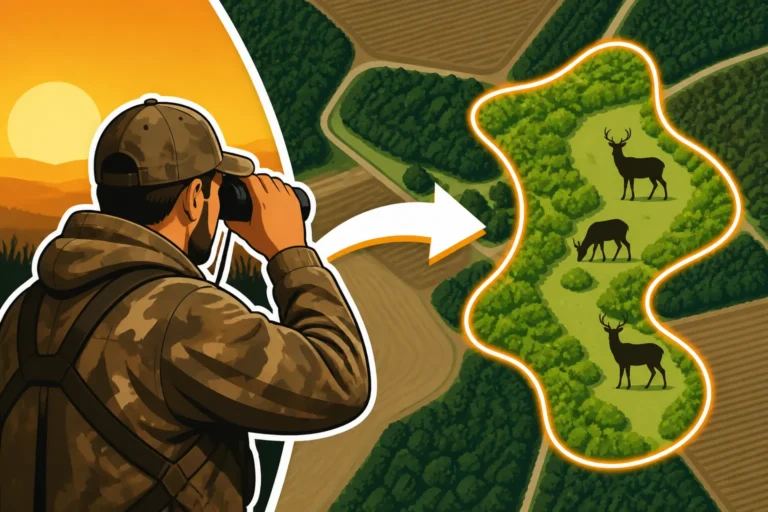
Applications like GoHunt have revolutionized how we approach scouting. Before you even leave the house, you can zoom in on aerial imagery to identify key features. Look for those big, mature timber blocks, especially those near agricultural fields, creek bottoms, or prominent ridgelines. Pay attention to where dense cover meets more open terrain, as these transition zones are often prime for turkey activity. I always look for dark green areas on the map that indicate older, denser timber stands, and then trace the edges of fields or the winding paths of rivers and creeks.
These apps also allow you to mark potential roosting locations, plan discreet access routes, and identify property lines, which is crucial for staying legal, especially when Hunting Iowa Walk-In Ground Without Burning It Out. By pre-planning potential listening posts and exit strategies, you minimize guesswork and aimless wandering during your actual evening recon. You can even check historical satellite imagery if available, sometimes revealing patterns of disturbance or specific mature trees that stand out.
Discreet Field Scouting Techniques
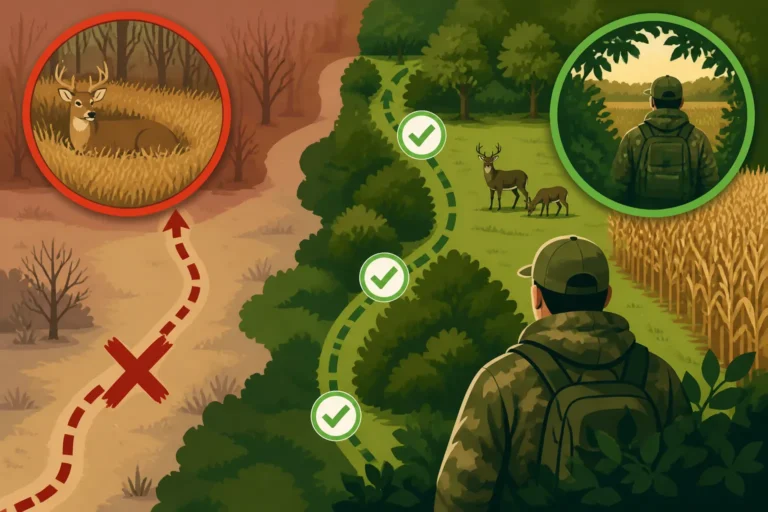
Even with the best e-scouting, nothing beats boots on the ground. However, when trying to pinpoint roosts, "boots on the ground" means being incredibly stealthy. Your goal is to observe and listen without alerting any turkeys to your presence. Avoid walking directly through suspected feeding or roosting areas in the late afternoon. Instead, stick to field edges, roads, or low-impact trails that offer good visibility into the timber without entering the birds' core habitat.
Look for subtle signs: dusting bowls, tracks in soft earth, or discarded feathers. While these aren't direct roosting indicators, they confirm turkey presence in the general area, narrowing down your evening listening spots. If you see turkeys heading towards a particular timber block late in the day, make a mental note – that's often where they intend to roost. Remember, this isn't about aggressively scouting; it's about passively gathering intelligence. Move slowly, pause frequently, and use your binoculars to scan for any tell-tale signs of turkeys moving towards the trees.
Avoiding Bumping Birds Off the Roost
This is perhaps the most critical rule of roosting: do not spook the birds. If you accidentally bump a gobbler off its roost tree as it's settling in, you've not only ruined your chances for the next morning but potentially pushed that bird to a completely different area. He might even associate that particular timber block with danger. Always approach your listening spots with extreme caution, walk slowly, and be mindful of the wind direction. Try to approach from a direction that keeps your scent away from the suspected roosting area.
If you do hear a turkey fly up or see one in the trees, stop, mark its location (mentally or on your GPS/app), and then back out quietly. Do not try to get closer for a better look. The intel is gathered; now it's time to preserve the element of surprise for the next morning. Your success hinges on the turkeys not knowing you were ever there the night before. This level of discretion is what separates consistently successful roost hunters from those who struggle.
What to Do After You Locate a Roost
Congratulations, you've pinpointed a gobbler! But the work isn't over. Knowing where he is just the first step; now you need a meticulous plan to turn that information into a successful hunt.
Planning Your Morning Approach
Once you've marked that roost tree (or general roosting area) on your GoHunt map, the real planning begins. This involves figuring out your exact route to your morning setup spot. You want an approach that is:
- Quiet: Avoid crunchy leaves, steep hillsides, or dense brush.
- Covered: Use ditches, creek beds, fence lines, or dense timber to conceal your movement in the dark.
- Wind-Conscious: If there's any breeze, try to approach with the wind in your face or quartering, so your scent isn't blowing towards the roost.
- Early: Give yourself ample time to get into position, calm down, and let the woods settle before any hint of legal shooting light. I'm usually aiming to be settled at least 45 minutes to an hour before sunrise.
Consider multiple approach options if the wind shifts or if there's unexpected ground noise. Having a backup plan ensures flexibility. Visualize your walk in the dark, noting any potential obstacles. You should know exactly where you're going to stop, set up, and where you expect the gobbler to fly down. This detailed planning the night before minimizes noise and mistakes in the dark, ensuring you don't spook the bird you worked so hard to find.
Setting Up for Success at Fly-Down
Your setup location is critical. You want to be close enough to the roost tree to intercept the gobbler as he flies down, but not so close that he can spot you while still in the tree. A good rule of thumb is 75 to 150 yards, depending on the terrain and available cover. You need enough shooting lanes for your weapon, whether it's a shotgun or bow, and good concealment. Consider if you'll be using a decoy, and if so, where it will be placed relative to your position and the expected fly-down path. For insights on this, check out Turkey Decoy Spreads That Work.
Face the direction you expect the turkey to fly down from, ensuring you have a clear view and shooting lane. Pick out a few trees or landmarks where you anticipate he'll land. This precision helps you prepare mentally and physically, allowing you to react quickly when the moment comes. Remember, the first 15-30 minutes after fly-down are often the most productive, so having your setup dialed in before the first light is non-negotiable. If you're Setting Up Before Fly-Down, think about what natural blind you can use or if you need to quickly build a makeshift one.
The Patience Game Before the First Gobble
Once you're in position, the hardest part begins: waiting. It's often cold, dark, and utterly silent. Every rustle of leaves will sound like a deer, and every branch snap like a monster gobbler. Resist the urge to call too early or too aggressively. Let the woods wake up naturally. A soft tree yelp or two just before legal light can sometimes be effective, letting the gobbler know a hen is nearby. However, often the best approach is silence until the turkey flies down or offers his first ground gobble.
The absolute key is to remain motionless and silent. Turkeys have incredible eyesight and can pick out the smallest movement. Wait for that first tree gobble, then listen for the sound of wings as he flies down. Once he's on the ground, that's when you can begin to work him with calls, if necessary. For strategies on Calling a Gobbler Off the Roost, you'll want to adjust based on his demeanor. If he's already gobbling his head off, he might come in silently to investigate. If he's quiet, a soft hen call might be all it takes to pique his interest. This patient approach is often what turns a good roost into a successful harvest.
| Step | Time of Day | Key Action | What to Listen/Look For | Risk to Avoid |
|---|---|---|---|---|
| Pre-Roost E-Scouting | Daytime (Days Before) | Analyze aerial maps (GoHunt) | Mature timber, field edges, water | Wasting time in unproductive areas |
| Approach Listening Post | 1 Hour Before Sunset | Quietly move to vantage point | Terrain for sound travel & concealment | Bumping birds as they move to roost |
| Active Roosting (Listening) | 30-60 Mins Before Sunset | Listen intently, use shock calls | Fly-up gobble, wing beats, tree yelps | Overcalling, getting too close |
| Mark Location & Plan | Immediately After Roost | Pinpoint location, plan morning | Roost tree, approach route, setup spot | Forgetting exact location, poor planning |
| Morning Approach | 1 Hour Before Sunrise | Quiet, concealed walk to setup | Clear path, minimal noise, wind direction | Spooking birds on walk-in |
| Final Setup | 45 Mins Before Sunrise | Settle into chosen position | Good cover, clear shooting lanes | Moving too much, poor concealment |
| Waiting & Calling | Legal Light to Mid-Morning | Patience, subtle calls | Fly-down, ground gobble, bird movement | Calling too early/aggressively |
Disclaimer
Hunting is an inherently dangerous activity. Always prioritize safety, adhere to all local, state, and federal hunting regulations, and ensure you have the necessary licenses and permits. The information provided in this article is for educational and informational purposes only and should not be considered a substitute for proper hunter education, safety courses, or professional guidance. Always inform someone of your hunting plans and location. Be aware of your surroundings and any potential hazards.