Iowa Hungarian Partridge Season
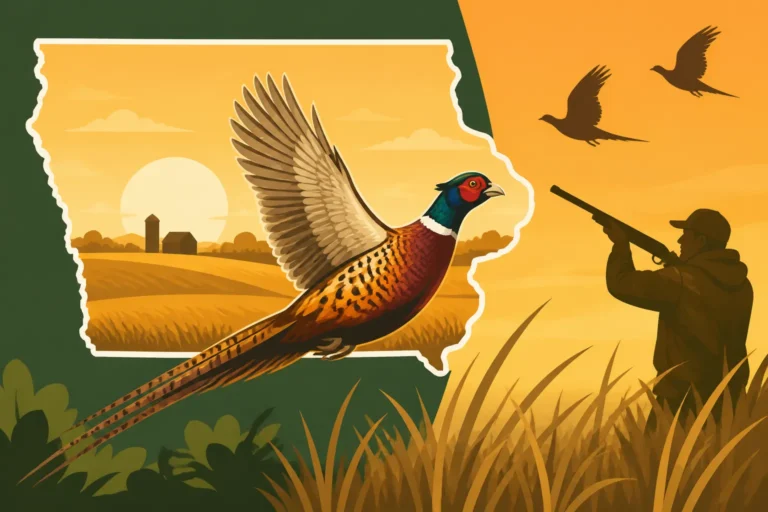
Hunting for Hungarian partridge in Iowa can feel like a bit of a mystery, especially when most of the spotlight is on our famous whitetails and pheasants. Many hunters struggle to find clear, specific guidance on where to go, when to hunt, and what tactics actually work for these elusive birds. This guide is here to shed light on Iowa's Hungarian partridge season, providing you with all the essential details on regulations, habitat, and effective hunting strategies to help you successfully pursue these challenging upland game birds.
Understanding Iowa's Hungarian Partridge Season Dates and Regulations
If you're looking to chase Hungarian partridge, knowing the precise season dates and regulations is paramount. Unlike deer or turkey seasons which can have multiple segments, the partridge season tends to be straightforward, but it’s crucial to be up-to-date on opening and closing dates, as well as bag limits, to ensure a legal and enjoyable hunt. The Iowa Department of Natural Resources (DNR) sets these rules annually, and they can sometimes see minor tweaks, so checking the latest official regulations is always a smart move.
Opening and Closing Dates
The Hungarian partridge season in Iowa typically runs concurrently with the pheasant and quail seasons, often kicking off in late October and extending through the bulk of January. For instance, the season usually opens on the last Saturday of October and closes on January 10th. This long season offers ample opportunity, from the crisp days of late fall to the colder, often snowier conditions of early winter, giving hunters a variety of experiences. While pheasants might be the primary target for many during this period, keeping an eye out for Huns while working cover can add an exciting bonus to your upland hunt. Remember, checking the official Iowa DNR regulations each year is non-negotiable, as these dates, while generally consistent, are subject to change.
Daily Bag and Possession Limits
Just like any other game species, there are strict limits on how many Hungarian partridge you can harvest and possess. Typically, the daily bag limit for Hungarian partridge in Iowa is 8 birds. This means on any given day, you can only shoot up to eight Huns. The possession limit is usually twice the daily limit, meaning you can have 16 birds in your freezer or in your possession after multiple days of hunting. These limits are designed to manage the population sustainably, ensuring there are enough birds left to reproduce and provide hunting opportunities for years to come. It’s vital to adhere strictly to these numbers not just for legal reasons, but also as a responsible conservationist. Accidentally exceeding these limits can lead to fines and loss of hunting privileges, so keep a mental tally or use a game strap to count your birds.
Legal Shooting Hours
Understanding legal shooting hours is another critical piece of the regulatory puzzle for Hungarian partridge. Generally, shooting hours for upland game birds like Huns, pheasants, and quail in Iowa begin at 8:00 AM and extend until 4:30 PM daily during the open season. This later start time, compared to waterfowl or deer hunting, is common for upland birds, allowing them to leave their roosts and begin feeding. It also helps reduce hunting pressure during prime morning feeding times. Always double-check these hours with the current year's Iowa hunting regulations. Arriving at your chosen hunting spot before legal shooting hours allows you to scout, plan your approach, and perhaps even watch for birds flushing from their roosts, giving you an advantage once the clock strikes 8:00 AM. For more general information on upland bird hunting seasons, you might find our guide on Iowa Upland Bird and Waterfowl Seasons helpful.
Locating Hungarian Partridge in Iowa's Diverse Landscape
Finding Hungarian partridge in Iowa can be a challenge because they don't have the same widespread distribution or habitat preferences as pheasants. They're definitely present, but you need to know where to look. While Iowa is famous for its vast corn and soybean fields, Huns tend to favor a slightly different mix of agriculture and uncultivated land. Understanding their preferred habitat and geographic concentration is key to putting yourself in the right places.
Preferred Habitat Types
Hungarian partridge, often called Huns, prefer open country with a mosaic of small grain fields, hayfields, and weedy edges. Unlike pheasants, which can often be found in large blocks of dense CRP grass, Huns prefer areas with shorter cover that still provides concealment from predators and easy movement. Think about areas with winter wheat, oats, or barley — these small grain crops provide excellent foraging and nesting cover throughout the year. They also utilize hayfields, especially during nesting season, and the edges of corn and soybean fields, particularly if there are robust fencerows, ditch banks, or idle strips of land nearby. CRP (Conservation Reserve Program) fields, if they aren't too thick and have a good mix of forbs and grasses, can also hold birds. When scouting, look for those transition zones where agriculture meets more sparse, weedy cover.
Geographic Distribution in Iowa
Historically and currently, Hungarian partridge populations in Iowa are concentrated primarily in the northern half of the state. Counties along the northern tier, stretching from the northwest to the northeast corners, tend to offer the best opportunities. While you might find scattered coveys elsewhere, your odds significantly increase in regions like Dickinson, Emmet, Kossuth, Clay, Palo Alto, and surrounding counties. This distribution is largely tied to historical agricultural practices, including a higher prevalence of small grain farming, and more suitable winter habitat in those areas. These northern counties often experience colder, snowier winters, which the partridge are well-adapted to, provided there's adequate food and winter cover. Don't expect to find large, robust populations in southern Iowa, which typically boasts better quail hunting. For broader context on where to find specific game, our article on Iowa Hungarian Partridge Range in Iowa can offer deeper insights.
Scouting for Partridge
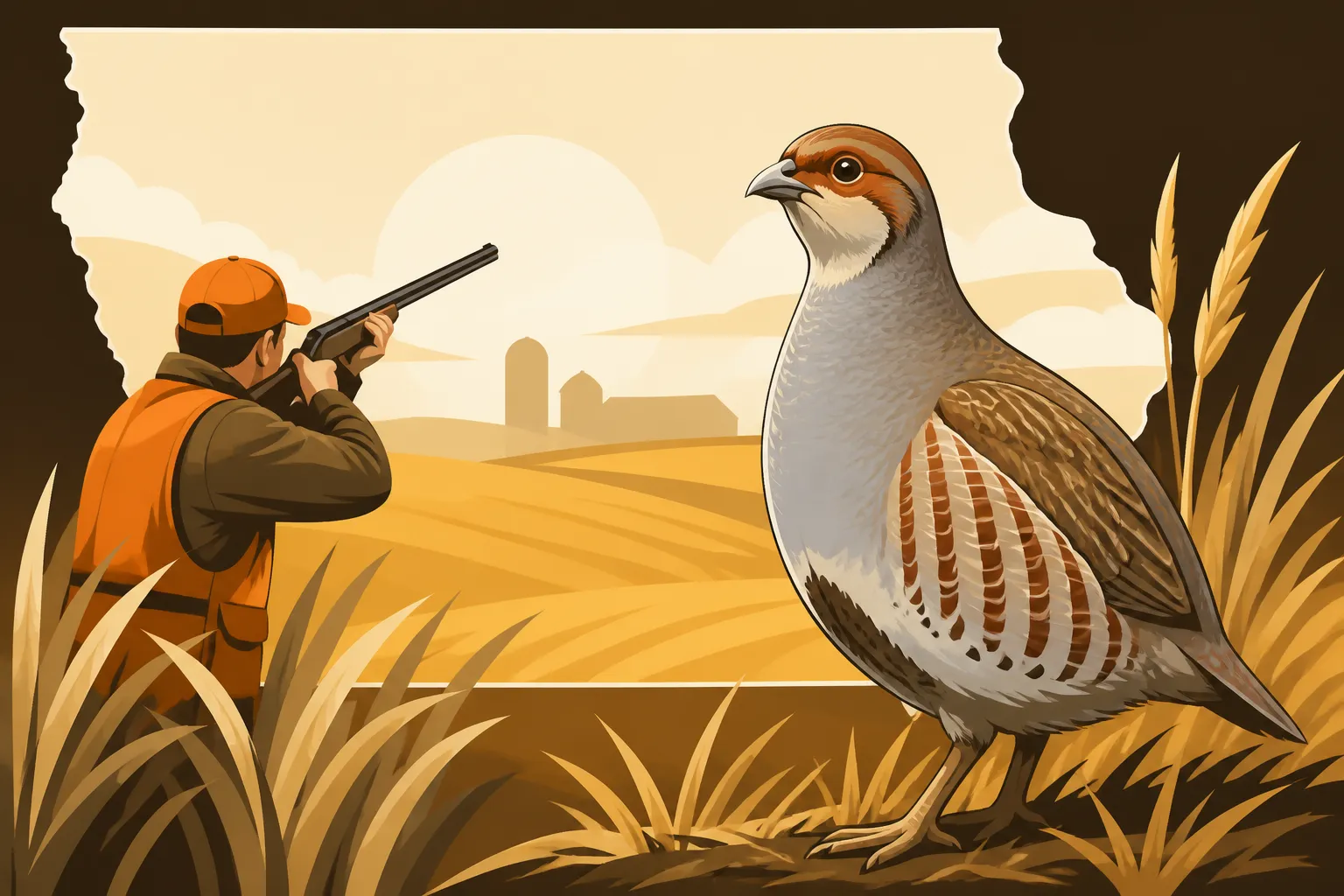
Effective scouting for Hungarian partridge doesn't always involve endless walking before the season. Much like scouting for deer by checking for signs, you can use similar principles for Huns. Often, the best way to scout for partridge is by driving rural roads in the early mornings or late evenings, especially during the off-season or just before the opener. Look for small coveys dusting themselves in dry road ditches or feeding along field edges. They are quite distinct from pheasants, being smaller, rounder, and having a characteristic reddish-brown tail that flashes when they flush. Listening for their distinctive "kee-yak" call can also give away their presence.
Additionally, digital mapping tools, such as those found on platforms like GoHunt, can be incredibly useful for identifying potential habitat from the comfort of your home. Look for satellite imagery showing a patchwork of small grain fields, hay, and good linear cover like fencerows or waterways. Once you've identified promising areas, especially on public land or areas where you have permission, a pre-season walk can confirm bird presence. Look for droppings, dusting bowls, and flush points. For those who enjoy the challenge of finding unpressured birds, honing your e-scouting skills on these habitat features can greatly increase your success.
Effective Hunting Strategies and Tips
Hunting Hungarian partridge requires a slightly different approach than typical pheasant hunting. They are notorious for holding tight in light cover and then exploding into flight, making them a challenging target. While a good bird dog is an invaluable asset, you can still have success without one, provided you adapt your tactics and understand their behavior.
Walking Cover Without a Dog
If you’re hunting Hungarian partridge without a dog, your strategy needs to be methodical and thorough. Huns often hold incredibly tight, even in sparse cover, until you're nearly on top of them. This can be frustrating, as they might flush wild if they sense you too early. The key is to walk slowly and deliberately, pausing frequently. These pauses often make birds nervous, causing them to flush within range. Focus on linear cover like fencerows, ditch banks, and the edges of standing crops or idle fields. Walk with the wind when possible to help conceal your approach and carry your scent away from the birds.
Consider walking a zig-zag pattern or slightly irregular lines through promising cover, rather than just a straight line, to cover more ground and potentially push birds out from unexpected angles. Sometimes, the most frustrating part is when a covey flushes far out, well beyond shotgun range. When this happens, pay close attention to where they land. Huns often don't fly too far after the initial flush, especially if it's a small covey. Mark their general landing spot and then approach it cautiously, as individual birds or smaller groups might be holding even tighter. Our guide on working pheasant cover without a dog offers similar strategies that are highly applicable to partridge.
Blocking and Driving Tactics
For a more efficient approach, especially if you have a hunting partner or two, blocking and driving tactics can be very effective for Hungarian partridge. This mirrors some of the strategies used for pheasants, but on a smaller scale, given the Huns' preference for more open, smaller blocks of cover. One or two hunters, acting as "blockers" or "posters," position themselves at the end or side of a strip of cover, anticipating where the birds might flush or run. Meanwhile, the "walkers" move through the cover, pushing the birds towards the blockers.
This strategy works particularly well along linear features such as long fencerows bordering fields, strips of dense grass, or drainage ditches that run for a considerable distance. The blockers need to be positioned far enough ahead to allow birds to fly within range, but not so far that they swing wide. Communication is key, so two-way radios can be a huge help, especially in windy conditions. The idea is to create a funnel effect, forcing the birds to flush in a predictable direction. This can be a particularly effective way to flush wary birds that might run before flying. You can learn more about similar strategies in our article on Blocking and Driving Iowa Grass Strips.
Gear Considerations
When hunting Hungarian partridge, your gear choices can significantly impact your comfort and success. Because Huns often inhabit areas with mixed cover, from open fields to brushy edges, reliable footwear is essential. Waterproof, comfortable boots that offer good ankle support are a must, as you'll be covering a lot of ground, often in potentially damp conditions. A good upland vest or game bag with plenty of pockets for shells, water, and your harvested birds will keep you organized and comfortable.
For firearms, a 12 or 20 gauge shotgun is standard, with improved cylinder or modified chokes being versatile choices for the fast-flushing action of partridge. Light upland loads, such as 7.5 or 6 shot, are perfect for these smaller birds. Unlike deer hunting where you might carry a wide array of specialized equipment, partridge hunting is often about being nimble and ready for quick shots. Don't forget eye and ear protection, and if hunting during cooler weather, consider layering clothing that allows for both warmth and breathability as you walk. Given the need to navigate property lines and identify public access, a reliable GPS or a hunting app like GoHunt on your smartphone can also be invaluable for keeping track of where you are and for scouting new areas.
Licensing and Harvest Reporting Requirements
Before you even step foot in the field, it's absolutely crucial to understand the licensing and harvest reporting requirements for hunting Hungarian partridge in Iowa. Ignoring these can lead to serious legal issues and undermines the conservation efforts that ensure future hunting opportunities. It’s not just about having a license; it’s about having the right license and knowing what to do after a successful hunt.
Required Licenses
To hunt Hungarian partridge in Iowa, you'll need to purchase a valid Iowa hunting license. For residents, this typically means a resident hunting license. Non-residents will need to acquire a nonresident hunting license. In addition to the base hunting license, anyone hunting migratory game birds or certain upland species like pheasants, quail, and partridge, usually needs to purchase an Iowa Migratory Game Bird Fee and a Habitat Fee. The Habitat Fee is especially important as it directly funds habitat improvement projects across the state, benefiting all wildlife, including partridge.
You can purchase these licenses online through the Go Outdoors Iowa system, from authorized license vendors across the state, or at county recorder offices. Make sure you purchase them before you head out into the field, as enforcement officers regularly check for compliance. For more detailed information on general licensing requirements and how to obtain them, our article on Iowa Hunter Education and Licensing Basics can provide a comprehensive overview. Always carry your license and any required stamps with you while hunting; a physical copy or a digital version on your phone is usually acceptable, but check the latest DNR guidelines.
Harvest Reporting Requirements
Unlike deer and turkey, which often have specific mandatory harvest reporting requirements that track individual animal take, Hungarian partridge in Iowa generally do not require individual harvest reporting. This means you typically don't need to call in a harvest or report it online after bagging a partridge. However, this doesn't mean there's no data collection. The Iowa DNR relies heavily on voluntary hunter surveys to gather information on harvest numbers, hunter effort, and overall satisfaction for upland game birds.
When you purchase your licenses, you might be asked to participate in these surveys. If you receive a survey, please take the time to complete it accurately. Your participation provides valuable data that helps wildlife biologists make informed management decisions, such as setting future season dates and bag limits. While not mandatory for Hungarian partridge, it's a critical component of responsible wildlife management. Keep in mind that regulations can change, so always consult the most current Iowa hunting regulations booklet for any potential updates on harvest reporting, as new requirements could be introduced in the future.
| Feature | Iowa Hungarian Partridge Season (Typical) |
|---|---|
| Opening Date | Last Saturday in October |
| Closing Date | January 10th |
| Daily Bag Limit | 8 birds |
| Possession Limit | 16 birds |
| Legal Shooting Hours | 8:00 AM – 4:30 PM |
| Required Licenses | Resident/Nonresident Hunting License, Iowa Migratory Game Bird Fee, Habitat Fee |
Disclaimer
Please be aware that hunting regulations, season dates, and bag limits are subject to change. The information provided in this article is for general guidance only and is based on typical seasons. It is the responsibility of every hunter to consult the official Iowa Department of Natural Resources (DNR) hunting regulations for the current year before participating in any hunting activity. Failure to do so could result in legal penalties. Always prioritize safety and ethical hunting practices.