Iowa Quail Bag Limits
Navigating the specific hunting regulations for different game species in Iowa can feel like trying to hit a moving target sometimes. Between daily limits, possession limits, and understanding how they apply to the various seasons, it's easy to get confused and worry about accidentally breaking a rule. This guide is here to untangle the specifics of Iowa's quail bag limits, helping you hunt confidently and within the law.
Understanding Iowa's Quail Hunting Regulations
When you head out into the crisp Iowa fall, hoping to flush a covey of those explosive little bobwhites, knowing the precise rules for how many birds you can take is absolutely crucial. These aren't just arbitrary numbers; they're set by the Iowa Department of Natural Resources (DNR) to ensure healthy quail populations for generations of hunters to enjoy. For many of us, it’s about more than just the hunt itself; it’s about the tradition, the challenge, and the responsibility we feel towards the resource.
Daily and Possession Limits Explained
Let's break down the two main types of limits you'll encounter for quail: the daily bag limit and the possession limit. This distinction trips up a lot of hunters, especially those new to upland birds or coming from states with different regulations.
The daily bag limit is the maximum number of quail you are allowed to harvest in a single calendar day. Think of it as your daily quota. In Iowa, the daily bag limit for bobwhite quail is typically eight birds. So, if you're out with your trusty shotgun and a good dog, you can shoot up to eight quail between legal shooting hours on any given day. Once you hit that eighth bird, it's time to put the gun away for quail for the rest of the day, even if you’ve still got prime cover to walk.
The possession limit, on the other hand, refers to the maximum number of unprocessed quail that you can have in your physical possession, or stored at home, at any one time. This limit is usually higher than the daily bag limit, allowing you to accumulate birds over several hunting trips before processing them. For Iowa quail, the possession limit is generally 16 birds, which is twice the daily limit. This means if you had a successful hunt on Saturday and bagged your eight birds, you could go out again on Sunday and bag another eight, bringing your total to 16. However, once you hit that 16-bird mark, you must process some of those birds—meaning cleaning them and preparing them for storage, typically freezing—before you can go out and harvest more. It's about preventing excessive accumulation of game and encouraging timely use of your harvest. Always double-check the current Iowa regulations, as these numbers can change, though they've been fairly consistent for quail.
Why Quail Limits Are Important
These limits aren't put in place to make hunting more difficult; they're a cornerstone of responsible wildlife management. Quail populations, especially in agricultural states like Iowa, can fluctuate significantly due to factors like harsh winters, nesting success, and habitat availability. The DNR uses bag and possession limits as a tool to ensure that harvest rates remain sustainable, allowing enough birds to survive and breed the following spring.
Imagine if there were no limits. Hunters, understandably eager, might take too many birds from a specific covey or area, potentially wiping out local populations. This could lead to a rapid decline in overall quail numbers, making future hunting seasons far less productive, or even necessitating closures. By setting limits, the DNR aims to strike a balance: providing ample opportunity for hunters while safeguarding the long-term health of the species. It reflects a deep understanding of the delicate ecosystem these birds inhabit. Habitat conditions, in particular, play a massive role, and understanding Bobwhite Quail Habitat in Iowa is key to appreciating these regulations.
Iowa's Quail Season Dates and Zones
Understanding the bag limits is only one piece of the puzzle. You also need to know when you can legally hunt these birds. Iowa has a fairly consistent upland bird season framework, but it's always smart to confirm the exact dates each year, as minor adjustments can occur.
Standard Season Dates
Iowa's general quail season typically opens in late October and runs through late January of the following year. This long season provides plenty of opportunities for hunters, from the mild days of fall to the crisp, often snow-covered landscapes of winter. The exact opening and closing dates will be published annually by the Iowa DNR. For example, a recent season might open on the last Saturday of October and close on January 31st. This gives hunters a solid three months to pursue these challenging birds.
During this period, you can find birds in various types of cover, from grassy edges to brushy creek bottoms. Many hunters use sophisticated mapping tools, like those offered by GoHunt, to help identify potential quail habitat and property boundaries before heading afield. These tools often overlay property ownership and public land boundaries, which is invaluable when hunting mixed landscapes. Remember to always consult the official Iowa DNR Hunting and Trapping Regulations booklet for the precise dates before planning your trip. It's the definitive source for all the rules and regulations.
Youth Quail Season
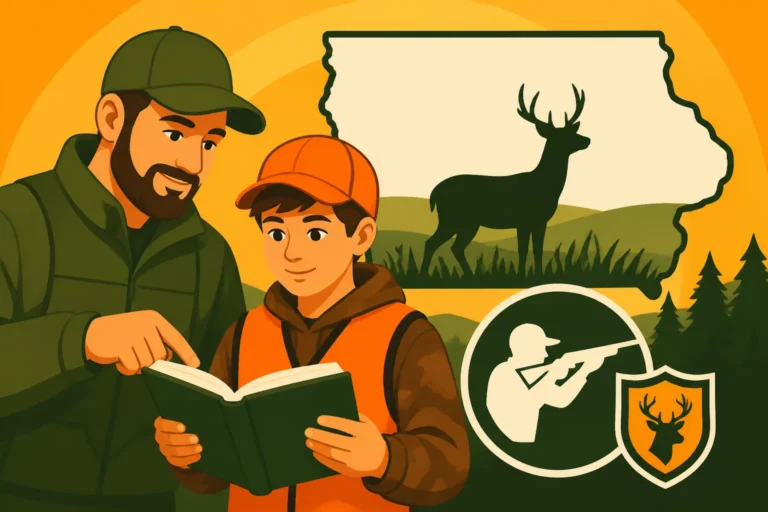
Iowa is committed to fostering the next generation of hunters, and one way they do this is by offering special youth hunting opportunities. For quail, there's typically a dedicated youth season that precedes the general opener by a few weeks. This allows young hunters, usually 15 years old and younger, to get out into the field with a licensed adult mentor and experience the thrill of the hunt without the added pressure of a crowded opening weekend.
The youth quail season often aligns with the youth pheasant season, usually taking place around the second or third weekend of October. During this special season, the daily bag limit and possession limit are generally the same as the regular season – 8 daily, 16 possession. However, the accompanying adult does not need to be licensed for quail themselves, nor do they need to possess a tag, but they cannot hunt during the youth season. Their role is purely supervisory and instructional, focusing on teaching safe and ethical hunting practices. It’s a fantastic way to introduce new hunters to the sport and pass on a love for the outdoors. You can learn more about general youth hunting rules in the state by looking into Iowa Hunter Education and Licensing Basics.
Here's a quick reference table for typical Iowa Quail Season Dates and Bag Limits:
| Season Type | Typical Dates | Daily Bag Limit | Possession Limit | Notes |
|---|---|---|---|---|
| Youth Season | Mid-October | 8 Quail | 16 Quail | Hunters 15 & under, with licensed adult mentor. |
| Regular Season | Late Oct. to Late Jan. | 8 Quail | 16 Quail | Standard season for all licensed hunters. |
Note: Always verify current dates and regulations with the Iowa DNR's official Hunting and Trapping Regulations publication each year.
How to Stay Compliant and Ethical
Hunting within the legal bag limits is a fundamental responsibility for every hunter. It's not just about avoiding fines or penalties; it's about being an ethical conservationist and respecting the game you pursue. Even experienced hunters can make mistakes, so having a system for tracking your harvest is key.
Counting Your Harvest Accurately
When a covey explodes around you, and you manage to connect with a bird or two, the excitement can be intense. In the heat of the moment, it can be easy to lose track. This is especially true if you're hunting with a party, where the lines between who shot what can sometimes blur.
Here are a few tips to ensure you're accurately counting your harvest:
- Individual Responsibility: Even if you're party hunting, each hunter is responsible for their own bag limit. Communicate clearly. If you shot a bird, it's your bird toward your limit.
- Physical Count: As soon as you retrieve a bird, make a mental or even physical tally. Some hunters carry a small clicker counter, or simply use a dedicated pocket where they place their harvested birds until they reach the limit. This removes any guesswork.
- Field Dressing vs. Whole Birds: Typically, bag limits apply to whole, unprocessed birds. If you field dress birds in the field, it doesn't exempt them from being counted towards your limit. However, once you've fully processed birds (e.g., breasts removed, frozen, or cooked), they no longer count toward your possession limit. This is an important distinction to grasp.
- Communicate in a Group: If you're out with friends, especially for something like Pheasant Hunting Iowa Grass and Crop Edges where flushes can be fast and furious, make sure everyone is aware of their current count. A quick check-in before moving to the next patch of cover can prevent over-harvesting.
What to Do if You Exceed the Limit
Accidentally exceeding the bag limit is a serious matter, and it can happen, especially to new hunters or during particularly fast-paced hunts. Perhaps you miscounted, or maybe two birds flushed so close together you thought it was one. The key is how you react.
If you realize you have inadvertently exceeded the daily bag limit while still in the field, the most ethical and legally sound action is to immediately cease hunting for that species. Do not attempt to conceal the extra bird. The best course of action is to contact the Iowa DNR or a conservation officer as soon as possible to report the situation. While it might still lead to a citation, demonstrating honesty and a willingness to rectify the mistake can often result in a more favorable outcome than if you attempt to hide it.
Intentionally exceeding the bag limit, however, is a direct violation of wildlife laws and can carry significant penalties, including substantial fines, confiscation of equipment, and loss of hunting privileges. It's crucial to always err on the side of caution. If there's any doubt, hold off on taking another bird. The goal of hunting is not simply to fill your freezer, but to experience the outdoors responsibly and sustainably. Responsible hunting often means being willing to walk away when in doubt or when you've reached your limit.
Where to Find Quail in Iowa
Knowing the limits is essential, but so is knowing where to apply that knowledge! Iowa is known for its incredible whitetail deer, but it also offers some fantastic upland bird hunting, particularly for bobwhite quail in certain regions. The populations of Iowa Quail Numbers and Recent Gains have seen some positive trends in recent years.
Prime Habitat and Public Land Opportunities
Quail thrive in specific types of habitat, generally preferring areas with a mix of dense cover for protection, open areas for foraging, and access to water. In Iowa, this often translates to:
- Brushy Draws and Creek Bottoms: These areas provide excellent thermal and escape cover, especially where timber meets agricultural fields. The thicker undergrowth offers refuge from predators and harsh weather.
- CRP (Conservation Reserve Program) Fields: Fields enrolled in CRP, particularly those with diverse native grasses and some shrubby cover, are often magnets for quail. The thick grass offers nesting and roosting cover.
- Field Edges and Hedgerows: The transition zones between crop fields and timber, or along old fencerows dense with multiflora rose, osage orange, or sumac, are classic quail haunts. These offer both food and cover.
- Southern Iowa: Geographically, the best quail hunting in Iowa is typically found in the southern tier of counties. This region historically has more suitable habitat, including larger tracts of timber, brush, and pastureland compared to the more intensely farmed northern parts of the state. Counties like Appanoose, Wayne, Decatur, Lucas, and Van Buren are often mentioned as strong quail areas. You can find excellent hunting in Quail Coveys in Southern Iowa Brush.
While much of Iowa is private land, there are public hunting opportunities available. Iowa's Wildlife Management Areas (WMAs) and areas enrolled in the Habitat and Access Program (IHAP) can offer access to quail habitat. Using mapping applications, like those found on the GoHunt platform, can be incredibly helpful for identifying these public parcels and understanding the types of cover they offer. Always remember to check specific area regulations, as some WMAs might have unique rules or access points. Finding Public Hunting Land in Iowa is often a matter of careful scouting, both digitally and on foot.
The Role of Habitat in Quail Numbers
The health and availability of habitat are the single biggest factors influencing quail populations and, by extension, the bag limits set by the DNR. Unlike deer, which can adapt to a wider range of environments, quail are habitat specialists. They need specific cover types for nesting, brooding, feeding, and escaping predators and harsh weather.
When habitat is abundant and of good quality, quail populations tend to be robust. When habitat declines due to intensive agricultural practices, urban sprawl, or lack of proper management (like prescribed burning or brush removal in certain areas), quail numbers suffer. This direct link between habitat and population health is why organizations like Pheasants Forever and Quail Forever work tirelessly with landowners to implement conservation practices that benefit upland birds.
The DNR's bag limits are a responsive measure to these population dynamics. If surveys indicate a strong nesting season and healthy numbers, limits might remain stable. If conditions have been poor, and populations are down, the DNR might consider adjusting limits to ensure the birds have the best chance to recover. So, when you abide by those limits, you're not just following the law; you're actively participating in the conservation efforts that ensure future generations can also enjoy the thrill of pursuing Iowa quail.
Disclaimer
Please remember that hunting regulations are subject to change. While every effort has been made to provide accurate and up-to-date information, it is your responsibility as a hunter to consult the official Iowa Department of Natural Resources (DNR) Hunting and Trapping Regulations publication for the current year before engaging in any hunting activities. This guide is for informational purposes only and should not be considered legal advice.