Iowa Pheasant Season Dates
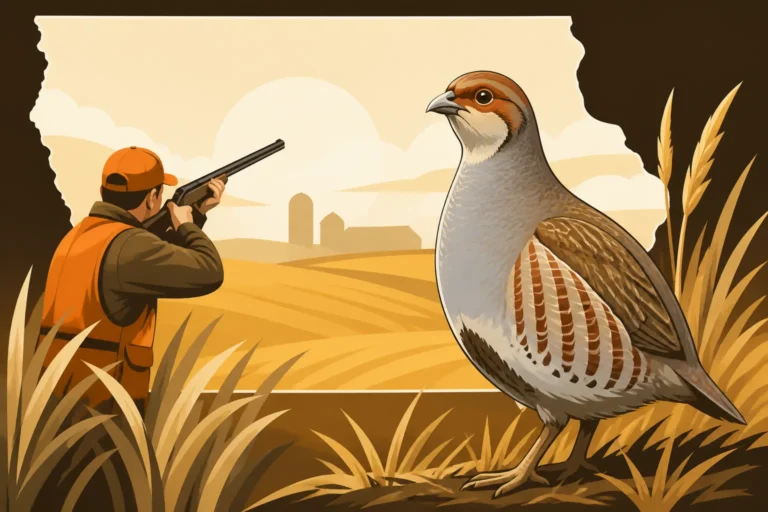
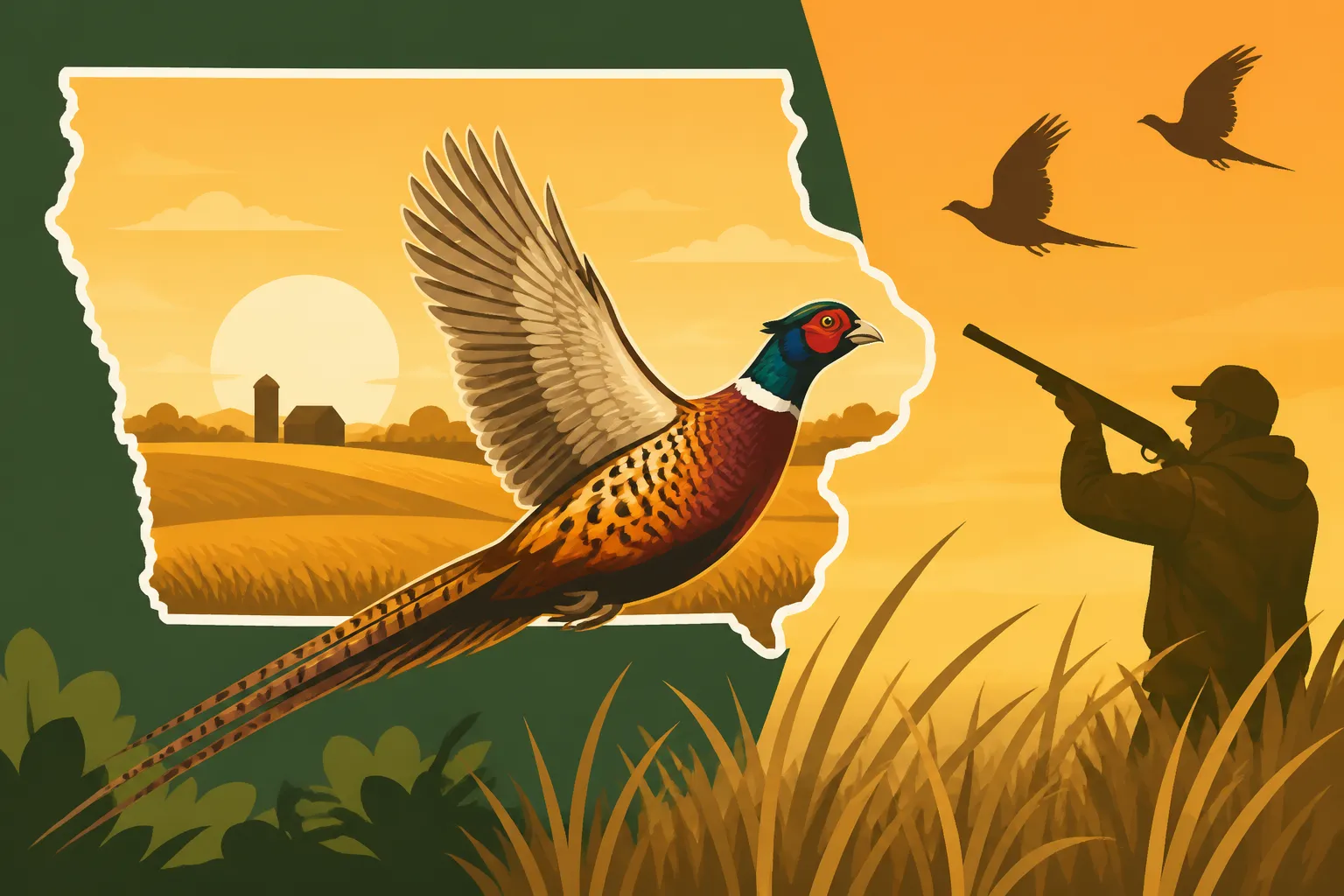
It’s a familiar scenario for any upland hunter here in Iowa: you’re dreaming of those explosive rooster flushes and planning out your autumn weekends, but then you hit a wall trying to nail down the exact pheasant season dates. It feels like every year there’s a new detail or nuance that can throw a wrench in your plans, from youth weekends to specific shooting hours. This comprehensive guide is here to untangle all the official information, giving you a clear roadmap for when and how you can legally pursue Iowa’s prized ring-necked pheasants.
Understanding Iowa's Pheasant Season Framework
When you're looking at the Iowa hunting calendar, the pheasant season is definitely one of the highlights for many of us. But it's not just a single block of time; there are a couple of distinct periods, each with its own rhythm and rules, designed to offer opportunities for different groups of hunters. Knowing these details is crucial for not only staying legal but also for maximizing your chances of success in the field.
General Season Dates for Residents and Nonresidents
For most hunters, the "regular" pheasant season is what we eagerly await. In Iowa, this season traditionally kicks off on the last Saturday of October and continues all the way through January 10th of the following year. That's a pretty generous stretch, giving us plenty of time to get out in the fields, whether we're pounding CRP in the crisp days of November or busting drifts for late-season roosters in January.
The beauty of Iowa's pheasant season structure is that, unlike some other game species, the general season dates are typically the same for both residents and nonresidents. You don't have to worry about different opening days or closing dates based on where you call home. This uniformity makes planning group hunts with out-of-state friends much simpler, ensuring everyone is on the same page. The season is intentionally long to allow for varied hunting conditions and pressure. Early season can be tough with thicker cover and warmer weather, but as the season progresses, conditions change, often pushing birds into more predictable patterns, especially around reliable food sources or dense thermal cover. This extended period ensures that hunters can adapt their strategies, whether they're focusing on Working Pheasant Cover Without a Dog in October or navigating snowy fields in December.
Youth Pheasant Weekend Specifics
One of the truly fantastic initiatives here in Iowa is the Youth Pheasant Weekend. It’s a dedicated time, typically held the weekend prior to the regular season opener, specifically designed to introduce young hunters to the thrill of pheasant hunting in a less competitive environment. This early access allows kids aged 15 and younger to get out there with a licensed adult mentor, focusing on safety, ethics, and the sheer joy of the hunt without the usual pressure of a crowded opening day.
During this special weekend, these young hunters can pursue pheasants statewide, giving them a head start and often better success rates before the birds have been pressured by the main season. The adult accompanying them must be licensed and is not permitted to carry a firearm or bow, ensuring the focus remains squarely on the youth hunter. It's an invaluable opportunity to pass down hunting traditions and foster a love for the outdoors. We’ve all seen how quickly kids can get discouraged if they don’t see action, and this weekend significantly increases their chances of a positive experience. It’s also a perfect time for families to spend quality time together, making memories in the field. If you're planning for next year, keep an eye on the official Iowa DNR regulations for the precise dates of the Iowa Youth Pheasant Weekend.
The Unofficial "Holiday" Season for Pheasants
While there isn't a specific "holiday season" officially designated for pheasants, the latter part of the general season, stretching from Thanksgiving through Christmas and into the new year, takes on a distinct character. Many hunters find themselves with extra time off work or school during these periods, making them popular times to hit the fields. However, the conditions you'll encounter during these weeks can be vastly different from the early season.
By late November and December, Iowa usually starts to see colder temperatures, and often, snow cover. This means the birds, especially roosters, will be seeking out the densest thermal cover they can find – think thick cattail sloughs, heavy multiflora rose patches, or plum thickets. Food sources become critical, too, as standing corn and bean fields are often harvested by this point. Hunting during this time requires different tactics; you might be focusing on Late-Season Pheasants in Heavy Cover, utilizing blocking strategies with a group, or really concentrating your efforts around unharvested crop edges or food plots. While it might be colder, the birds are often concentrated, offering some of the most exciting hunting of the year. The solitude of a snowy field, with the potential for a flush around every corner, is a unique experience that many seasoned pheasant hunters cherish.
Navigating the Nuances of Pheasant Hunting Regulations
Beyond just knowing when to hunt, understanding the specific regulations around bag limits, shooting hours, and licensing is absolutely non-negotiable. It’s not just about avoiding a fine; it’s about ethical hunting and ensuring the sustainability of our pheasant populations for generations to come. Iowa's rules are generally straightforward, but missing a key detail can quickly turn a great day into a frustrating one.
Daily Bag Limits and Possession Limits
The excitement of a successful hunt can sometimes make us forget the rules, but adhering to bag and possession limits is paramount. For Iowa pheasants, the daily bag limit is three rooster pheasants. This means that in any single day, regardless of how many fields you hunt or how many flushes you get, you can only legally take home three roosters. It's crucial to correctly identify your birds, as only roosters (males) are legal to harvest. Hens (females) are protected to ensure breeding populations remain strong.
The possession limit, on the other hand, refers to the total number of unpreserved pheasants you can have in your possession at any given time, including those stored at home. In Iowa, the possession limit for pheasants is nine roosters. This means after your first day of hunting and bagging three birds, you could legally return for a second day, harvest three more, and now have six in possession. On your third successful day, taking another three would bring you to the maximum of nine. This limit allows hunters who might be staying for an extended trip to accumulate birds over several days without exceeding the legal threshold. Just remember, these limits apply to dressed, unpreserved birds. Once the meat is processed and frozen, or otherwise preserved, it no longer counts towards your possession limit. For more details on this, look into Iowa Pheasant Daily Bag Limit.
Shooting Hours and Legal Restrictions
Timing is everything in pheasant hunting, and that extends to the legal shooting hours. In Iowa, the official shooting hours for pheasants are from 8:00 AM to 4:30 PM. This isn't just an arbitrary rule; it's set to give the birds a chance to leave their roosts, feed a bit, and move into cover, and equally, to settle back down in the evening. It also enhances safety by ensuring hunting primarily occurs during daylight hours.
Sticking rigidly to these times is essential. Heading out too early or staying too late can lead to legal trouble and is generally frowned upon by the hunting community. Beyond shooting hours, there are other crucial legal restrictions to be aware of. For instance, shooting from a public road or right-of-way is generally illegal in Iowa, unless you are more than 50 yards from the traveled portion of the road and on land where you have permission to hunt. Never shoot across a public road. Additionally, using a motor vehicle to chase or harass game is strictly prohibited. Always ensure you have positive identification of your target and a safe backdrop before pulling the trigger. These rules are in place for safety, fair chase, and to respect landowners.
Licensing Requirements and Fees
Before you even step foot in an Iowa pheasant field, you need to make sure your paperwork is in order. It’s easy to get caught up in gear and scouting, but forgetting your license can land you in serious hot water. All hunters, resident and nonresident alike, must possess a valid Iowa hunting license. On top of that, an Iowa Habitat Fee is required for anyone purchasing a hunting license, and this fee goes directly towards funding vital habitat improvement projects across the state, which directly benefits our pheasant populations.
For nonresidents, you'll also need a nonresident small game license. While there isn't a specific "pheasant stamp" like there might be for migratory birds, the general hunting license and habitat fee cover you for upland game. You can easily purchase these licenses online through the Go Outdoors Iowa system, or from authorized vendors across the state. It’s always a good idea to buy your licenses well in advance and carry proof of purchase, whether it’s a physical copy or a digital version on your phone. Be sure to understand all Iowa Hunter Education and Licensing Basics before heading afield. Keeping up-to-date with your licensing ensures you're contributing to conservation efforts and staying on the right side of the law, allowing you to focus on the hunt itself.
Planning Your Iowa Pheasant Hunt Around the Calendar
Once you've got the dates and regulations locked down, the real fun begins: planning your strategy. Iowa's pheasant season offers a long window, and the conditions, bird behavior, and hunting pressure can vary wildly from late October to January. Understanding these shifts and utilizing available resources can drastically improve your chances of a successful and enjoyable hunt.
Early Season vs. Late Season Hunting Considerations
The pheasant season in Iowa essentially splits into distinct periods, each with its own set of challenges and opportunities. The early season, generally from the opener through mid-November, often brings warmer temperatures and much denser cover. Crop fields might still be standing, particularly corn, providing vast sanctuaries for birds. This means birds can be spread out, harder to pin down, and often hold tight, leading to fewer flushes or birds running far ahead of dogs. Hunting pressure is also typically at its peak during the first few weekends. If you're out early, consider focusing on areas like CRP Grass and Where Bucks Bed or recently harvested fields where birds might be more exposed.
As the season progresses into late season (December through January 10th), the landscape transforms. Temperatures drop significantly, and snow cover becomes common. Most crops are harvested, leaving pheasants with fewer options for cover and food. This often concentrates birds into heavy thermal cover suchages and plum thickets. While the cold can be brutal, the advantage is that birds become more predictable and are easier to locate. They'll stick to the thickest stuff, often near a food source. Hunting during this time usually involves more focused drives, perhaps Blocking and Driving Iowa Grass Strips, and requires durable, warm clothing to stay comfortable during long pushes. The late season can be incredibly rewarding, often producing some of the biggest roosters of the year, though you might have to work harder to get them.
Utilizing Online Resources for Up-to-Date Information
In today's digital age, hunters have an incredible array of tools at their fingertips to help plan their trips and stay informed. The Iowa Department of Natural Resources (DNR) website is, of course, your primary and most authoritative source for all regulations, season dates, and public hunting area maps. It's updated annually and provides the most accurate legal information. I always recommend checking it before each season, as rules can occasionally change or be clarified.
Beyond the official DNR site, other online platforms can be incredibly valuable. While the Iowa DNR site is paramount, specialized tools like GoHunt can often aggregate season dates, draw odds for other species, and provide additional planning resources that might not be as readily available elsewhere, giving you a comprehensive look at what to expect across different states. For example, if you're cross-referencing season dates across multiple species or states, a platform like GoHunt can be quite handy. You can also find valuable insights from other hunters on forums and social media groups, though always cross-reference any regulation advice with the official DNR site. These resources are also excellent for checking for any emergency season changes, specific area closures due to flooding or habitat work, or late-breaking news that could impact your hunt. For specific locations, apps like onX Hunt are indispensable for identifying public land boundaries and understanding the terrain.
Impact of Weather and Habitat on Season Success
Understanding the actual pheasant population numbers and how they're influenced by environmental factors is key to managing expectations and choosing productive hunting spots. It’s not just about when the season opens; it’s about how many birds are out there. One of the best gauges we have in Iowa is the annual Iowa Pheasant Roadside Survey Results. This survey, conducted every August, gives a strong indication of pheasant brood success and overall population trends heading into the fall. Factors like spring rainfall (too much can drown young chicks) and severe winter weather (which can impact Winter Weather and Hen Survival) play huge roles in how strong the pheasant numbers will be.
Good nesting cover is also critical. Areas with ample Nesting Cover and Pheasant Broods, such as CRP fields, undisturbed grass waterways, and native prairies, tend to produce more birds. Conversely, widespread haying during nesting season or extensive clean farming practices can reduce nesting success. When planning your hunt, paying attention to areas known for good habitat, like Wildlife Management Areas or private lands enrolled in conservation programs, will generally yield better results. A region that experienced a mild winter and a favorable spring for nesting is likely to have higher bird densities. Conversely, a harsh winter followed by a wet spring might mean tougher hunting, even on prime ground.
Here’s a quick overview of key Iowa pheasant season information:
| Season Type | Dates (Typical) | Daily Bag Limit (Roosters) | Possession Limit (Roosters) | Shooting Hours |
|---|---|---|---|---|
| Youth Pheasant Weekend | Weekend prior to regular season opener (mid-Oct) | 3 | 9 | 8:00 AM – 4:30 PM |
| Regular Season | Last Saturday in Oct – Jan 10th (following year) | 3 | 9 | 8:00 AM – 4:30 PM |
This table provides a concise reference, but always double-check the current year's official Iowa DNR regulations for any changes or specific county-by-county nuances. Good luck out there, and hunt safe!
Disclaimer
The information provided in this guide is for informational purposes only and is not a substitute for official legal advice or the current regulations published by the Iowa Department of Natural Resources. Hunters are responsible for knowing and adhering to all applicable hunting laws and regulations. Always consult the most recent Iowa hunting regulations pamphlet or the Iowa DNR website before participating in any hunting activity.