Iowa Rabbit and Squirrel Seasons
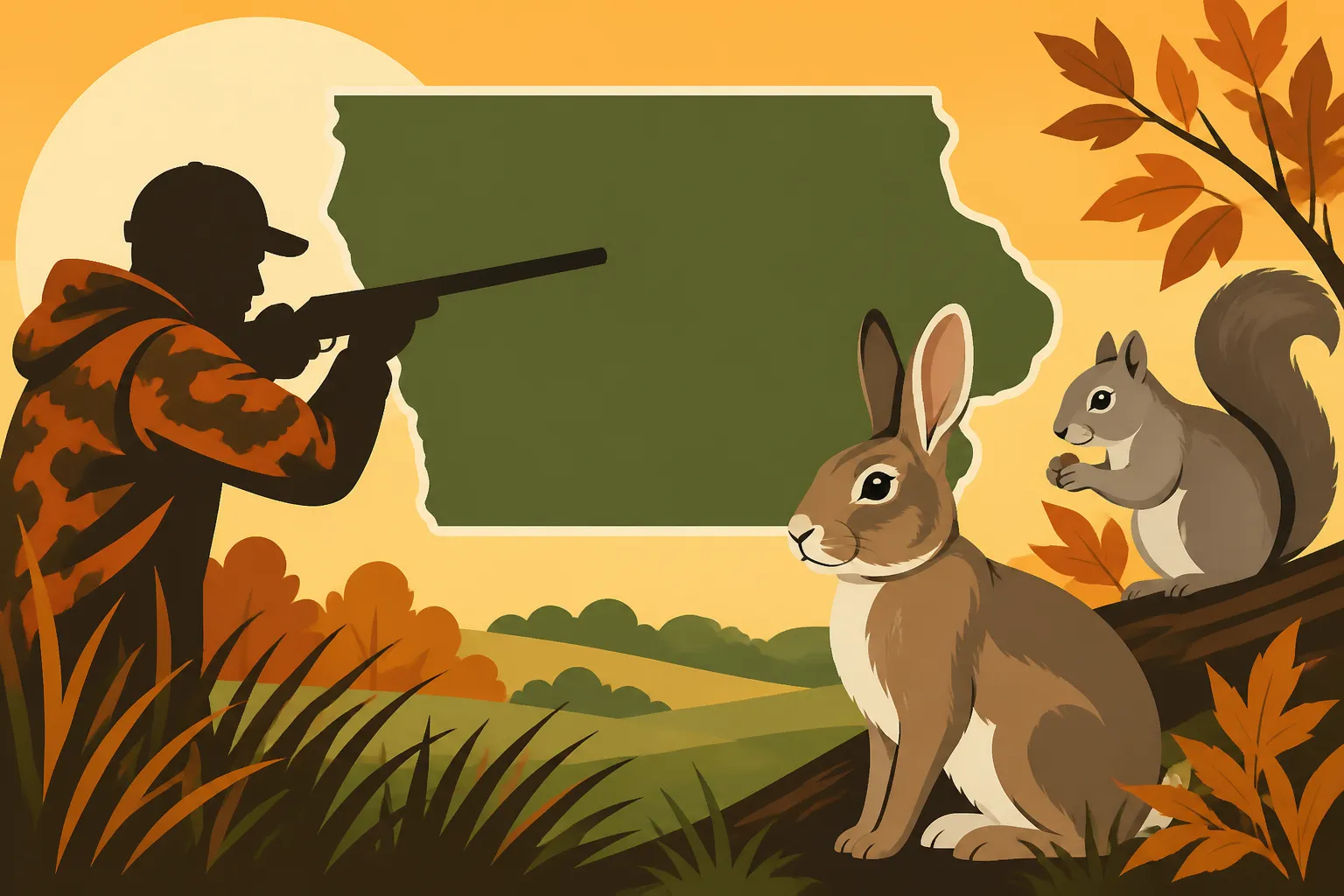
There's nothing quite like the crisp air of an Iowa autumn or winter morning, heading out with a trusty .22 or a lightweight shotgun, not for trophy antlers, but for the sheer joy and challenge of pursuing small game. While much of the buzz around Iowa hunting focuses on its legendary whitetails, many of us find immense satisfaction and fantastic table fare in chasing rabbits and squirrels. It can be tricky, though, knowing exactly when and where you can hunt these often-overlooked species, especially with regulations that seem to shift. This guide is here to untangle the complexities of Iowa's rabbit and squirrel seasons, offering you a clear path to successful and enjoyable small game hunting.
Understanding Iowa's Small Game Hunting Regulations
Before you even think about stepping foot in the timber or along a brushy fencerow, it’s absolutely critical to understand the foundational rules governing small game hunting in Iowa. The last thing any hunter wants is to unintentionally break a regulation, turning a fun day afield into a stressful encounter.
General Licensing Requirements
Just like with any other hunting pursuit in the Hawkeye State, you'll need the proper licensing to pursue rabbits and squirrels. For residents and non-residents alike, this typically starts with a basic Iowa hunting license and a habitat fee. These fees contribute directly to conservation efforts, helping to ensure healthy populations and access to hunting grounds for years to come. If you're new to hunting or haven't taken a course, make sure you've completed your Iowa Hunter Education and Licensing Basics requirements. There are often youth and senior license rates available too, which can make it more accessible for families to get out together. Always double-check the current fee schedule on the Iowa DNR website.
Beyond the general license, there aren't typically specific rabbit or squirrel tags you need to purchase individually, unlike deer or turkey. Your general hunting license covers these small game species. However, ensuring you have that base license and the habitat fee paid is paramount. It's easy to overlook these details, especially if you primarily hunt larger game and are just dipping your toes into small game for the first time. For non-residents, the cost can be higher, but the experience is often well worth it.
Legal Shooting Hours and Equipment
Timing is everything in hunting, and small game is no exception. In Iowa, the general rule for small game is that you can hunt from half an hour before sunrise to sunset. This applies broadly to upland game and small game, providing a generous window of opportunity. Knowing your Iowa Legal Shooting Hours is vital for planning your hunts, especially those early morning or late evening excursions when squirrels are most active or rabbits are just starting to move.
When it comes to equipment, Iowa is quite flexible for rabbit and squirrel hunting. Most hunters opt for a .22 caliber rimfire rifle, which is perfect for squirrels in timber due to its accuracy and low report. For rabbits, especially when working brushy cover where quick shots are common, a shotgun loaded with small shot (like 6 or 7.5) is often the preferred choice. Air rifles, typically .177 or .22 caliber, are also legal for small game and can be incredibly quiet and accurate for those who prefer them. Archery equipment is also permitted, though less commonly used for these particular species given their size and speed.
Importance of Checking Current Regulations
The hunting landscape isn't static; regulations can and do change from year to year. While I'll provide you with the most current information available, it's always your responsibility as a hunter to verify the regulations before heading afield. The Iowa Department of Natural Resources (DNR) website is the official source for all current hunting proclamations and season dates. They publish an annual hunting regulations booklet that is an invaluable resource.
Furthermore, there are excellent tools available now that can help you stay current. Many hunters, myself included, rely on mapping and regulation apps. Services like GoHunt are fantastic for not only scouting potential hunting areas but also providing up-to-date regulatory information, often with alerts for changes. This can be a real game-changer for avoiding any confusion and ensuring you're always hunting legally and ethically. Don't just rely on what you heard last year or from a friend; take the few minutes to confirm everything each season.
Iowa Rabbit Hunting: Seasons, Bag Limits, and Tactics
Chasing cottontail rabbits is a classic American hunting experience, and Iowa offers plenty of opportunities for it. These quick, elusive creatures provide a fun challenge and are delicious on the dinner table.
Cottontail Rabbit Season Dates and Limits
Iowa's cottontail rabbit season typically spans a significant portion of the late fall and winter, allowing hunters ample time to pursue them after other seasons have begun to wind down. The season generally opens in early September and runs all the way through February. This long season offers flexibility, letting you enjoy mild autumn days or crunch through snowy fields in the heart of winter.
The daily bag limit for cottontail rabbits is usually 10, with a possession limit of 20. This generous limit reflects healthy populations across the state and allows for a productive day in the field, especially if you're hunting with a party or trying to fill the freezer. Remember that while jackrabbits are technically found in Iowa, they are a protected species and cannot be hunted. When you're out there, make sure you're identifying your target correctly. You can learn more about Cottontails and Jackrabbits in Iowa to ensure you're hunting ethically.
To make things easy, here’s a quick overview of the typical season dates and limits:
| Species | Season Start Date | Season End Date | Daily Bag Limit | Possession Limit |
|---|---|---|---|---|
| Cottontail Rabbit | Early September | End of February | 10 | 20 |
| Fox & Gray Squirrel | Early September | End of January | 6 | 12 |
Note: Always consult the current Iowa DNR hunting regulations for exact dates and any changes.
Where to Find Iowa Cottontails
Cottontails are creatures of the edge. They thrive in areas where dense cover meets open feeding grounds. In Iowa's agricultural landscape, this means you'll often find them tucked into brush piles, along overgrown fencerows, in thickets of multiflora rose, or in the dense cover of CRP (Conservation Reserve Program) grass fields. These areas provide the perfect blend of security from predators and access to various forage, from green browse to fallen crop remnants.
River bottoms and creek drainages that are choked with briars and saplings are absolute magnets for rabbits. They offer excellent bedding cover and escape routes. Even small, isolated patches of thick brush or abandoned farmsteads with crumbling outbuildings and overgrown yards can hold a surprising number of rabbits. Don't overlook the edges of timber blocks, especially where they transition into fields or dense undergrowth. Tools like GoHunt can help you identify these specific habitat features on satellite imagery, making your scouting much more efficient. When you're Reading an Iowa Timber Draw for Deer Sign, also keep an eye out for rabbit tracks along the edges.
Effective Rabbit Hunting Tactics
Rabbit hunting can be as simple or as complex as you make it, but the most effective methods often revolve around pushing through cover and ambushing bolting rabbits. One classic tactic is simply "walking them up." This involves systematically walking through dense cover, kicking at brush piles and briar patches. Rabbits will often hold tight, only flushing at the last second, providing a challenging shot. This is where a nimble shotgun with open choke shines.
For an even more effective approach, consider using a hunting dog, particularly Beagles, which are legendary for their ability to scent and chase rabbits. A good rabbit dog can turn an average hunt into an exciting one, often circling rabbits back towards the hunters. If you don't have a dog, "driving" cover with a group of hunters can be very productive. Designate a few "drivers" to push through a thicket, while "blockers" are positioned at the likely escape routes. Make sure everyone is aware of safe zones and shot angles during such drives. Learning to work cover, similar to Working Pheasant Cover Without a Dog, can be adapted for rabbits. Focus on small, isolated brush piles; they are often goldmines, as detailed in Rabbit Hunting Brush Piles. Early morning and late evening are often prime times, or any time after a fresh snowfall, which helps with tracking and makes rabbits more visible against the white backdrop.
Iowa Squirrel Hunting: Seasons, Bag Limits, and Tactics
Squirrel hunting is often many hunters' first foray into the woods, and for good reason. It teaches patience, woodsmanship, and precise shooting, all while providing an abundant and tasty harvest. Iowa's timbered landscapes are rich with both fox and gray squirrels.
Squirrel Season Dates and Limits
Iowa's squirrel season generally opens in early September, coinciding with some of the pleasantest weather for being in the woods. It typically runs through the end of January, giving hunters a long window from the colorful leaves of autumn well into the cold, stark beauty of winter. This extended season allows for diverse hunting experiences, from stalking through crunchy leaves to still-hunting in a silent, snowy woods.
The daily bag limit for squirrels (a combination of both fox and gray squirrels) is typically 6, with a possession limit of 12. This is a respectable limit that allows for a good harvest during a successful outing. Iowa is home to both larger fox squirrels, often found in more open timber and woodlots, and the slightly smaller gray squirrels, which prefer denser, mature woodlands. Knowing the difference isn't critical for legal harvest, but understanding their habits can help you target specific areas. More on their characteristics can be found under Squirrel Species in Iowa Timber.
Prime Squirrel Habitat in Iowa
Squirrels are intrinsically tied to specific tree species and forest compositions. In Iowa, prime squirrel habitat means areas rich in mast-producing trees, primarily oaks and hickories. These trees provide the essential food source (acorns, walnuts, pecans) that sustains squirrel populations, especially through the leaner winter months. River bottoms and timbered creek corridors are particularly excellent, as they often host mature stands of these hardwoods and provide ample travel routes and denning opportunities.
Look for areas with mature timber that has a good canopy but also enough understory to provide cover and alternative food sources. Areas bordering corn and soybean fields can also be productive, as squirrels will venture out to feed on spilled grain. Isolated woodlots surrounded by agriculture can be hotspots, acting as squirrel islands. Pay attention to stands of black walnut trees, especially in early fall; the squirrels will be vigorously harvesting and burying the nuts. Utilizing the mapping features of tools like GoHunt can help you pinpoint these timbered areas and even identify different tree species if the imagery is detailed enough. Targeting areas like Squirrel Hunting Iowa Oak Timber is a proven strategy.
Successful Squirrel Hunting Strategies
There are several highly effective ways to hunt squirrels, each offering a different experience. "Still-hunting" is a favorite among many, involving very slow, deliberate movement through the woods, pausing frequently to scan for movement or listen for the tell-tale sounds of squirrels cutting nuts or barking. Patience is key here; often, if you sit still for 15-20 minutes, previously hidden squirrels will resume their activity.
"Stalking" is similar but often more aggressive, focusing on moving quietly towards squirrels you've spotted. This requires soft-soled boots and keen awareness of the wind to avoid being scented or heard. Another excellent tactic, especially in colder weather or after a fresh snow, is to sit quietly near a known den tree or a cluster of mast-producing trees during peak feeding times (early morning and late afternoon). You can often spot squirrels venturing out from their nests or actively foraging. Using squirrel calls, which mimic distress or chatter, can sometimes bring curious squirrels closer, though it's often more effective for stimulating activity than drawing them right to you.
Essential Gear and Respectful Practices for Small Game
While small game hunting doesn't always demand the specialized gear of big game, having the right equipment and maintaining proper ethics are crucial for a safe and enjoyable experience.
Recommended Gear for Rabbit and Squirrel Hunting
Your gear choices will largely depend on your preferred method and the specific game you're after. For squirrels, a .22 caliber rimfire rifle is a classic choice, offering precision for headshots and minimal meat damage. Paired with a decent scope, it's deadly accurate. For rabbits, especially when they're flushing from thick cover, a 20-gauge or 12-gauge shotgun with small shot (like #6 or #7.5) is hard to beat. The spread allows for quicker, more forgiving shots on fast-moving targets.
Comfortable, quiet footwear is non-negotiable, especially if you're still-hunting or walking long distances. Look for boots that provide good ankle support and are waterproof for dew-soaked mornings or snowy treks. Layered clothing, made of quiet fabrics like fleece or wool, is ideal for adapting to changing temperatures and for moving silently through the woods. Don't forget a game bag or a small backpack to carry your harvested game, snacks, and water. A good pair of binoculars, even a small set, can be invaluable for spotting squirrels high in the canopy or rabbits hidden in thick brush. A reliable headlamp for the walk back to the vehicle, particularly if you're hunting until legal shooting hours end, is also a must-have.
Field Dressing and Meat Care
Once you've successfully harvested a rabbit or squirrel, proper field dressing and meat care are essential to ensure you get the best possible table fare. Small game should be field-dressed as quickly as possible to prevent spoilage, especially on warmer days. This typically involves removing the entrails and, for squirrels and rabbits, often skinning them in the field or shortly after the hunt. The "glove method" for skinning rabbits is incredibly efficient. For squirrels, a good sharp knife and some practice will make quick work of it.
After field dressing, the meat should be cooled down as rapidly as possible. If it's a cool autumn or winter day, simply hanging the cleaned game in a shaded, airy spot can be sufficient for a short period. On warmer days, or if you have a longer drive home, placing them in a cooler with ice (preferably in a sealed bag to keep the meat dry) is a good idea. Knowing how to efficiently field dress and cool your game, similar to the principles covered in Field Dressing in Warm October Weather, is crucial for preserving quality.
Respecting Landowners and Fellow Hunters
Ethical hunting practices extend beyond simply following the law; they encompass respect for the land, wildlife, and other people. A vast amount of Iowa's hunting opportunities lie on private land, which means asking for permission from landowners is a frequent and necessary part of the process. Always approach landowners respectfully, even if you’ve hunted there before, and respect their wishes. Leaving no trace, closing gates, and avoiding damage to crops or fences are fundamental courtesies. Building a good relationship with a landowner can open up countless future hunting opportunities.
On public lands, courtesy towards fellow hunters is paramount. This means giving others ample space, especially if they were there first, and being mindful of your noise and movement. Always adhere to the rules for specific public areas, as some might have unique regulations regarding access or methods. For example, some walk-in access properties might have specific dates they are open, or restrictions on vehicle use, similar to what you might find when Hunting Iowa Walk-In Ground Without Burning It Out. By being a responsible and considerate hunter, you contribute to a positive public image of hunting and help ensure that these cherished traditions continue for generations to come.
Disclaimer
Please be aware that hunting regulations, season dates, and bag limits are subject to change. While this article provides information based on current knowledge, it is the hunter's sole responsibility to consult the most up-to-date Iowa Department of Natural Resources (DNR) regulations and proclamations before engaging in any hunting activity. This content is for informational purposes only and does not constitute legal advice.