Transferring an Iowa Deer Tag to a Youth
Getting a young hunter started in Iowa can be one of the most rewarding experiences, but let's be honest, navigating the regulations around deer tags can sometimes feel like trying to untangle a giant knot of fishing line. Many parents and mentors want to share the passion of the outdoors with the next generation, only to hit a snag when trying to figure out how to legally get a deer tag in their child's hand. This guide is here to walk you through the specifics of transferring an Iowa deer tag to a youth, ensuring you understand the rules and can focus on what truly matters: making lasting memories in the field.
Navigating the Iowa Deer Tag Transfer for Youth Hunters
The desire to introduce a child to hunting often starts with simply wanting them to experience the woods, learn about wildlife, and understand where their food comes from. But when it comes to the legalities of getting that first deer tag, it can get a little murky. Iowa has specific provisions designed to encourage youth participation, including the option to transfer certain deer tags. This isn't just about paperwork; it's about fostering a passion and overcoming the initial hurdles that might discourage new hunters.
The Spirit of Mentorship and Growing Our Hunting Community
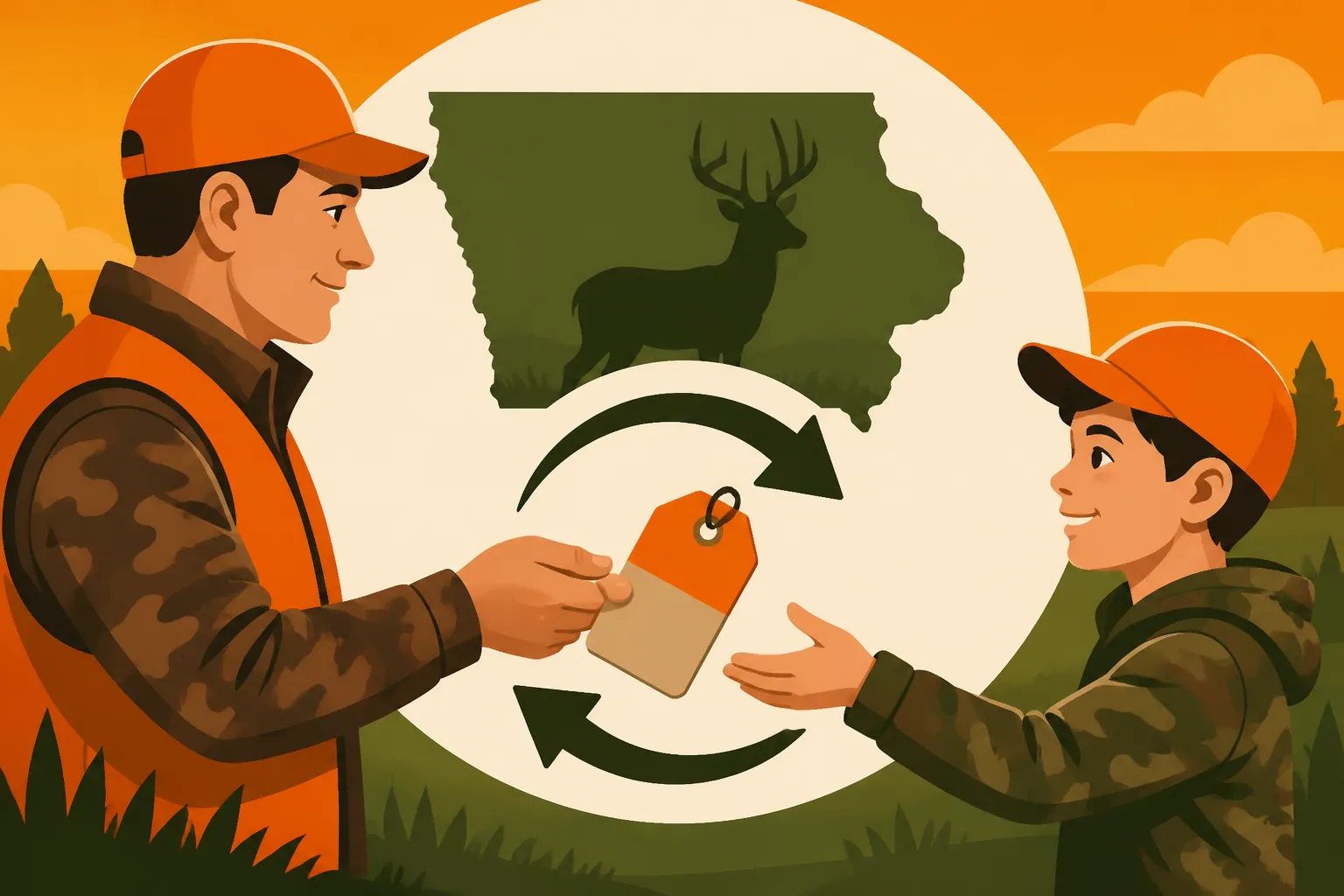
At its heart, transferring a deer tag to a youth is a powerful act of mentorship. It's a way for an experienced hunter to quite literally pass on an opportunity. In a world where screens often dominate, getting kids outdoors, teaching them patience, observation, and respect for nature is more important than ever. The Iowa DNR recognizes this, and the tag transfer system is one of the tools in place to support this vital effort. It bridges the gap between a seasoned hunter's unused tag and a eager young hunter's dream of harvesting their first deer.
Think about it: you've got a tag, maybe for a specific zone or season, and your hunt didn't pan out. Instead of letting that tag go unused, wouldn't it be incredible to see the excitement in a child's eyes as they realize they now have a chance? This approach supports the future of hunting by providing tangible opportunities. It’s an investment in recruitment and retention, ensuring that the rich tradition of hunting continues. We all know the frustrations of missed opportunities, so turning one into a win for a youth hunter is incredibly satisfying. It's a testament to the community spirit among Iowa hunters.
Eligibility and Restrictions: Who Can Transfer What
Before you get too excited about handing over your tag, it's crucial to understand the specific rules Iowa has in place. Not just any tag can be transferred, and there are strict requirements for both the person transferring the tag (the adult) and the recipient (the youth). Ignoring these details could lead to issues, and no one wants that when trying to do something good.
First, let's talk about the adult. Generally, the adult must be an Iowa resident hunter who possesses an unused deer tag. It’s important to note that nonresident tags are typically not eligible for transfer to youth hunters. This system is primarily designed to help resident families and mentors. The type of tag also matters significantly. You usually can't transfer a buck-only archery tag or an "any-sex" tag from a specific season to a youth as an additional tag. Instead, the intent is for specific antlerless-only tags to be transferable. This is where clarity is key, as the rules can evolve. Always double-check the current Iowa hunting regulations.
Now, for the youth hunter. The primary requirement is that they must be 15 years of age or younger at the time of the transfer. This age restriction is firm. Additionally, the youth must have completed an approved hunter education course, unless they are hunting under an Iowa Apprentice Hunting Licence. The apprentice license allows a mentored youth to hunt without having completed hunter education, provided they are accompanied by a licensed adult. This is a fantastic option for younger kids just dipping their toes in the water. Remember, this transferred tag doesn't count against any other youth tags they might be eligible for or have already purchased, such as those for the special youth deer season. This makes it a bonus opportunity, not a replacement.
The Step-by-Step Process for Transferring a Tag
Okay, so you've checked the eligibility, and you're ready to make this happen. The actual process for transferring an eligible deer tag to a youth in Iowa is typically handled through the Iowa DNR's licensing system. While it might seem daunting, it's designed to be fairly straightforward once you know the steps.
- Verify Eligibility: Reconfirm that both the adult and youth meet the requirements mentioned above. This includes the youth's age (15 or younger) and the adult's residency and type of tag. Ensure the youth has their hunter education certificate or an apprentice license.
- Access the Go Outdoors Iowa System: The Iowa DNR manages all licenses and permits through their online portal, Go Outdoors Iowa. Both the adult transferring the tag and the youth (or their guardian) will need accounts, or at least access to their respective customer numbers. This is where platforms like GoHunt can be incredibly useful for planning, but the actual tag transfer happens directly through the official DNR system.
- Initiate the Transfer: The adult hunter who holds the unused, eligible tag will need to log into their Go Outdoors Iowa account. There should be an option within their license inventory to "transfer" an eligible deer tag. You’ll be prompted to enter the youth's information, including their DNR customer number, to complete the transfer. It’s crucial to have this information accurate to avoid any hiccups.
- Confirmation: Once the transfer is complete, the tag will be electronically assigned to the youth. A confirmation will typically be sent to both parties, and the tag will appear in the youth's license inventory. At this point, the youth can then print their tag or have it on their mobile device, just like any other license. It’s a good idea to always carry a physical copy in the field, especially in rural areas where cell service can be spotty.
It's important to remember that once a tag is transferred, it cannot be transferred back or to another individual. This is a one-time transaction per tag. Also, any deer taken on a transferred tag must be reported by the youth hunter under their own license number, following all standard Iowa deer harvest reporting rules. This ensures proper tracking of harvest data.
Here's a quick reference table for common youth deer hunting options in Iowa:
| Option for Youth Hunter | Age Requirement | Hunter Education Req. | Tag Type | Cost (approx.) | Notes |
|---|---|---|---|---|---|
| Transferred Deer Tag | 15 years & younger | Yes (or Apprentice) | Specific Antlerless Only | Free (if transferred) | Adult resident transfers unused, eligible tag. |
| Youth Deer Season Tag | 16 years & younger | Yes (or Apprentice) | Any-sex | Varies (Resident Youth Fee) | Special early season, accompanied by licensed adult. |
| Regular Season Tag | No specific limit | Yes (or Apprentice) | Varies by season/zone | Varies by license | Youth can purchase and hunt any regular season tag if eligible. |
| Apprentice Hunting License | No age limit for license, 15 & younger for transferred tag | No (must be mentored) | N/A (Allows hunting under mentor's license) | Varies (Resident Fee) | Enables hunting without hunter education, requires adult mentor. |
Note: Costs are approximate and subject to change by the Iowa DNR. Always check current regulations.
Understanding Iowa's Youth Hunting Opportunities Beyond Tag Transfers
While transferring a tag is a wonderful way to create an additional hunting opportunity, it's not the only avenue for young hunters in Iowa. The state is quite proactive in getting kids involved, offering dedicated seasons and license types tailored to their needs. Understanding all these options helps you plan the best possible hunting journey for your mentee.
Dedicated Youth Seasons and Their Advantages
Iowa offers a fantastic dedicated youth deer season, typically held in late September, providing a unique opportunity for young hunters (16 years of age or younger) to get into the field before the general archery and shotgun seasons really ramp up. This season is specifically designed to be less pressured and more focused on success for the youth. The allows for "any-sex" deer, meaning they can take a buck or a doe, which is a huge motivator for a first-time hunter.
The advantages of this season are numerous. Firstly, the weather in late September is usually much milder than later in the fall, making for a more comfortable experience for new hunters. The deer are also often in more predictable patterns, still focused on food sources before the rut kicks in. Secondly, the lower hunting pressure means a calmer environment, ideal for learning the ropes without feeling rushed. During this special season, the youth must be accompanied by an adult who holds a valid Iowa hunting license and has paid the habitat fee, but the accompanying adult cannot carry a firearm or bow and arrow. This ensures the focus remains entirely on the youth hunter's experience. It’s a prime time for parents and mentors to focus solely on teaching, spotting deer, and guiding their young hunter through every step, without the distraction of their own hunt. If you're looking for prime teaching moments, this season is built for it.
The Role of Hunter Education and Apprentice Licenses
Before any young hunter can head into the field with a firearm or bow, understanding and complying with hunter education requirements is paramount for safety and legality. In Iowa, generally, anyone born after January 1, 1972, must successfully complete a hunter education course to purchase a hunting license. For youth, this means taking the course before they can independently buy tags for seasons like the dedicated youth deer season. You can find all the details on the Iowa Hunter Education Age Requirement and Iowa Hunter Education and Licensing Basics on the DNR website. It's a comprehensive course covering firearm safety, archery safety, wildlife identification, conservation ethics, and basic hunting techniques. It's not just a hoop to jump through; it's foundational knowledge for responsible hunting.
However, recognizing that sometimes kids aren't quite ready for a full course or just want to try hunting out, Iowa offers the Iowa Apprentice Hunting Licence. This license allows an individual who has not completed hunter education to hunt under the direct supervision of a licensed adult mentor. The mentor must be at least 18 years old, possess a valid hunting license, and be within arm's reach of the apprentice hunter at all times. This is a brilliant pathway for youngsters who might be on the fence about hunting or for those who are simply too young to grasp all the complexities of hunter education. It allows them to get a taste of the experience in a controlled, safe environment, potentially sparking a lifelong interest in the outdoors. It's truly a win-win, reducing barriers while maintaining safety. Remember that while a transferred tag for a youth falls under this apprentice provision, the youth still has to be 15 or younger for the transfer itself.
Practical Advice for Mentoring Your Young Hunter
Getting a tag in hand is just the first step. The real journey of mentoring a young hunter involves much more than paperwork; it's about preparing them physically and mentally, teaching them ethics, and ensuring every outing is a positive and safe learning experience.
Preparing for the Hunt: Gear, Safety, and Scouting
Preparation is the cornerstone of any successful and safe hunt, especially when you're bringing a youth along. You can't just hand them a tag and push them out the door. Start with the basics:
- Gear: Ensure they have appropriate clothing for the weather, including good quality boots. For safety, understanding Iowa Blaze Orange Rules During Iowa Gun Season is non-negotiable, even if they're not in a gun season zone. During gun seasons, specific amounts of blaze orange are required. Don't skimp on this. Comfortable, quiet layers are key.
- Safety: This goes beyond hunter education. Talk about the "Four Rules of Firearm Safety" constantly. Practice safe handling with an unloaded firearm or bow. Make sure they understand how to identify their target and what's beyond it. Discuss walking in the woods with a loaded firearm and always keeping the muzzle pointed in a safe direction. Reinforce these lessons at every opportunity.
- Scouting: Involve them in the scouting process. Show them how to read sign, identify bedding areas, and locate food sources. Use aerial maps, even those found on apps like GoHunt, to teach them about topography and potential deer travel corridors. Go on walks in the woods together before the season, identifying deer trails and potential stand locations. This builds anticipation and teaches crucial skills long before the season opens. It's invaluable for them to see the whole picture, not just the "shooting" part. Learning to read an Iowa Timber Draw for Deer Sign or understanding Standing Corn and Bean Field Deer Patterns can be huge teaching moments.
On the Hunt: Patience, Ethics, and Making Memories
Once you're actually in the field, the focus shifts to the experience itself. A youth hunter's first few hunts should prioritize learning and enjoyment over harvesting an animal.
- Patience is a Virtue: Hunting, especially for deer, requires immense patience. Explain that seeing deer isn't guaranteed and that a successful hunt isn't solely defined by pulling the trigger. Emphasize quiet observation and appreciating nature. Talk to them about why a particular shot wasn't taken, or why you waited for a better angle. This builds a deeper understanding of hunting ethics and shot placement.
- Ethical Considerations: This is a prime opportunity to instill a strong ethical foundation. Discuss fair chase, responsible shot placement, and the importance of a clean harvest. Before the hunt, review Shot Placement on a Whitetail at Twenty Yards. Explain why you might pass on a shot that isn't ideal, even if it's the only opportunity. Teach them about respect for the animal after the harvest, including proper field dressing and meat care. The goal is to create a responsible hunter, not just someone who takes an animal.
- Making Memories: Ultimately, these early experiences are about creating positive, lasting memories. Bring snacks, share stories, and simply enjoy being outdoors together. The first hunt might not yield a deer, but the shared time, the lessons learned, and the connection to nature will be far more valuable. Celebrate small victories, like spotting a squirrel or identifying a bird. Talk about what they saw and felt. These are the moments that will shape their view of hunting and keep them coming back to the woods year after year. Consider getting them involved in practicing shots from a treestand or taking them to the range for Sighting In Before Shotgun Season to build their confidence. These moments of preparation are just as important as the hunt itself.
Disclaimer
Please note that hunting regulations, seasons, and licensing requirements can change. While this guide aims to provide accurate and up-to-date information, it is your responsibility to always consult the official Iowa Department of Natural Resources (DNR) website and their most current hunting regulations prior to any hunting activity. This content is for informational purposes only and should not be considered legal advice.