Free Landowner Tags in Iowa
It’s a common scenario in Iowa: you own a beautiful piece of land, you’re passionate about deer hunting, and you’ve heard whispers about “free landowner tags.” For many resident Iowans, the idea of securing a deer tag at a reduced cost for their own property sounds like a dream come true, offering a way to manage local deer populations and enjoy the fruits of their land stewardship. However, understanding who truly qualifies for these special landowner or tenant deer licenses, the application process, and the specific limitations can often feel like navigating a dense thicket. This comprehensive guide will clarify the rules around Iowa’s resident landowner-tenant deer tags, helping you determine your eligibility and navigate the process successfully.
Understanding Iowa's Resident Landowner-Tenant Deer Tags
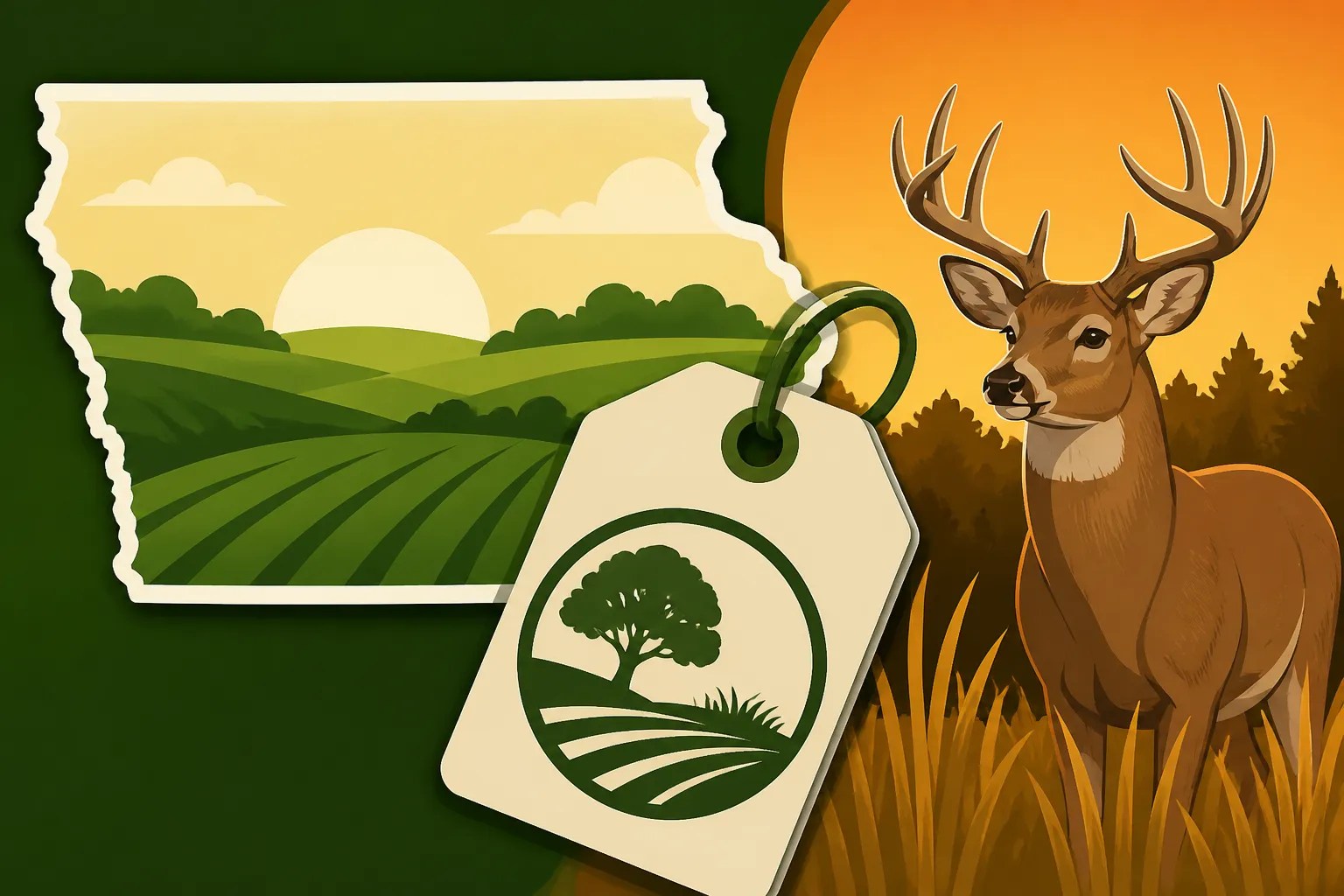
The question of "free" deer tags for landowners is one I hear frequently. Let's set the record straight: while often referred to as "free," these are actually resident landowner/tenant deer licenses offered at a significantly reduced fee compared to general resident licenses. The Iowa Department of Natural Resources (DNR) provides these special provisions to recognize the role resident landowners and tenants play in maintaining habitat and managing wildlife on their agricultural properties. It's a privilege, but one that comes with specific criteria.
Who Qualifies as a Resident Landowner or Tenant
Eligibility for these reduced-fee tags isn't simply about having a deed or a lease. The DNR has strict definitions to ensure the program benefits those genuinely involved in the land's agricultural purpose.
- Resident Landowner Requirements: To qualify, you must be a legitimate resident of Iowa and own at least 40 contiguous acres of land. This land must be actively used for agricultural purposes, which includes cultivated crops, livestock pasture, or timberland managed for forestry. A parcel that's primarily a residential lot or purely recreational land without an agricultural function typically won't meet the criteria. Furthermore, your primary residence must be in Iowa, demonstrating your established connection to the state.
- Resident Tenant Requirements: Similarly, if you're a tenant, you must be an Iowa resident and have a demonstrable, active role in the agricultural operation of at least 40 contiguous acres. This means more than just leasing a small wooded patch for hunting. You need to have a written or oral agreement to actively farm the land, manage livestock, or participate substantially in other agricultural endeavors that contribute to the land's output. The DNR looks for proof of your direct engagement in the farm unit's operation, highlighting the distinction between a recreational lease and a genuine agricultural tenancy. For a broader overview of these rules, you might find more details in articles like Iowa Tenant Deer Tag Rules.
Defining "Farm Unit" and "Operational Role"
These two terms are central to understanding eligibility and are often where confusion arises. The DNR's interpretation ensures the integrity of the landowner-tenant tag program.
- What Constitutes a "Farm Unit": A "farm unit" isn't just any piece of land. It's defined as land that is actively managed for the production of agricultural commodities, including crops, livestock, or timber. Owning a 10-acre hobby farm or a large yard around your house generally won't qualify. The land must be a working part of Iowa's agricultural landscape. The "contiguous acres" requirement is also crucial; 20 acres here and 20 acres a mile away, even if both are farmed, won't qualify unless they are physically adjacent and operated as a single unit.
- Understanding "Operational Role": For both landowners and tenants, an "operational role" signifies active, hands-on involvement in the agricultural production of the land. For a tenant, this means you're performing tasks like planting, harvesting, tilling, or managing livestock, not just holding a hunting lease. The DNR wants to see evidence that you are integral to the farm's daily function and output. This ensures that the reduced-fee tags are supporting those actively contributing to Iowa's agricultural economy and stewarding its natural resources, aligning with the intent of the special license.
Applying for Your Landowner-Tenant Deer Tags
Once you’ve established your eligibility, the next hurdle is the application process itself. While these tags are often casually referred to as "free landowner tags," they involve a specific application through the Iowa DNR's licensing system and come with a reduced fee, not a zero cost. It's crucial to follow the correct steps to avoid missing out on this valuable opportunity.
Navigating the Iowa DNR Application System
The application for resident landowner-tenant deer licenses typically aligns with the general deer license application period, usually opening in May and extending through June. This is an online process, primarily managed through the Go Outdoors Iowa licensing system.
- The Online Process: When applying, you will specifically select the "Resident Landowner/Tenant" option. The system, like the well-designed platforms provided by GoHunt, will guide you through entering detailed information about your property, such as parcel identification numbers, county, and total acreage. This information is critical for the DNR to verify your eligibility against public land records. You'll specify whether you are applying for an "any-deer" license (allowing you to take an antlered or antlerless deer) or an antlerless-only license, depending on the county and season you wish to hunt. Planning ahead for the Iowa Deer Season Dates by Weapon will inform your choice.
- Crucial Deadlines: Just like all other deer licenses in Iowa, these special tags have strict application deadlines. Missing these dates means you'll have to wait until the next season. It's always a good practice to consult the current year's Iowa Hunting Regulations booklet or the DNR website for the precise application window. Don't assume; verify! Many hunters find it useful to check guides like Iowa Nonresident Deer Application Deadline to grasp the importance of timely submissions, even if the specifics vary for residents.
Required Documentation and Verification
The Iowa DNR takes the integrity of these special licenses seriously, meaning they require robust proof of your landowner or tenant status and active agricultural involvement. Being prepared with the right documentation can make the process smooth and stress-free.
- Proof of Ownership or Lease: For landowners, readily accessible documents like property tax statements, deed records, or county assessor information showing your parcel ID numbers and ownership are typically sufficient. For tenants, a formal, signed lease agreement outlining your agricultural duties and responsibilities is paramount. If a written lease isn't available, a notarized affidavit from the landowner detailing your active operational role might be accepted. It's always best to have clear, official documentation.
- Verification of Active Farming: In some cases, especially if your property's agricultural use isn't immediately evident from public records, the DNR may request additional verification. This could involve providing details about crop types, livestock numbers, or a timber management plan. While less common, be prepared for the possibility of a site visit or further inquiry to confirm your land functions as a legitimate "farm unit." This due diligence ensures that these valuable tags are allocated fairly and align with the program's intent. The GoHunt platform can be an excellent resource for landowners to keep track of state-specific regulations and requirements, making the verification process less daunting.
Specific Rules and Limitations on Landowner Tags
While obtaining a landowner-tenant tag is a fantastic opportunity, it’s not without its boundaries. These tags come with very specific rules designed to ensure sustainable deer management, uphold ethical hunting practices, and prevent misuse of the system. Understanding these limitations is just as important as knowing how to apply.
Antlered vs. Antlerless Tags and Quotas
The type and quantity of deer you can harvest with a landowner-tenant tag are subject to the same population management goals as general licenses.
- One Any-Deer or Antlerless-Only: A qualifying resident landowner or tenant is generally eligible for one reduced-fee deer license. This can be either an "any-deer" license (allowing you to harvest an antlered or antlerless deer) or an antlerless-only license. It’s critical to remember it’s one or the other, not both simultaneously. Your choice will often depend on your specific hunting goals and the deer population dynamics in your county.
- County Antlerless Quotas: Like all hunters in Iowa, landowners and tenants are still subject to county-specific antlerless quotas. In areas with lower deer densities, antlerless tags might be limited or quickly sold out. Always check the current Iowa Hunting Regulations for your specific county's antlerless availability before applying. This ensures that even with a landowner tag, deer numbers are managed responsibly across the state. For comprehensive information on overall tag costs, review resources like Iowa Deer Licence and Tag Costs.
- Weapon and Season Restrictions: Your landowner-tenant tag will be designated for a specific weapon and season, just like any other deer license. For instance, if you choose a shotgun season tag, it's only valid during that specific shotgun season and with legal shotgun equipment. You cannot use a muzzleloader landowner tag during the archery season. Proper planning around the Iowa Deer Season Dates by Weapon is essential to select the correct tag for your desired hunting period.
Nonresident Landowners and Transferability
This is often a source of confusion and disappointment for out-of-state property owners. Iowa's regulations are quite clear on this point.
- No Landowner Tags for Nonresidents: If you are a nonresident of Iowa, even if you own a substantial amount of agricultural land within the state, you do not qualify for these resident landowner-tenant deer licenses. This is a fundamental aspect of the program: it's exclusively for Iowa residents who are actively farming or managing land within the state. Nonresident landowners must apply through the regular nonresident deer draw process, which is often highly competitive and requires accumulating Iowa Preference Points and How They Work or drawing a tag directly.
- Strict Non-Transferability: Landowner-tenant tags are almost universally non-transferable. This means the license issued to the qualifying individual cannot be given or sold to another person, including family members, friends, or even employees. The tag is specifically assigned to the eligible landowner or tenant. This rule is designed to prevent the system from being exploited and ensures the benefit remains with the individual directly meeting the criteria. While there might be very rare exceptions for youth hunters in specific, highly regulated scenarios, the general rule is strict. If you're considering Iowa Party Hunting Rules, each hunter in your group still needs their own valid, legally obtained license.
Hunting Area Restrictions and Boundaries
A critical limitation of the landowner-tenant tag is the geographical area where it can be legally used.
- On Your Property Only: These special tags are strictly valid only for hunting on the contiguous 40 acres or more that qualify you for the license. You cannot use this tag to hunt on adjacent properties, even if you have permission from the neighbor. It is tied directly to the specific parcel(s) identified in your application. Being precise about your property boundaries is paramount to avoid trespassing violations. Using mapping tools, possibly even integrated within GoHunt or the Using the Iowa DNR Hunter Atlas, can help you stay within your legal hunting zone. Ignorance of your property lines is not a valid defense if you are found hunting off your designated land.
Leveraging Landowner Status for Enhanced Hunting Opportunities
Beyond the benefit of a reduced-fee tag, being an Iowa landowner presents unique opportunities to actively shape and enhance the hunting experience on your property. It’s about more than just a single tag; it's about holistic wildlife management and creating a premier hunting environment.
Combining Tags and Strategic Harvest
While the landowner-tenant tag itself is limited, it doesn't mean your entire hunting season is. This special tag can be part of a broader, more strategic approach to deer hunting.
- Purchasing Additional Licenses: As a resident landowner, you can still purchase other general resident deer licenses in addition to your landowner-tenant tag. This means you could potentially obtain an archery "any-deer" tag, a shotgun antlerless tag, or a muzzleloader tag for other seasons, provided you meet all the regular resident requirements. This flexibility allows you to extend your hunting opportunities and manage your property's deer herd more effectively. For example, you might use your landowner tag to harvest a specific buck you've been monitoring, and then use a purchased antlerless tag for herd control on your farm.
- Targeted Deer Management: With a landowner tag, you have a distinct advantage in implementing specific deer management goals for your property. If your farm is overrun with does, you might opt for the antlerless-only landowner tag to help balance the herd. Conversely, if you're focused on harvesting a mature buck, the "any-deer" option for your property allows for that focused pursuit. This strategic approach contributes directly to the health and quality of the deer population on your land, making your hunting efforts more impactful. Consider reviewing strategies found in Reading an Iowa Timber Draw for Deer Sign or Standing Corn and Bean Field Deer Patterns to maximize your tactical advantages.
Habitat Improvement and Wildlife Management
Being a landowner offers the unparalleled ability to directly influence and improve the habitat that attracts and holds deer and other wildlife. This is where your land truly becomes a personal wildlife sanctuary.
- Creating Ideal Habitat: The core elements of excellent deer habitat are consistent food sources, dense cover, and reliable water. You can actively enhance these by planting diverse food plots, establishing native warm-season grass fields, creating dense thickets of cedar and locust for bedding and thermal cover, and ensuring accessible water sources year-round. These efforts not only benefit deer but also create a richer environment for other species, potentially increasing opportunities for Iowa Turkey Hunting Tactics for Spring Gobblers or Pheasant Hunting Iowa Grass and Crop Edges.
- Utilizing Conservation Programs: Many state and federal conservation programs are available to landowners in Iowa, offering technical and financial assistance for habitat improvement projects. Programs like the Conservation Reserve Program (CRP) or the Environmental Quality Incentives Program (EQIP) can help you transform marginal agricultural land into prime wildlife habitat, often providing cost-share or annual rental payments. This is a mutually beneficial arrangement that supports both conservation and your hunting goals.
- Long-Term Stewardship: Effective habitat management is an ongoing process, not a one-time project. It requires a long-term vision to maximize your property's potential. This might involve selective timber harvesting to promote new growth, maintaining travel corridors, and even understanding how deer utilize bedding cover like CRP Grass and Where Bucks Bed. Your sustained investment in habitat quality will directly translate into a more robust and exciting hunting experience on your own land. Remember, ethical hunting also involves responsibility after the harvest, including proper Field Dressing in Warm October Weather and Reporting an Iowa Deer Online.
| Criteria | Resident Landowner | Resident Tenant | Nonresident Landowner |
|---|---|---|---|
| Iowa Residency Required? | Yes | Yes | No (not eligible) |
| Minimum Acres | 40 contiguous acres | 40 contiguous acres | N/A |
| Land Use | Agricultural/Forestry | Agricultural/Forestry | N/A |
| Operational Role? | Yes (owner/manager) | Yes (active farmer) | N/A |
| Reduced Fee Tag? | Yes | Yes | No |
| Application Method | Go Outdoors Iowa | Go Outdoors Iowa | Regular Nonresident Draw |
| Tag Transferable? | No | No | N/A |
| Valid Only on Property? | Yes | Yes | N/A |
Disclaimer
Please be aware that hunting regulations, license requirements, and season dates can change. Always consult the official Iowa Department of Natural Resources (DNR) hunting regulations booklet for the most current and accurate information before planning any hunting activities. This guide is intended for informational purposes only and should not be considered a substitute for official DNR regulations.