Bringing a Deer Into Iowa From Another State
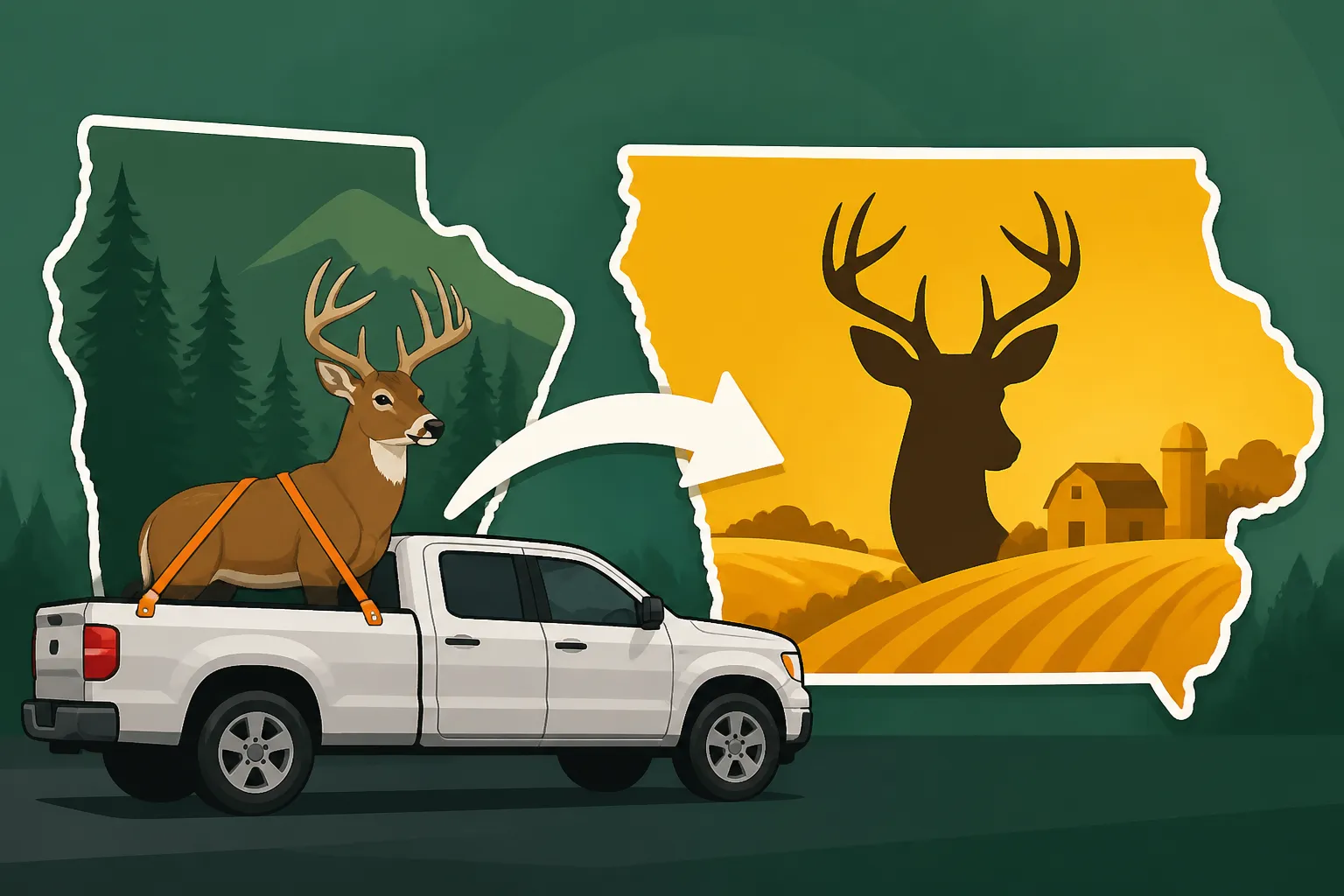
There’s nothing quite like the thrill of a successful out-of-state hunt. You’ve put in the time, faced the elements, and finally tagged that deer you’ve been dreaming about. But then, as the adrenaline fades, a new challenge often sets in: how exactly do you get your hard-earned harvest back home to Iowa without running afoul of the law? The worry about state lines and unfamiliar regulations can really dampen the triumph, turning excitement into anxiety. This guide is here to cut through the confusion and give you clear, actionable steps on legally bringing a deer into Iowa from another state.
The "Why" Behind the Restrictions: Understanding Chronic Wasting Disease (CWD)
It might seem like a bureaucratic headache, but Iowa's strict rules about bringing deer carcasses in from other states aren't just there to make your life difficult. They're a critical defense line against a real and devastating threat: Chronic Wasting Disease (CWD). This isn't your typical illness; CWD is a fatal neurological disease that affects deer, elk, and moose, and it's caused by abnormal proteins called prions. Once an animal contracts CWD, it wastes away over time, showing symptoms like extreme weight loss, stumbling, listlessness, and behavioral changes, ultimately leading to death. What makes it particularly frightening for wildlife management is that there's no cure, no vaccine, and these prions can persist in the environment for years, even decades.
Imagine having a disease that silently spreads through your herd, causing every infected animal to die, and potentially contaminating the soil and plants they interact with. That’s the nightmare scenario wildlife agencies, including the Iowa Department of Natural Resources (DNR), are desperately trying to avoid or contain. When you hear about new rules or restrictions, it's almost always a direct response to the spread of CWD in neighboring or distant states. Iowa has its own battles with CWD, which you can learn more about by reading up on Chronic Wasting Disease in Iowa Deer, and every measure taken is designed to protect our cherished deer population from further exposure and spread. It's a collective responsibility for all of us who love hunting.
How CWD Spreads and Why Carcasses are a Risk
Understanding how CWD moves helps explain why carcass transport is such a big deal. Infected animals shed prions through their saliva, urine, and feces. When a healthy deer comes into contact with contaminated soil, water, or even feed, they can pick up the disease. The most concentrated sources of prions in an infected deer are found in the brain, spinal cord, lymph nodes, and spleen. Think about a hunter bringing a whole deer carcass from a CWD-positive area into Iowa. If that carcass is disposed of improperly – say, in a ditch, a field, or even just left in a landfill where scavengers can access it – those prions can enter Iowa's environment. Once they're there, they're incredibly tough to remove.
Even small fragments of tissue, like bits of spinal cord left on a bone or nerve tissue clinging to a skull, can harbor enough prions to pose a risk. This is why the regulations are so specific about which parts are allowed and which are not. It's not about punishing successful hunters; it's about minimizing the chance of bringing those potent prion sources into Iowa's pristine landscapes, where they could potentially infect our local whitetails. The long-term health of our deer herds for future generations of hunters hinges on careful management and compliance from everyone.
Validating Hunter Frustrations
I get it. You just spent a week hunting in, say, northern Missouri, you finally connected with a fantastic buck, and now you have to practically field dress it again just to cross the state line? It feels like overkill. You're exhausted, maybe a little cold, and all you want to do is get your trophy home and into the cooler or to the taxidermist. The added layer of complexity can be frustrating, especially if you're not familiar with the state's exact CWD status or what specific regulations apply. It’s hard enough to plan an out-of-state hunt, let alone try to navigate a maze of changing carcass rules.
However, these rules are in place because the consequences of ignoring CWD are far worse than the inconvenience of field processing. We've seen the impact of CWD creep into new areas, and it can significantly affect local deer populations and, by extension, hunting opportunities. By taking the extra steps, you're not just following the law; you're actively participating in the conservation efforts that keep Iowa's hunting tradition strong. Tools like the GoHunt app are becoming invaluable resources for hunters precisely because they help clarify these types of regulations quickly, allowing you to plan ahead and avoid unwelcome surprises at the state border. This forward-thinking approach ensures our deer stay healthy and plentiful.
Iowa's Carcass Import Rules: What You Can and Can't Bring Back
Navigating the specifics of Iowa's carcass import rules is crucial. The primary goal of these regulations is to prevent the introduction of CWD-infected materials into the state's deer population. This means there are certain parts of a deer that are explicitly prohibited from entering Iowa, particularly if the deer was harvested in a state or county with known CWD cases. The Iowa DNR website is always your best, most up-to-date source for these regulations, and I highly recommend checking it before every out-of-state hunt. For specific details on reporting and testing, consider reviewing Iowa CWD Sampling and Carcass Rules.
Prohibited Deer Parts
Generally speaking, the parts of a deer most likely to carry CWD prions are the ones that are banned from being imported into Iowa. These typically include:
- Whole Carcasses: You cannot bring a whole, intact deer carcass across state lines into Iowa. This is the most straightforward and fundamental rule.
- Heads: Deer heads, especially those with brain and lymph tissue, are a high-risk item. If you want to keep the antlers, the skull plate needs to be properly cleaned and handled.
- Spinal Columns: The entire spinal column is a major reservoir for CWD prions. This means no bringing in a deer with the spine still in place, even if it's skinned.
- Bones: Most bones, especially long bones and those associated with the skull and spine, are generally prohibited unless completely stripped of meat and tissue.
- Eyes and Other Nervous Tissue: Any part containing nervous tissue is considered high risk.
This might sound like a lot, and it is designed to be comprehensive. The intent is to eliminate the potential for any high-risk tissues from entering Iowa. It's important to be aware that specific counties within a state may have different designations, but often, if any part of a state has CWD, Iowa will implement statewide restrictions for that state to simplify enforcement and err on the side of caution.
Allowed Deer Parts
While the list of prohibited items might seem daunting, there are plenty of ways to bring your harvest home legally. The key is to process the deer in the field or at a commercial processor before crossing into Iowa.
Here’s what you can legally bring back:
- Boned-out Meat: This is your best friend. All meat that has been completely removed from the bone is perfectly legal. This means you’ll be doing a substantial amount of butchering in the field.
- Quarters or Other Large Portions (Boneless): If you break the deer down into quarters, ensure that all bones, especially the spinal column and skull, are removed. Some states allow bringing in bone-in quarters from certain areas, but Iowa's rules are generally stricter to err on the side of caution regarding CWD risk. Always assume boneless is required unless explicitly stated otherwise by the Iowa DNR for your specific situation.
- Hides: A deer hide is generally allowed, provided no head or other prohibited material is attached.
- Capes (for taxidermy): Capes are fine, but the skull plate must be completely removed, and all brain and nervous tissue must be absent. It’s best to have a qualified taxidermist handle this process out of state if you're unsure.
- Antlers: Clean antlers or antlers attached to a skull plate that has been thoroughly cleaned of all meat and brain tissue (often sawed off and boiled) are permissible.
- Finished Taxidermy Mounts: Once a taxidermy mount is completely finished and cleaned, it's generally safe to transport into Iowa.
To visualize these rules, here's a quick table summarizing allowed and prohibited items when bringing a deer from a CWD-affected area into Iowa:
| Allowed Items (Processed) | Prohibited Items (Unprocessed/High-Risk) |
|---|---|
| Boned-out meat (all meat removed from bone) | Whole carcasses |
| Quarters (with all bones removed) | Entire heads (with brain/spinal tissue) |
| Hides (without head or spinal column attached) | Entire spinal columns |
| Clean capes (skull plate & brain removed) | Major bones (femur, humerus, etc., with tissue) |
| Clean antlers (skull plate optional, but clean) | Lymph nodes and spleen |
| Finished taxidermy mounts | Any part containing nervous tissue |
It's a lot to keep track of, but the bottom line is: when in doubt, bone it out. This method ensures you have the least chance of violating any CWD regulations.
Practical Steps for Compliant Transport: Field to Freezer
Okay, so you've harvested your deer out of state. Now comes the moment of truth: getting it ready for the journey back to Iowa. This is where smart planning and a bit of elbow grease in the field (or at a local processor) come into play. The goal is to arrive at the Iowa border with only the allowed parts of your deer, ensuring you don't inadvertently spread CWD.
In-Field Processing for Out-of-State Success
This is perhaps the most practical and foolproof method for ensuring compliance. If you're hunting in a state with known CWD concerns, plan to do a full field breakdown of your deer. This means boning out the animal right where it falls or at a designated game processing area if available.
- Field Dressing First: Start with a standard field dress. Remove all internal organs. If you need a refresher, check out Field Dressing in Warm October Weather. This step is vital for cooling the meat, especially if you're in warmer climates or will be spending significant time boning it out.
- Quartering and Boning Out: This is the critical step. Break the deer down into its primal cuts. Remove the front and hindquarters, the backstraps, and the tenderloins. Then, meticulously bone out all the meat from these sections. You're aiming for pure muscle tissue, completely free of bone, brain, spinal cord, or any other nervous tissue. For a detailed guide on this process, consider Quartering a Deer in the Field. Pack this boneless meat into game bags or coolers immediately.
- Handling the Head for a Mount: If you plan on a shoulder mount, you'll need to remove the cape and skull plate. Carefully skin the cape, ensuring you leave enough hide for the taxidermist. When removing the skull plate, saw it off cleanly, taking care to remove all brain tissue. Many hunters boil the skull plate to ensure it's completely clean of any flesh or membrane. Be extra thorough here, as this is a common point of contention.
- Antlers: If you only want the antlers, simply remove them from the skull, ensuring no brain tissue or skull fragments remain that could carry prions.
- Proper Packaging: Once boned out, package your meat in coolers with plenty of ice. Label everything clearly with your name, the state where the deer was harvested, and the date. This makes for a smoother experience if you happen to be stopped and questioned.
Remember, the emphasis is on cleanliness and thoroughness. Any lingering bits of tissue on bone or skull fragments could be an issue.
Utilizing Out-of-State Processors and Taxidermists
If the idea of boning out a deer in the field isn't appealing, or if conditions don't allow for it, consider using a reputable game processor or taxidermist in the state where you harvested the deer.
- Processor Services: Many processors in popular hunting states are well aware of CWD regulations for surrounding states. They can bone out your deer, package the meat, and ensure it meets Iowa's import requirements. Confirm this with them upfront.
- Taxidermist Services: For your trophy, an out-of-state taxidermist can prepare the cape and skull plate according to Iowa's rules. They'll know how to remove the necessary high-risk tissues, clean the skull plate, and prepare the cape for transport or even complete the mount for you. This often involves freezing or salting the cape for preservation during transport.
- Documentation: Always get proper documentation from any out-of-state professional, including proof of processing and any required CWD testing results from that state if applicable. This can be invaluable if you're stopped.
Using these services can save you a lot of hassle and ensure compliance, though it will add to the cost of your hunt. For those who prioritize efficiency and certainty, it's often a worthwhile investment. And when you're planning these sorts of trips, leveraging modern planning tools can be a huge help. Using resources like the GoHunt platform to research local regulations and services before you leave can save you a lot of headaches after the shot.
Staying Informed and Avoiding Penalties
The responsibility for knowing and following Iowa’s deer carcass import regulations ultimately rests with you, the hunter. Ignorance of the law is never a valid defense, and the consequences of non-compliance can range from frustrating to severe. No one wants their hard-earned trophy confiscated or to face fines, especially after an otherwise successful hunt.
Your Responsibility to Know the Rules
Regulations around CWD and carcass transport are dynamic. As CWD spreads or new scientific information emerges, state rules can change. What was legal last year might not be this year, or what’s okay from one state might be prohibited from another. This makes staying informed a continuous effort.
- Iowa DNR Website: The official Iowa Department of Natural Resources website is your primary source of truth. Always check their specific CWD and import regulations section before you embark on any out-of-state deer hunt. They often provide detailed maps of CWD-positive areas in other states that trigger Iowa's restrictions.
- State Regulation Booklets: Iowa publishes a comprehensive hunting regulation booklet annually. While these are usually released in the summer, around the Iowa Regulation Booklet Release Date, it's always worth a fresh look before your hunt.
- Out-of-State Regulations: Equally important is understanding the regulations of the state you plan to hunt in. They might have their own CWD testing requirements, carcass disposal rules, or even internal zone restrictions that affect how you process your deer there.
- Hunting Apps and Resources: Modern hunting apps like GoHunt can be incredibly helpful. Many provide up-to-date state-by-state regulation summaries, CWD maps, and contact information for local wildlife agencies, giving you quick access to the information you need in the field. Don't rely solely on third-party apps, but use them as a strong starting point and cross-reference with official state sources.
A good practice is to print out the relevant sections of both Iowa's and your destination state's regulations and keep them with your hunting license. This provides immediate proof of your due diligence if you're ever questioned.
Consequences of Non-Compliance
The penalties for violating carcass import rules are in place to deter the spread of CWD. These are not minor infractions, and conservation officers take them very seriously.
- Confiscation: The most immediate and heartbreaking consequence is often the confiscation of your deer. All the meat, antlers, and cape you worked so hard for could be seized and destroyed.
- Fines: You can face significant fines. These monetary penalties can easily run into hundreds or even thousands of dollars, depending on the severity of the violation and specific state laws.
- Loss of Hunting Privileges: In more egregious cases, or for repeat offenders, you could face the suspension or revocation of your hunting privileges in Iowa and potentially in other states as well through interstate compacts.
- Legal Charges: In some circumstances, severe violations could even lead to misdemeanor charges, resulting in a criminal record.
It's a tough pill to swallow, but remember, the goal is to protect Iowa's deer and the future of hunting here. Taking a few extra minutes to properly process your deer or consult with a local professional is a small price to pay compared to the potential loss and legal headaches. If you ever encounter a deer that appears sick or exhibits CWD-like symptoms, it's crucial to know how to respond and Reporting a Sick Deer in Iowa is a vital step in our collective Iowa Wildlife Disease Monitoring efforts.
What to Do if Stopped
If you're stopped by a conservation officer or law enforcement at the state line or during a routine check, remain calm and cooperative.
- Be Honest: Clearly state where you harvested the deer and what parts you are transporting.
- Provide Documentation: Have your hunting license, tags, and any processing receipts or CWD test results ready.
- Explain Your Process: Be prepared to explain how you prepared the deer to comply with Iowa's regulations (e.g., "I boned out all the meat and cleaned the skull plate for my taxidermist").
- Ask Questions: If you're unsure about a specific regulation or something an officer is asking, don't hesitate to politely ask for clarification.
Most officers are there to ensure compliance and educate hunters, not just to penalize them. Your honesty and willingness to cooperate go a long way. By taking these precautions and understanding the "why" behind the rules, you can ensure your out-of-state hunting adventure ends with a successful and legal return home to Iowa.
Disclaimer
The information provided in this article is for general guidance only and is not a substitute for official legal advice or current regulations. Hunting laws and CWD regulations are subject to change. Always consult the official Iowa Department of Natural Resources website or contact them directly for the most up-to-date and specific information before undertaking any hunting activities or transporting game across state lines.