Why Iowa Produces Big Whitetail Bucks
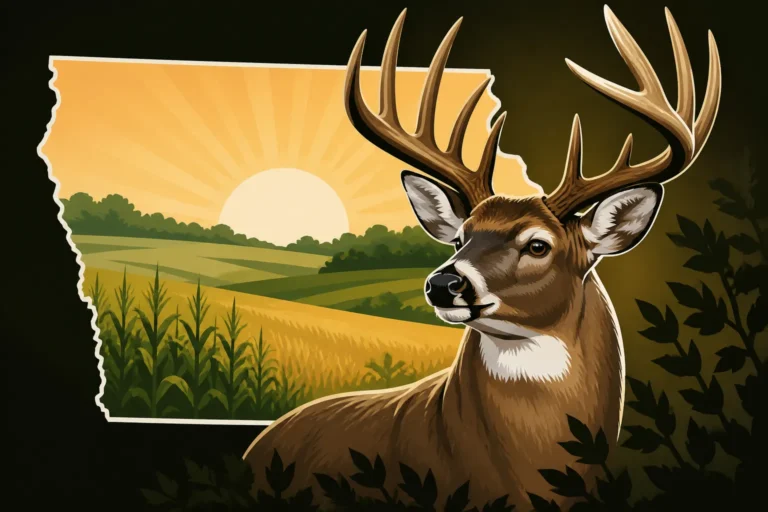
Let's be real for a moment: if you've ever scrolled through hunting forums or social media during deer season, you've probably seen the jaw-dropping photos of Iowa bucks. Those monster whitetails with racks that look like they belong in a museum, not just the back of a truck. It makes you wonder, "What in the world is going on in Iowa that produces these absolute giants?" Well, you're not alone in asking that question, and the good news is, it's not some secret handshake or hidden magic. It's a perfect storm of specific environmental factors, dedicated wildlife management, and a strong hunting culture. In this comprehensive guide, we're going to pull back the curtain and explain exactly why Iowa consistently punches above its weight when it comes to growing world-class whitetail deer.
The Foundation: Genetics, Nutrition, and the Land Itself
When we talk about growing big deer, it all starts with the basics: what they eat and how long they live. Iowa has an almost unfair advantage in both these departments, thanks to its incredible natural resources and the way the land is managed.
Rich Iowa Soils and Agricultural Abundance
The first, and arguably most significant, factor in Iowa's trophy buck production is its soil. We're talking about some of the richest, most fertile topsoil on the planet, a legacy of ancient glaciers and countless years of natural processes. This isn't just good for farmers; it's a game-changer for deer.
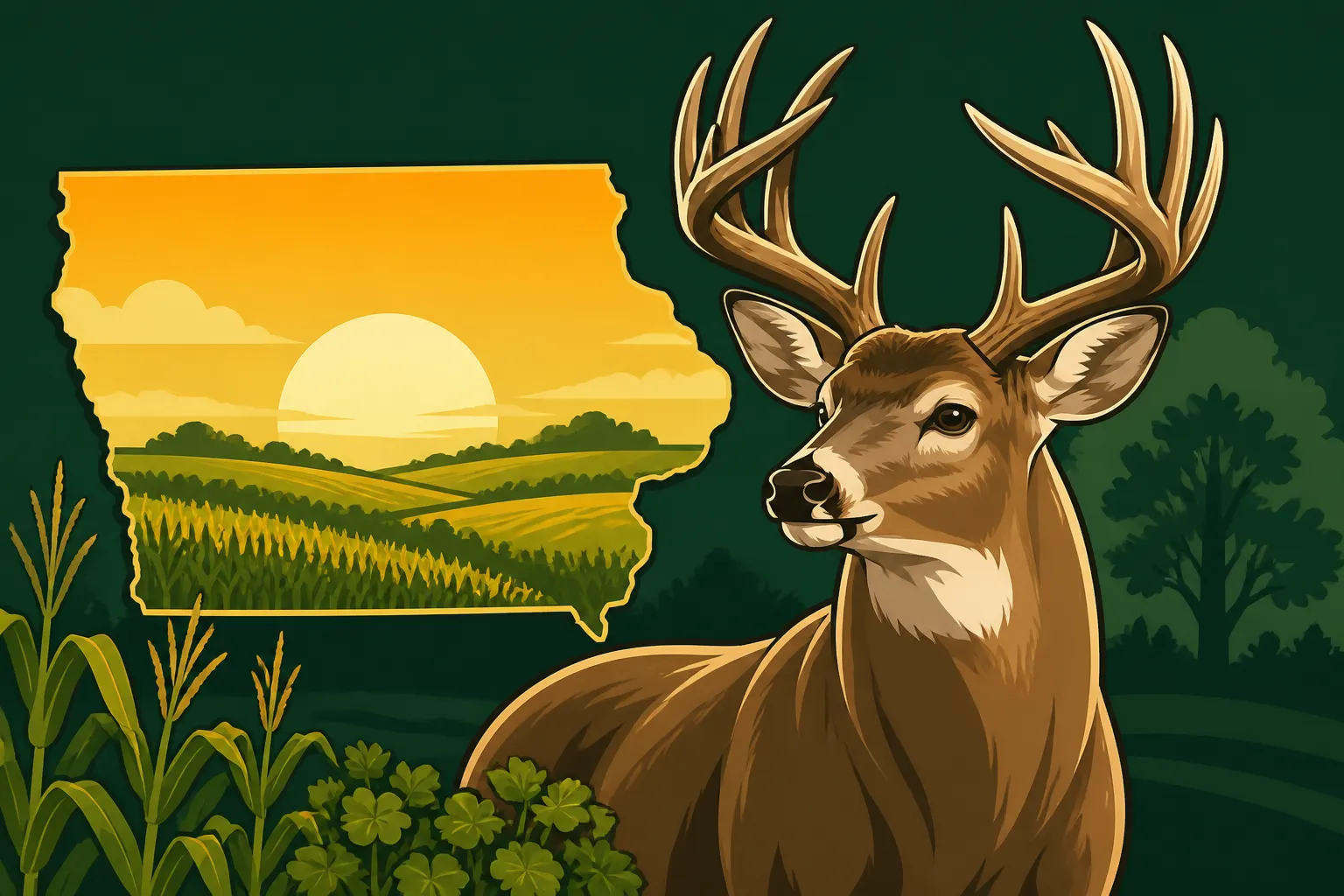
This prime real estate translates directly into incredibly nutrient-dense crops, primarily corn and soybeans. Deer are creatures of opportunity, and in Iowa, opportunity is everywhere. They literally live in a buffet line from late summer through winter. Corn, especially, is a high-calorie, high-energy food source that deer absolutely thrive on. It helps them pack on fat reserves for the brutal Iowa winters and provides the essential building blocks for robust body growth. Soybeans, on the other hand, are protein powerhouses, critical for muscle development and, you guessed it, impressive antler growth. Bucks need a huge amount of protein to grow those bony structures on their heads, and Iowa's soybean fields deliver in spades. It's like a natural supplement program for every deer in the state. Imagine a deer spending its entire life browsing on these incredibly rich food sources; the results are bound to be spectacular. This constant access to superior nutrition is a key part of Why Iowa Produces Big Whitetail Bucks.
Superior Genetics and Management Philosophy
While diet is crucial, deer also need the right genetic potential to express that nutrition in impressive antler growth. Iowa's herd has a long history of excellent genetics, coupled with a management approach that allows those genetics to flourish. It’s not just about what they eat, but also who gets to eat it and reproduce.
Historically, Iowa had relatively low deer populations, and as the herd grew, it did so with a strong genetic base. Fast forward to today, and the state's conservative harvest strategies, particularly for bucks, have cultivated a truly exceptional age structure. What does that mean for you? It means more bucks are simply allowed to live long enough to reach their full potential. A 1.5-year-old buck might have a decent rack, but a 4.5 or 5.5-year-old buck, having survived several hunting seasons and feasted on countless acres of corn and beans, is a completely different animal. This focus on allowing bucks to mature means that each generation often has the chance to pass on those genes for robust body size and impressive antlers. You can dive deeper into Buck Age Structure in Iowa to see how this plays out in the numbers. This natural selection, combined with abundant food, ensures that the genes for growing massive racks are continually present and expressed within the herd.
Habitat Diversity and Sanctuary
Even with perfect genetics and unlimited food, deer need safe places to live, breed, and escape pressure. Iowa's landscape, though heavily agricultural, provides an incredible mosaic of habitat that offers exactly that.
Interspersed Timber, CRP, and Crop Fields
Iowa's deer aren't living in vast, unbroken forests. Instead, they thrive in a patchwork quilt of cover that provides everything they need within a relatively small home range. Picture this: a block of mature timber, thick with oaks and maples, transitions into a dense stand of CRP (Conservation Reserve Program) grass, which then abuts a sprawling cornfield. This isn't just pretty scenery; it's a whitetail paradise.
The timber blocks provide thermal cover in winter, shade in summer, and mast crops like acorns when available. The CRP grasslands are absolute sanctuaries, offering incredibly dense bedding cover where deer, especially mature bucks, can disappear entirely. They offer concealment from predators, both four-legged and two-legged, and crucial fawning cover in the spring. Then, right next door, are those golden corn and bean fields, providing an endless food source and even more cover once the crops get tall. This diverse mix means deer can bed down securely, often just a stone's throw from their primary food source, minimizing their movement in the open. This strategic layout of CRP Acres and Iowa Deer Numbers and crop edges is a major reason bucks can grow old and rarely expose themselves unnecessarily. You can almost always find a deer Reading an Iowa Timber Draw for Deer Sign leading right into a bedding area.
River Bottoms and Creek Corridors
Another unsung hero of Iowa's whitetail habitat is its intricate network of river bottoms and creek corridors. These natural features crisscross the landscape, often creating ribbons of wild, undisturbed cover even in heavily farmed areas.
These riparian zones typically feature thicker, gnarlier vegetation – think multiflora rose, tangled briars, and dense undergrowth – that offers fantastic bedding and escape cover. More importantly, they act as natural travel corridors. Bucks, being inherently cautious, will often use these protected pathways to move between bedding areas, food sources, and different parts of their home range, avoiding open fields and human disturbance. In the fall, during the rut, these corridors become superhighways for cruising bucks looking for does. They offer excellent thermal protection from harsh winter winds and can even provide emergency food sources like woody browse during periods of heavy snow. You'll find deer patterns often concentrate in these areas, making Hunting a Narrow Creek Corridor a truly effective tactic. These areas are often less accessible to humans, creating natural sanctuaries where mature bucks can truly feel safe.
Hunting Pressure and Age Structure
It's a delicate balance: you need enough hunting to manage the herd, but not so much that you deplete the mature buck population. Iowa has found a sweet spot, largely due to its approach to nonresident hunting and a strong conservation ethic among its hunters.
Nonresident Draw and Limited Opportunity
For many hunters outside the state, Iowa is a dream destination, but it's not a free-for-all. The state wisely implemented a nonresident draw system, which, while sometimes frustrating for those trying to get a tag, is a critical component of its success. This system limits the number of hunters who can pursue deer, especially during prime seasons like the first shotgun season.
Nonresidents have to apply through a preference point system, and it can take several years to draw a coveted "any-deer" tag in the most sought-after zones. Services like GoHunt are invaluable for understanding the odds and strategizing your application. This controlled access means that the overall hunting pressure on the deer herd, particularly mature bucks, is significantly lower than in many other states. Fewer hunters in the woods directly translates to a higher percentage of bucks surviving to older age classes. You can learn more about Iowa Nonresident Deer Draw Explained and How Many Points to Draw Iowa if you're thinking of throwing your hat in the ring. This system effectively creates a natural buffer, allowing bucks to age and express their genetic potential.
Hunter Ethic and Selective Harvest
Beyond regulations, there's a deeply ingrained culture among many Iowa hunters that contributes to the state's trophy buck reputation. While Iowa does not have Antler Point Restrictions (APR's) in most areas – meaning hunters can legally harvest any antlered buck – there's a prevalent ethic of letting younger bucks walk.
Many resident hunters, who have the luxury of over-the-counter tags, voluntarily pass up smaller bucks, opting to wait for a truly mature animal. This "quality over quantity" mindset, coupled with the high odds of seeing a mature buck, reinforces the growth of big deer. When a significant portion of the hunting community prioritizes allowing bucks to reach 3.5, 4.5, or even 5.5 years old, the herd benefits immensely. This self-imposed restraint means that the state's management goals are often amplified by hunter behavior. Furthermore, the DNR sets specific Iowa Antlerless Harvest Numbers each year to maintain a healthy buck-to-doe ratio, which also plays a role in buck behavior and antler quality. This combination of regulated and voluntary restraint is a potent recipe for growing truly magnificent deer.
Water, Minerals, and Other Contributing Factors
While food, cover, and limited pressure are the big three, several other environmental elements contribute to Iowa's status as a whitetail mecca.
Abundant Water Sources
Deer need water daily, especially during the hot early archery season or the strenuous rut. Iowa's landscape, with its numerous creeks, rivers, ponds, and wetlands, provides an incredibly consistent and widely distributed supply of fresh water.
Even during drier periods, deer in Iowa rarely have to travel far to find a drink. This constant access to water minimizes stress and keeps deer hydrated, which is crucial for overall health and, by extension, antler development. You don't see deer congregating at a single waterhole like they might in arid regions; instead, they have their pick of sources scattered throughout their home range. This abundance means that unlike in some other regions, deer in Iowa aren't struggling for basic necessities, allowing their energy to be focused on growth and reproduction. For hunters, knowing Finding Water in Dry Southern Iowa can be a great late-season strategy.
Mineral Availability
Iowa's fertile soils aren't just great for growing crops; they're also rich in naturally occurring minerals that are essential for deer health and antler growth. Calcium, phosphorus, and other trace minerals are readily available in the vegetation deer consume.
While many hunters might buy mineral supplements for their deer, Iowa deer are getting a significant boost from their natural environment. The combination of rich soil, high-quality forage, and agricultural inputs (which, while primarily for crops, inevitably introduce some beneficial elements into the ecosystem) ensures that deer have access to the micronutrients needed for strong bone structure and impressive racks. This natural mineral intake complements their protein and calorie-rich diet, forming a comprehensive nutritional package that allows those genetics for big antlers to fully express themselves.
Summary of Iowa's Trophy Buck Success
To recap, Iowa's consistent production of giant whitetails isn't a fluke. It's the result of a powerful synergy between incredible natural resources, strategic management, and a dedicated hunting community.
| Factor | Contribution to Trophy Bucks | Impact |
|---|---|---|
| Rich Soil & Agriculture | Nutrient-dense corn and soybeans provide high calories and protein. | Exceptional body size, robust antler growth, high deer density. |
| Superior Genetics | Historical herd development and conservative management. | Strong genetic potential for large antlers and body size. |
| Age Structure | Limited nonresident tags and hunter self-restraint allow bucks to mature. | Higher percentage of older-age-class bucks with fully developed racks. |
| Habitat Diversity | Interspersed timber, CRP, and crop fields offer optimal food, cover, and security. | Reduced stress, increased survival rates, minimal movement in the open. |
| River & Creek Corridors | Natural travel lanes and dense cover; provide sanctuary and movement security. | Safe movement between resources, less exposure to hunting pressure. |
| Abundant Water | Widespread availability of water sources. | Reduces stress, supports overall health and antler development. |
| Natural Minerals | Fertile soils provide essential minerals in forage. | Stronger bone structure, enhanced antler growth. |
| Hunting Pressure | Controlled nonresident access and ethical hunting practices. | Lower overall pressure, allowing bucks to live longer and grow larger. |
When you put all these pieces together – the food, the cover, the genetics, the management, and the hunting culture – it's easy to see why Iowa stands out. It's a testament to what happens when prime conditions align to create an environment where whitetail deer can truly thrive. For anyone dreaming of a world-class buck, Iowa remains one of the premier destinations, and understanding these factors is the first step in appreciating the state's incredible deer herd.
Disclaimer
This article is for general informational purposes only and does not constitute professional advice. Laws, prices and regulations vary by location and change over time. Consult a qualified professional for guidance on your specific situation.