How Many Iowa Deer Have Tested Positive for CWD
When you're out chasing whitetails in Iowa, there's always a lot on your mind – scouting, gear, weather, and the sheer thrill of it all. But for many of us, the shadow of Chronic Wasting Disease (CWD) is a growing concern. Hunters are naturally curious, and sometimes even worried, about the health of the deer herd, especially about how many deer in Iowa have actually tested positive for CWD. It's a question that weighs on a lot of us, wondering if this disease is impacting our beloved deer and the hunting opportunities we cherish. This guide will dive deep into what we know about CWD in Iowa, how it's monitored, and what those detections truly mean for you and your hunting season.
The Reality of Chronic Wasting Disease in Iowa's Deer Herd
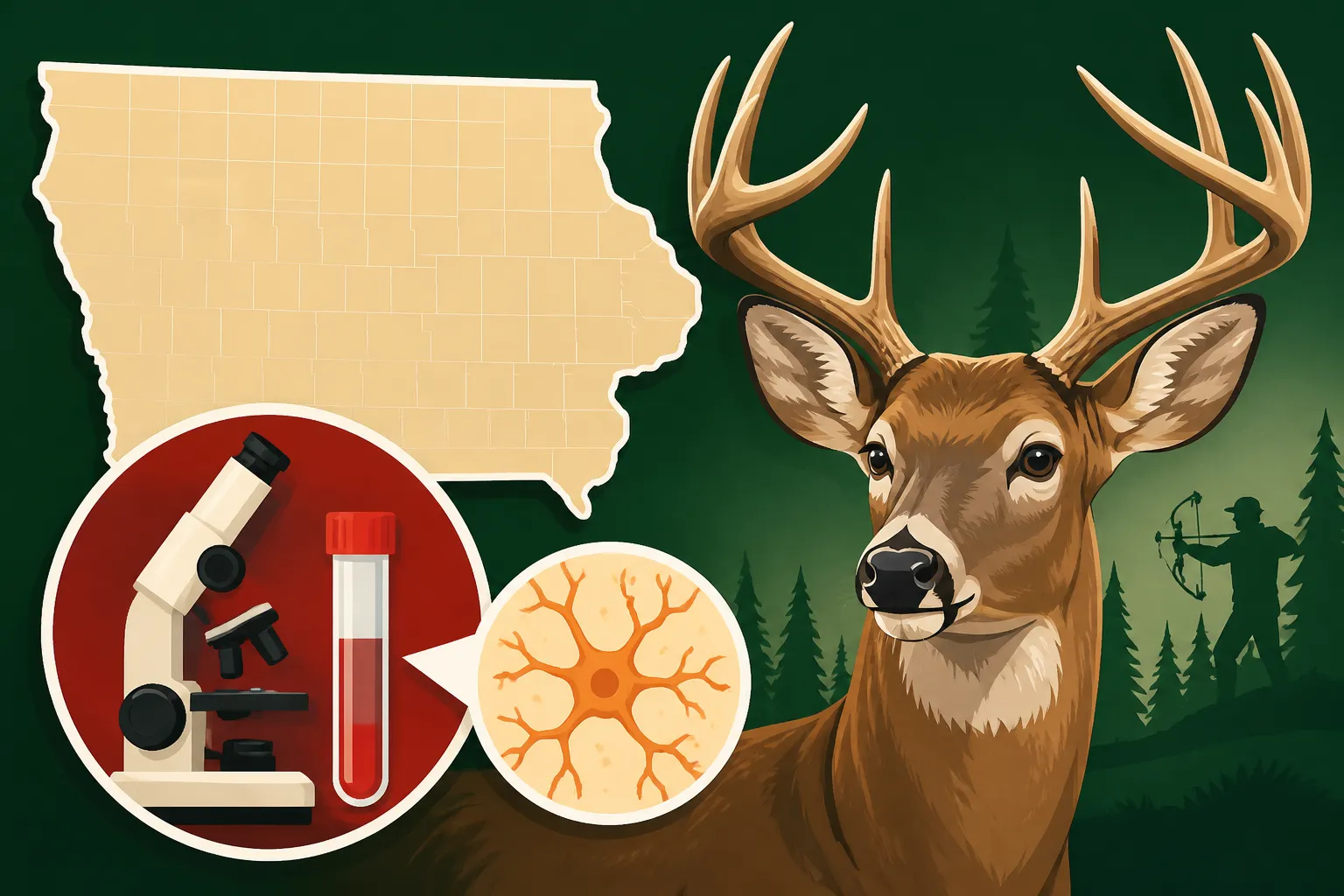
CWD is a truly serious issue, a neurological disease that affects deer, elk, and moose. It's always fatal, and unfortunately, there's no vaccine or cure. For us Iowa hunters, the biggest question is how widespread it really is here. The Iowa Department of Natural Resources (DNR) takes CWD very seriously, implementing a robust surveillance program to monitor the health of our deer population. It's a constant, ongoing effort to detect, track, and manage this disease, relying heavily on samples collected from harvested deer each season.
Where CWD Has Been Detected in Iowa
CWD isn't something that appeared everywhere in Iowa all at once. Like a slow-moving front, it has shown up in specific areas first, and then careful monitoring has sometimes revealed further detections. The very first positive case in Iowa was identified years ago in a wild deer in Allamakee County, tucked away in the beautiful, rugged "Driftless Area" of northeast Iowa. This was a significant moment, confirming what many states around us had already experienced. Since that initial detection, other isolated positives have emerged in various pockets across the state, often in counties that share borders with other states where CWD is established, such as Wayne and Appanoose counties in southern Iowa.
It’s crucial to understand that a positive detection in a county immediately triggers heightened surveillance and management actions. The DNR doesn't just find a case and forget about it; they focus resources on those specific areas, often designating them as CWD management zones. This targeted approach aims to get a clearer picture of the disease prevalence in those localized herds. You can often find information on specific CWD zones through resources like the Iowa DNR's Hunter Atlas, which can be incredibly helpful for planning your hunts.
How Iowa Monitors and Tracks CWD
The backbone of Iowa's CWD monitoring program is the collection and testing of deer tissue samples. This isn't just a random effort; it’s a strategic, statewide surveillance system. Each year, during the various deer seasons, the DNR designates certain counties or specific areas as priority surveillance zones. In these areas, hunters might be required or strongly encouraged to submit their harvested deer for CWD testing. This gives wildlife biologists the crucial data points they need to understand the disease's distribution and prevalence.
Hunters play an absolutely vital role in this process. Without voluntary submissions and participation in mandatory testing, the DNR would have a much harder time gathering enough samples to draw meaningful conclusions. Think of it as a community effort: every deer sampled contributes to a larger understanding of the disease, helping to protect the overall health of Iowa's deer herd. The information on How CWD Testing Works on a Deer can provide more insight into the process. The DNR works diligently to make the submission process as straightforward as possible, often setting up convenient drop-off locations or working with local locker plants.
The Progression of CWD Detections Over Time
The story of CWD in Iowa isn't a static one; it's a dynamic, evolving situation. When CWD was first detected, it was a major concern, but the number of positive cases remained relatively low for a period. However, as surveillance efforts have continued and expanded, the number of detected cases has, unfortunately, slowly increased. It's important to note that this increase isn't necessarily a sign that the disease is suddenly exploding across the entire state. Rather, it often reflects more intensive testing in specific areas where the disease is known to be present, or the natural, albeit slow, spread of the disease into adjacent territories.
The DNR consistently updates its data regarding CWD detections, which is publicly available. While I cannot provide specific, real-time numbers, the overall trend has shown a gradual and localized increase in positive deer found within those designated CWD management zones. The disease tends to be more prevalent in specific areas rather than uniformly distributed across the entire state. This localized pattern is why the DNR focuses its management efforts on these particular regions, implementing strategies that aim to slow the spread and manage the prevalence within those areas. Understanding How Many Iowa Counties Have CWD provides a geographical context to this progression.
Understanding the Numbers: What CWD Positives Mean for Hunters
Encountering reports of CWD positive deer can be unsettling. It’s natural to feel a mix of concern for the deer, apprehension about hunting in affected areas, and questions about the safety of consuming venison. But understanding the context of these numbers and what they mean for you as a hunter is key to moving forward responsibly.
The Role of Mandatory and Voluntary Testing
In Iowa, the DNR uses a combination of mandatory and voluntary testing to gather the necessary data. Mandatory testing is typically implemented in specific CWD management zones or counties where the disease has been detected, or in areas bordering other CWD-positive regions. When hunting in these areas, you'll be required to submit a sample from your harvested deer within a certain timeframe. This isn't just a hoop to jump through; it's a critical component of the state's surveillance strategy.
Voluntary testing, on the other hand, is offered in many other counties, often at no cost to the hunter. While not required, participating in voluntary testing is a fantastic way to contribute to the overall health monitoring of Iowa's deer. It provides broader baseline data that helps biologists track potential new areas of concern. Whether mandatory or voluntary, remember that each sample submitted provides invaluable information, helping the DNR make informed decisions about herd management and disease control. Staying updated on Iowa CWD Mandatory Sampling Counties is crucial before your hunt.
Interpreting CWD Data and Maps
When you look at CWD data and maps provided by the DNR, you might see dots representing positive detections or shaded areas indicating CWD zones. It's important to interpret this information with a clear head. A single dot on a map doesn't mean the entire county is overrun with CWD; it means a positive deer was found in that general vicinity. Similarly, a CWD management zone means that the disease has been detected and the DNR is focusing its efforts there.
These maps are tools for understanding risk and guiding management, not necessarily for causing alarm. They show where the disease has been confirmed, allowing hunters to make informed decisions about where they hunt, how they process their deer, and whether they choose to get their venison tested. Resources like the Iowa DNR's website and detailed hunting atlases can help you visualize this data. Many hunters use tools, perhaps even a subscription like GoHunt, to help visualize these zones and plan their hunts, allowing them to make more informed decisions about where to focus their efforts and what regulations might apply.
Practical Steps for Hunters in CWD Zones
If you find yourself hunting in a CWD-positive area or a designated management zone, there are practical steps you can take to minimize any potential risks and contribute positively to the management effort. First and foremost, be prepared to follow all mandatory testing requirements. This usually involves dropping off the head of your harvested deer at a designated station or having it sampled by a cooperating locker plant.
Secondly, consider your carcass transport. To prevent inadvertently spreading CWD, Iowa has strict regulations on Iowa Carcass Transport Restrictions. Generally, you're encouraged to process your deer within the county it was harvested in, removing all high-risk parts (brain, spinal cord, lymph nodes) before transporting the meat or antlers out of the zone. If you must transport a whole carcass, be aware of the rules. Finally, if you're concerned about consumption, particularly from a known CWD-positive area, consider getting your harvested venison tested. While scientific consensus is that CWD is not known to be transmissible to humans, many hunters prefer the peace of mind. For more details, consider reading Is CWD Dangerous to Hunters?.
Iowa's Strategy for CWD Management and Hunter Involvement
Iowa's approach to CWD is comprehensive, focusing on early detection, strategic management, and strong partnerships with hunters. It's a long-term challenge, and effective management relies on collective effort.
DNR's Approach to Containment and Surveillance
The Iowa DNR employs a multi-pronged strategy to address CWD. At its core, this involves extensive surveillance through hunter-harvested samples, often targeting specific age classes of deer (like adult bucks) which tend to have a higher likelihood of detection. When CWD is found in a new area, the DNR often establishes a "containment zone" or "management zone" where increased surveillance and specific harvest regulations may be put into place. These regulations might include allowing additional antlerless tags or extending hunting opportunities in an effort to manage deer densities, which can influence disease transmission rates.
The goal isn't necessarily eradication – which is nearly impossible once CWD is established – but rather to keep prevalence rates low and to prevent the widespread geographic expansion of the disease. This is where Iowa Deer Herd Management and Harvest strategies come into play, tailoring efforts to specific local conditions. The DNR also works closely with neighboring states to share information and coordinate efforts, recognizing that wildlife doesn't respect state lines.
Hunter Contributions to CWD Monitoring
As mentioned, hunters are absolutely indispensable in the fight against CWD. Every deer that gets tested, whether mandatory or voluntary, provides invaluable scientific data. But your contribution goes beyond just submitting samples. Hunters are often the first to notice unusual behavior in deer. If you see a deer exhibiting symptoms consistent with CWD – things like extreme weight loss, drooling, stumbling, or a generally disoriented appearance – it's crucial to Reporting a Sick Deer in Iowa to the DNR immediately. These observations can provide critical early warning signs, guiding where surveillance efforts need to be intensified.
Furthermore, following all regulations, especially those pertaining to carcass transport and baiting (which is often restricted in CWD zones to prevent unnatural congregation of deer), helps to minimize potential disease transmission. Your active participation and adherence to rules directly impact the success of Iowa's CWD management efforts. Remember, the health of the deer herd is a shared responsibility, and every hunter plays a part.
Safe Practices for Handling and Processing Deer
Even outside of CWD zones, practicing good hygiene and safe handling techniques when processing any deer is always a good idea. Wear gloves, minimize contact with the brain and spinal cord, and use separate knives for boning out meat versus handling internal organs. These are just good practices for any wild game.
When in a CWD-positive area, these precautions become even more relevant. If you choose to process your deer yourself, dispose of any high-risk parts (brain, spinal cord, eyes, lymph nodes) in an approved landfill or follow specific DNR guidelines for disposal within the county of harvest. This prevents potentially infectious prions from entering the environment in new areas. If you use a commercial locker plant, verify that they are aware of and follow CWD best practices, especially if you harvested your deer in a CWD management zone. Knowing these procedures for field dressing and processing can help prevent the potential spread of CWD and keep your venison safe for consumption.
Ultimately, while CWD is a serious concern, the key is informed action and cooperation. By understanding the data, adhering to regulations, and actively participating in monitoring efforts, Iowa hunters can continue to enjoy their passion while contributing to the long-term health of our incredible whitetail herd. Keep an eye on official DNR communications for the latest updates, as rules can change. You can often find this information when Iowa Deer Applications Open or in the Iowa Regulation Booklet Release Date.
| Aspect of CWD | Description | Hunter's Role in Management |
|---|---|---|
| Disease Type | A fatal neurological disease affecting deer, elk, and moose. Not caused by bacteria or viruses, but by abnormal proteins called prions. | Be vigilant for signs in live deer; contribute to early detection. |
| Transmission | Spreads through direct contact with infected animals, and indirectly through environmental contamination (saliva, urine, feces, carcass parts). | Minimise direct contact with sick/dead deer; follow carcass disposal rules. |
| Symptoms | Weight loss, excessive drooling, stumbling, listlessness, behavioral changes, blank stare. Progression is slow, often taking months or years. | Report any deer exhibiting these symptoms to the Iowa DNR. |
| Impact on Herd | Can lead to declines in local deer populations, particularly affecting older age classes of bucks; can shift herd demographics. | Participate in harvest recommendations to help manage disease prevalence in local herds. |
| Testing | Tissue samples (lymph nodes, brain stem) are tested from harvested deer. Mandatory in CWD zones, voluntary elsewhere. | Submit harvested deer for testing if required or strongly encouraged in designated areas. |
Disclaimer
This article is for general informational purposes only and does not constitute professional advice. Laws, prices and regulations vary by location and change over time. Consult a qualified professional for guidance on your specific situation.