How Many Iowa Counties Have CWD
The spread of Chronic Wasting Disease (CWD) is a real and growing concern for every deer hunter in Iowa, casting a shadow of uncertainty over our hunting heritage and the health of our beloved whitetail herd. It's a challenging topic, one that brings up questions about everything from deer populations to how we manage our hunting seasons. This guide aims to shed light on how CWD manifests across Iowa's landscape, helping you understand the current situation and what it means for your hunting plans, providing context without any definitive numbers that change by the day.
The Reality of CWD in Iowa: A Shifting Landscape
When we talk about CWD in Iowa, it’s not just a theoretical concept anymore; it's a tangible reality that has unfortunately expanded since its initial discovery. Hunters are naturally curious, and often worried, about which specific areas are affected, and for good reason. Understanding the geographical reach of CWD is crucial for making informed decisions about where and how you hunt, and what precautions you might need to take.
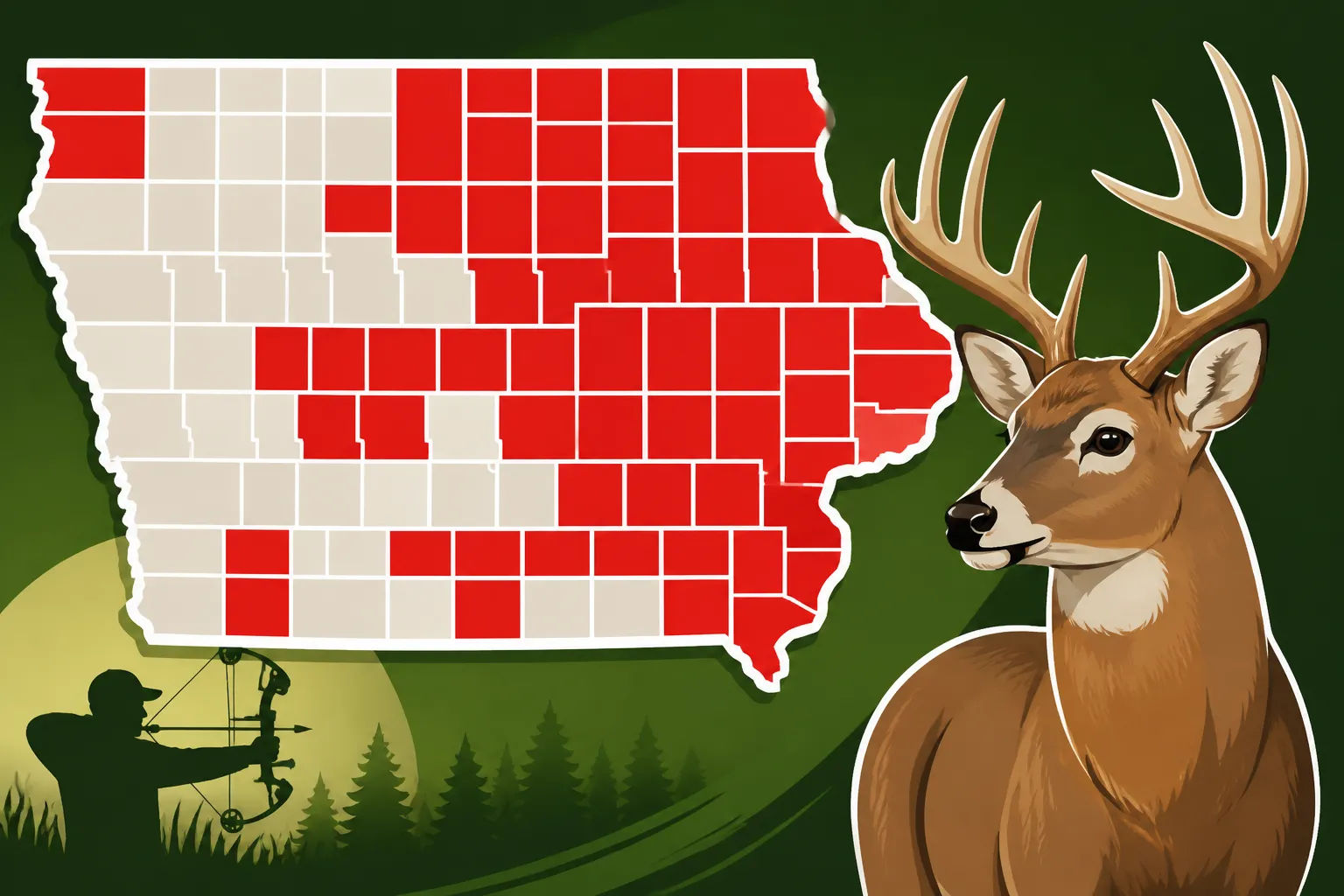
Initially, CWD was found in a very localized area, often near our state borders where deer populations intermingle with those from neighboring states that have had CWD longer. Think of it as a ripple effect; once a presence is established, it can gradually expand. Over time, state wildlife agencies have identified CWD-positive deer in more and more counties, necessitating ongoing surveillance and management efforts. This isn't a static map; it's a dynamic situation where new detections can shift the boundaries of known CWD presence. Many hunters rely on resources like the Iowa DNR's official maps or even platforms like GoHunt for tracking these changes, as staying current is a constant effort. The focus isn't just on counties with confirmed cases, but also on adjacent areas that are at high risk due to deer movement patterns. It really emphasizes the importance of understanding game movements, as covered in topics like Whitetail Home Range in Farm Country.
The expansion of CWD isn't necessarily a rapid, overnight takeover of the entire state, but rather a slow, persistent creep. It often starts with a few isolated detections, leading wildlife biologists to designate those areas as CWD management zones. From there, more intensive monitoring, often including increased sampling of harvested deer, helps to determine the true prevalence and extent of the disease. This is why you'll often hear about specific counties being designated for mandatory CWD sampling, a vital step in tracking the disease’s progression. This vigilance is a testament to the state's commitment to understanding and mitigating the impact of CWD on our valuable deer herd.
Tracing the Path: How CWD Has Spread Across Iowa
The story of CWD in Iowa is one of careful detection and ongoing monitoring, beginning with its first confirmed cases and evolving as our understanding of the disease grows. For hunters, seeing how CWD has gradually made its presence known across the state is a sober reminder of the challenges facing deer management. The initial detections often acted as alarm bells, signaling that this insidious disease had indeed breached our borders.
First Detections and Initial Response
The first instances of CWD in Iowa were significant milestones, typically occurring in the deer herd in specific counties, often those bordering states where CWD was already established. These initial positive tests triggered immediate action from wildlife officials, including enhanced surveillance efforts in the surrounding areas. It's a bit like a detective story, where each positive deer sample provides a clue to the disease's distribution. This is a critical aspect of how we manage Chronic Wasting Disease in Iowa Deer. Hunters played a huge role early on, too, through their voluntary participation in submitting samples, demonstrating the true partnership between the hunting community and conservation.
When CWD is first detected in a county, it’s usually not a widespread outbreak but rather isolated cases. This often leads to the establishment of CWD management zones, which are areas where specific regulations are put into place to try and contain or slow the spread. These regulations can include carcass transport restrictions, prohibitions on feeding deer, and often, mandatory CWD sampling during certain deer seasons. Understanding these rules is crucial for any hunter operating in or near these zones. The initial response is all about gathering more data and trying to understand the full scope of the problem.
Factors Influencing CWD Expansion
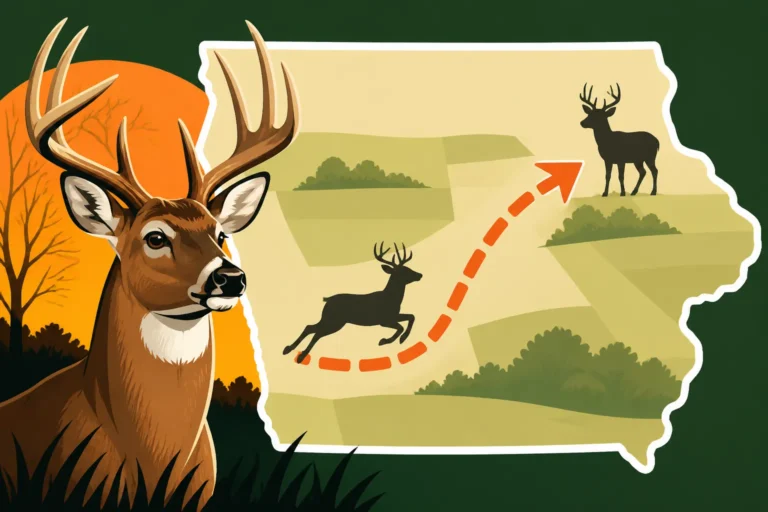
Several factors contribute to the gradual expansion of CWD across Iowa’s counties. One of the primary drivers is simply deer movement. Bucks, especially young bucks, can travel significant distances during the rut or when dispersing from their birth areas, potentially carrying the disease to new regions. These movements can easily take them from one county to another, effectively expanding the disease's footprint. Our rich agricultural landscape, while providing abundant food, also creates complex deer movement patterns that can inadvertently aid in CWD transmission. You can really get a sense of this by studying Whitetail Home Range in Farm Country and thinking about how far a buck might actually roam in a single season.
Another contributing factor is the density of the deer herd itself. In areas with higher deer densities, the probability of deer interacting with each other, and thus transmitting the disease, can increase. While Iowa is known for its healthy deer population, managing these numbers in certain areas becomes even more critical when CWD is present. Furthermore, the persistence of prions (the infectious agents of CWD) in the environment, primarily through saliva, urine, and feces, means that once a spot is contaminated, it can remain a source of infection for other deer for an extended period. This environmental persistence makes CWD a particularly challenging disease to manage and prevent from spreading to How CWD Spread Across Iowa Counties. This is why proactive measures, even in seemingly unaffected counties, are so vital for the long-term health of the deer herd.
Navigating CWD: Information and Hunter Responsibilities
As hunters, we are often the first line of defense and observation when it comes to wildlife health. Understanding your role and responsibilities in the face of CWD isn't just about following rules; it's about being a conscientious steward of the resource we cherish. The disease impacts not only our opportunities but the future of deer hunting in Iowa.
Identifying Affected Areas and Staying Informed
Staying informed about which counties have CWD is a critical part of being a responsible hunter. The Iowa Department of Natural Resources (DNR) regularly updates information regarding CWD detections and management zones. This information is typically available on their official website, often accompanied by maps that outline areas of concern. Many hunters also find online resources like GoHunt useful for checking the latest regulatory updates and applying for tags, which can be linked to specific CWD rules in certain zones. Checking the Iowa DNR's annual hunting regulations booklet, which usually details specific CWD management zone requirements, is also essential. Remember that these boundaries and rules can change, so making it a habit to check for the most current information before each season is a wise move. For instance, knowing if you're hunting in one of the Iowa CWD Mandatory Sampling Counties can significantly alter your post-harvest plans.
Beyond just knowing which counties have CWD, it’s helpful to understand the types of areas that are typically identified. This often involves:
- Confirmed CWD Counties: These are areas where CWD-positive deer have been definitively identified. These counties typically have the most stringent regulations regarding carcass transport and sampling.
- Surveillance Counties: These are often adjacent to confirmed CWD counties or are otherwise deemed high-risk. While CWD might not have been confirmed there yet, intensive monitoring and sampling efforts are underway to detect any potential presence early.
- Historically Low-Risk Counties: These are areas where CWD has not been detected and are not immediately adjacent to known positive areas. However, surveillance still occurs, as the disease can theoretically appear anywhere.
| CWD Status Designation | Characteristics | Hunter Action Considerations |
|---|---|---|
| Confirmed CWD County | Multiple positive deer detected; designated management zone. | Mandatory sampling often required. Strict carcass transport rules. Check specific regulations. |
| High-Risk/Surveillance | Bordering CWD-positive areas; enhanced monitoring. | Voluntary or targeted sampling encouraged. Be aware of changing rules; avoid whole carcass transport. |
| Undetected/Low-Risk | No CWD detected; routine monitoring. | Normal hunting practices. Still practice good carcass hygiene. |
This table provides a general overview, but always consult the official Iowa DNR regulations for the most current and county-specific details.
What Hunters Can Do: Sampling and Carcass Management
As a hunter, you have a direct role in helping monitor and manage CWD. One of the most important things you can do is participate in CWD surveillance by submitting deer samples when requested or required. If you harvest a deer in a mandatory CWD sampling county, it's not just a suggestion – it's a legal requirement to provide the necessary tissue sample. Even in non-mandatory areas, if you suspect a deer might be sick, you should always report it to the DNR. Understanding Reporting a Sick Deer in Iowa is a key part of our collective responsibility.
Proper carcass management is another crucial step. If you harvest a deer in a CWD-positive area, there are often specific rules about how you can transport the carcass out of that county or state. These rules are designed to prevent the physical movement of potentially infected materials (like brain, spinal cord, or lymph nodes) to new, unaffected areas. Generally, it's recommended to bone out the meat in the field, leaving the skull plate (with antlers attached) clean of brain tissue, and disposing of any high-risk parts appropriately at the site of harvest or in an approved landfill. These guidelines are especially important when considering Iowa CWD Sampling and Carcass Rules. Knowing the specifics of Iowa Carcass Transport Restrictions will save you a lot of hassle and help protect the herd.
It’s also wise to practice good hygiene. Clean your tools and equipment thoroughly after processing a deer, especially if you're moving between different hunting areas or states. This might seem like a small detail, but every effort helps minimize the potential for CWD prions to spread. The overall goal is to reduce the environmental load of prions and prevent human-assisted spread to new locations.
Implications for Hunters and the Future of Iowa Deer
The presence and spread of CWD have significant implications for Iowa hunters, affecting everything from how we apply for tags to how we plan our hunts and even how we view the deer we pursue. It’s a challenge that requires adaptability and a long-term perspective.
Hunting Regulations and Opportunities
CWD has already influenced, and will likely continue to influence, Iowa's deer hunting regulations. In areas with confirmed CWD, you might see specific rules regarding antlerless deer harvest, aiming to reduce overall deer density as a management tool. This could impact your strategy for Iowa January Antlerless Hunts or even the availability of specific tags. There may be changes to season structures or even weapon restrictions in certain zones, all designed to give wildlife managers more tools to combat the disease. Hunters need to stay vigilant about these potential shifts, especially since the landscape of available Iowa Antlerless Tags and Quotas can be dynamic based on management needs.
For non-resident hunters, CWD can also affect the perception and desirability of hunting in Iowa. The process of understanding Iowa Nonresident Deer Draw Explained becomes even more critical when factoring in potential CWD concerns in certain zones. While Iowa remains a premier destination for whitetail hunting, being informed about CWD status in your target counties is just another layer of planning that has become necessary. Hunters must also be aware of rules regarding bringing deer meat or parts into Iowa from other states, or vice versa, to avoid inadvertently spreading the disease.
Long-Term Impact on Deer and Hunting Culture
The long-term impact of CWD on Iowa’s deer herd is still being studied, but it's clear that it presents a serious challenge. While individual deer may carry CWD for years without showing obvious symptoms, the disease is always fatal. As prevalence increases in an area, it can lead to declines in local deer populations and potentially alter herd demographics, such as buck age structure. This could slowly diminish the quality of hunting in some areas, potentially affecting Why Iowa Grows Trophy Whitetails over time.
For the hunting culture itself, CWD instills a heightened sense of responsibility. It pushes us to be more engaged with wildlife management, to understand the science behind disease control, and to advocate for sound conservation practices. It reminds us that our passion for hunting comes with a duty to protect the resource for future generations. Resources like the GoHunt platform often help hunters stay engaged with current news and regulations, fostering a more informed community. This disease is not just a problem for wildlife managers; it's a shared challenge for every Iowan who values our wild deer. By staying informed, participating in sampling, and following best practices for carcass handling, we can all contribute to the long-term health of Iowa's whitetail herd and ensure that the legacy of hunting continues to thrive.
Disclaimer
This article is for general informational purposes only and does not constitute professional advice. Laws, prices and regulations vary by location and change over time. Consult a qualified professional for guidance on your specific situation.