Iowa Deer Meat Yield
Every Iowa deer hunter, whether it's their first season or their fiftieth, faces that exhilarating moment when a deer is down, and the immediate thought turns to: "How much delicious venison will I actually get out of this?" It’s a common question, full of anticipation and practical planning, because let’s be honest, the freezer space isn't infinite! This comprehensive guide will walk you through everything you need to know about Iowa deer meat yield, helping you manage expectations and maximize your harvest.
Understanding the Factors Affecting Deer Meat Yield
The amount of usable meat you bring home from an Iowa whitetail isn't a single, fixed number. It's influenced by a dynamic interplay of several factors, from the deer itself to how you handle it post-harvest. It’s a common frustration when you hear a friend brag about their "180-pound buck" only to feel like your "150-pound" one yielded half the meat. The truth is, there's more to it than just the scale reading at the check station.
Live Weight vs. Dressed Weight
First off, let's talk numbers that matter. When you hear hunters discussing the size of a deer, they're usually referring to its live weight – what it weighed when it was walking around. However, the first step in processing is typically field dressing, which means removing the internal organs. This immediately reduces the deer's weight significantly. This reduced weight is called the "dressed weight" or "eviscerated weight."
On average, a field-dressed deer will weigh about 20-30% less than its live weight. So, that 180-pound live weight buck might actually be closer to 130-140 pounds dressed. This is a critical distinction because your meat yield will always be calculated from the dressed weight, not the live weight. The difference between gross live weight and net meat in the freezer can be quite a shock if you're not prepared for it. Remember this when you're dreaming of a freezer packed with venison after seeing a monster on your trail camera, especially if you’ve used a scouting tool like GoHunt to track their patterns and sizes.
Age and Sex of the Deer
The age and sex of the deer play a huge role in both its overall size and the quality and quantity of meat it yields. Generally, older deer, particularly mature bucks, will have a higher live weight. However, this doesn't always translate directly to a proportionally higher meat yield compared to a younger, healthier deer. Mature bucks, especially during the rut, burn a lot of energy, sometimes losing significant body mass. They might have a larger skeletal frame, but their muscle mass can be less dense than a well-fed doe or a young buck.
Does, on the other hand, are often incredibly efficient meat producers. A healthy, mature doe might have a lower live weight than a trophy buck, but her meat-to-bone ratio can be excellent, yielding a surprising amount of quality venison. Yearling deer, both bucks and does, often provide the most tender meat, though in smaller quantities. It's a trade-off: larger deer provide more volume, but younger deer often provide more tender cuts. Understanding How Old Iowa Bucks Get Before Harvest can help you predict general size and, therefore, potential yield.
Processing Method and Hunter Skill
This is perhaps one of the most overlooked factors. How the deer is handled immediately after the shot and how it's butchered can drastically impact your final meat yield. A poorly executed field dressing can contaminate meat, requiring more trimming and waste. Letting a deer sit too long in warm weather without proper cooling can spoil prime cuts. Field Dressing in Sixty-Degree Weather or even hotter conditions requires swift and careful action.
Similarly, the skill of the butcher—whether you do it yourself or use a professional—makes a world of difference. An experienced butcher can maximize yield by meticulously deboning, separating valuable cuts, and minimizing waste. If you’re processing at home, a sharp knife, a clean workspace, and a good understanding of deer anatomy will save a lot of meat. Every cut counts, and knowing how to efficiently take apart the animal can mean several extra pounds of venison in your freezer. You might be surprised how much usable meat can be salvaged from seemingly "tough" areas with proper technique.
Estimating Meat Yield by Deer Category
So, what can you realistically expect from that Iowa whitetail? While exact figures vary wildly based on individual deer and processing, we can talk in general ranges. Keep in mind that "meat yield" usually refers to boneless, trimmed meat ready for the grinder or freezer paper. Bones, fat, gristle, and damaged meat from the shot are all factored out.
| Deer Category | Typical Live Weight Range (Lbs) | Dressed Weight Range (Lbs) | Boneless Meat Yield (Approximate Lbs) | Estimated Percentage of Live Weight |
|---|---|---|---|---|
| Fawn | Up to 70 | 40-55 | 20-30 | 30-40% |
| Yearling Doe | 80-120 | 60-90 | 30-45 | 35-40% |
| Mature Doe | 120-180 | 90-135 | 45-65 | 35-40% |
| Yearling Buck | 100-150 | 75-110 | 35-50 | 35-40% |
| Mature Buck | 150-250+ | 110-180+ | 55-80+ | 35-40% |
It's crucial to remember these are estimates. A highly muscled, healthy deer might yield on the higher end, while a deer that's been run hard during the rut or has poor body condition might yield less.
Iowa Fawn and Yearling Deer
Fawns are, of course, the smallest deer you'll encounter. While they offer the most tender meat, their overall yield is quite low. If you harvest a fawn, expect somewhere in the range of 20-30 pounds of boneless meat. This is often the prime choice for ground venison or tender stew meat. Yearling deer, both bucks and does, are a step up. They're still relatively small, often weighing between 80-120 pounds live, but they are growing rapidly and typically carry excellent muscle mass relative to their frame.
From a yearling, you can typically expect 30-45 pounds of boneless meat. This is a fantastic amount of high-quality, tender venison. Many hunters specifically target yearlings or young does for their exceptional meat quality, valuing tenderness over sheer bulk. They're less likely to have tough muscle fibers or strong "gamey" flavors often associated with older, rut-worn bucks.
Mature Does and Smaller Bucks
This category is often the workhorse of the Iowa deer harvest, providing a substantial and delicious return. Mature does in Iowa can be quite large, easily tipping the scales at 120-180 pounds live, sometimes even more depending on the local food sources and genetics. They are prime examples of efficient meat producers, packing muscle onto their frames without the extreme bone structure of some trophy bucks. From a good, fat mature doe, you could expect anywhere from 45 to 65 pounds of boneless meat.
Smaller, 2.5 to 3.5-year-old bucks often fall into this category as well. While they might not be the giants of the timber, they’re still growing and can provide a very respectable amount of meat, usually in the 35-50 pound range, again, depending on their condition and how hard they’ve been working during the pre-rut or rut. Many hunters prioritize these animals for the balance of good meat yield and quality. It's often debated if Which Iowa Shotgun Season Is Better yields more deer, but both seasons contribute heavily to these categories.
Large Iowa Bucks
Ah, the big ones! Iowa is famous for its trophy whitetails, and these giants can indeed provide a massive amount of venison. Live weights for mature Iowa bucks can easily hit 180-250 pounds, with some even pushing beyond that in exceptional cases. However, it's important to temper expectations slightly. A truly giant buck might have a huge frame, but if he's been running hard during the rut, he could be quite lean.
From a large, mature Iowa buck, you can expect anywhere from 55 to 80+ pounds of boneless meat. While it's a significant amount, it's generally not half their live weight, as some might hope. The larger bone structure, thicker hide, and potential fat loss during the rut all contribute to a lower percentage yield than, say, a healthy doe. However, the sheer volume is still impressive, providing plenty of roasts, steaks, and ground venison for the freezer. It's a rewarding conclusion to a successful hunt, especially if you've been monitoring movements through resources like GoHunt.
Maximizing Your Iowa Deer Meat Harvest
Getting the deer down is just the first step; bringing home the most and best quality meat is where the real work, and skill, come in. Many factors after the shot directly impact how much venison ends up on your plate. Don't let all your hard work in the field go to waste by neglecting these crucial steps.
Proper Field Dressing and Cooling
This cannot be stressed enough: immediate and proper field dressing is paramount. As soon as your deer is down, get to work. Removing the entrails quickly allows the carcass to begin cooling, which is vital for meat quality. Bacteria thrive in warm, moist environments, and internal organs hold a lot of heat. If the weather is warm, like during an early October bow hunt, this step is even more critical. Consult guides like Field Dressing in Sixty-Degree Weather for specific tips.
After field dressing, the next challenge is getting the carcass cooled down as rapidly as possible. If you're out in the wilderness, hanging the deer in the shade, propping open the body cavity with a stick, and allowing air circulation is a good start. In warmer conditions, getting it to a locker plant or into a cooler with ice is crucial for Getting a Deer Cooled in October. The quicker you can drop that internal temperature, the better the meat quality and the less risk of spoilage, ultimately maximizing your yield. Don't skimp on this step; it's the foundation of good venison.
Efficient Butchering Techniques
Once the deer is cooled, it's time for butchering. Whether you take it to a professional or do it yourself, efficiency matters. A skilled butcher knows how to break down the carcass to salvage every possible pound of meat, separating the prime cuts from trimmable fat and sinew. If you’re doing it yourself, invest in good, sharp knives and learn the anatomy. Understanding where the muscle groups lie will allow you to make clean cuts and avoid waste.
For larger deer, consider Quartering a Deer in the Field if you have a long drag or difficult terrain. This makes hauling the animal out much easier and can also aid in cooling. Once you get it home or to your processing area, meticulous deboning is key. Don't just hack away; carefully follow the muscle groups and trim out all the silverskin and excessive fat. Many resources, including guides on Processing Your Own Deer at Home, can walk you through the steps to get the most out of your harvest.
Storage and Preservation
After all the hard work of harvesting and butchering, you want your venison to last. Proper storage is crucial to prevent freezer burn and maintain quality. Vacuum sealing is often considered the gold standard for long-term storage, as it removes oxygen that causes freezer burn. Heavy-duty freezer paper, properly wrapped to exclude air, is another excellent option. Label everything with the cut and date, so you know what you have and how old it is.
Freezer burn doesn't make meat unsafe, but it does dry it out and negatively impact flavor and texture, essentially "wasting" part of your yield. Aim for a consistent freezer temperature and avoid opening the freezer unnecessarily. For some cuts, consider curing, smoking, or making jerky to extend their shelf life and add variety to your venison meals. This foresight ensures that the venison you’ve worked so hard for remains delicious for months to come.
Planning for Your Venison Supply
Thinking about the end product—the meat on your table—can help guide your hunting and processing decisions. Your harvest isn't just a trophy; it's a significant food source for you and your family. Planning ahead makes the entire process more rewarding and less overwhelming.
Meal Planning and Usage
Knowing how you intend to use your venison can influence how you process it. Do you love steaks and roasts, or do you primarily use ground venison for chili, tacos, and burgers? Communicate these preferences to your processor, or plan your cuts accordingly if you're butchering at home. For example, some hunters prefer to grind almost all the meat for versatility, while others meticulously save every prime cut for specific dishes.
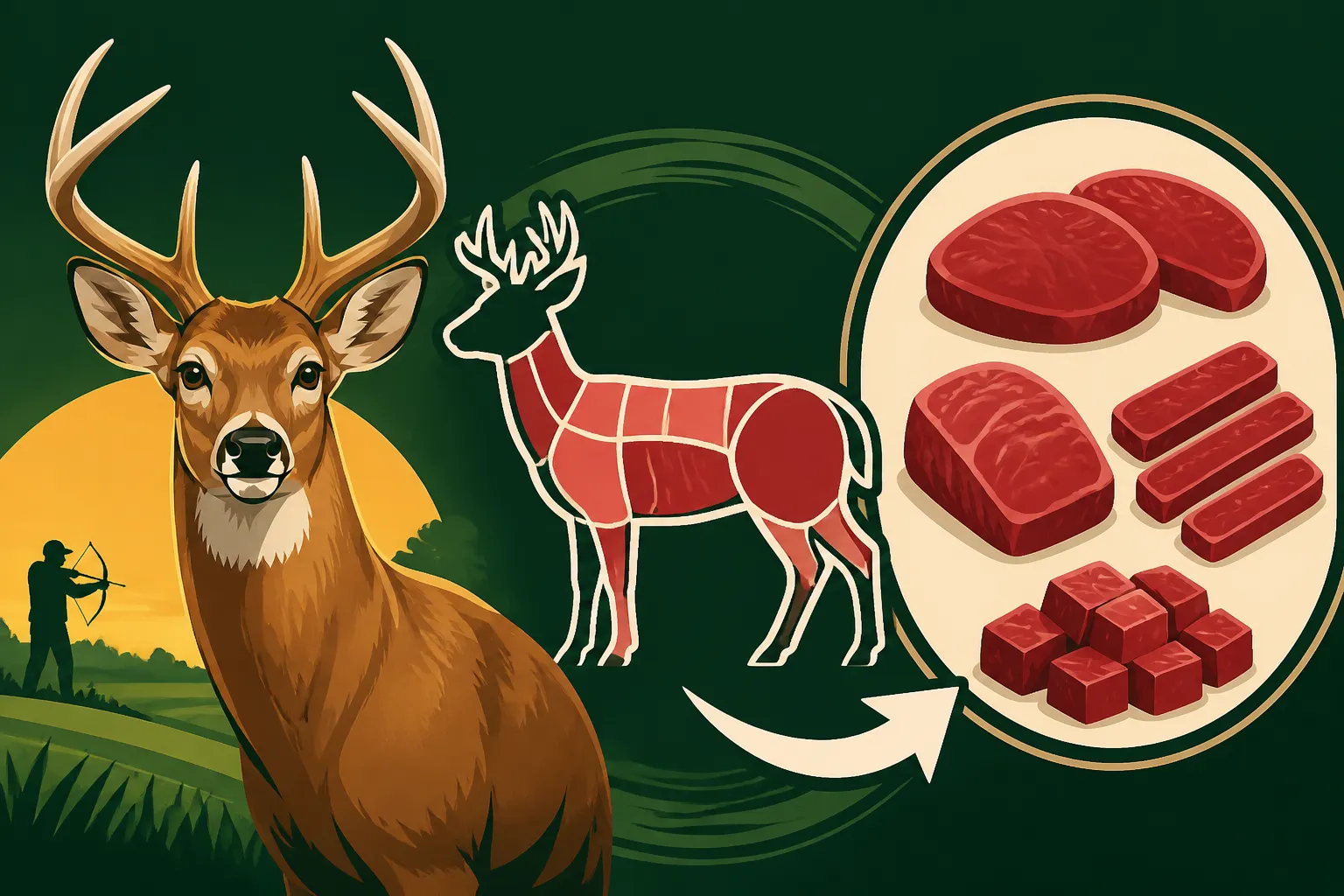
Consider your family's eating habits and what recipes you regularly make. A typical Iowa deer will provide a variety of cuts, from backstraps and tenderloins (the most prized) to roasts from the hindquarters and front shoulders, and plenty of trim for ground meat, sausage, or stew. Don't forget that bones can be used for stock, and some organs are edible too, adding to the "total yield" of the animal. This kind of thoughtful planning can help align your expectations with what you actually receive from your deer.
Working with a Professional Processor
For many hunters, especially those new to processing or simply short on time, taking their deer to a professional locker plant is the best option. These facilities are experts at maximizing yield, handling the meat hygienically, and providing custom cuts tailored to your preferences. They can also offer services like sausage making, jerky, or specialty cuts that might be difficult to do at home. You can find many reputable options, especially around the busy Iowa Shotgun Season Opening Day Strategy periods.
While there's a cost involved, the convenience, expertise, and guaranteed quality are often well worth it. Before you drop off your deer, discuss your cutting instructions with them. Let them know what cuts you prefer, how you want your ground meat (e.g., with added pork fat, pure venison), and any specialty items you’d like. They can also advise on typical yields they see from different deer categories. Checking with Locker Plants During Iowa Shotgun Season ahead of time is always a good idea.
Community and Sharing Venison
Finally, remember that venison is meant to be shared. If you end up with more meat than your freezer can hold, or if you simply want to spread the joy of wild game, consider sharing with friends, family, or even donating to local food banks that accept wild game. Many states have programs in place to process and distribute donated venison to those in need.
Sharing your harvest is a time-honored tradition among hunters. It not only builds community but also ensures that no part of the animal goes to waste. If you’re participating in Party Hunting Rules and Safe Drives, sharing is often an integral part of the experience. It’s a wonderful way to extend the enjoyment of your Iowa hunting season beyond your own dinner table.
Disclaimer
This article is for general informational purposes only and does not constitute professional advice. Laws, prices and regulations vary by location and change over time. Consult a qualified professional for guidance on your specific situation.