How the Iowa DNR Counts Deer
It can feel a little mysterious sometimes, can't it? You're out in the woods, seeing deer signs, maybe a few deer themselves, and you wonder how in the world the Iowa Department of Natural Resources figures out exactly how many deer are truly roaming the landscape. It's a valid question, especially when deer management decisions directly impact our hunting seasons and tag availability. This guide is here to pull back the curtain and explain the various methods the Iowa DNR employs to count, estimate, and ultimately manage the state's whitetail deer population.
Why the Iowa DNR Needs to Count Deer
The idea of "counting" deer isn't just about getting a number; it's about understanding a complex ecosystem and making informed decisions that affect landowners, hunters, and the deer herd itself. Imagine trying to manage a business without knowing your inventory or sales figures—it just wouldn't work. The same principle applies to wildlife management, particularly with a species as prominent and impactful as the whitetail deer in Iowa.
Balancing the Herd and Landscape Needs
One of the primary reasons for diligent deer population monitoring is to strike a delicate balance between the deer herd and the environment it inhabits. Too many deer can lead to significant crop damage, becoming a real financial headache for farmers who dedicate their lives to cultivating the land. We've all heard stories, or maybe even experienced firsthand, the frustration of a herd of deer decimating a soybean field overnight. Beyond crops, an overabundant deer population can also have a detrimental effect on forest regeneration, as deer browse heavily on young trees and shrubs, altering the natural ecosystem over time. It's not just about what we want, but what the land can realistically sustain.
On the flip side, too few deer would obviously diminish hunting opportunities, which is a huge part of Iowa's outdoor heritage and economy. It's also important for overall biodiversity. The DNR needs to keep tabs on these dynamics to ensure healthy deer populations that don't cause undue ecological or economic strain. This balance is tricky, and it’s why ongoing assessment is absolutely critical.
Informing Regulations and Season Structures
The numbers gathered by the DNR are the backbone of all hunting regulations. When you look at the different deer seasons, the number of tags issued, or specific county quotas for antlerless deer, these decisions aren't pulled out of thin air. They are direct responses to the data collected on deer populations. If certain areas show a higher-than-desired deer density, the DNR might increase antlerless tag availability to help bring those numbers down. Conversely, if a county's deer numbers are low, they might reduce available tags or adjust seasons to allow the herd to recover.
This dynamic approach ensures that hunting remains sustainable year after year. Hunters often wonder why the season structure changes or why certain zones have different rules, and it almost always ties back to these population estimates. The goal is always to provide ample opportunity for hunters while ensuring the long-term health and stability of the deer herd for future generations. It’s about being proactive and responsive to what the data tells them is happening on the ground.
Core Methods Used by the Iowa DNR to Count Deer
Counting deer isn't as simple as driving around and tallying every deer you see. It's a complex, multi-faceted approach that combines scientific surveys with invaluable input from the hunting community. No single method provides a perfect count, but by integrating several techniques, the DNR can develop a remarkably accurate picture of the deer population. This is where their boots-on-the-ground work really shines through, supported by citizen science.
Bowhunter Observation Survey
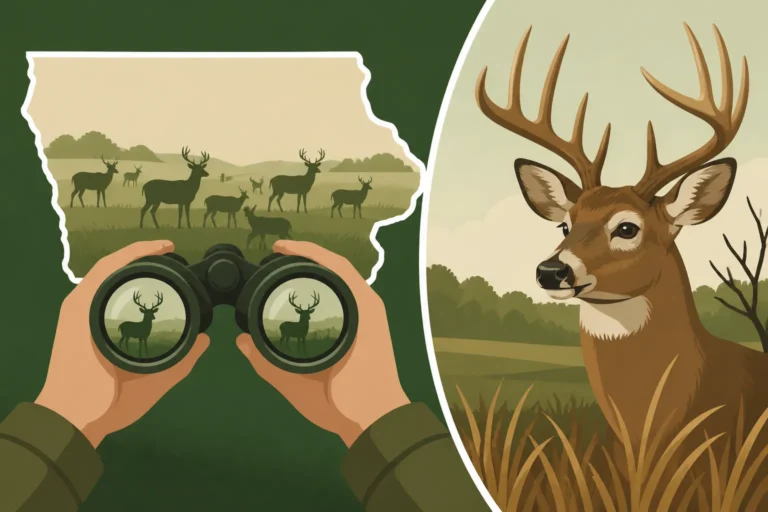
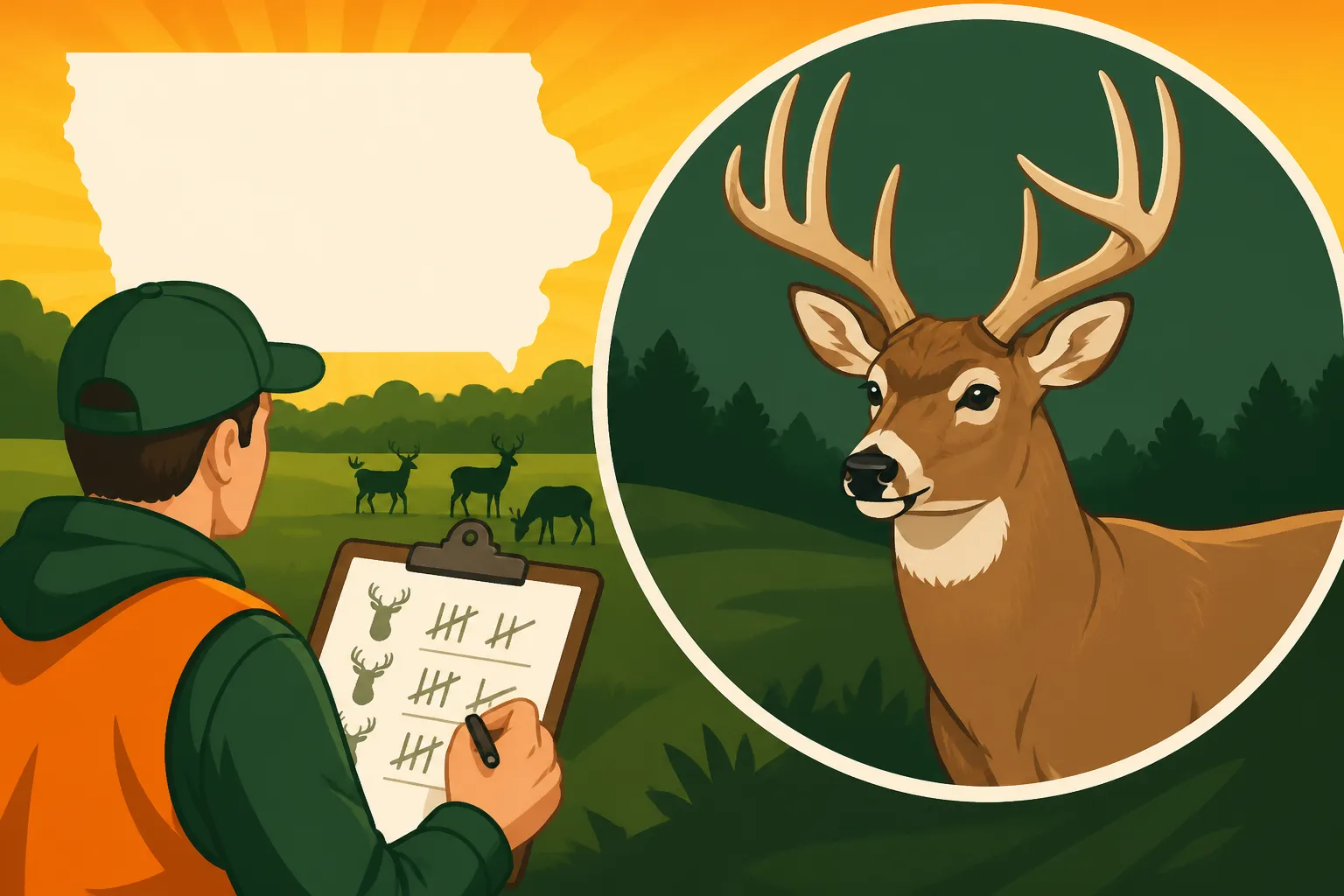
One of the most unique and effective ways the DNR gathers data is through the annual Bowhunter Observation Survey. This program relies on the keen eyes and dedication of Iowa's archery hunters. During the archery deer season, bowhunters are asked to record all the deer they see while actively hunting, not just the ones they might harvest. This includes bucks, does, fawns, and even deer they can't identify to sex or age class. They also note the number of hours they spent hunting. This data is often submitted through online platforms, making it easy for participants to contribute their observations. Many hunters use tools like GoHunt to plan their expeditions, and then they log their observations carefully.
This method is incredibly valuable because bowhunters spend countless hours quietly observing deer in their natural habitats across a wide geographic range. They are essentially unpaid field technicians, spread out across thousands of acres, providing a real-time snapshot of deer activity. By analyzing observations per unit of effort (e.g., deer seen per 100 hours of hunting), the DNR can track trends in deer density, fawn recruitment, and the buck-to-doe ratio. While it doesn't give an exact headcount, it provides crucial indices that show whether populations are increasing, decreasing, or remaining stable. You can learn more about how this valuable data is analyzed in Iowa Bowhunter Observation Survey.
Aerial Surveys
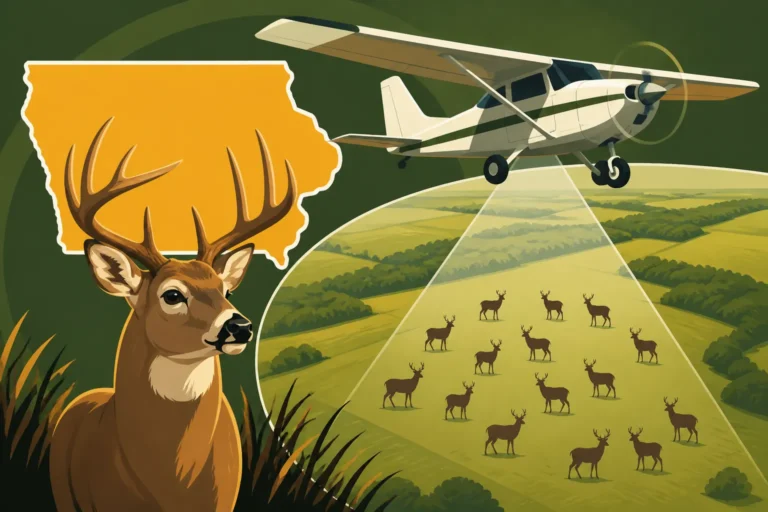
In certain areas and under specific conditions, the DNR also conducts aerial surveys. These surveys are typically carried out in winter when snow cover makes deer more visible against the white landscape and deciduous trees have lost their leaves, reducing canopy cover. Biologists fly fixed-wing aircraft or helicopters over designated survey routes, systematically counting deer they observe. This method is particularly useful in large, contiguous tracts of timber or public lands where ground access might be difficult, or visibility from the ground is limited.
The effectiveness of aerial surveys depends heavily on weather conditions. Ideal conditions include consistent snow cover, clear skies, and minimal wind. Without these, deer can be hidden, or counting can be inaccurate due to poor visibility. Because of these specific requirements and the cost involved, aerial surveys are not conducted statewide every year, but rather in key management units or on a rotational basis. They provide a more direct count in specific areas, complementing the broader data gathered from other methods. These surveys, combined with other data, contribute to estimates like Aerial Surveys and Deer Estimates.
Deer Harvest Reports
Perhaps the most direct and easily quantifiable data point comes from mandatory deer harvest reports. Every time a hunter successfully harvests a deer in Iowa, they are legally required to report it to the DNR, usually within 24 hours. This reporting can be done online or through a mobile app, making it convenient for hunters. This data is critical because it gives the DNR an exact count of the number of deer removed from the population each year, broken down by county, sex, and even weapon type. This information is vital for understanding Iowa Deer Harvest Totals by Season.
The harvest reports also provide insight into hunter effort and success rates. For example, if harvest numbers in a specific county decline, it might indicate a decrease in the deer population, or perhaps changes in hunting pressure or weather conditions. Conversely, consistently high harvest numbers might suggest a robust or growing herd. The integrity of this data relies entirely on hunters accurately and promptly reporting their harvests. It's a cornerstone of modern deer management and helps shape future tag allocations and season lengths. You can often review historical data yourself through services like GoHunt, which compiles and visualizes this kind of public information to help hunters make better decisions.
Carcass Examination and CWD Testing
Beyond direct counts and hunter reports, the DNR also gleans crucial information from carcass examinations, particularly concerning Chronic Wasting Disease (CWD) testing. While the primary purpose of CWD testing is disease surveillance, the process of examining harvested deer carcasses provides additional biological data. This can include collecting samples for age determination (e.g., through tooth wear), which helps the DNR understand the age structure of the buck and doe populations. Knowing the age distribution of deer harvested helps wildlife managers assess herd health and the effectiveness of antlerless harvest strategies aimed at managing older age classes of does.
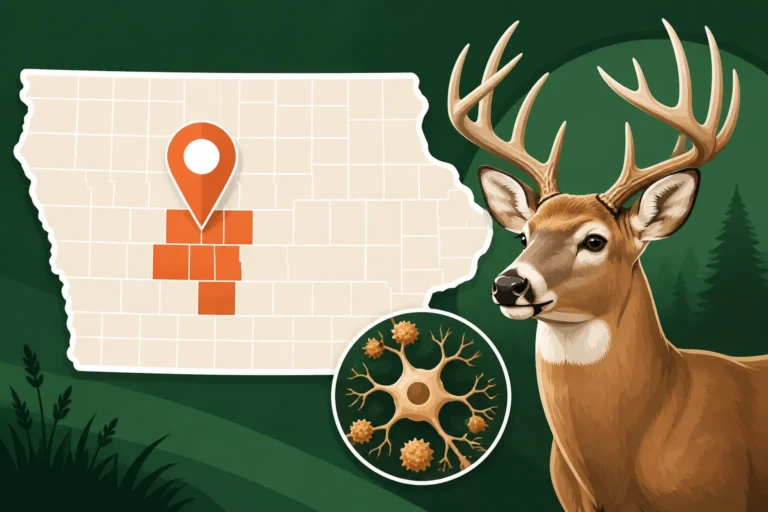
In counties where CWD is a concern, mandatory or voluntary sampling efforts allow the DNR to collect lymph node samples from harvested deer. While the primary goal is disease monitoring, the sheer volume of deer processed for sampling provides an opportunity for additional biological data collection. This direct examination offers insights into overall herd health, body condition, and reproductive rates, which are all indirect indicators of population status and habitat quality. This effort is particularly important for understanding the spread of the disease, as detailed in Iowa CWD Mandatory Sampling Counties.
Understanding the Data: From Counts to Estimates
It's important to remember that achieving an exact, real-time count of every single deer in Iowa is practically impossible. Instead, the DNR uses the various methods described above to develop population estimates and track trends. These aren't just guesses; they are scientifically derived figures that provide a strong basis for management decisions. They allow the DNR to move from raw numbers to meaningful insights, guiding their strategy for the health of Iowa's deer herd.
Population Estimates: What These Numbers Actually Mean
When the Iowa DNR talks about deer populations, they're typically referring to estimates. These estimates are derived from a complex mathematical model that incorporates data from the bowhunter observation survey, harvest reports, aerial surveys, and other biological indices. This model helps to account for factors like birth rates (fawn recruitment), death rates (natural mortality, hunting mortality, vehicle collisions), and even immigration or emigration where applicable. The goal isn't necessarily to know that there are exactly X number of deer, but rather to understand the overall density and trajectory of the population within specific management units or counties.
Think of it like weather forecasting. Meteorologists don't know the exact temperature and wind speed at every square inch of the state, but they use various data points from radar, satellites, and ground stations to create a highly accurate forecast. Similarly, the DNR's population estimates provide a robust understanding of the deer herd's health and size. These estimates are critical for setting appropriate harvest quotas and ensuring sustainable hunting opportunities. Hunters looking to dive deeper into these figures might find Iowa Deer Population Estimate a helpful resource.
Trends Over Time: Looking at Long-Term Patterns
One of the most powerful aspects of consistent data collection is the ability to identify long-term trends. A single year's data point is interesting, but when you compare it to data from the past five, ten, or twenty years, you start to see patterns emerging. Is the deer population in a specific region steadily increasing, or has it been declining for several years? Has the buck-to-doe ratio remained stable, or is it shifting? These trends are far more important for management than any single year's number.
For example, if the bowhunter observation survey consistently shows a decrease in the number of fawns seen per doe over several years, it might signal an issue with fawn recruitment due to habitat changes, predation, or disease. Likewise, if harvest numbers show a consistent decline in mature bucks, it could prompt a reevaluation of antlerless harvest strategies to ensure more bucks reach older age classes. Understanding these trends allows the DNR to adapt management strategies over time, ensuring they are responsive to the actual health and dynamics of the deer herd. Many hunters use tools like GoHunt to track these long-term trends themselves, helping them anticipate changes in deer behavior and density.
County-Level Data: Why Local Numbers Matter
While statewide estimates provide a broad overview, deer management in Iowa is often focused on a much finer scale: the county level. This is because deer populations and habitat conditions can vary significantly from one county to the next. What might be an ideal population level in a heavily timbered southern Iowa county could be an overpopulation in a primarily agricultural county further north. Therefore, the DNR meticulously breaks down its data and estimates by individual counties. This information often feeds directly into the Deer Density by Iowa County reports.
County-specific data allows the DNR to set targeted antlerless quotas and implement localized management strategies. For instance, a county with persistent crop damage complaints might receive a higher allocation of antlerless tags to help reduce the local deer population, while a neighboring county with ample cover and fewer conflicts might have different allocations. This localized approach is crucial for effective deer management in a state as diverse as Iowa, ensuring that regulations are tailored to specific local conditions and needs, rather than a one-size-fits-all approach. Knowing these local numbers can be a huge advantage for hunters when planning where to focus their efforts.
What This Means for Hunters
Understanding how the Iowa DNR counts deer isn't just academic; it has direct, practical implications for every hunter who steps into the Iowa woods or fields. This knowledge can empower you to make more informed decisions, improve your hunting success, and foster a greater appreciation for the science behind wildlife conservation. After all, we're all part of the larger picture.
Planning Your Hunt with Better Information
Knowing how the DNR arrives at its population estimates can significantly influence your hunting strategy. For example, if you review the county-level harvest data and see that a particular area consistently produces high numbers of deer, it might indicate robust local populations and potentially good hunting opportunities. Conversely, if you notice a sustained decline in reported harvests in an area you usually hunt, it might be a signal to adjust your expectations or scout new locations. The DNR provides detailed information in publications like Reading an Iowa Deer Harvest Report that can be invaluable.
You can often access publicly available data on deer densities, harvest success rates, and even buck-to-doe ratios by county. Platforms like GoHunt consolidate this information, allowing you to cross-reference it with habitat maps and public land access points. This kind of e-scouting, combined with your own boots-on-the-ground observations, can help you pick a zone or county that aligns with your hunting goals, whether you're after an antlerless tag or looking for a trophy buck. Utilizing this data allows you to focus your efforts where the deer are, or where the management objectives align with your hunt plan.
Supporting Conservation Through Participation
Finally, understanding the DNR's methods highlights the critical role hunters play in conservation. Your participation in activities like the Bowhunter Observation Survey or simply diligently reporting your deer harvests is not just a regulatory requirement—it's a direct contribution to scientific data collection. Without accurate and widespread hunter participation, the DNR's ability to create robust population estimates and make sound management decisions would be severely hampered. Every reported deer and every hour logged in a survey helps paint a clearer picture.
By engaging responsibly and proactively, hunters become essential partners in the ongoing effort to manage Iowa's deer herd. This means not only adhering to regulations but also staying informed, providing feedback when appropriate, and supporting initiatives that contribute to data collection. Ultimately, the health of Iowa's deer herd and the future of hunting depend on this collaborative relationship between wildlife managers and the hunting community. It’s a shared responsibility, and every individual hunter’s actions contribute to the collective success of Iowa Deer Herd Management and Harvest.
Disclaimer
This article is for general informational purposes only and does not constitute professional advice. Laws, prices and regulations vary by location and change over time. Consult a qualified professional for guidance on your specific situation.