Iowa Bobcat Harvest Limits
The world of bobcat hunting and trapping in Iowa can feel like a moving target sometimes, with regulations that seem to shift each season, leaving many seasoned outdoorsmen scratching their heads. It’s tough to keep up with the specific harvest limits, quotas, and reporting requirements when you’re just trying to enjoy the chase or manage local populations. This comprehensive guide is here to untangle the complexities of Iowa's bobcat harvest limits, helping you understand the rules, why they exist, and how to stay compliant while pursuing these elusive furbearers.
Understanding Iowa's Approach to Bobcat Management
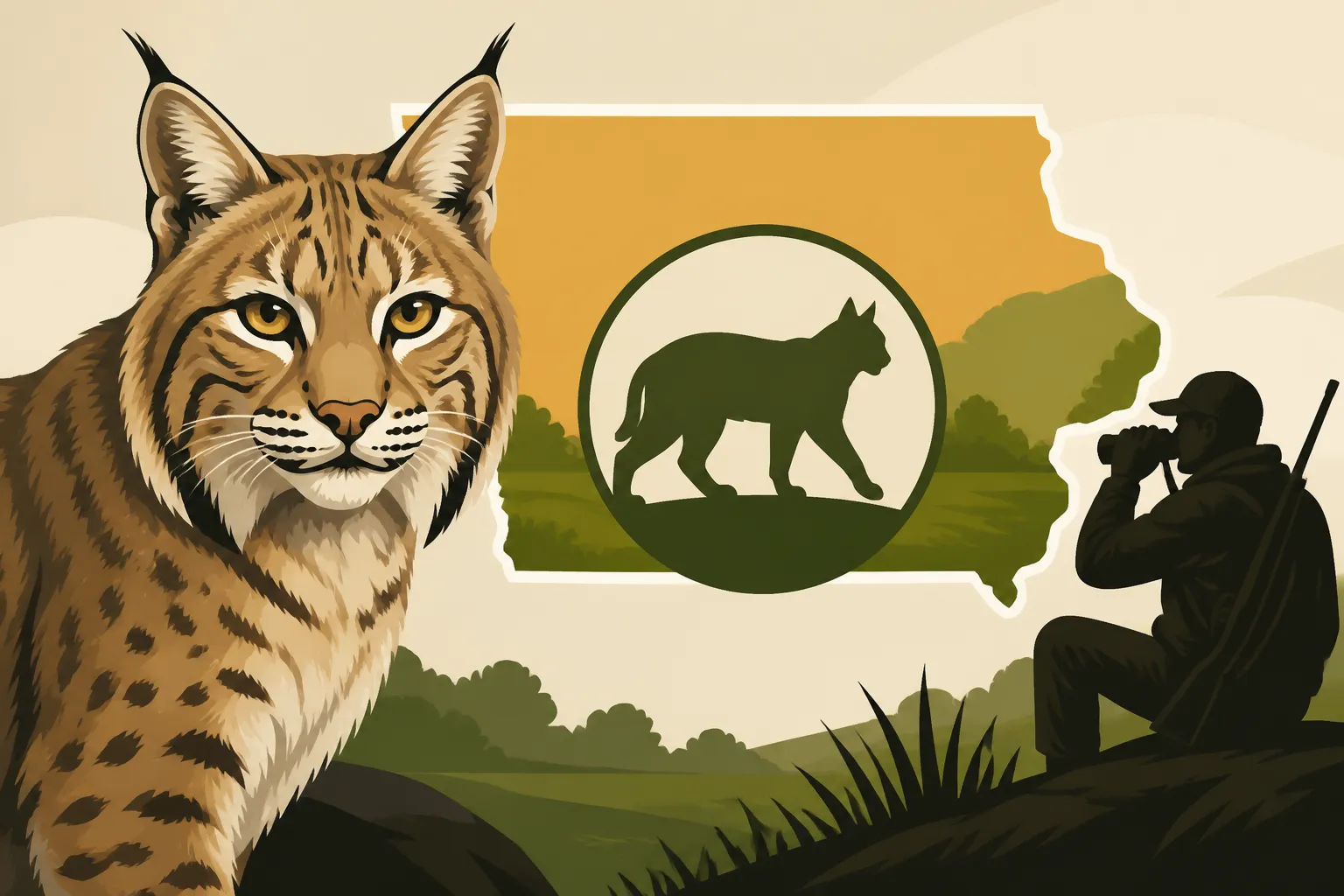
For a long time, bobcats were a rare sight in much of Iowa, pushed out by habitat loss and unregulated harvests. But over the last few decades, these incredible furbearers have made a remarkable comeback, especially in the southern and eastern parts of the state. This return is a testament to dedicated conservation efforts and thoughtful wildlife management. However, with their return comes the need for careful oversight to ensure their populations remain healthy and sustainable for future generations.
The History of Bobcats in Iowa: A Conservation Success Story
Think back to the early 20th century, and you'd be hard-pressed to find a bobcat in many parts of Iowa. They were essentially extirpated from much of their historical range here, mostly due to changing landscapes and the lack of protective regulations. For years, they were simply considered varmints, with little thought given to their ecological role or population dynamics. It's a classic story we've seen with many species across the country.
But fast forward to the late 1900s, and things started to change. Habitat improved, often unintentionally, as certain agricultural practices shifted and wooded river bottoms and dense thickets provided more cover. More importantly, the Iowa Department of Natural Resources (DNR) recognized the need to protect and manage this recovering species. Bobcat hunting and trapping seasons were either closed or severely restricted for decades, allowing the population to slowly but surely rebound. It's a real feel-good story for wildlife enthusiasts, demonstrating that with proper management and a little help from nature, species can thrive again. This long period of protection laid the groundwork for the carefully regulated seasons we have today, a stark contrast to their past.
Why Harvest Limits are Necessary: Balancing Opportunity and Conservation
So, with bobcats doing so well, why not just open it up completely? That's a fair question many hunters and trappers ask, especially when they see a healthy population in their area. The reality is, while bobcat numbers are strong, they're still a species that requires careful monitoring. Harvest limits and quotas aren't about punishing hunters or trappers; they're about ensuring the long-term health and stability of the bobcat population.
Imagine a scenario without any limits. You could have localized over-harvesting, where too many bobcats are taken from a specific area, potentially leading to a decline that would take years to recover. This would not only be detrimental to the bobcats themselves but also to the ecosystem they're a part of, as they play a crucial role as predators. The DNR works hard to strike a balance: providing ample opportunity for hunters and trappers to pursue bobcats while guaranteeing that the population remains robust and continues to expand its range across the state. It's about finding that sweet spot where everyone benefits, including the bobcats themselves. This careful management ensures that the success story of the bobcat's return continues indefinitely. You can learn more about Iowa Predators and Furbearers in our other guides.
Deciphering the Annual Bobcat Harvest Quota System
Iowa’s bobcat management is primarily driven by an annual harvest quota system. This isn't just some arbitrary number pulled out of thin air; it’s a scientifically derived figure designed to ensure sustainability. If you’re planning to hunt or trap bobcats, understanding this system is paramount. Missing the details can easily lead to violations, which no one wants.
How the Quota is Established: DNR Surveys and Data Collection
The Iowa DNR doesn't just guess when it comes to setting bobcat quotas. They employ a robust system of data collection and scientific analysis to determine how many bobcats can be harvested each season without negatively impacting the overall population. This process is complex and relies on multiple data points.
First, they analyze historical harvest data from previous seasons. How many bobcats were taken? What were the demographics of those animals (age, sex)? This gives them a baseline understanding of population trends. Then, they conduct ongoing field surveys, often involving remote cameras, scent stations, and track counts, to estimate current population densities and distribution across different regions of the state. They also consider factors like habitat availability, disease prevalence, and even vehicle collision data, all of which can impact bobcat numbers. All this information is fed into population models that help biologists project future trends and determine a sustainable harvest level. It’s a lot of work, but it’s essential for ensuring the health of the species and the future of the hunting and trapping tradition.
Quota Zones and Their Significance: County-Specific Restrictions
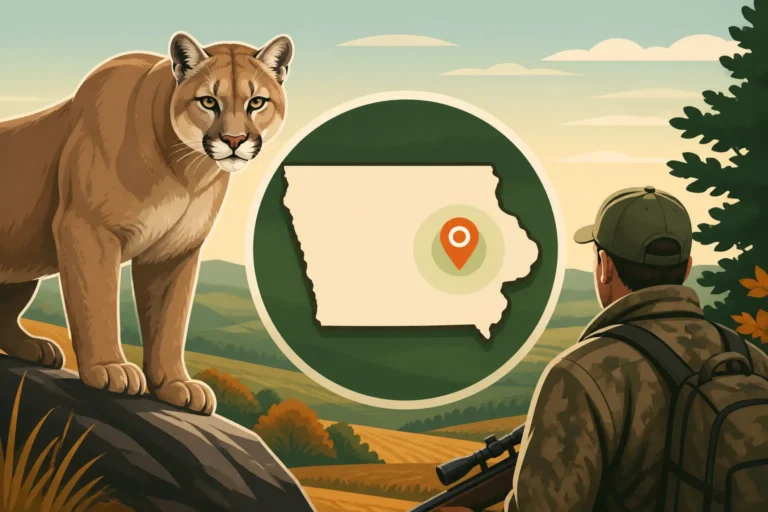
One of the most crucial aspects of Iowa’s bobcat harvest limits is the division of the state into specific quota zones. Unlike some other species that might have a statewide limit, bobcats are managed more locally. This is because bobcat populations aren't uniformly distributed across Iowa. They tend to be more abundant in certain southern and eastern counties where habitat is more favorable, featuring larger blocks of timber, brushy cover, and rugged terrain.
The DNR divides the state into these zones, and each zone is assigned its own specific harvest quota. For instance, the southern and eastern counties that form the primary bobcat range will have higher quotas, reflecting their more robust populations. Counties where bobcats are still recovering or are less common might have very low quotas, or even be completely closed to harvest. This localized approach prevents over-harvest in areas with fragile populations while allowing more opportunity where bobcats are thriving. It's vital for hunters and trappers to consult the most current regulations and maps to determine which counties are open and what the specific quota is for that zone. Ignoring this can easily lead to harvesting a bobcat in a closed area, which carries serious penalties. Staying informed through resources like the Iowa DNR Hunter Atlas is key.
The Importance of Timely Harvest Reporting
Once a bobcat is harvested in Iowa, the work isn't done. In fact, one of the most critical parts of the quota system falls directly on the shoulders of the hunter or trapper: timely harvest reporting. This isn't just a bureaucratic hoop to jump through; it's the mechanism by which the DNR monitors the real-time progress toward the established quotas.
When you take a bobcat, you are generally required to report it to the DNR within a very specific timeframe, often by calling a toll-free number or using an online system. This report triggers an immediate update to the overall harvest tally for that specific zone. If the quota for a zone is reached, the season for bobcats in that zone is immediately closed, sometimes with very little notice. This is why knowing the quota, actively monitoring the harvest totals, and reporting your animal promptly are so incredibly important. If you delay reporting, and the quota closes in the interim, your legally harvested bobcat could suddenly become illegally possessed. It’s a real-time system, and your participation is crucial for its effectiveness. Without accurate and timely reporting, the DNR can't effectively manage the population, and the system breaks down for everyone.
Practicalities of Your Iowa Bobcat Harvest
So, you’ve done your homework, scouted your area, and you’re ready to hit the field. But before you do, let’s talk about the practical side of actually harvesting a bobcat in Iowa, from the moment you make the decision to pursue one to the necessary steps afterward. This isn’t just about the thrill of the hunt; it’s about responsible participation.
Legally Taking a Bobcat in Iowa: Licensing and Methods
First and foremost, you need the right licenses. In Iowa, pursuing bobcats, whether through hunting or trapping, requires a valid hunting license and a fur harvester license. This isn't like deer hunting where you might only need a specific deer tag; bobcats fall under the general furbearer regulations. Make sure your licenses are current before you even think about setting a trap or heading into the woods with a predator call. You can typically purchase these through the Go Outdoors Iowa online portal, or from authorized vendors.
Once your licenses are sorted, it’s about legal methods. Bobcats can be harvested using various methods, including firearms (like small caliber rimfires or shotguns with fine shot), archery equipment, and specific types of traps. However, there are strict regulations about what’s allowed. For instance, you can't use prohibited methods like explosives, poisons, or certain inhumane traps. If you're trapping, there are rules about trap size, placement, and checking intervals. When hunting, observe all standard firearm safety rules and legal shooting hours. Always verify the current regulations for specific methods, as these can change. What might be legal for coyote hunting might not be for bobcats, so check the details in the annual hunting regulations booklet, which typically comes out around July or August, offering a preview of the upcoming seasons. Iowa Hunter Education and Licensing Basics are critical for all hunters to understand.
Tagging and Reporting Your Bobcat: Critical Steps
This is where many aspiring bobcat hunters and trappers can get tripped up. Iowa's bobcat regulations are very specific about what happens after you've successfully harvested an animal. This isn't a "tag it and forget it" situation like some other species.
Upon harvesting a bobcat, your immediate priority is to attach a valid harvest tag to the animal. This tag is usually provided with your fur harvester license and must be attached immediately to prevent confusion or illegal possession. But that's just the first step. Within 24 hours (and sometimes an even shorter period, so check the regs!), you must report your harvest to the Iowa DNR. This typically involves calling a designated number or submitting the information online via the Go Outdoors Iowa system. This report does two crucial things: it contributes to the real-time quota tracking, and it triggers the issuance of a CITES tag.
The CITES (Convention on International Trade in Endangered Species) tag is extremely important for bobcats. Even though bobcats aren't endangered in Iowa, their hides are often bought and sold internationally, and CITES tags are a global requirement to prove a legally harvested animal. You will be instructed on how to obtain this tag after reporting your harvest, which usually involves taking the bobcat to a DNR office or designated check station. This tag must remain with the pelt or carcass until it’s processed or sold. Neglecting to report your bobcat or failing to obtain a CITES tag can lead to significant fines and penalties, not to mention the loss of your furbearer. Don't let your excitement overshadow your responsibilities here.
| Action Item | Timing | Purpose | Consequence of Neglect |
|---|---|---|---|
| Obtain Licenses | Before any hunting/trapping | Legal participation | Fines, license revocation |
| Verify Open Zones & Quotas | Before/during season | Ensure legal harvest location and timing | Fines, illegal harvest, loss of animal |
| Attach Harvest Tag | Immediately upon harvest | Proof of initial legal possession | Fines, illegal possession |
| Report Harvest to DNR | Within 24 hours (check exact timeframe) | Contribute to quota tracking, trigger CITES tag issuance | Fines, illegal possession, quota closure missed |
| Obtain CITES Tag | As instructed by DNR after reporting | International trade compliance, final legal documentation | Fines, inability to sell/transport hide |
| Stay Updated on Quota Status | Daily during season | Avoid harvesting after quota closure | Fines, illegal harvest, loss of animal |
Preparing for the Season: Scouting, Gear, and Knowing the Rules
Successful bobcat hunting or trapping isn't just about luck; it's about preparation. Just like with deer or turkeys, scouting is paramount. Bobcats are secretive and elusive, often sticking to dense cover, river bottoms, and timber edges. Spend time before the season scouting for tracks, scat, and potential travel corridors. Look for areas with high rodent and rabbit populations, as these are their primary food sources. Using mapping tools like those from GoHunt can really help you pinpoint promising habitat areas, especially in remote timber or along creek draws. Scouting Iowa Timber and River Bottoms is an excellent resource for this.
Beyond scouting, ensure your gear is ready. If you're trapping, make sure your traps are in good working order, properly sized, and legally compliant. For hunters, practice with your firearm or bow, and ensure your calls are effective. Layered clothing is crucial for those cold Iowa mornings, as is good camouflage.
Most importantly, commit to knowing the rules. The Iowa DNR publishes an annual hunting and trapping regulations booklet that is your bible for the season. Don't rely on what you "heard" or what was true five years ago. Seasons, quotas, and rules change. Read it cover-to-cover, paying special attention to the furbearer section. Ignorance of the law is never an excuse, and a simple mistake can turn a rewarding experience into a costly headache.
Staying Informed and Ethical Hunting Practices
Hunting and trapping bobcats in Iowa is a privilege, not a right. It comes with the responsibility of not only following the law but also upholding ethical practices that ensure the future of the species and the integrity of our hunting heritage. Staying informed and acting responsibly are cornerstones of this endeavor.
Where to Find Current Regulations: DNR Website and Other Resources
In the age of information, there’s really no excuse for not knowing the current regulations. The primary and most authoritative source for Iowa’s bobcat harvest limits and rules is always the Iowa DNR’s official website. They typically release their annual hunting and trapping regulations well in advance of the seasons. You can find digital versions of the regulation booklet there, which often includes maps of quota zones, specific reporting instructions, and details on legal methods.
Beyond the DNR website, many reputable outdoor publications and websites, like GoHunt, provide summaries and updates, but always cross-reference with the official DNR documents. These secondary sources can be fantastic for general information, tips, and community discussion, but when it comes to the letter of the law, the DNR is your ultimate guide. Remember that quotas can close mid-season, so regularly checking the DNR's specific "Bobcat Harvest Quota Status" page is a must if you're actively pursuing them. Don't just read the booklet once; check for updates throughout the season. Sometimes, emergency rule changes can occur, making constant vigilance important. Our guide on the Iowa Regulation Booklet Release Date can help you time your checks.
The Role of Ethical Hunting in Conservation
Ethical hunting and trapping go hand-in-hand with conservation. For bobcats, this means more than just following the legal harvest limits. It means understanding the impact of your actions on the animal and the public perception of hunting.
First, practice selective harvest. While Iowa doesn't have specific size or sex restrictions on bobcats, consider the health of the local population. If you're consistently seeing many young bobcats, it might be a sign of a strong, healthy breeding population. Respect the animal by ensuring a quick, clean harvest, whether with a firearm or trap. Check your traps frequently, as required by law, to minimize stress and ensure a humane dispatch.
Secondly, respect private property. Iowa has a mix of public and private lands, and most bobcat habitat is on private ground. Always obtain clear, explicit permission before hunting or trapping on private land. This builds trust with landowners and ensures continued access for future generations. Never trespass, as this tarnishes the image of all hunters.
Finally, represent the hunting and trapping community positively. When you report your harvest, take care of the meat or hide, and talk about your experiences, you are an ambassador for our traditions. By adhering to ethical standards and demonstrating respect for the animals and the land, we ensure that bobcat hunting remains a viable and respected activity in Iowa for years to come. Understanding Iowa Furbearer Harvest Trends helps us appreciate our role in sustainable management.
Disclaimer
This article is for general informational purposes only and does not constitute professional advice. Laws, prices and regulations vary by location and change over time. Consult a qualified professional for guidance on your specific situation.