Bobwhite Quail Habitat in Iowa
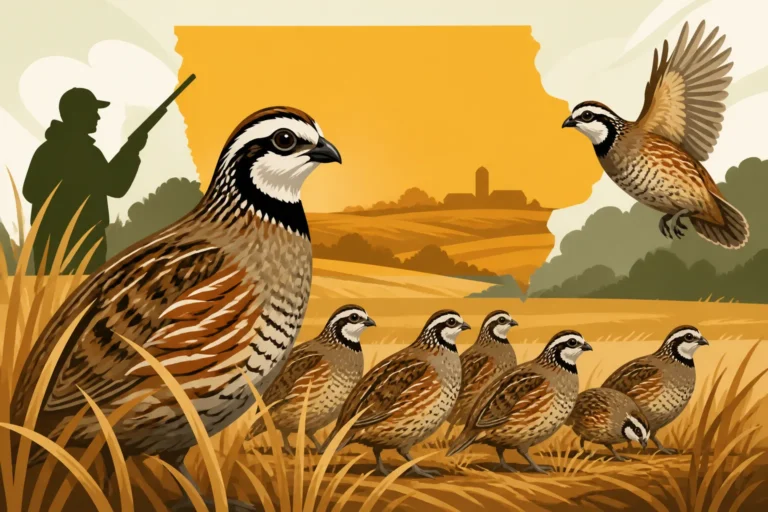
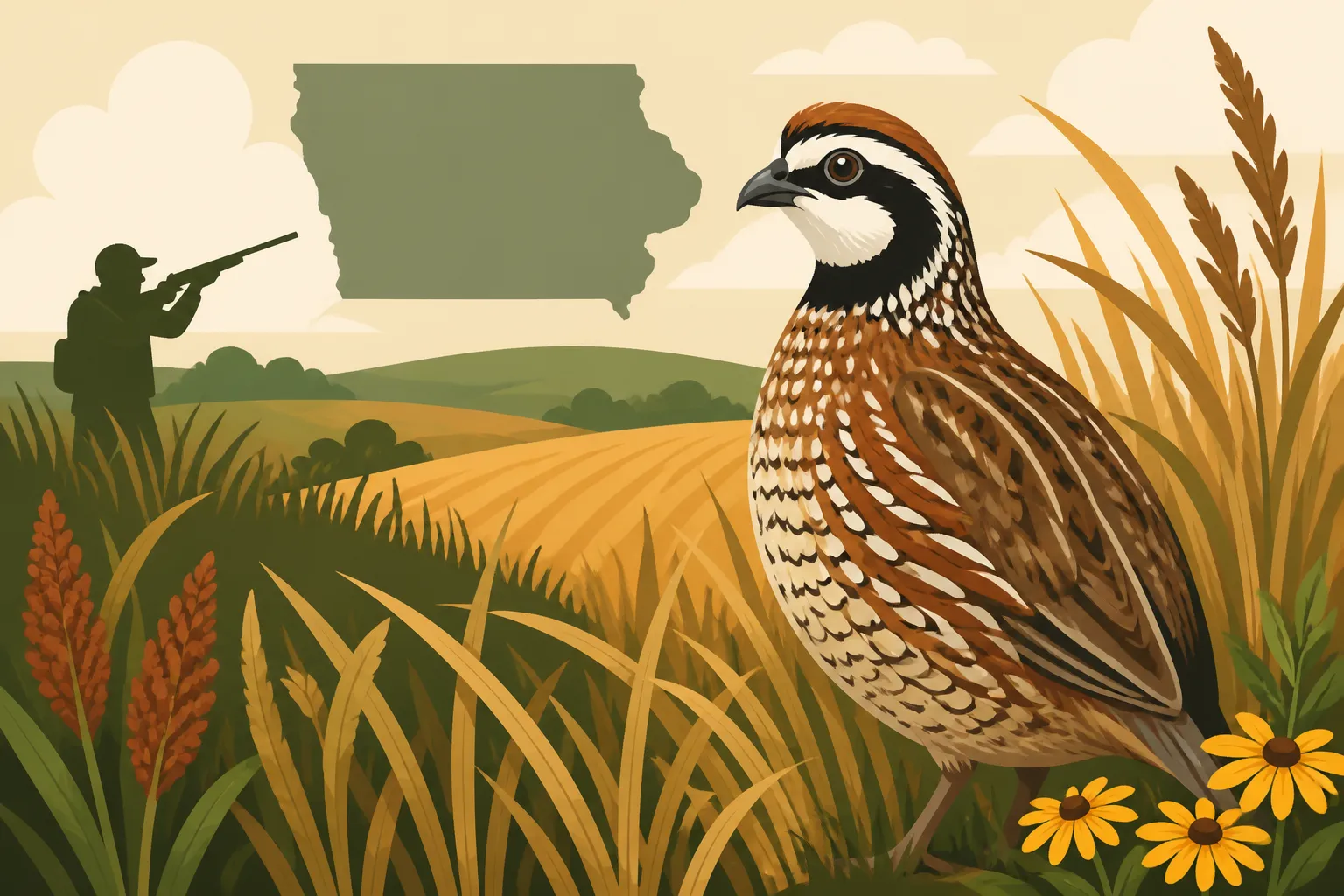
For anyone who’s spent time trudging through tough cover in Iowa, trying to flush a covey of bobwhite quail, you know the frustration. It feels like you’re searching for a needle in a haystack, and sometimes, you wonder if there are any needles left. The truth is, quail populations have faced some tough times, and finding them now means truly understanding their specific habitat needs. This guide will walk you through what prime bobwhite quail habitat in Iowa looks like, where you can still find it, and what efforts are being made to bring these incredible birds back.
The Shrinking Realm of Iowa's Bobwhite Quail
It’s no secret that Iowa’s landscape has changed dramatically over the last century. What was once a patchwork of prairies, diverse timber, and smaller farm fields has largely given way to vast monoculture agriculture. This shift has had a profound impact on many wildlife species, and bobwhite quail are certainly among the most affected. Hunters who grew up in the mid-20th century often recount stories of abundant quail, coveys bursting from nearly every fencerow. Those days, sadly, are largely gone, and that decline is directly tied to the availability and quality of their habitat.
Historical Perspective on Quail Decline
Back in the day, Iowa’s farming practices were inherently more quail-friendly. Farms were smaller, fencerows were rarely clean-tilled, and odd areas like brushy ravines, plum thickets, and diverse native grasslands were common. These features provided the year-round cover and food that quail need to thrive. As agriculture intensified, fields expanded, fencerows were removed, and "waste areas" were converted to production. This efficient farming, while economically beneficial for landowners, fragmented and eliminated the critical transitional cover that bobwhites rely on. It’s a classic story across the Midwest, and Iowa is no exception. We’ve seen a steady, often steep, decline in quail numbers that parallels these habitat losses.
Why Modern Iowa Struggles to Support Quail
Today, the biggest challenge for quail in Iowa is simply a lack of contiguous, high-quality habitat. They can’t just live anywhere; they need a very specific mix of cover. Think about a typical Iowa farm field – miles of corn or soybeans, then a clean-tilled edge, perhaps a gravel road, and then another field. There's no place for a quail to safely nest, raise chicks, hide from predators, or find food consistently without exposing themselves to danger. Even small, isolated pockets of cover aren’t enough because quail need to move between different habitat types throughout the day and year. They need dense nesting cover in spring, ample insect-rich brooding cover in summer, protective escape cover from raptors and coyotes, and accessible food sources year-round. When any one of those elements is missing or too far apart, the quail struggle.
The Essential Elements of Prime Quail Habitat
So, what exactly does a bobwhite quail need to call a place home? It’s a delicate balance of different cover types that provide for all their life cycle needs. We’re talking about a multi-layered, diverse environment that offers food, water, nesting cover, brooding cover, and crucial escape cover all within a relatively small area. Quail don't range far, typically living out their lives within 40 acres or so, meaning all these elements must be close at hand.
Dense Nesting and Brooding Cover
When spring rolls around, hens need thick, undisturbed cover to lay their clutches. This often means clump-forming native grasses like big bluestem, switchgrass, or Indiangrass, interspersed with some broadleaf plants (forbs). The key here isn't just height, but structure. They need grass that stands up through winter and creates a canopy, allowing them to nest underneath while still having easy travel lanes. Think of a natural "ceiling" over the nest, protecting it from above.
Once the chicks hatch, their needs shift to brooding cover. This is where insects come in, and those insects thrive in areas with diverse forbs and open ground at the base of the vegetation. Chicks need to move easily through this cover to forage for insects (their primary food source early on) while remaining hidden from predators. This is often described as "weedy" habitat – areas with annual weeds, legumes, and forbs that create a canopy overhead but are relatively open at ground level. Clean, thick fescue or brome pastures are often biological deserts for quail chicks because they lack this critical structure and insect diversity. This type of habitat can be found in well-managed Conservation Reserve Program (CRP) fields, especially those planted with a diverse mix of native grasses and wildflowers. Understanding CRP Grass and Where Bucks Bed can also give you insight into where good bedding and brooding cover might overlap for various species.
Escape and Thermal Cover
This is arguably the most critical component for quail survival, especially during the harsh Iowa winters and from predation pressure year-round. Quail need dense, thorny, woody cover—think multiflora rose thickets, plum and dogwood patches, cedar groves, or even dense saplings—that they can dive into at a moment's notice. This cover needs to be substantial enough to deter hawks, owls, coyotes, and even stray house cats. When snow falls and temperatures plummet, this cover also acts as thermal protection, insulating them from the bitter cold winds and snow.
Without this "covey headquarters," as some call it, quail simply won't survive the winter or evade predators effectively. They’ll huddle together to conserve heat, but without that physical barrier, they’re easy targets. Look for these crucial elements near food sources. A covey wants to feed in the open, but always be within a quick dash of impenetrable safety. In the past, this was often provided by neglected fencerows or creek bottoms, but now it’s a much rarer sight.
Food Sources and Water
Quail are omnivores, their diet shifting with the seasons. In spring and summer, insects are vital, especially for growing chicks. As fall and winter arrive, seeds, berries, and waste grains become critical. They'll readily consume seeds from native grasses and forbs, ragweed, sumac, wild grapes, and waste grains like corn and soybeans if available and accessible. The key is accessibility. A quail can’t dig through deep snow or dense thatch to find seeds. This is why fields with good weed control are often poor quail habitat; they strip away the essential broadleaf plants that produce many of the seeds quail rely on.
While quail can get much of their water from dew and the food they eat, readily available water sources like small puddles, low spots, or even the succulence from plants can be important, especially during dry periods. But it's rarely the limiting factor in Iowa compared to the lack of adequate cover and diverse food plants. A good hunting mapping app like GoHunt can help you identify diverse crop fields or edges that might contain these food sources near dense cover, allowing you to e-scout for potential quail hunting spots.
Identifying Productive Quail Coverts in Iowa
So, you know what quail need. Now, how do you actually find these magical places in Iowa? It requires a keen eye and often some dedicated scouting, both from afar and on the ground. Think like a quail; where would you feel safe, find food, and raise a family?
Reading the Landscape for Quail Sign
When you’re looking at an aerial map or driving rural roads, you’re searching for specific habitat patterns. The ideal quail habitat is a mosaic—a blend of different cover types that transition smoothly into each other. Look for areas where timber edges meet thick, shrubby fencerows, which then transition into diverse grasslands or areas of old field succession. These "edge habitats" are crucial. A clean, straight timber line meeting a manicured lawn or row crop field offers nothing to a quail. They need that messy, gradual transition zone.
Key features to spot include:
- Brushy Draws and Creek Bottoms: Often overlooked by conventional agriculture, these areas can harbor plum thickets, dogwoods, multiflora rose, and other dense shrubs that provide essential escape cover.
- Unmowed Field Edges: These are rare but gold. Look for broad strips of unharvested weeds, native grasses, and brush along the edges of crop fields.
- CRP Fields with Diverse Plantings: Not all CRP is created equal. Look for fields with a good mix of native grasses and a strong forb component, rather than just solid stands of switchgrass or brome. These areas often benefit other upland birds, and you might even find pheasants. You can learn more about Iowa Pheasant Population Cycles to see how habitat changes affect both species.
- Abandoned Farmsteads or Pastures: These areas often revert to brushy, weedy cover with scattered trees, creating excellent quail habitat.
The Role of Edge Habitat and "Messy" Areas
Quail are creatures of the edge. They thrive where different habitat types meet, creating a diverse buffet of food and cover. Imagine a timber edge bordering a CRP field, with a brushy fencerow running between them. That fencerow, often seen as "untidy" by some, is a superhighway and sanctuary for quail. It provides linear cover for movement, escape cover from predators, and a source of seeds and insects.
The "messy" areas—the forgotten corners, the plum thickets that nobody mows, the logging slash piles left after timber stand improvement—these are the heart and soul of quail habitat. They provide the dense, impenetrable cover that allows coveys to survive. In many parts of Iowa, these spots are often found on public lands that are less intensely managed for row crops, such as some county conservation areas or state forests.
Habitat Management and Restoration Efforts
While it can feel disheartening to see how much prime quail habitat has vanished, there are significant efforts underway to reverse the trend. From large-scale government programs to dedicated private landowners, people are working hard to create and restore habitat for bobwhite quail and other upland species.
Government Programs Supporting Quail Habitat
The federal Conservation Reserve Program (CRP) remains one of the most vital tools for quail recovery. By enrolling marginal cropland into perennial cover, CRP provides millions of acres of potential nesting, brooding, and winter cover. However, the type of CRP makes a huge difference. Programs focused on diverse native grass and forb plantings, rather than just solid stands of switchgrass or fescue, are far more beneficial for quail. Other state-level programs, often administered through the Iowa Department of Natural Resources (DNR) or local county conservation boards, also offer cost-share and technical assistance for landowners interested in establishing quail habitat. This could include brush removal to open up areas, prescribed burning to maintain early successional habitat, or planting native shrubs and grasses.
Private Landowner Initiatives
Private landowners are truly the unsung heroes of quail conservation in Iowa. With the vast majority of Iowa being privately owned, their commitment to habitat restoration is paramount. Many landowners are discovering that managing for quail can also benefit other wildlife and improve soil health. Practices like:
- Hedgerow and Shrub Thicket Establishment: Planting native shrubs like plum, dogwood, and elderberry along field edges or in draws creates vital escape and thermal cover.
- Native Grass and Forb Plantings: Converting unproductive corners or buffer strips into diverse native grasslands provides nesting and brooding habitat.
- Food Plots: While not a standalone solution, strategically placed food plots of milo, corn, or diverse seed mixes can supplement natural food sources, especially near dense cover.
- Timber Stand Improvement and Edge Feathering: Thinning timber and encouraging the growth of shrubby edges around woodlands creates better transitions and more diverse cover.
Tools like the mapping features on GoHunt can be invaluable for landowners planning these initiatives, allowing them to visualize topography, existing cover, and potential areas for habitat improvement projects.
Best Regions for Quail in Iowa
Given the specific habitat requirements and the history of agricultural changes, not all parts of Iowa are equally good for quail. There are distinct regions where you have a much better chance of finding these birds, and it largely comes down to geography, soil types, and the prevailing land use practices.
Southern Iowa's Timber and Brush Country
Without a doubt, southern Iowa is the stronghold for bobwhite quail. Counties like Appanoose, Wayne, Lucas, Van Buren, and Davis consistently show the highest quail numbers in the state. Why here? This region tends to have more rolling, less intensively farmed terrain. There are more timbered hillsides, brushy draws, and creek bottoms that naturally resist conversion to row crops. These areas often have higher densities of the thorny cover, plum thickets, and diverse undergrowth that quail crave. The land here often features a more fragmented agricultural landscape with smaller fields and more edge habitat.
This region also tends to have a higher percentage of CRP acres, many of which are specifically managed for upland birds. If you're looking for Finding Quail Coveys in Southern Iowa, this is where your efforts will be most rewarded. It's not uncommon to find mixed bags of pheasants and quail in this part of the state, as their habitat needs can sometimes overlap, particularly in diverse grasslands adjacent to woody cover.
Central and Western Iowa's Limited Pockets
As you move north or west into more intensely farmed areas of Iowa, quail populations become much sparser and more localized. In central and western Iowa, the landscape is often dominated by vast stretches of corn and soybeans with very little in the way of brushy fencerows, timbered draws, or diverse grasslands. Here, finding quail usually means targeting very specific, isolated pockets of habitat.
These pockets might be found around large public wildlife areas with dedicated upland bird management, or on private lands where a landowner has gone to great lengths to create and maintain quail habitat. Creek and river bottoms can sometimes provide narrow corridors of brush and timber, but these are often too linear and lacking in broader grassland components to support robust coveys. Scouting becomes absolutely critical in these regions, as you're truly looking for those "needles" in the vast agricultural "haystack." This is also where you might find more rabbits and squirrels, as they utilize similar brushy cover, giving you an idea of the habitat's general utility for small game. You can learn more about Cottontails and Jackrabbits in Iowa for shared habitat insights.
Northeast Iowa's Driftless Region
Northeast Iowa, part of the "Driftless Area" with its rugged bluffs and timbered valleys, presents a unique situation. While it has ample timber, much of it is mature hardwoods, which doesn't provide ideal quail cover. Quail prefer earlier successional timber and more open, brushy edges. However, where you find smaller, fragmented timber tracts, brushy creek bottoms, and managed areas with diverse native grasslands, you can find quail.
The focus here often shifts to finding those specific transitions – where a timber edge meets a regenerating clear-cut, or where a brushy pasture borders a creek. It's generally not as strong a quail region as southern Iowa, but it offers opportunities for those willing to scout thoroughly. Some state forests in this region, like Yellow River State Forest, might offer mixed upland hunting opportunities, though they are primarily known for deer and turkey. Consider reading about Iowa State Forests Open to Hunting for more information on these unique areas.
Hunting Quail in Iowa's Unique Landscape
Hunting bobwhite quail in Iowa is a challenging but incredibly rewarding experience. It's not a numbers game like some other types of hunting; it's about the pure joy of working with a good dog, finding a covey, and experiencing that explosive flush. Given the fragmented nature of the habitat, your tactics need to be precise and efficient.
The Indispensable Role of a Good Bird Dog
Let’s be honest: trying to hunt quail in Iowa without a dog is an exercise in futility and frustration. Quail are masters of holding tight, melting into cover, and running ahead of you. A well-trained bird dog – a pointing breed like a German Shorthaired Pointer or English Setter, or a flushing dog like a Springer Spaniel – is absolutely essential. The dog’s ability to scent and pinpoint a covey, hold a point, and then retrieve downed birds is what makes quail hunting possible and enjoyable. They cover ground much more efficiently than a human and can find birds you would walk right past.
You’ll be working through dense, often thorny cover, and a dog's persistence in these areas is invaluable. They also help minimize crippling losses, ensuring that any bird you shoot is recovered. Without a dog, you’re essentially just walking blindly through cover, hoping to stumble upon a covey, which is a low-percentage strategy in Iowa’s current habitat.
Working Cover Effectively for Quail
When you hit the field, focus on hunting the edges and transition zones. Don't waste time in vast, open fields or in dense, mature timber. Instead, concentrate your efforts on:
- Fencerows and Hedgerows: These are linear highways for quail and often hold coveys, especially if they are brushy and connected to other cover. Walk parallel to them, with your dog working the brush.
- Brushy Draws and Creek Bottoms: These are prime areas for escape cover. Work your way along these features, being mindful of changes in cover density.
- Where Diverse Cover Meets Food: Look for the intersection of dense, woody cover (for escape) and an open, weedy area or waste grain field (for feeding). This is where coveys will spend their days.
- CRP Field Edges: If a CRP field has good forb diversity, work its edges, especially where it abuts a brushy fencerow or timber.
- Old Fields and Successional Areas: These areas, often characterized by a mix of tall grasses, weeds, and small saplings, are excellent for brooding and foraging.
Remember that quail will often run before flushing, especially if they feel pressured. Be prepared to follow your dog through thick stuff, and always be ready for an explosive flush. Tactics for Working Cover Edges Without a Dog are generally geared more towards pheasants in slightly less dense cover, but the principle of targeting edges applies.
The Impact of Hunting Pressure and Season Timing
Quail season in Iowa typically runs from late October through January. Early in the season, before heavy frosts, birds can be found in a wider variety of covers. As the season progresses and temperatures drop, they will gravitate towards the densest thermal and escape cover available. Snowfall also concentrates birds into these thickets.
Hunting pressure can push quail into even tighter, more impenetrable cover. On public lands, especially those with good habitat, expect to share the space with other hunters. If you’re hunting public ground, consider going on weekdays or after the initial rush of opening weekend. Finding Public Land Hunting Pressure on Iowa Public Land can give you a better idea of what to expect. Smart hunters will scout these areas thoroughly beforehand, perhaps using online maps to identify key coverts and plan their approach.
| Habitat Element | Quail Need | Iowa Examples | Importance for Quail |
|---|---|---|---|
| Nesting Cover | Undisturbed, clump-forming grasses | Diverse CRP, un-mowed native pastures, old fields | Reproductive success |
| Brooding Cover | Forb-rich areas with open ground at base | Weedy field edges, diverse CRP, recently disturbed areas | Chick survival |
| Escape/Thermal Cover | Dense, thorny, woody thickets | Multiflora rose, plum thickets, cedar groves, brushy draws | Year-round survival |
| Food Sources | Diverse seeds, insects, waste grains | Ragweed, sumac, wild grapes, accessible corn/soybeans | Energy, growth |
| Water | Dew, succulent plants, small puddles | Found within diverse habitat, rarely limiting alone | Hydration |
| Edge Habitat | Transitions between different cover types | Fencerows, timber lines bordering fields or grasslands | Movement, foraging |
Future Outlook for Iowa Quail
While the challenges facing Iowa’s bobwhite quail are significant, there is cause for cautious optimism. The recognition of habitat loss as the primary driver of decline has led to more targeted conservation efforts. Programs like the Iowa Habitat and Access Program (IHAP) and federal CRP initiatives continue to incentivize landowners to create and maintain upland bird habitat.
The Role of Conservation and Advocacy
Organizations like Pheasants Forever and Quail Forever, along with the Iowa DNR, are at the forefront of these efforts. They provide technical assistance to landowners, implement habitat projects on public and private lands, and advocate for policies that benefit upland game birds. Their work includes everything from prescribed burns and native grass plantings to establishing critical brushy cover. If you’re passionate about quail, supporting these organizations or even volunteering for habitat projects can make a real difference.
What Hunters Can Do to Help
As hunters, we have a vital role to play beyond just enjoying the resource. Consider becoming involved in local conservation chapters. If you're a landowner, even small-scale habitat improvements can have a big impact. Planting a plum thicket, leaving a brushy fencerow, or allowing a field corner to revert to natural succession creates immediate benefits. For public land hunters, respecting rules, minimizing your footprint, and supporting conservation funding through license purchases are crucial. Every little bit of dedicated habitat makes a difference for these incredible game birds.
Disclaimer
The information provided in this article is for general guidance and informational purposes only. Hunting regulations, season dates, and land access rules in Iowa can change. Always consult the official Iowa Department of Natural Resources (DNR) regulations booklet and website for the most current and accurate information before planning any hunting activity. Obtain all necessary licenses and permissions, and prioritize safety in the field.