Iowa Furbearer Harvest Trends
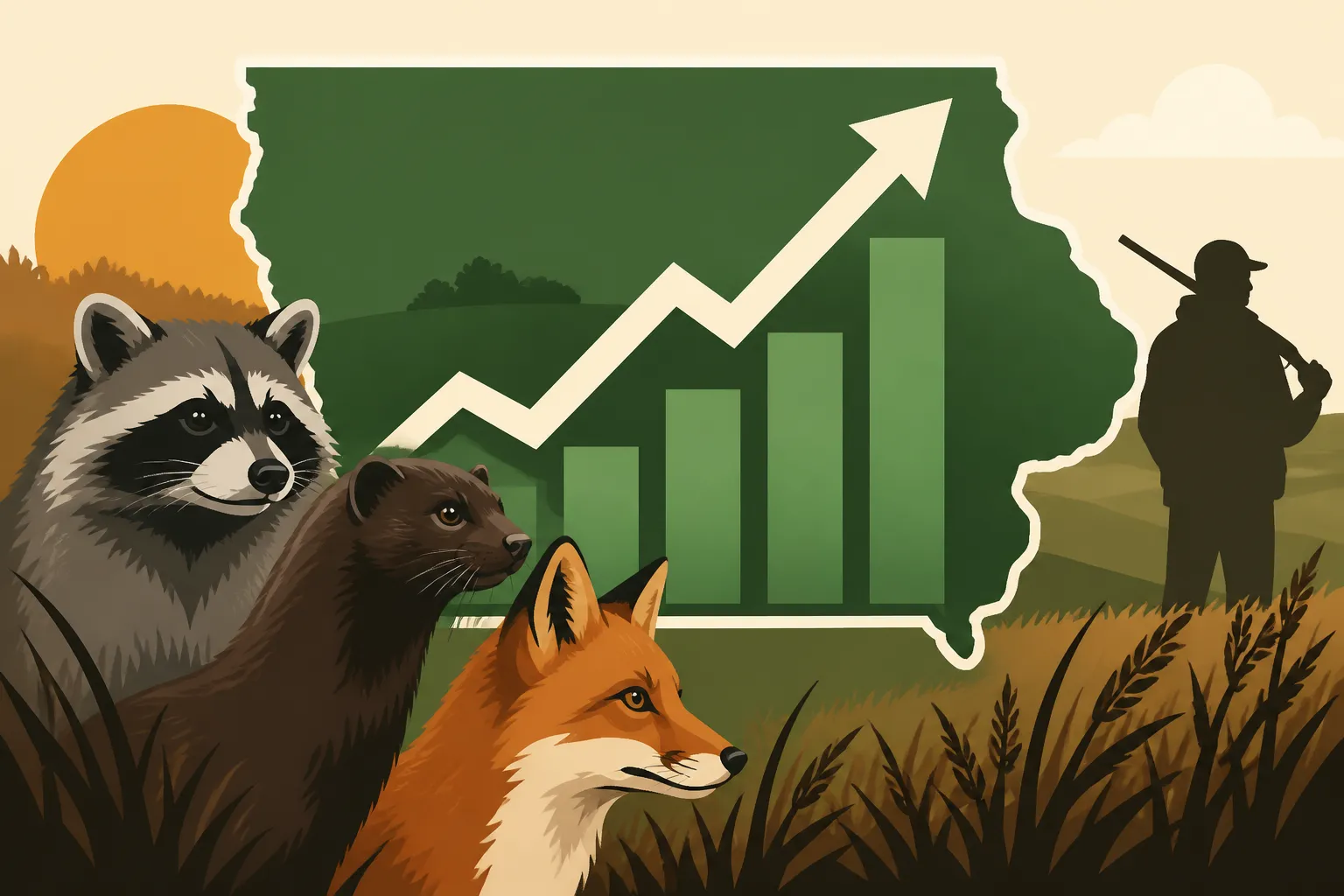
For many seasoned Iowa hunters and trappers, the ebb and flow of furbearer populations aren't just statistics; they're the very pulse of our wild spaces, impacting everything from deer fawn survival to the health of our local ecosystems. Understanding these trends can feel like trying to read tea leaves sometimes, especially when you're out there seeing things firsthand that don't always align with the official reports. This guide will dive deep into Iowa's furbearer harvest trends, exploring the forces that shape them and what they mean for those of us dedicated to working with these resilient animals.
Understanding Iowa's Furbearer Populations
Iowa's landscape, a mosaic of agricultural fields, timber blocks, and winding waterways, is a haven for a diverse array of furbearers. These animals are a vital part of the ecosystem, playing roles as predators, scavengers, and even prey, all while contributing to the intricate balance of nature. But their numbers aren't static; they shift, sometimes dramatically, in response to environmental changes, habitat availability, and human interactions. Keeping tabs on these fluctuations is a full-time job for wildlife managers and a constant source of fascination (and sometimes frustration) for those of us who spend our time afield.
What Defines a Furbearer in Iowa?
When we talk about furbearers in Iowa, we're generally referring to species that are historically hunted or trapped for their pelts. This group includes some of the most adaptable and widespread animals in the state. Think of the wily coyote, the ever-present raccoon, the stealthy fox (both red and gray), the secretive mink, the industrious muskrat, the often-overlooked opossum, and even the badger and skunk. More recently, species like bobcats and river otters, once scarce, have made remarkable comebacks and are now managed under regulated harvest seasons. Each of these animals occupies a unique niche, and understanding their individual biology is key to comprehending the broader trends we see. They aren't just "furbearers"; they're individual species with distinct needs and behaviors.
For instance, raccoons thrive in Iowa's farm country, often seen raiding cornfields or denning in old barns and hollow trees. Their abundance is directly tied to the agricultural bounty, which provides an almost endless food supply. In contrast, mink and muskrat are tied closely to wetland and riparian habitats, their numbers often reflecting the health of our rivers, streams, and marshes. A trapper looking to target mink knows they need clean water and good bank cover, a very different scouting approach than trying to locate a coyote in a sprawling picked soybean field.
How Population Data is Collected
The Iowa Department of Natural Resources (DNR) relies on a combination of methods to estimate furbearer populations and gauge harvest success. It's not a perfect science, but it provides crucial insights. One of the primary tools is the annual furbearer harvest report, which requires licensed trappers and hunters to report their take. This data gives wildlife biologists a snapshot of what's being harvested and can reveal trends in species abundance or trapper effort.
Beyond harvest reports, the DNR conducts various surveys. For example, they might use scent station surveys, where specific areas are checked for animal tracks after being baited with an attractant, giving an index of relative abundance. Roadside surveys, though more commonly associated with upland birds like pheasants, can also provide anecdotal data on furbearer sightings. For more elusive species like bobcats and river otters, specific sighting reports from the public, combined with incidental captures or roadkill data, help paint a picture of their distribution and recovery. It’s a bit like putting together a giant jigsaw puzzle, where every piece, no matter how small, contributes to the overall image of the furbearer landscape. Using platforms like GoHunt can help organize some of this public data when looking for trends.
Historical Context of Furbearer Management
Iowa's furbearer management has come a long way from the unregulated trapping days of the early pioneers. In the past, market demand for furs often dictated harvest pressure, leading to boom-and-bust cycles for many species. Some, like the bobcat and river otter, were almost extirpated from the state due to habitat loss and intense trapping pressure in the early to mid-20th century.
However, a greater understanding of wildlife biology and the importance of conservation led to more structured management. Regulations like season dates, bag limits, and specific trap types were implemented to ensure sustainable populations. Reintroduction efforts, particularly for river otters, proved incredibly successful, bringing these charismatic animals back from the brink. The history of furbearer management in Iowa is a testament to adaptive strategies – learning from past mistakes and celebrating conservation successes. It shows that with careful planning and monitoring, even species that faced severe declines can recover and thrive. This historical perspective is vital for appreciating why current regulations are in place and for understanding the resilience of these animals.
Key Furbearer Species and Their Harvest Trends
Each furbearer species in Iowa has its own unique story when it comes to harvest trends. Understanding these individual narratives helps us grasp the bigger picture of wildlife management in the state. From the widespread coyote to the recovering bobcat, human interaction and natural forces constantly shape their destinies.
Coyote and Fox Harvest Dynamics
Coyotes are perhaps the most adaptable and widely distributed furbearer in Iowa, and their harvest reflects this ubiquity. They're primarily hunted for sport, population control, and their fur, with calling and stand hunting being popular methods. Coyote Calling in Iowa Farm Country is a common tactic for hunters in the state. Their numbers have remained robust, even with significant hunting and trapping pressure, a testament to their intelligence and ability to thrive in diverse habitats, including agricultural lands and even suburban fringes. Harvest trends for coyotes often see peaks in winter when their fur is prime and snow cover makes tracking easier.
Foxes, both red and gray, offer a slightly different narrative. While still present across the state, their populations have seen more regional fluctuations. Red foxes, often found in open country and farmland, can compete with coyotes, and some studies suggest coyote presence can suppress red fox numbers. Gray foxes, preferring more timbered and brushy habitats, tend to be less widespread but maintain a presence in areas with suitable cover. Harvest for both species has generally trended downwards compared to historical highs, perhaps due to coyote competition, habitat changes, and fluctuating fur prices. Both species are pursued by hunters and trappers, though trapping is often a more consistent method for taking foxes compared to the highly variable success rates of hunting.
Raccoon and Opossum Harvest Patterns
Raccoons are arguably Iowa's most abundant furbearer, a true success story of adaptation to human-modified landscapes. Their harvest numbers consistently dominate the state's fur reports. These crafty critters thrive in areas with a mix of timber, water, and agricultural fields, which describes much of Iowa. Raccoon Numbers and Fur Prices are often closely linked; when fur prices are high, trapper effort increases, leading to higher harvests. When prices dip, fewer individuals participate, and harvest numbers naturally decline. However, even with low fur prices, raccoons are still harvested in significant numbers, sometimes as a nuisance animal or simply because they're so prevalent.
Opossums, North America's only marsupial, are also incredibly common in Iowa. Their harvest trends largely mirror those of raccoons – high numbers when trapper effort is up, but a generally consistent presence regardless. They are opportunistic omnivores and adapt well to many habitats, though they are particularly susceptible to harsh winters due to their poor thermoregulation and lack of fat reserves. Both raccoons and opossums are important scavengers, playing a crucial role in cleaning up carrion and controlling insect populations, making their consistent presence ecologically valuable despite their often-high numbers.
Mink, Muskrat, and Weasel Trends
These semi-aquatic furbearers are indicators of wetland and riparian habitat health. Mink, sleek and carnivorous, are found along almost any Iowa waterway, from small creeks to major rivers. Their harvest numbers can fluctuate based on water levels, prey availability (like muskrats and small rodents), and trapper effort. Generally, their numbers remain stable in areas with good habitat.
Muskrats, those busy little engineers of the marsh, are directly tied to wetland abundance and water quality. Their populations can experience significant boom-and-bust cycles. A few years of abundant water and good vegetation can lead to huge muskrat numbers, followed by crashes during droughts or periods of harsh, deep freezes that kill off entire colonies in shallow marshes. Trapping these animals requires specialized knowledge of their habits and aquatic sets.
Weasels (long-tailed, short-tailed, and least weasel) are present in Iowa but are rarely targeted specifically by trappers. They are often caught incidentally in sets targeting other furbearers. Due to their small size and the low value of their fur, they don't contribute significantly to the overall furbearer harvest, and data on their specific trends can be harder to interpret, as most trappers aren't setting out solely for weasels.
Bobcat and Otter Management and Trends
The recovery of bobcats and river otters in Iowa is a true conservation success story. Both species were once nearly gone from the state. River otters were reintroduced in the 1980s and 90s, and their populations exploded, leading to regulated trapping seasons. River Otters in Iowa are now common sightings on many Iowa waterways. Their harvest is carefully managed with strict quotas and tagging requirements to ensure sustainability. The DNR closely monitors otter populations, and harvest limits are adjusted based on population assessments.
Bobcats, too, have expanded their range significantly from southern Iowa, where they maintained a foothold, to nearly statewide distribution. Bobcat Range Across Iowa has steadily increased. Like otters, their harvest is highly regulated with a limited quota, specific season dates, and mandatory tagging. This careful management ensures that these charismatic predators continue to thrive while allowing for a limited, sustainable harvest. These species represent a significant achievement in Iowa's wildlife conservation efforts, demonstrating that dedicated management and habitat protection can bring species back from the brink. It's a source of pride for Iowa's hunters and trappers to see these animals once again part of the state's wild tapestry.
Factors Influencing Furbearer Harvest
Harvest numbers for furbearers aren't just a simple count of animals taken; they're a complex interplay of environmental conditions, economic drivers, and human behavior. Understanding these underlying factors is essential for interpreting trends and predicting future outcomes.
Fur Market Fluctuations
Perhaps no factor has a more direct and immediate impact on furbearer harvest than the price of fur. When fur prices are high – driven by international demand for wild furs – trapper effort tends to soar. More people buy a Iowa Furharvester Licence, dust off their traps, and spend more time in the field. This increased effort, naturally, leads to higher harvest numbers across most species. It's simply a matter of supply and demand: more incentive means more people are willing to put in the often-arduous work of trapping.
Conversely, when fur prices plummet, as they have in many recent years, trapper effort drastically declines. Many trappers, especially those who rely on the income, simply can't justify the time and expense for pelts that fetch only a few dollars. This isn't just a theoretical concept; it's a real-world dilemma that determines whether a trapper puts out 50 traps or 5. A veteran trapper might lament, "Why put in all that work for a raccoon when its prime fur barely covers the cost of fuel and bait?" This reduction in effort often results in lower harvest numbers, even if furbearer populations remain stable or even increase. The animals are still out there, but fewer people are pursuing them. GoHunt analytics might even show how these price changes affect participation rates.
Habitat Availability and Quality
While fur prices influence effort, habitat is the bedrock of furbearer populations. Iowa's heavily agricultural landscape means that the availability and quality of suitable habitat are constantly in flux. Diverse habitats, such as those found in areas participating in the Iowa's Habitat and Access Program Explained, offer the best conditions for a variety of furbearers. Areas with extensive timber, brushy cover, riparian corridors, and wetlands tend to support higher densities of most furbearers.
However, continuous agricultural expansion, tiling of wetlands, and fragmentation of timber blocks can reduce or degrade critical habitat. For species like muskrats, healthy wetlands with ample emergent vegetation are vital. For bobcats and gray foxes, larger blocks of timber and brush provide the necessary cover for denning and hunting. Even for adaptable species like raccoons and coyotes, quality habitat ensures higher survival rates and successful reproduction. A prime example is a narrow creek corridor lined with mature timber. It serves as a natural highway and refuge for deer, but also for raccoons, mink, and foxes, providing food, water, and shelter in an otherwise open agricultural landscape. Without these vital habitats, even if fur prices were through the roof, the potential for high harvest simply wouldn't exist.
Weather and Environmental Conditions
Mother Nature plays a huge, often unpredictable, role in furbearer populations and subsequent harvest. Severe winters, for example, can be incredibly tough on furbearers. Deep snow and prolonged cold can make finding food difficult, especially for smaller species or those less adapted to harsh conditions. Winter Severity and Iowa Pheasant Numbers is a common concern for upland game, and similar concerns apply to furbearers. Animals like opossums, which aren't built for extreme cold, can suffer significant mortality. Conversely, mild winters can lead to higher overwinter survival rates, boosting populations for the following year.
Droughts can also have a profound impact, particularly on aquatic furbearers like mink and muskrats. Low water levels can reduce available habitat, concentrate animals, and make them more susceptible to predation or disease. Widespread diseases, though often localized, can decimate populations of specific species. Canine distemper, for instance, can heavily impact raccoons, foxes, and coyotes in certain areas. These natural fluctuations create boom-and-bust cycles that trappers and hunters must adapt to. A trapper targeting muskrats might have incredible success after a few wet years only to find their usual marsh bone dry and devoid of activity during a prolonged drought. These environmental variables are a constant reminder of the wild nature of furbearer populations, irrespective of human intervention.
The Role of Regulation and Management
Effective furbearer management in Iowa isn't just about counting animals; it's about setting smart rules that allow for sustainable harvest while ensuring healthy populations for the future. These regulations are the backbone of responsible wildlife stewardship, balancing recreational opportunity with ecological integrity.
Season Dates and Bag Limits
Iowa's furbearer season dates are carefully structured to align with biological cycles and ensure ethical harvest. Most furbearer seasons typically open in late fall, allowing animals to develop prime winter fur, which is more valuable and durable. For example, Iowa Trapping Season Dates are set after temperatures have dropped consistently, ensuring good fur quality. This timing also generally avoids the peak breeding and denning periods for most species, minimizing disruption to reproduction.
Bag limits, where applicable (like for bobcats and otters), are a critical tool for managing populations of recovering or more sensitive species. These limits, along with overall quotas, are designed to keep the harvest within sustainable levels, allowing populations to continue to grow or remain stable. For more abundant species like raccoons and coyotes, there are often no daily or season-long bag limits, as their populations are robust enough to withstand higher harvest pressure. These regulations are decided upon by wildlife biologists who analyze harvest data, population trends, and public input to strike a balance. It's a delicate dance between providing opportunity and ensuring conservation, and those who apply for tags must pay attention to details on GoHunt or the DNR website.
License Requirements and Reporting
Participation in furbearer hunting and trapping in Iowa requires specific licenses, notably the Iowa Furharvester Licence. These licenses generate funds that directly support wildlife management and conservation efforts across the state. The act of purchasing a license is an investment in the future of Iowa's wildlife, and it's a commitment that most hunters and trappers take seriously.
Beyond licensing, mandatory harvest reporting is a cornerstone of effective furbearer management. Hunters and trappers are required to report their take of certain species, providing the DNR with vital data. Iowa Deer Harvest Reporting Rules are strict for deer, and similar principles apply to regulated furbearers like bobcats and otters. This reported data helps biologists track annual harvest totals, identify regional differences in population density, and assess the impact of regulations. Without accurate reporting, the DNR would be flying blind, making it much harder to make informed decisions about season lengths or bag limits. It might feel like a bit of paperwork after a long day in the field, but it's essential for ensuring the health of the resource we all value.
Disease Monitoring and Control
Wildlife diseases can pose a significant threat to furbearer populations, and ongoing monitoring is a crucial part of management. The DNR actively tracks outbreaks of diseases like rabies, canine distemper, and parvovirus, which can impact furbearers such as foxes, coyotes, and raccoons. While direct control of these diseases in wild populations is often impractical, monitoring helps understand their prevalence and potential impact on harvestable numbers.
For instance, if a specific region shows a significant increase in reported sick or diseased furbearers, it could indicate a population decline or localized health issue that might warrant adjusted harvest strategies. Iowa Wildlife Disease Monitoring is also critical for understanding potential crossovers between species, and while Chronic Wasting Disease (CWD) is primarily a concern for deer, other diseases can affect furbearer health. Trappers and hunters are often the first to notice signs of disease in the field, and reporting these observations to the DNR is incredibly valuable for early detection and assessment. This proactive approach helps protect not only the furbearer populations themselves but also the health of other wildlife and, indirectly, domestic animals.
Economic and Recreational Impact of Furbearer Harvesting
Furbearer harvesting in Iowa isn't just about managing wild populations; it's also about a rich tradition, economic contributions, and the ecological benefits these practices bring to the state. It represents a tangible connection to nature and a lifestyle deeply rooted in Iowa's heritage.
Economic Contribution to Iowa
While the overall value of wild furs has seen significant fluctuations, furbearer harvesting still provides a quiet but consistent economic benefit to Iowa. For many trappers, especially during periods of higher fur prices, selling pelts can supplement their income. This isn't just about the direct sale of furs; it extends to local businesses. Trappers and hunters buy equipment – traps, baits, lures, knives, fuel for their vehicles, and even a new pair of boots – from local sporting goods stores, farm co-ops, and bait shops across Iowa.
Consider a dedicated trapper who runs a long line. They're investing in wire, stakes, anchors, scent, specialized tools, and gasoline for countless miles driven to check their traps. This money, often spent in rural communities, recirculates, supporting small businesses and contributing to the local economy. While it may not be a massive industry compared to corn and soybeans, it's a steady trickle of funds that benefits many small enterprises and provides a livelihood for some, especially in communities where other economic opportunities might be scarce.
Recreational Value for Hunters and Trappers
Beyond economics, the recreational value of furbearer hunting and trapping is immense and often deeply personal. For many, it's a cherished family tradition, passed down through generations. Teaching a grandchild how to set a foothold trap for a raccoon or calling in a coyote on a cold winter morning fosters a deep connection to the outdoors and a profound respect for wildlife. This outdoor pursuit instills critical skills in observation, tracking, patience, and woodsmanship that are often lost in modern society.
The challenge and satisfaction of outsmarting a wild animal, whether it's a wily fox avoiding your calls or a mink slipping into a perfectly placed set, is a unique reward. It's a way to engage with the natural world on its own terms, to understand the subtle rhythms of the land. It provides a unique kind of solitude and reflection, an escape from the hustle and bustle of daily life. For those involved, it's not just a hobby; it's a way of life that connects them to the land and its wild inhabitants, fostering an appreciation for species like coyotes that also impact Predator Impact on Iowa Fawns.
Ecological Benefits of Furbearer Management
Furbearer harvesting also provides important ecological benefits, contributing to the overall health and balance of Iowa's ecosystems. Predators like coyotes and foxes play a crucial role in regulating populations of small mammals, contributing to natural pest control. Their presence helps keep rodent numbers in check, which can benefit agricultural interests and reduce disease transmission.
Trapping, in particular, can be an effective tool for localized population management, especially for overabundant species like raccoons, which can become agricultural pests or negatively impact ground-nesting birds and waterfowl. By reducing high densities of furbearers, trappers can help alleviate pressure on certain prey species and reduce the spread of diseases within furbearer populations. Furthermore, the data collected from harvest reports allows wildlife managers to make informed decisions that support broader conservation goals, ensuring that furbearer populations remain healthy and continue to play their vital ecological roles in Iowa's diverse landscape.
Future Outlook for Iowa's Furbearers
Looking ahead, the future of Iowa's furbearers will likely continue to be shaped by a mix of ecological forces, economic realities, and dedicated management efforts. While challenges exist, the resilience of these animals and the commitment of conservationists offer hope for their continued prosperity.
Challenges and Opportunities in Modern Furbearer Management
One of the persistent challenges in furbearer management is balancing diverse public perceptions. While hunters and trappers see the value in regulated harvest for management and recreation, urban populations often have different views, leading to discussions about ethical practices and wildlife control. Communicating the ecological roles of furbearers and the conservation benefits of sustainable harvest remains a key opportunity for education and outreach. Furthermore, habitat fragmentation due to ongoing development and intensive agriculture will continue to demand innovative conservation strategies to maintain crucial corridors and refuge areas for furbearers. Programs that incentivize landowners to create and maintain diverse habitats are more important than ever.
On the opportunity side, advancements in research and monitoring techniques are constantly improving our understanding of furbearer populations. The use of GPS tracking, genetic studies, and improved survey methodologies allow biologists to get a more accurate picture of population dynamics, home ranges, and dispersal patterns. This data-driven approach allows for more precise management, ensuring that regulations are adaptive and effective. The continued success of species like bobcats and river otters, along with stable coyote and raccoon populations, showcases that sustainable coexistence is indeed possible with thoughtful management.
Adapting to Climate and Landscape Changes
Iowa's climate is changing, with warmer winters, more frequent extreme weather events, and shifting precipitation patterns. These changes will undoubtedly impact furbearers. Milder winters might reduce overwinter mortality for some species, while increased heavy rainfall could affect aquatic furbearers and their habitats. Wildlife managers will need to remain nimble, adjusting strategies to these evolving conditions. This includes focusing on habitat resilience, creating diverse cover that can withstand varying weather patterns, and managing water resources effectively.
The agricultural landscape itself will also continue to evolve. Changes in crop rotations, conservation practices, and land use will create new challenges and opportunities for furbearers. For instance, an increase in cover crops or buffer strips could create additional habitat, while further removal of fence rows and woodlots could reduce it. The integration of technology in scouting, like detailed mapping apps that show public and private land boundaries, helps hunters and trappers navigate these changes, but broader landscape-level conservation efforts are paramount.
The Role of Citizen Scientists and Future Generations
The future of Iowa's furbearers also heavily depends on the engagement of its citizens. Hunters, trappers, and wildlife enthusiasts who report observations, participate in surveys, and adhere to regulations are vital citizen scientists. Their eyes and ears on the ground provide invaluable information that complements official DNR data. Educating the next generation about the importance of furbearers, the ecological balance they represent, and the value of ethical harvesting practices is crucial. This means fostering an appreciation for all wildlife, from the smallest muskrat to the largest whitetail buck.
Continuing the tradition of responsible hunting and trapping ensures not only that furbearer populations remain healthy but also that these rich outdoor traditions endure. Organizations like the Iowa Trappers Association and various hunting groups play a critical role in mentoring new participants and advocating for sound wildlife policies. By embracing adaptive management, fostering habitat diversity, and engaging the public, Iowa can ensure that its diverse furbearer populations continue to thrive for generations to come, enriching our natural heritage and providing unique opportunities for outdoor pursuits.
| Furbearer Species | Primary Harvest Method(s) | General Population Trend (Last 10-20 years) | Key Habitat |
|---|---|---|---|
| Coyote | Hunting, Trapping | Stable to Increasing | Widespread (farm, timber, urban fringe) |
| Raccoon | Trapping, Hunting | Stable, High Abundance | Widespread (farm, timber, riparian) |
| Red Fox | Trapping, Hunting | Stable to Slight Decline | Open farmlands, grasslands |
| Gray Fox | Trapping, Hunting | Stable, Localized | Timber, brushy areas |
| Bobcat | Trapping, Hunting | Increasing (recovering) | Timbered areas, dense cover |
| River Otter | Trapping | Increasing (recovering) | Rivers, streams, wetlands |
| Mink | Trapping | Stable | Aquatic (streams, marshes, ponds) |
| Muskrat | Trapping | Fluctuating (habitat/water dependent) | Wetlands, marshes, slow-moving water |
| Opossum | Trapping, Hunting | Stable, High Abundance | Widespread (farm, timber, urban fringe) |
Disclaimer
Please remember that hunting and trapping regulations, season dates, and quotas are subject to change. Always consult the official Iowa Department of Natural Resources (DNR) regulations pamphlet or their website before planning any hunting or trapping activities. The information provided here is for general informational purposes and should not be considered legal advice.