Iowa Coyote Hunting Licence Rules
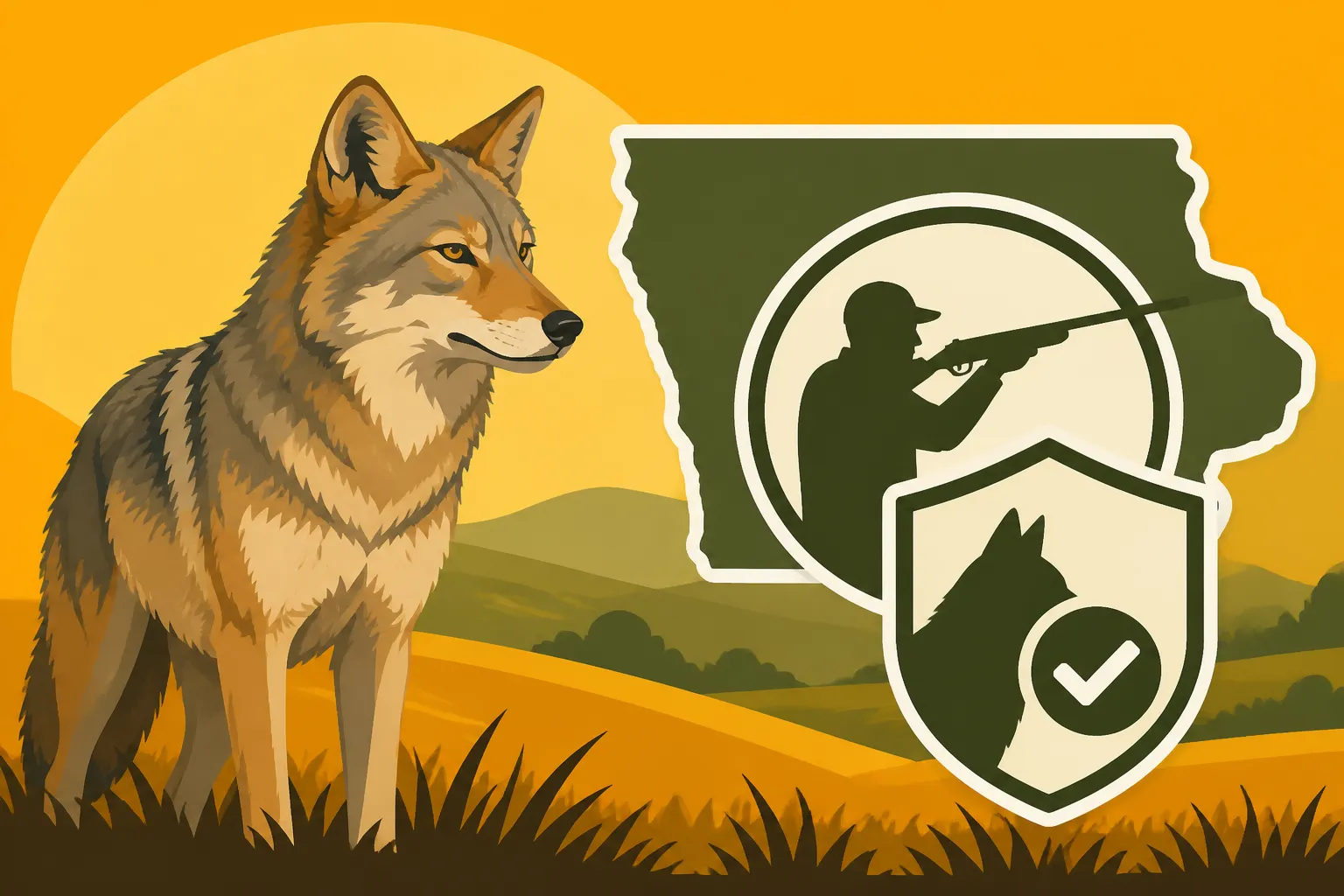
Navigating the specific rules for hunting coyotes in Iowa can sometimes feel like trying to track a ghost through a cornfield – elusive and confusing, especially when you’re just trying to figure out what licenses you actually need. Many hunters get frustrated because the regulations for predators like coyotes aren't always as clear-cut as they are for deer or turkeys. This guide will walk you through everything you need to know about Iowa's coyote hunting license rules, ensuring you're legal and ready for your next hunt.
Understanding Iowa's Approach to Coyote Hunting
Coyotes in Iowa are a unique case in wildlife management, often falling into a category that can be a bit perplexing for hunters used to explicit seasons and tag requirements for other game species. It's not always intuitive, especially when you hear different things from different people at the local co-op or online. The reality is, Iowa’s approach to coyote management reflects their status as a plentiful, adaptable species that can impact livestock and other wildlife.
Why Coyotes Are Managed Differently
Unlike white-tailed deer or wild turkeys, coyotes don't typically have specific hunting seasons or bag limits in Iowa. This isn't an oversight; it's a deliberate management strategy. Coyotes are considered a furbearer by the Iowa Department of Natural Resources (DNR), but they also hold a "predator" status. This dual classification means they are often managed with fewer restrictions than species that require more intensive conservation efforts. The DNR recognizes their widespread presence and reproductive capacity, which allows for a more open approach to hunting them. Farmers and landowners frequently experience issues with coyotes preying on calves, lambs, or even domestic pets, so allowing year-round hunting with minimal hurdles helps manage these conflicts. It’s a practical, rather than purely recreational, approach, though plenty of us find great enjoyment in the challenge of a coyote hunt!
The Role of Hunters in Population Control
Hunters play a crucial role in managing Iowa's coyote population. With fewer natural predators (like wolves) and an abundance of food sources, coyotes thrive in Iowa's agricultural landscape. Their numbers can rebound quickly, making consistent pressure from hunting and trapping important for maintaining a healthy balance. When you head out to call in a coyote, you're not just enjoying a challenging hunt; you're actively contributing to local wildlife management and helping alleviate potential conflicts for landowners. This is why the state makes it relatively straightforward to pursue them. It’s a recognition that hunters are a vital tool in the conservation toolkit, even for species that some might view as pests. The open seasons and less restrictive licensing are designed to encourage participation in this necessary management. Many dedicated hunters use platforms like GoHunt to scout areas and understand population dynamics before heading out, ensuring their efforts are as effective as possible.
Iowa Coyote Hunting License Requirements
This is where the rubber meets the road, and it’s often the source of the most confusion. What exactly do you need in your pocket to legally hunt a coyote in Iowa? The rules are thankfully simpler than for many other species, but there are still essential components you absolutely cannot overlook.
Residents vs. Non-Residents
For Iowa residents, the licensing for coyote hunting is quite minimal. If you're an Iowa resident and you possess a valid hunting license (such as the standard Iowa resident deer license, or even just an annual hunting license), you are generally good to go for coyote hunting. The key is that base hunting license. You don't need a specific "coyote tag" or a separate furbearer license just for hunting coyotes with a firearm or archery equipment. However, if you plan to trap coyotes, or hunt other furbearers like fox, badger, or raccoon, then an Iowa Furharvester Licence would be necessary. This distinction is crucial: hunting versus trapping. For most recreational coyote hunters simply calling them in, your existing general hunting license covers it.
Non-residents, however, have a slightly different set of requirements. If you're coming from out of state, you’ll need a non-resident hunting license. Beyond that, many non-residents often purchase an "Iowa Nonresident Small Game Licence Cost" to cover species like pheasants or rabbits, and this license typically covers coyote hunting as well. While the state doesn’t specifically offer a "coyote only" license for non-residents, the broader small game or general hunting license will suffice. It's always a good idea for non-residents to double-check the latest Iowa regulation booklet release date, as rules can sometimes change or be interpreted differently. Utilizing tools from GoHunt can help clarify these nuances by providing up-to-date summaries of regulations.
The Importance of a Habitat Fee
Regardless of whether you're a resident or non-resident, almost every hunter in Iowa must pay a habitat fee. This fee is absolutely essential and goes directly towards funding critical conservation efforts across the state. It supports programs that acquire, develop, and maintain habitat for various wildlife species, including public hunting land in Iowa. Think of it as your contribution to the very ground and wildlife you're enjoying.
The habitat fee is usually purchased along with your base hunting license or any other license you acquire. It's not a standalone item you buy for each species; it's an annual fee associated with your overall hunting privileges. So, if you've already bought an Iowa base license and habitat fee for deer hunting, you're covered for the habitat fee component when you go after coyotes. For those just getting into hunting, understanding these foundational costs, such as the Iowa base license and habitat fee, is a critical first step.
Specific Licenses You Might Need (or Not!)
Let's break down the typical scenarios for coyote hunting in Iowa:
| Hunter Type | Primary License Needed | Additional Requirements | Notes |
|---|---|---|---|
| Iowa Resident (Hunting only) | Annual Hunting License | Iowa Habitat Fee (if not already purchased with another license) | This is usually the easiest path. If you hunt deer or other game, you likely already have this. Covers hunting with firearms or archery equipment. |
| Iowa Resident (Trapping) | Iowa Furharvester Licence | Iowa Habitat Fee (if not already purchased) | Required for setting traps for coyotes, or hunting other furbearers like raccoons or fox. |
| Non-Resident (Hunting only) | Non-Resident Hunting License OR Nonresident Small Game License | Iowa Habitat Fee | A non-resident hunting license is the baseline. Many opt for the small game license as it offers broader opportunities. No specific "coyote tag" needed. |
| Non-Resident (Trapping) | Non-Resident Furharvester License | Iowa Habitat Fee | Same distinction as residents: trapping requires a specific furharvester license. |
It's important to reiterate that for most folks just heading out with a rifle or bow to call coyotes, a valid hunting license (resident or non-resident, depending on your status) and the associated habitat fee will typically cover your needs. No extra permits or tags. This makes it a very accessible hunting opportunity.
Rules and Regulations Beyond the License
While the licensing is straightforward, there are still crucial rules of engagement you need to be aware of when pursuing coyotes in Iowa. These regulations are in place for safety, ethical hunting, and to respect property rights. Don't let the simplicity of the license lull you into thinking there are no other rules!
Legal Hours and Methods
Coyotes can be hunted year-round in Iowa, day or night. This is a significant difference from most other game species. You can hunt them 24 hours a day, which opens up fantastic opportunities for night hunting, especially when they are most active. However, there are very specific regulations regarding equipment used during night hunting. For example, Night Hunting Rules for Coyotes in Iowa address the use of artificial lights. While you can use a light for coyote hunting at night, it must be hand-held or mounted on your person. It cannot be mounted on a vehicle and must be carried by a person. Electronic calls are also perfectly legal for coyote hunting, which is a huge advantage for those trying to imitate distress sounds to lure in wary predators.
When it comes to methods, common hunting tools like centerfire rifles, rimfire rifles, shotguns, muzzleloaders, and bows (compound, recurve, longbows, and crossbows) are all legal for coyote hunting. There are no caliber or gauge restrictions like there are for deer, giving you a lot of flexibility in your choice of weapon. This freedom in methods and hours truly underscores the state's intent to allow for robust coyote management.
Landowner Permission and Public Land Access
This is perhaps the most critical rule, regardless of what you're hunting: you must have permission to hunt on private land. Iowa has a tremendous amount of private property, and while asking an Iowa landowner for permission can sometimes feel daunting, it’s absolutely non-negotiable. Always approach landowners respectfully, well in advance, and get their clear consent. Without it, you are trespassing, which carries serious penalties. Many of the best coyote hunting spots are on private agricultural land where these predators are causing problems.
For public land access, while Iowa might not have vast tracts of federal land like some western states, there are still excellent opportunities. State forests, county conservation board areas, and Iowa Wildlife Management Areas often have coyotes. Always check the specific regulations for each public area you plan to hunt, as some might have additional rules or closures during certain times of the year, particularly during waterfowl seasons in wetland areas. You can often find maps and specific rules for these areas using the Iowa DNR's online resources or through detailed hunting apps that leverage data from GoHunt. Remember, just because it's public doesn't mean it's a free-for-all; adhere to all posted rules and be a respectful user. You can learn more about general public access rules from sources like Iowa Public Land Camping Rules, even if you're just day hunting.
Night Hunting and Thermal/Night Vision Gear
The ability to hunt coyotes at night is a game-changer for many hunters. Coyotes are often more active after dark, especially in areas with significant human activity during the day. As mentioned, artificial lights are legal, but handheld or person-mounted only. This means no spotlighting from a vehicle.
When it comes to advanced optics, thermal and night vision devices are legal for hunting coyotes in Iowa. This is fantastic news for serious predator hunters. These technologies give you a distinct advantage in locating and identifying coyotes in low-light conditions. However, the use of these devices for other species, like deer, is strictly prohibited. So, ensure you’re only using them for legal species like coyotes or other legal predators. Always be sure of your target and what lies beyond it, as night hunting requires an even greater emphasis on safety and positive target identification. The clarity on Night Hunting Rules for Coyotes in Iowa is a big draw for many hunters.
Common Questions and Misconceptions
There's a lot of chatter out there, and sometimes it's hard to separate fact from fiction when it comes to coyote hunting rules. Let's clear up some of the most common questions and dispel a few myths.
Can I Hunt Coyotes During Deer Season?
Yes, absolutely! This is one of the most frequently asked questions, and the answer is a resounding yes. You can hunt coyotes during any open deer season (archery, shotgun, muzzleloader) as long as you are legally licensed for both hunting activities and are adhering to all other regulations. For example, if you are deer hunting with a shotgun during the shotgun season and a coyote comes in, you can legally harvest it, provided you have your base hunting license and habitat fee.
However, there are two crucial points to remember:
- Blaze Orange: If you are hunting during a gun deer season (shotgun or late muzzleloader), you must wear blaze orange, even if you are specifically targeting coyotes. This is a safety regulation for all hunters afield during these seasons. You can find more details on Iowa Blaze Orange Requirements.
- Weapon Restrictions: While you can carry multiple weapons if legally permitted, if you are hunting specifically for deer with a regulated weapon (like a shotgun or muzzleloader), that weapon can also be used for coyotes. However, if you are hunting only coyotes during a deer season, you still adhere to general coyote weapon rules. The intent is that you can take a coyote if the opportunity arises while deer hunting, or target them specifically, but always be mindful of active deer seasons and their associated safety regulations. Many find success in coupling their "Iowa Whitetail Hunting Tactics Through the Rut" with a sharp eye for coyotes.
Are There Bag Limits or Specific Seasons?
Another point of confusion for hunters is whether coyotes have bag limits or specific seasons. The simple answer here is: no, they do not. As discussed earlier, Iowa treats coyotes largely as a nuisance species and a furbearer without the same recreational harvest limits as other game animals.
- No Bag Limit: You can harvest as many coyotes as you want. There's no daily or seasonal limit on the number you can take.
- No Closed Season: Coyote hunting is open year-round, 365 days a year. This continuous open season is a testament to the state's management philosophy for this adaptable predator.
This lack of limits or seasons makes coyote hunting a fantastic option for hunters looking for opportunities outside of traditional deer or turkey seasons. It provides a year-round challenge and a way to stay sharp with your hunting skills. Just ensure you are always respectful of property boundaries and have the necessary permission if on private land. The Iowa Coyote Population remains healthy, supporting this generous approach to hunting.
Disclaimer
The information provided in this guide is for general informational purposes only and is not intended as legal advice. Hunting regulations can change, and interpretations may vary. It is your responsibility to consult the most current Iowa Department of Natural Resources (DNR) hunting regulations and relevant state laws before engaging in any hunting activities. Always ensure you are fully compliant with all local, state, and federal regulations.