Reporting an Iowa Deer Online
There's nothing quite like the rush of successfully harvesting a deer here in Iowa, whether it's a big buck or a doe for the freezer. You put in the time scouting, practiced your shots, and finally, all that effort paid off. But then, in the excitement or the exhaustion of field dressing and getting your deer home, you remember that one crucial, often overlooked step: reporting your harvest. It's easy to forget the specifics or feel overwhelmed by the process, but trust me, it's a vital part of the hunting experience. This guide is going to walk you through exactly how to report your Iowa deer online, making it as straightforward as possible so you can focus on the memories, not the paperwork.
Why Deer Harvest Reporting Matters in Iowa
You might think, "I bought my tag, I harvested my deer, what's the big deal about reporting it?" And that's a fair question. Many hunters, especially newer ones, don't fully grasp the impact their individual report has. But in a state like Iowa, where deer management is a constant balancing act between hunter opportunity, crop damage, and herd health, every single report contributes to a much larger picture. It’s not just busywork; it's a fundamental pillar of sound wildlife conservation.
The DNR's Need for Data
The Iowa Department of Natural Resources (DNR) relies heavily on hunter harvest data to make informed decisions about future hunting seasons. Imagine trying to manage a business without knowing how much product you're selling or what your inventory looks like. That's essentially what the DNR would be doing if hunters didn't report their deer. Each report helps the DNR estimate deer populations, track harvest trends by county, and understand the success rates of different weapon seasons.
This data is absolutely critical for setting things like Iowa Antlerless Tags and Quotas for upcoming seasons. If harvest numbers are too low in certain areas, the DNR might increase antlerless tags to help control the population. Conversely, if numbers are too high, they might restrict tags. It's all about balancing the herd with the available habitat and minimizing issues like vehicle collisions or crop depredation. Without accurate reporting from hunters like us, these critical management decisions would be little more than guesswork, potentially leading to an unhealthy herd or frustrated landowners. Your five minutes online literally helps shape the future of Iowa deer hunting.
Your Legal Obligation as a Hunter
Beyond the vital conservation aspect, reporting your deer harvest is a legal requirement in Iowa. It's not optional. When you purchase an Iowa Hunter Education and Licensing Basics, you agree to abide by all state hunting regulations, and harvest reporting is definitely one of them. Forgetting to report, or intentionally not reporting, can lead to some pretty significant headaches down the road, including fines and other penalties. It's simply not worth the risk.
The DNR has made the process as easy as possible, largely moving to an online system to streamline submissions. This convenience means there's really no good excuse for not getting it done within the specified timeframe. Understanding the specific rules, like the Iowa Deer Harvest Report Deadline, is crucial. Most deer need to be reported within 24 hours of harvest, though there might be slight variations depending on the season or specific circumstances. Failing to report isn't just a minor infraction; it can be considered a serious wildlife violation, and the Penalty for Missing an Iowa Harvest Report can definitely put a damper on your hunting season.
Step-by-Step Guide to Reporting Your Iowa Deer Online
Okay, so you've got your deer tagged and handled, and now it's time to log that harvest. The good news is, Iowa's online reporting system is designed to be pretty user-friendly. Most hunters find it takes just a few minutes once they have all their information handy. Don't stress, we'll walk through it together.
Accessing the Go Outdoors Iowa System
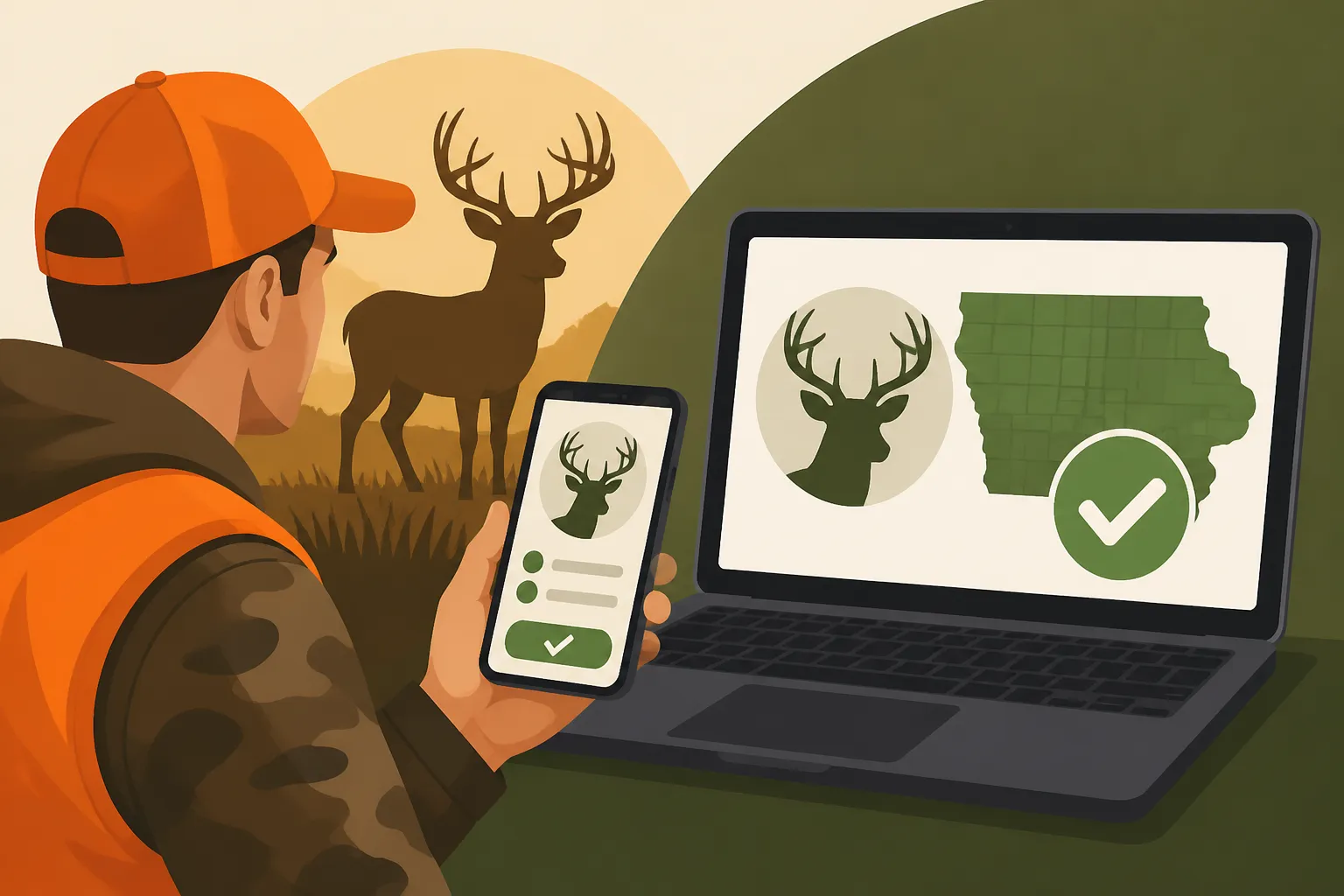
The primary platform for reporting your deer harvest is the Iowa DNR's licensing and reporting system, which you'll likely recognize as Go Outdoors Iowa. It's the same place you probably bought your license and tags. If you’ve ever bought a license online, you’re already halfway there!
First, you'll need to head over to the Iowa DNR's Go Outdoors Iowa website. You'll log in using your customer ID (which is usually your Iowa driver's license number if you're a resident, or a unique ID if you're a nonresident) and your date of birth. This verifies your identity and pulls up your hunting license information. Some hunters use services like GoHunt to keep track of their licenses and tags, and these platforms often link directly to the state's reporting portal, making it even easier to navigate. Make sure you have your exact harvest tag number ready, as you'll need to associate the reported deer with a specific tag you held. If you're a nonresident, you'll have applied for your tags through this same system, so your login credentials should be familiar.
Entering Harvest Details Accurately
Once you're logged in, you'll typically see an option for "Harvest Reporting" or "Report a Deer." Click on that, and it will prompt you to enter the specifics of your harvest. This is where accuracy is key, as this data feeds directly into those critical management decisions we talked about earlier.
Here's the kind of information you'll typically need to provide:
- Date of Harvest: The exact date you took the deer.
- Time of Harvest: The approximate time of day.
- County of Harvest: The specific Iowa county where you harvested the deer. This is crucial for localized herd management.
- Sex of Deer: Buck or Doe.
- Antler Points: If it was a buck, you'll need to count the points. This usually means points at least one inch long. For a "button buck," report it as antlerless.
- Weapon Used: Bow, shotgun, muzzleloader, straight-wall cartridge rifle, handgun, etc. This helps the DNR analyze success rates across the various Iowa Deer Season Dates by Weapon.
- Harvest Tag Number: The unique number from the tag you used on that specific deer.
- Method of Take: This might include specifics like archery, shotgun, muzzleloader, or straight-wall rifle.
Take your time entering this information. Double-check the county, sex, and antler points. It's easy to make a quick mistake when you're rushing, but those errors can skew the data the DNR relies on. Remember, the online system provided by Go Outdoors Iowa is designed to be intuitive, prompting you for each piece of information.
Confirmation and Record Keeping
After you've entered all the required details and hit submit, the system will usually provide you with a confirmation number or a printable confirmation page. This is important! While the system should register your report automatically, it’s always a good idea to keep a record for your own peace of mind.
You can often print this page or save it as a PDF on your computer or phone. This confirmation acts as your proof that you fulfilled your legal obligation. Consider creating a small folder on your computer for your hunting records, or even printing out a physical copy to keep with your hunting license. If, for any reason, there's a question about your report in the future, having that confirmation number or printout will be invaluable. Many hunters also jot down the confirmation number directly on their physical tag after it's been affixed to the deer and reported. It's just another layer of personal responsibility in managing your harvest legally and ethically.
Common Questions and Troubleshooting for Online Reporting
Even with the best intentions, questions and hiccups can arise when reporting your deer. Maybe you’re out of cell service, or you simply forgot the deadline. It happens to the best of us! Knowing what to do in these situations can save you a lot of stress.
Reporting Deadlines and Exceptions
The standard rule for deer harvest reporting in Iowa is that you must report your deer within 24 hours of harvest and before the deer leaves the state. This is a pretty firm deadline for most seasons. However, there can be some nuances, especially with specific seasons. For instance, if you're participating in one of the Iowa January Antlerless Hunts, the reporting window is the same, but the overall hunting conditions (like extreme cold or snow) might make getting online more challenging.
It's always best to check the current Iowa Hunting Regulations booklet for the most up-to-date and specific deadlines for each season you plan to hunt. These booklets are available annually on the Iowa DNR website and at most places where licenses are sold. The 24-hour rule is there for a reason: it ensures timely data collection and reduces the chances of issues like illegal transport or tagging confusion. Plan ahead: if you know you'll be hunting somewhere with no service, consider reporting immediately upon returning to an area with connectivity, or have a backup plan.
What if You Don't Have Internet Access?
This is a very common concern, especially for hunters who venture into more remote areas of Iowa, or those who simply aren't comfortable with computers. While online reporting through the Go Outdoors Iowa system is the preferred method, the Iowa DNR understands that internet access isn't always readily available.
If you find yourself in a situation without internet, you typically have an alternative: phone reporting. You can call the Iowa DNR's automated harvest reporting system. This option usually involves calling a specific toll-free number and following the voice prompts to enter your harvest information. It's a bit more old-school, but it works! It’s smart to have this number saved in your phone before you head out, just in case. Always be prepared with your license number and harvest tag details when you call. This flexibility ensures that even if you're deep in the timber in southern Iowa, you can still fulfill your reporting obligation.
Correcting a Mistake or Missing a Report
We're all human, and sometimes mistakes happen. Maybe you accidentally entered the wrong county, or you miscounted antler points in the excitement of the moment. If you realize you've made an error on an already submitted report, or if you completely forgot to report a deer within the 24-hour window, don't panic, but do act quickly.
Your first step should be to contact the Iowa DNR directly. Look for a phone number for their wildlife or law enforcement bureau on the official DNR website. Explain your situation calmly and honestly. They would much rather you correct an error or report a forgotten deer than have it go unreported or inaccurate. While there might be questions or a bit of paperwork, being proactive is always the best approach. Ignoring the issue or hoping it goes unnoticed could lead to bigger problems down the line, potentially resulting in a Penalty for Missing an Iowa Harvest Report. They understand that people make honest mistakes, but open communication is key to resolving them.
Beyond the Report: Understanding Iowa's Deer Management
Reporting your deer online isn't just a regulatory hoop to jump through; it’s an active participation in the larger ecological stewardship of Iowa’s impressive deer herd. Your actions, collectively with thousands of other hunters, paint a comprehensive picture that guides serious conservation efforts.
How Your Report Contributes to Future Seasons
Every piece of data you submit—the county, the sex of the deer, the antler points, the weapon used—is aggregated by the Iowa DNR. This data is the backbone of their herd management strategy. It helps them understand population density in different areas, assess the impact of various hunting seasons, and project future trends. For example, if bowhunters report a high number of mature bucks in a particular zone, while shotgun hunters report many does, it helps the DNR confirm their management strategies are working, or adjust them if needed. This information directly influences decisions on future tag allocations and season structures, ensuring sustainable hunting opportunities for years to come. It’s how the DNR maintains Iowa’s reputation for Iowa Whitetail Deer and Why They Score So High, by making sure we're not overharvesting or underharvesting.
Your report, combined with countless others, also helps the DNR identify areas where the deer herd might be struggling or, conversely, thriving. This localized data allows for targeted management efforts. It's a powerful example of citizen science in action, where individual efforts directly inform significant policy and conservation outcomes. So, when you're sitting down to report that deer online using Go Outdoors Iowa, remember you're not just checking a box; you're actively shaping the future of Iowa hunting.
Mandatory CWD Sampling and Carcass Rules
In addition to reporting your harvest, another critical aspect of deer management in Iowa, particularly in recent years, is the ongoing effort to monitor and manage Chronic Wasting Disease (CWD). While your online harvest report doesn't directly involve CWD sampling, it's intrinsically linked to the overall health monitoring of the deer herd.
In certain counties, especially those bordering states with CWD outbreaks or where CWD has been detected within Iowa, mandatory sampling of harvested deer might be required. Even if it's not mandatory in your county, the DNR often has voluntary sampling stations available. Understanding Iowa CWD Sampling and Carcass Rules is incredibly important. You might need to bring your deer head to a designated drop-off site or have it sampled by a DNR official. Additionally, there are strict Iowa Carcass Transport Restrictions in place, particularly if you harvest a deer in a CWD-positive county. These rules are designed to prevent the further spread of the disease. While GoHunt might help you locate harvest reporting portals, it's essential to check the official DNR resources for up-to-date CWD information, as these regulations can change. It's all part of being a responsible hunter and contributing to the long-term health of Iowa's deer population.
Disclaimer
The information provided in this guide is for general informational purposes only and does not constitute legal advice. Hunting regulations, seasons, and reporting requirements can change. Always consult the most current Iowa Department of Natural Resources (DNR) official regulations and guidelines before hunting and reporting your harvest.