Overnight Parking at Iowa Wildlife Areas
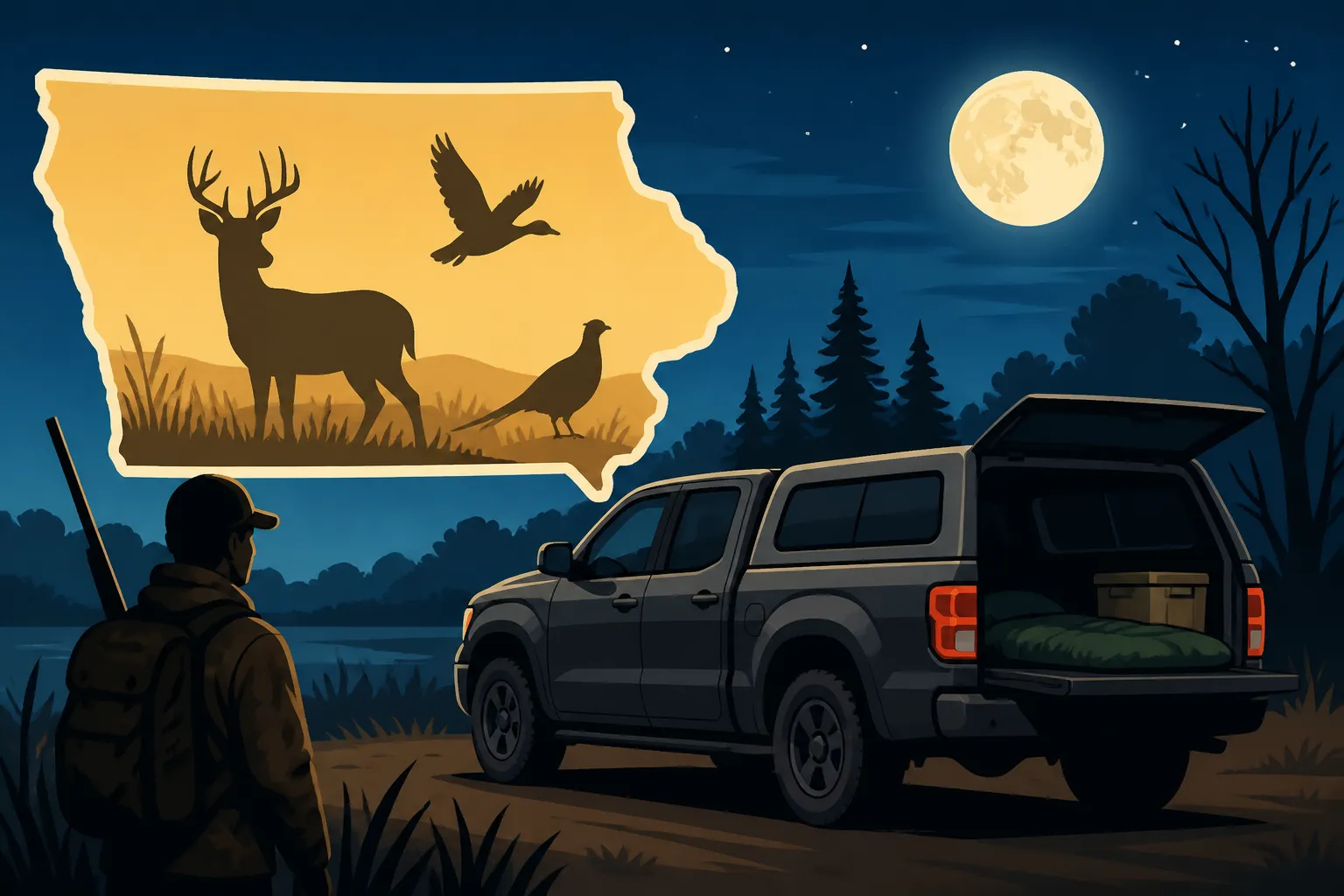
It’s a familiar dilemma for many Iowa hunters: you’ve found that perfect public land spot, the one that requires a pre-dawn hike or an all-day sit, and the thought of packing up everything and driving out only to come back hours later can be utterly exhausting. The question of whether you can just leave your truck overnight at an Iowa Wildlife Area parking lot gnaws at your mind, stirring worries about legality, safety, and whether you'll find a ticket on your windshield. This guide is here to clarify those rules and share practical strategies for making overnight parking work for your Iowa hunting adventures, ensuring you know exactly what to expect and how to prepare.
Understanding Iowa's Public Land Parking Rules
Navigating the rules for public land use, especially when it comes to something as specific as leaving your vehicle overnight, can feel like trying to decipher an ancient map. Iowa's public hunting lands are managed by various entities, primarily the Iowa Department of Natural Resources (DNR) for Wildlife Management Areas (WMAs), and each can have nuanced regulations. The first step to a stress-free hunt is understanding these foundational rules.
General Regulations for Wildlife Management Areas
Iowa's Wildlife Management Areas are primarily set aside for wildlife habitat and public recreation, with hunting being a major component. While the general intent is to provide access, that doesn't always translate to a free-for-all when it comes to vehicle parking. Typically, official WMA parking lots are designed for day use. The unspoken assumption in many areas is that vehicles will be removed by the end of legal hunting hours or certainly by nightfall. However, there isn't always a blanket statewide regulation explicitly forbidding overnight parking in every single WMA lot. This ambiguity is precisely where the frustration creeps in for hunters planning longer outings.
You might pull into a WMA parking lot at 4 AM, ready for an archery hunt, only to wonder if your truck will still be there, or ticket-free, when you walk out after sunset the next day. The key here is that absence of an explicit prohibition does not always mean permission. The DNR often operates on a "leave no trace" principle, which extends to vehicles not becoming permanent fixtures. If an area has a designated campground, that's where overnight parking (associated with camping) is permitted. For other areas, the rules can be less clear-cut, leading to a need for careful observation and sometimes a little local inquiry. Remember, these areas are often monitored by conservation officers who interpret regulations based on local context and the spirit of the law, not just the letter.
Specific Signage and Local Variations
This is where the rubber meets the road, or rather, where the tires meet the gravel of an Iowa WMA parking lot. While there may not be a universal statewide sign, many individual Wildlife Management Areas, or even specific parking lots within them, will have signage indicating parking restrictions. These signs are your absolute best friend. Look for language that says "Day Use Only," "No Overnight Parking," or specifies hours of operation, like "Parking 4 AM to 10 PM." If you see such a sign, consider it gospel for that particular location. Ignoring it is an open invitation for a citation.
Conversely, if a sign explicitly permits overnight parking or mentions camping with associated vehicle parking, then you're generally in the clear. The challenge is that many parking areas simply have no sign at all regarding overnight stays. In these cases, it often defaults to a "common sense" interpretation or, more reliably, a quick call to the local DNR office or county conservation board that manages the specific WMA. You can often find contact information on the Iowa DNR website or by using a mapping app like onX Hunt to look up the specific area. Their local knowledge is invaluable and can save you a lot of headache and potential fines. Different public lands have different rules, so what applies to a WMA might not apply to county parks or certain federal lands like those managed by the Corps of Engineers. Being proactive in checking these local nuances is far better than assuming.
Designated Parking Areas vs. Roadside Parking
Iowa's public hunting opportunities extend beyond official parking lots, and so does the question of where to leave your vehicle. Many hunters find access points along county roads, often just pulling off onto a wide shoulder or a small, unofficial turnout near a timber block or a stretch of CRP. While this might seem like a solution to the "no overnight parking" dilemma, it introduces its own set of rules and risks.
First, official designated parking areas are always your safest bet when available. They are typically maintained, often have signage, and are generally recognized as legitimate access points. If you can use one, even if it means a slightly longer walk, it often reduces the risk of legal issues or vehicle damage. These spots are usually marked on maps, including tools like the Iowa DNR Hunter Atlas or the layers within onX Hunt.
Roadside parking, on the other hand, can be a grey area. While it might be legal to pull off the road in some locations, you must be extremely mindful of local ordinances, safety, and potential damage to crops or private property. Parking too close to an intersection, blocking a field drive, or obstructing sight lines can lead to tickets from local law enforcement, not just the DNR. Furthermore, parking on the shoulder for extended periods, especially overnight, can make your vehicle a target for theft or vandalism. Farmers, in particular, can be very protective of their property, and an unknown vehicle sitting near their fields overnight might raise concerns, even if you are technically on public road right-of-way. Always ensure your vehicle is completely off the traveled portion of the road and not impeding any access. Check if you can link to Iowa Road Right-of-Way Hunting Rules for more specific details on this, as they often apply to parking as well.
Strategies for Overnight Parking Success
So, you've done your homework and found a spot where overnight parking might be permissible, or at least isn't explicitly forbidden. Now what? Success isn't just about avoiding a ticket; it's about ensuring your vehicle is secure, your plan is solid, and you're respecting the land and other users.
Scouting Parking Before Your Hunt
This is a step that far too many hunters skip, and it's often the difference between a smooth hunt and a frantic scramble. Before you commit to a multi-day hunt, especially on unfamiliar public land, physically scout your intended parking location. Don't just rely on aerial imagery, even with excellent tools like onX Hunt. Drive to the exact parking spot during daylight hours, ideally on a weekday when it's less busy. Look for signs, observe the lay of the land, and assess the security.
Are there fresh tire tracks suggesting frequent use? Is the ground firm enough that your vehicle won't get stuck if it rains overnight? Is there good cell service in case of an emergency? Can you clearly see your vehicle from the road, or is it tucked away where it might be less visible but also less prone to accidental damage? Sometimes, a slightly longer walk to a more secure and legal parking spot is worth the peace of mind. Note down any specific signs or regulations you see. This pre-hunt reconnaissance allows you to verify conditions, confirm rules, and adjust your plans before the pressure of an actual hunt. You're not just scouting for deer; you're scouting for practical logistics. Scouting Iowa Public Land Before the Opener goes hand-in-hand with this preparation.
Safety and Security Considerations
Leaving your vehicle unattended overnight, even in seemingly safe rural Iowa, carries inherent risks. The best strategy is to make your vehicle as unappealing a target as possible and take precautions to protect your gear. First and foremost, remove all valuables. Any visible items, especially hunting gear, electronics, or even loose change, can attract unwanted attention. Lock everything up, even if you think the area is remote and safe. A determined thief can break into even the most secure vehicle.
Consider investing in an alarm system or a visible anti-theft device. If you're parking on a less-trafficked road, sometimes a simple "No Hunting/Fishing/Trespassing" sign placed inside your windshield can deter casual mischief, as people might assume the vehicle belongs to a local landowner rather than an out-of-town hunter. Inform a trusted friend or family member of your exact parking location and your expected return time; this is an essential part of Leaving a Trip Plan for a Public Hunt. If possible, park with other vehicles that appear to be left by hunters, as there's a certain safety in numbers. Lastly, always keep your insurance and roadside assistance information handy, just in case something unexpected happens.
Minimizing Impact and Leaving No Trace
Responsible hunting extends beyond the woods to how you use and interact with public access points. When you park overnight, you are essentially asking for a temporary exception to typical day-use expectations. Therefore, it's crucial to minimize your impact. Ensure your vehicle is parked legally and respectfully, not blocking gates, trails, or access points for farmers or other public land users.
Avoid driving off-road or creating new parking areas, which can damage sensitive habitat or cause erosion. Don't leave trash or dispose of anything near your vehicle. The goal is for your vehicle to appear as if it was never there once you leave. This "leave no trace" ethos helps maintain good relationships with land managers and the local community, which in turn helps ensure public land remains accessible for everyone. If an area appears overused or damaged due by previous vehicle access, it's far more likely to see new restrictions implemented. Your actions reflect on all hunters, so make them count positively.
Planning for Multi-Day Hunts and Extended Stays
Successfully executing a multi-day hunt that involves overnight parking requires more than just showing up. It demands foresight, careful planning, and a readiness for whatever Iowa’s unpredictable weather and terrain throw your way.
Camping Regulations and Overnight Stays
The most straightforward way to address overnight parking concerns is to combine it with authorized overnight stays. Many Iowa WMAs, especially larger ones like Stephens State Forest or Yellow River State Forest, have designated camping areas where overnight parking is explicitly permitted as part of your campsite. These sites might range from primitive walk-in options to developed campgrounds with amenities. If your hunting plans involve multiple days in a particular area, checking for nearby public campgrounds or Iowa Public Land Camping Rules can solve your parking dilemma entirely.
Even if you're not planning on setting up a full camp, using a designated campground parking area (if permitted for non-campers, which is rare but worth checking) can offer a secure spot. Sometimes, even if the primary parking for a WMA doesn't allow overnight parking, a nearby county park or state park might have an overflow lot or a designated section where it's acceptable. Always confirm the specific rules for each location, as they can differ dramatically. This approach simplifies the parking issue by aligning it with an established, permitted overnight activity.
Vehicle Preparation for Remote Parking
When your vehicle is going to be sitting alone for an extended period, especially in a potentially remote location, it needs to be ready for anything. This means more than just a full tank of gas. Consider the season: in colder months, ensure your battery is strong, your tires are in good condition, and you have emergency supplies like a shovel, jumper cables, and extra warm clothing in your cab. Iowa winters can be brutal, and being stranded a few miles from the nearest town is no joke. Cold Weather Stand Clothing isn't just for you; it can be a lifesaver if your vehicle breaks down.
During warmer seasons, make sure your cooling system is in good shape. Carry a small toolkit for basic repairs, an emergency tire repair kit, and enough water and snacks to last you a day or two in case of a delay. A reliable spare tire is non-negotiable. Furthermore, ensure your vehicle is clean and free of attractants like food wrappers that might draw rodents or other critters. Finally, having offline maps on your phone, perhaps through an app like onX Hunt, is critical, as cell service can be spotty in many Iowa public land areas, and you won't want to rely solely on it for navigation back to your vehicle. Offline Maps for Iowa Public Ground can truly be a lifesaver when you're off the beaten path.
Contingency Planning for Unexpected Situations
No matter how well you plan, things can go wrong. A flat tire, an unexpected heavy rain or snowstorm making the access road impassable, or even a sudden illness can turn a planned multi-day hunt into a precarious situation. Having a contingency plan is not paranoia; it's smart hunting.
What if your vehicle won't start? Do you have contact information for a local towing service or a trusted person who could come help? What if the weather turns so bad that you can't get back to your vehicle for another 24 hours? Do you have enough emergency food, water, and shelter in your hunting pack to weather an unexpected night out? Carrying extra Packs for a Day in an Iowa Stand supplies, even if you think it's overkill, can prevent a minor inconvenience from becoming a major emergency. Always communicate your detailed plans, including your exact parking spot and intended hunting area, with someone reliable who knows when to expect you back. That person should have the ability to contact authorities if you don't check in on time. This layer of preparedness ensures that even when the unexpected happens, you have a solid backup strategy.
| Factor | General Iowa WMA Parking | Overnight Parking Considerations | Best Practice |
|---|---|---|---|
| Legality | Generally day-use | Check signs, local rules | Call local DNR/County office for specific WMA |
| Signage | Often limited | Look for "No Overnight," hours | Always adhere to posted regulations |
| Security | Moderate risk | Increased risk overnight | Remove valuables, lock vehicle, inform others |
| Access Type | Designated lots, roadside | Designated lots preferred | Avoid blocking, respect private property |
| Weather Impact | Minor for day-use | Significant for extended periods | Prepare vehicle, emergency supplies, check forecast |
| Emergency Prep | Basic | Critical | Share plan, carry communication, offline maps |
Disclaimer
This article is for general informational purposes only and does not constitute professional advice. Laws, prices and regulations vary by location and change over time. Consult a qualified professional for guidance on your specific situation.