When Iowa IHAP Access Starts and Ends
It's incredibly frustrating to spend hours e-scouting a promising piece of Iowa public ground, only to realize you're unsure when you can actually set foot on it. The Iowa Habitat and Access Program (IHAP) provides amazing opportunities, but knowing the precise access dates is crucial for effective planning and, most importantly, respecting the program's rules. This guide is here to clear up that confusion, giving you a clear picture of when IHAP access typically starts and ends so you can plan your hunts with confidence.
Understanding the Core IHAP Access Window
The Iowa Habitat and Access Program (IHAP) is a fantastic initiative that opens up privately owned land to public hunting access. It's a game-changer for many hunters, offering more options beyond traditional public wildlife areas. However, unlike some state-owned lands, IHAP properties often come with specific access periods that are vital to understand before you plan your next trip afield.
The General Opening and Closing Dates
For the vast majority of IHAP tracts, the primary hunting access window aligns with Iowa's traditional fall and winter hunting seasons. This means you can generally expect access to begin around September 1st and extend through March 31st of the following year. This generous window encompasses a wide range of hunting opportunities, including early archery deer, the full pheasant and quail seasons, the various shotgun and muzzleloader deer seasons, and all small game seasons in between.
Imagine you're an avid bowhunter, eager to get out for the early archery season. Finding a new IHAP tract with good timber cover and potential pinch points can feel like hitting the jackpot. Knowing that access generally opens September 1st allows you to start scouting those areas (virtually, at least, until the physical access begins) and plan your opening day sit. This broad timeframe is designed to accommodate the bulk of Iowa's hunting activities, making these properties incredibly valuable resources.
Seasonal Nuances and Exceptions
While the September 1st to March 31st window is a solid general guideline, it's essential to remember that individual IHAP properties can have specific nuances. These aren't always hard-and-fast universal rules, but rather common variations you might encounter.
For instance, many IHAP tracts are agricultural lands, meaning they consist of crop fields (corn, soybeans) that are actively farmed. If a particular IHAP parcel includes standing crops, physical access to those fields might be delayed until after the harvest. Even if the general IHAP access period has begun on September 1st, a cornfield you were hoping to hunt might not be available until late October or even November, once the combines have run through. It's not uncommon to drive past an IHAP sign and see a beautiful standing cornfield, only to realize you'll need to wait for nature and agriculture to take their course.
Similarly, while the March 31st closing date covers most winter hunting pursuits, some properties might have slight variations based on the landowner's specific agreement with the DNR. For spring turkey season, IHAP properties are often available, but the exact dates will align with the specific turkey hunting periods (e.g., Iowa Spring Turkey Season Dates) rather than the broad fall/winter window. Always double-check any specific notes associated with a property on official maps, as they might indicate "deer hunting only" during certain late-season windows, or other species-specific restrictions. These details are crucial for a lawful and successful hunt.
Why These Dates Matter for Your Iowa Hunt
Understanding the start and end dates for IHAP access isn't just about following rules; it's about making the most of your hunting season and ensuring the long-term viability of these valuable public access programs. Without this knowledge, you could be missing out on prime opportunities or, worse, inadvertently causing issues for the program.
Maximizing Your Hunting Opportunities
Knowing when IHAP lands are accessible allows you to strategically plan your entire hunting calendar. For early season bowhunters, the September 1st opener for IHAP lands can provide fresh, unpressured areas to target deer that are still in their summer patterns, often focused on food sources. If you know an IHAP property has a great water source, you might consider Early-Season Bowhunting Over Water as soon as the access opens. For upland bird hunters, the pheasant and quail seasons typically open in late October. IHAP tracts featuring good grass and cover are prime candidates for Pheasant Hunting Iowa Grass and Crop Edges right when the season kicks off, and knowing the IHAP access dates ensures you're not planning a trip only to find the gates closed.
This foresight extends to all seasons. When planning for the late muzzleloader or Iowa January Antlerless Hunts, knowing the March 31st end date means you can squeeze in those last few sits, targeting deer on their winter food sources. Without clear access dates, you're essentially hunting in the dark, unable to synchronize your efforts with the available land. It's like having a concert ticket but not knowing the show date – you'll miss the performance.
Respecting Landowner Agreements and Program Integrity
The Iowa Habitat and Access Program thrives on the voluntary participation of private landowners. They open their property to public hunting, often for specific periods, and respecting those agreed-upon terms is paramount. Hunting outside the designated IHAP access dates is not only trespassing but also undermines the trust between the public, the DNR, and the landowners.
Imagine a landowner who has generously enrolled their property in IHAP. If hunters are consistently found on their land before the access period begins or after it closes, it creates a negative experience for them. This could lead to them withdrawing from the program, reducing the amount of publicly accessible land for everyone. The bright yellow IHAP signs are not just markers; they are a symbol of a cooperative agreement. Adhering strictly to the stated access dates ensures that landowners feel their property is being respected, encouraging continued participation and potentially even attracting more landowners to the program. It's a shared responsibility: we gain access to incredible hunting, and in return, we must be diligent stewards of that privilege.
Finding Specific IHAP Access Dates
While general dates are helpful, you wouldn't plan a multi-day hunt without confirming the specifics. IHAP properties, being privately owned and subject to individual agreements, necessitate checking specific details for each parcel you intend to hunt. Thankfully, Iowa provides excellent resources for this.
The Iowa DNR Hunting Atlas and Mapping Tools
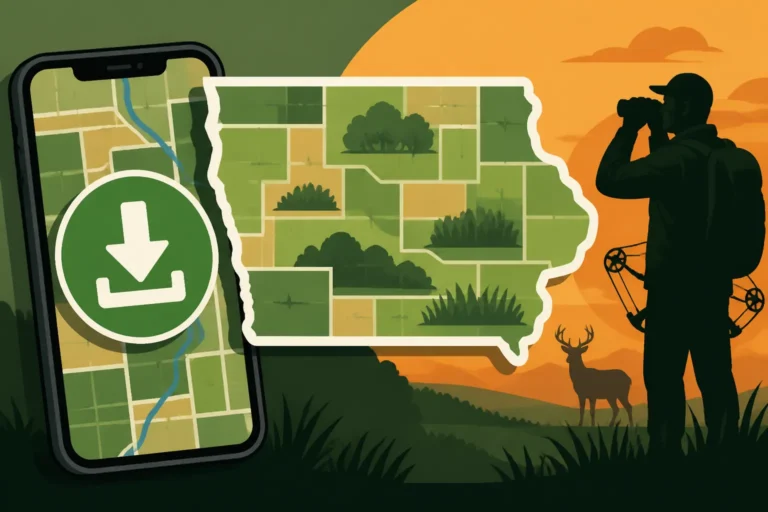
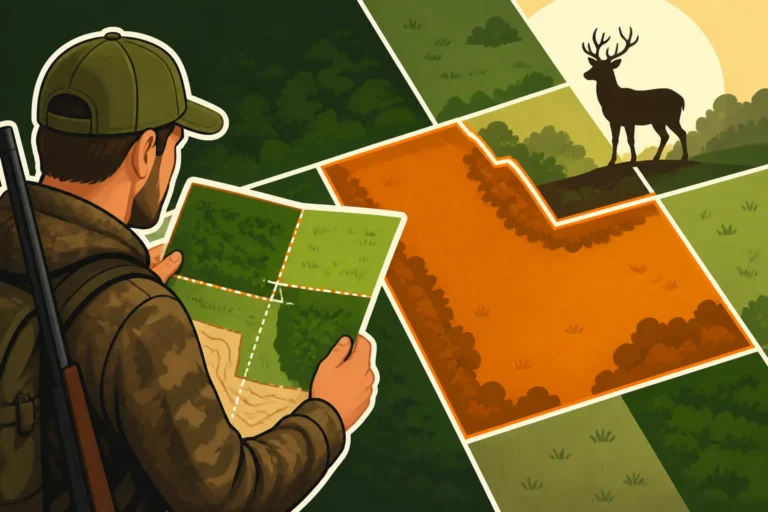
The primary tool for pinpointing IHAP tracts and understanding their specific rules is the Iowa DNR Hunting Atlas. This online, interactive map is an invaluable resource for any hunter in the state. It clearly delineates all public lands, including IHAP properties, and provides crucial details. When you click on an IHAP tract on the atlas, a pop-up window will often display the specific access dates for that particular parcel, as well as any unique restrictions or considerations (e.g., "walk-in only," "no vehicles," "open after crop harvest"). It's truly a must-have for planning any hunt on public or walk-in ground.
Beyond the official DNR atlas, third-party mapping applications like onX Hunt and GoHunt have become indispensable for modern hunters. These apps typically integrate public land data, including IHAP boundaries, and often provide similar property-specific information. Many hunters rely on onX Hunt on their mobile devices to see property lines, landowner names (where available), and crucial access information right in the field. Before heading out, I always cross-reference the DNR Atlas with my preferred mapping app like onX Hunt to ensure I have the most current information. These tools allow you to zoom in on specific tracts, identify parking areas, and even locate potential bedding cover or food sources, all while confirming the precise access dates. Using Reading Aerial Imagery for Bedding Cover on these apps is a powerful way to scout before the season starts.
Understanding IHAP Signage on the Ground
Even with the best digital tools, there's no substitute for reading the actual signage on an IHAP property. The Iowa DNR marks IHAP land with distinctive yellow signs that clearly state "Iowa Habitat and Access Program" and typically include the walk-in hunting only logo. These signs indicate that you are on an IHAP property and that public hunting is allowed within the designated access period.
Crucially, some IHAP tracts may have additional, more specific signage posted by the landowner or the DNR. This additional signage might indicate temporary closures, specific season restrictions (e.g., "Deer Archery Only"), or further details about the access boundaries. For example, you might see a sign on a field edge saying "Access to this field permitted after October 20th" due to crop harvest. It is absolutely vital to read and adhere to all posted signage on the property. These signs are often placed at common access points or along boundaries, so keep your eyes peeled as you approach and enter any IHAP parcel. Think of it as the final layer of confirmation after your digital scouting. Disregarding these ground-level instructions can lead to misunderstandings with landowners and compromise the integrity of the program.
Planning Your Hunt Around IHAP Access
Knowing the access dates is just the first step. The real art is in integrating that knowledge into a comprehensive hunting strategy that respects the program's rules and maximizes your chances of success.
Scouting and Pre-Season Prep
For many IHAP properties, especially those opening September 1st, physical scouting during the summer months is generally not permitted. This means your pre-season preparation needs to lean heavily on digital tools and smart planning. Using the Iowa DNR Hunting Atlas or platforms like onX Hunt, you can spend hours E-Scouting Iowa Farm Country From Home. Identify potential travel corridors, bedding areas (like Cedar and Locust Thickets as Bedding Cover), and food sources. Look for creek bottoms or timber fingers that deer might use as funnels.
Once the access date arrives, you can then hit the ground running for your physical scouting. However, remember the rules regarding stands and blinds on IHAP properties: generally, portable stands can be used but must be removed daily, or at the very least, within specific timeframes. Screw-in steps or permanent modifications are typically forbidden. Understanding portable stand rules on Iowa public ground is essential before you even think about hanging a stand. If you find a promising spot on September 1st, resist the urge to leave a stand overnight if the rules for that specific parcel or general IHAP guidelines don't allow it. It's a testament to leaving no trace, which is a cornerstone of respecting public access lands.
Adjusting to Dynamic Access
Hunting isn't a static sport, and neither is access to land. While the general IHAP dates are reliable, sometimes circumstances, particularly agricultural ones, can cause temporary changes. A late spring might mean a late planting, which in turn could mean a delayed crop harvest. A hunter who planned to access a particular IHAP field on October 25th might arrive to find the corn still standing, pushing back their plans for that specific area. This is where flexibility and staying informed are key.
I always advise hunters to check the DNR Hunting Atlas or their mapping app for any updates closer to their planned hunt, especially if targeting areas with heavy agricultural influence. Sometimes the DNR will post alerts or updates regarding specific properties. Having a Plan B is also smart. If your primary IHAP tract is unexpectedly inaccessible, having another nearby option in mind, whether it's another IHAP property or a traditional WMA, can save your hunt from disappointment. Remember, the goal is to enjoy the hunt responsibly, and adaptability is a core component of that. It's all about making sure you can hunt Hunting Iowa Walk-In Ground Without Burning It Out.
General IHAP Access Dates Overview
Here's a quick reference for general IHAP access periods, keeping in mind that property-specific rules always take precedence.
| Season Type | Typical Start Date | Typical End Date | Key Considerations |
|---|---|---|---|
| General Fall/Winter | September 1st | March 31st | Covers archery, shotgun, muzzleloader, small game, upland birds. Check for crop harvest delays. |
| Spring Turkey | Varies by season | Varies by season | Dates align with specific Iowa turkey seasons (e.g., Youth, Resident, Nonresident). |
| Late Season Deer | January 1st | January 10th (approx) | Often specific to antlerless tags. Refer to DNR regulations for exact dates. |
| Crop Field Access | Post-Harvest | March 31st | Fields are often inaccessible until crops are removed, even if general access has begun. Always verify. |
Knowing the exact access dates for Iowa's Habitat and Access Program properties is not just a detail; it's a fundamental part of responsible and successful hunting. By leveraging resources like the Iowa DNR Hunting Atlas and modern mapping tools such as onX Hunt, and by paying close attention to on-the-ground signage, you can navigate IHAP lands confidently. This respect for the program and the landowners ensures these valuable public access opportunities remain available for generations of Iowa hunters to come.
Disclaimer
This article is for general informational purposes only and does not constitute professional advice. Laws, prices and regulations vary by location and change over time. Consult a qualified professional for guidance on your specific situation.