Cold Weather Stand Clothing
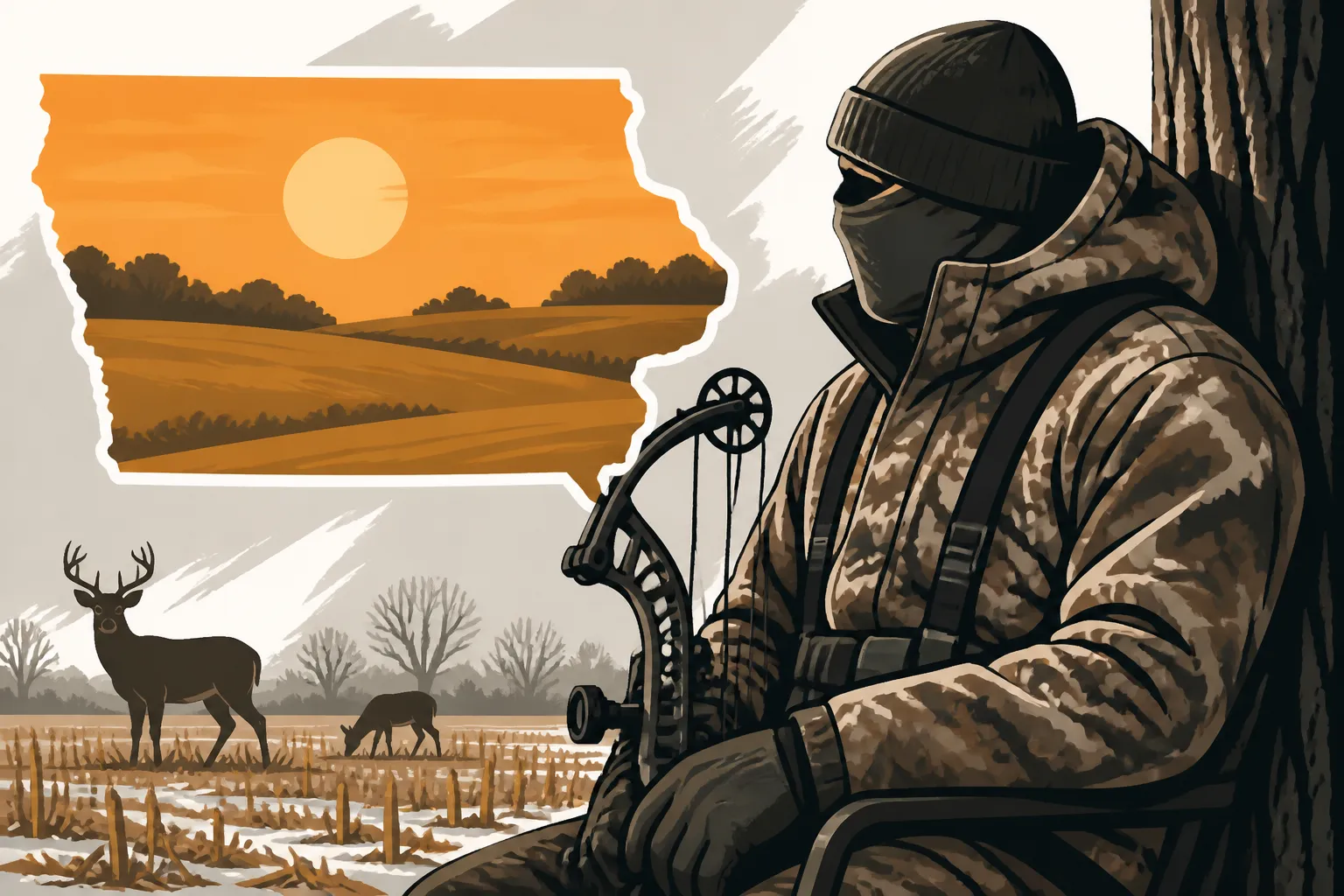
That biting Iowa wind cutting straight through your layers, the numb fingers fumbling with your release, the constant shivering that makes every minute on stand feel like an hour – sound familiar? Anyone who’s spent a late season morning in an Iowa deer stand knows the misery of being underdressed. It’s not just uncomfortable; it ruins the hunt. This guide is all about building a bomb-proof clothing system that lets you focus on the deer, not the frostbite, ensuring you stay warm, silent, and effective, even when the thermometer plummets.
The Foundational Layering System: Base, Mid, and Outer
The secret to staying warm in an Iowa deer stand isn't about one super-thick jacket; it's all about strategic layering. This isn't just a fancy term; it's a science. Each layer serves a specific purpose, working together to trap warmth, wick moisture, and block the elements. Trying to just throw on a bunch of bulky cotton sweatshirts is a recipe for disaster the moment you start walking in or the wind picks up.
Base Layers: The Moisture Managers
Your base layer is probably the most overlooked, yet critical, component of your cold-weather system. Its primary job isn't to add warmth directly, but to manage moisture. When you walk to your stand, no matter how cold it is, your body produces sweat. If that sweat stays next to your skin, it cools rapidly, chilling you to the bone the moment you stop moving. This is where the right material makes all the difference.
Synthetic materials like polyester or polypropylene are excellent at wicking sweat away from your skin. They dry quickly, even in cold conditions, preventing that clammy, cold feeling. Merino wool is another fantastic option. It's naturally antimicrobial, so it doesn't get stinky after a few wears, and it retains much of its insulating properties even when damp, which is a huge advantage. Avoid cotton at all costs for a base layer; it absorbs moisture like a sponge and will make you colder than if you weren't wearing anything at all. Think about a long walk into a remote timber tract on a frosty November morning. You might be sweating by the time you reach your stand, but a good base layer will ensure that moisture is pulled away, allowing your other layers to keep you truly warm once you settle in for your sit. This crucial step is often the difference between a productive morning and heading back to the truck before legal shooting light.
Mid Layers: The Insulation Powerhouses
Once you've got your moisture managed, it's time to trap some heat. This is the job of your mid-layers. These are your primary insulators, designed to create a barrier against the cold. Depending on how frigid it is, you might wear one substantial mid-layer or several thinner ones, which allows for greater adaptability.
Fleece is a popular choice for mid-layers due to its excellent warmth-to-weight ratio, breathability, and quick-drying properties. Different weights of fleece allow you to customize your warmth. Another fantastic option is synthetic puffy insulation, often found in vests or lighter jackets. These mimic the loft of down but perform much better when wet, which is a real consideration in Iowa's unpredictable late-season weather. For truly extreme cold, some hunters opt for down, but you absolutely need a waterproof outer shell to protect it, as down loses all its insulating power when it gets wet. Layering a couple of thinner fleece jackets or a heavy fleece combined with a synthetic vest gives you incredible flexibility. For instance, on a milder December day, you might only need a single heavy fleece. But when a bitter arctic front pushes through, dropping temperatures into the single digits, you'll be thankful for the ability to pile on a couple of layers, perhaps a lightweight fleece under a heavier synthetic insulated jacket. This strategy is key to being prepared for whatever the weather throws at you when you're Staying Warm on a December Sit.
Outer Shells: The Weather Warriors
Your outer layer is your shield against the elements. Its primary purpose is to protect your insulation from wind, rain, and snow, while also being quiet and camouflaged for hunting. This layer doesn't necessarily add a lot of insulation itself, but it ensures your mid-layers can do their job effectively.
A good outer shell needs to be windproof, waterproof (or at least highly water-resistant), and durable. Many hunting-specific outer shells achieve this with quiet fabrics like brushed tricot or softshell materials, often with a DWR (Durable Water Repellent) coating. Look for features like sealed seams, adjustable cuffs, and a hood that allows for good peripheral vision. While you might not wear a heavy, insulated outer layer on your walk to the stand, it's often best to carry it in your pack and put it on once you're settled in. This prevents you from overheating and sweating, which, as we discussed, can lead to becoming dangerously cold. When you're out there hunting Late Muzzleloader Deer Hunting in Iowa, you absolutely cannot compromise on this layer. A sudden rain or snow shower can turn a comfortable sit into a hypothermic nightmare if your outer shell fails.
Protecting Extremities: Hands, Feet, and Head
When it comes to staying warm, your core is important, but your extremities are often the first to suffer, and that's not just uncomfortable – it can impair your ability to hunt effectively. Numb fingers can't draw a bow or manipulate a safety, and cold feet will send you home early every single time.
Keeping Hands Warm and Nimble
Cold hands are a hunter's worst enemy. You need warmth, but you also need dexterity. This is a constant balancing act. The best approach often involves a multi-layered system for your hands, similar to your body.
Many hunters swear by a thin pair of gloves as a base layer for dexterity, paired with larger, insulated mittens or a hand-muff. The key with mittens is that your fingers can share warmth, making them much warmer than gloves in extreme cold. A hand-muff, often worn around the waist, is another fantastic option, especially if it can accommodate a chemical hand warmer. Brands like Sitka, Kuiu, and even more budget-friendly options offer great solutions. Think about those frigid mornings during Iowa Shotgun Season Tactics for Party Hunting. You need to be ready to shoulder your shotgun quickly, but you also can't have your hands so cold they're shaking. A thin wool glove allows for fine motor control, and then a heavy, insulated mitten or a hand-muff packed with two Hand and Toe Warmers That Last can be quickly pulled off when a deer steps out. Don't forget to keep a spare pair of dry gloves in your pack in case your primary pair gets wet.
Battling Frozen Toes: Footwear and Socks
Your feet are often neglected, but they are crucial for comfort and endurance on stand. Once your feet get cold, it’s a quick slide into misery, and you'll find yourself cutting your hunt short. The combination of socks and boots is paramount here.
Start with a good quality wool or synthetic sock as your base, ensuring it wicks moisture but also provides some warmth. Avoid cotton socks. For your boots, you need serious insulation, especially for static sitting in cold weather. Look for boots rated with at least 800-1200 grams of Thinsulate (or equivalent synthetic insulation). Some late-season hunters even opt for boots with 1600-2000 grams. Remember, your boots should fit comfortably with your thickest socks, but not be too tight, as compressing the insulation or restricting blood flow will actually make your feet colder. Many experienced hunters will even size up a half to a full size in their winter boots to accommodate thick socks and allow for better circulation. For those extra brutal January antlerless hunts, consider bringing an extra pair of dry socks to change into after your walk, and definitely use chemical toe warmers. These small, adhesive packets can make a huge difference, particularly if you’re trying to stay out there for Late-Season Food Source Hunting in Iowa.
Head and Neck: Preventing Heat Loss
You lose a significant amount of body heat through your head and neck. Protecting these areas is non-negotiable for overall warmth. A simple beanie might suffice for milder cold, but for truly frigid Iowa days, you need more.
A good wool or fleece balaclava that covers your entire head and neck, with openings for your eyes, is an absolute game-changer. It protects your face from windburn and frostnip, while also trapping a lot of heat. You can layer a warm hat over the balaclava for even more insulation. A scarf or neck gaiter is also excellent for sealing off any gaps around your neck, preventing cold air from seeping down your back. When you’re trying to glass a distant field edge for a cruising buck, the last thing you want is a cold draft making your eyes water and blurring your vision. Keeping your head warm is paramount to mental focus and physical comfort, allowing you to stay sharp for longer.
Practical Strategies for Battling Iowa's Deep Freeze
Having the right gear is only half the battle; knowing how to use it effectively, and employing some smart field tactics, will ensure you maximize your comfort and endurance when hunting Iowa in the deep cold.
Packing Smart: Avoiding the Walk-In Sweat
One of the biggest mistakes hunters make is dressing too warmly for the walk to the stand. You generate a lot of body heat when you're hiking, especially if you're carrying a pack and a weapon. Sweating on the way in means your base layers get damp, and once you stop moving, that moisture will rapidly cool you down.
The solution is simple: layer down for the walk and carry your bulkier, warmer outer layers in your pack. Only put on your heaviest insulation once you reach your stand. For instance, you might walk in with just your base layer and a lighter fleece, then pull out your heavy insulated jacket and bibs from your pack once you get to your setup. A good pack is essential for this. Consider using a backpack with enough capacity for your extra layers, like a Pack Size for a Day in an Iowa Stand. This strategy is especially important if you're accessing public land that requires a longer trek, where you'll be actively moving for an extended period. Many hunters overlook this, only to find themselves shivering an hour into their sit because they're damp underneath all their warm clothes.
Strategic Heat Sources and Circulation Boosters
Even with the best clothing, sometimes you need a little extra boost of warmth or a way to keep your blood flowing. These small additions can dramatically extend your comfortable sit time.
Chemical hand and toe warmers are absolute lifesavers. Place them in your gloves or mittens, your hand-muff, and stick them to the top of your socks (not the bottom, where they can restrict circulation). Don't just rely on one or two; pack a handful, especially for those extended Iowa January Antlerless Hunts. Another trick is to bring a small, insulated thermos of hot coffee, tea, or broth. Sipping a warm beverage can help warm your core from the inside out. Finally, simple movements can make a difference. Wiggle your toes, flex your fingers, or discreetly stand and stretch when no deer are in sight. Keeping your blood circulating helps distribute warmth. Even subtle movements like rocking slightly on your feet or doing some calf raises can boost circulation without making excessive noise or movement that might spook deer.
Choosing the Right Stand for the Cold
Your clothing system is critical, but your choice of stand location and type can also influence how warm you stay. Sitting exposed to the elements will test even the best gear.
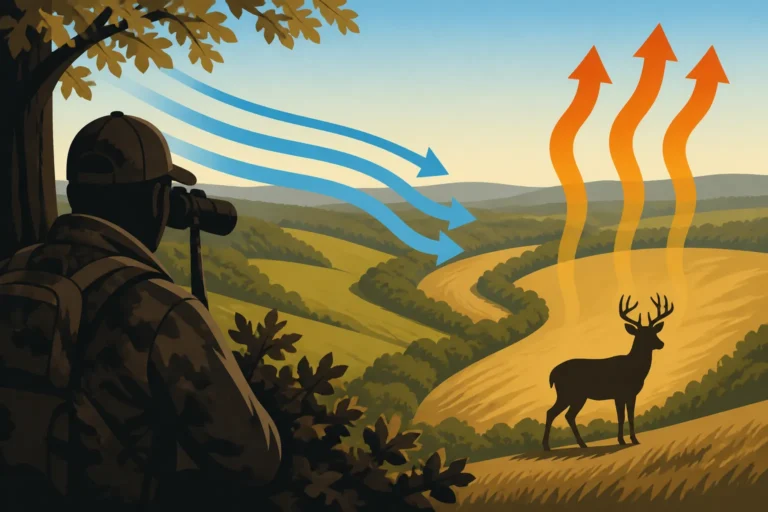
When scouting for late-season spots, always consider natural windbreaks. A thick cedar thicket, the lee side of a ridge, or a dense timber pocket can offer significant protection from the brutal Iowa wind, which is often what makes the cold truly unbearable. If you're hunting in a ground blind, choose one with good insulation and brush it in well to block drafts. A well-placed ground blind can offer a much warmer sit than an open treestand. When reviewing potential spots on a mapping app like GoHunt, look for terrain features that offer natural protection from prevailing winds, like the downwind side of a large timber block or a deep creek bottom. Also, consider how the sun will hit your stand. Even a little bit of morning sun can feel heavenly on a frigid day. Understanding Wind and Thermals in River Breaks can help you pick a spot that keeps you comfortable and hidden.
Beyond the Layers: Essential Gear for Cold Weather Comfort
It’s not just about what you wear, but also a few crucial items you bring along that enhance your overall cold-weather hunting experience. These additions can make a profound difference.
Insulated Seat Pads and Tree Saddles
While your clothing layers are doing their job, sitting directly on a cold treestand seat or metal platform can still draw heat away from your body. An insulated seat pad is a small investment that makes a massive difference.
Look for a pad made of closed-cell foam or a combination of foam and insulated material. These create a thermal barrier between you and the cold stand. For saddle hunters, this is even more critical; a good insulated saddle platform or a large foam pad placed against the tree can prevent conductive heat loss. This simple addition keeps your backside significantly warmer, which in turn helps your core temperature remain stable. It's a small detail, but when you're sitting for hours waiting for that big Iowa buck, every bit of warmth retention counts. If you're venturing out on a long, all-day sit during the rut, an insulated seat pad quickly moves from a luxury to a necessity.
Warm Beverages and Snacks
Fueling your body properly is another often-overlooked aspect of staying warm in cold weather. Your body needs calories to generate heat, and warm liquids provide immediate comfort.
Pack a sturdy thermos filled with hot coffee, tea, hot chocolate, or even a savory broth. Sipping on something warm periodically helps warm your core and keeps morale high. For snacks, choose calorie-dense options that are easy to eat with cold hands, like trail mix, granola bars, or nuts. Avoid sugary snacks that will give you a quick spike and then a crash. GoHunt can help you scout out those perfect mid-day stretches where you can quietly refuel without compromising your hunt. Remember, your body is essentially a furnace, and calories are its fuel. Keeping that furnace stoked is vital for maintaining a comfortable body temperature throughout a long, cold hunt.
| Layer Type | Primary Function | Recommended Materials | What to Avoid | Key Feature for Cold |
|---|---|---|---|---|
| Base Layer | Wicks moisture | Merino wool, Synthetic (polyester, polypropylene) | Cotton | Quick-drying |
| Mid Layer | Provides insulation | Fleece, Synthetic puffies, Down | Heavy cotton, too many tight layers | Loft and warmth-to-weight ratio |
| Outer Shell | Blocks wind/water | Quiet DWR-treated fabrics, Gore-Tex, Windstopper | Non-windproof, noisy | Windproof, waterproof/resistant |
| Extremities | Retain heat, maintain dexterity | Insulated mittens, wool socks, balaclava, hand-muffs | Tight-fitting boots, thin gloves | High insulation (boots), layering (hands), full coverage (head) |
Emergency Preparedness for Extreme Cold
While the goal is always comfort, hunters who venture out in extreme Iowa cold should always be prepared for the unexpected. A minor mishap can turn serious quickly.
Always carry a fully charged phone, and ideally a portable charger, as cold temperatures can drain phone batteries quickly. Consider a small emergency kit with a fire starter, a space blanket, and extra food. Inform someone of your hunting location and expected return time. This is especially critical if you're hunting alone in remote areas or if the weather forecast is dicey. Planning your access routes that do not bump deer is important, but so is ensuring you have a safe exit strategy. The wild can be unforgiving, and a little extra preparation can literally be a lifesaver. Never underestimate the speed at which a minor issue – like a twisted ankle or a sudden whiteout – can become life-threatening when temperatures are below freezing.
Disclaimer
Always check the latest Iowa DNR regulations for specific clothing requirements, especially regarding blaze orange during firearm seasons, and any area-specific rules before heading out. Safety should always be your top priority.