Iowa Public Land Parking Rules
Ever pulled up to a promising public land tract in Iowa, only to stare at a "No Parking" sign, a locked gate, or wonder if you can legally leave your truck on the shoulder? It's a common headache for Iowa hunters, especially when you're trying to get deep into the woods before first light or need to haul a deer out after dark. Navigating the myriad rules for where you can and can't park on Iowa's public hunting lands can feel like a confusing puzzle. This comprehensive guide is here to clear up that confusion, help you understand the nuances of public land parking, and ultimately avoid a frustrating ticket or even a towed vehicle.
Understanding General Parking Regulations on Iowa Public Lands
Iowa's public lands, whether they're state wildlife management areas, state forests, or county conservation properties, are an incredible resource for hunters. However, with that access comes the responsibility of understanding and adhering to specific rules, especially when it comes to parking your vehicle. The goal of these rules is twofold: to ensure public safety and to protect the integrity of the natural resources and infrastructure. Ignoring these regulations isn't just a minor infraction; it can lead to hefty fines, the inconvenience of a towed vehicle, or even the loss of access to valuable hunting grounds.
Designated Parking Areas and Vehicle Access
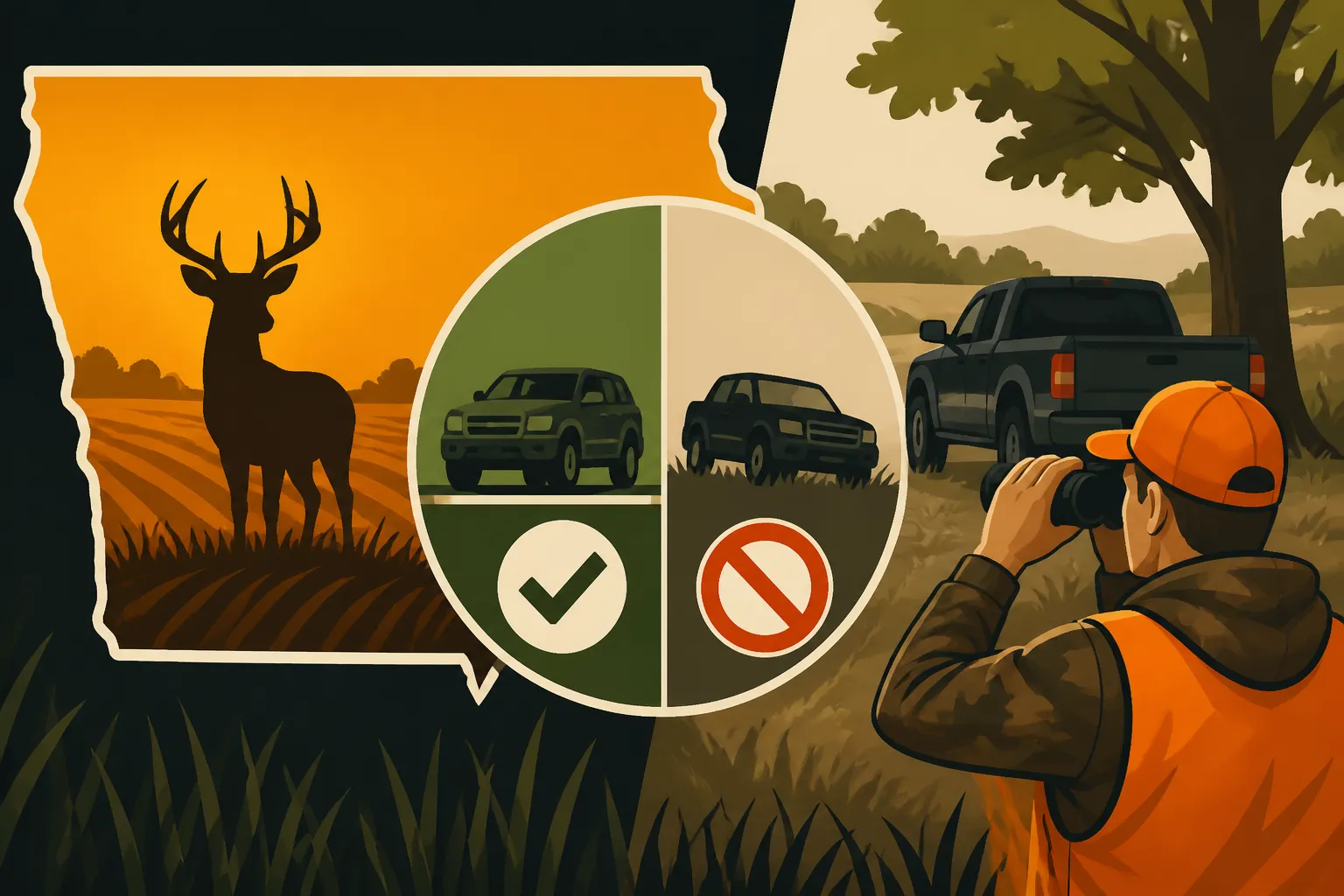
The most straightforward rule across most Iowa public lands is to utilize designated parking areas. These are often clearly marked lots, pull-offs, or gravel spurs specifically intended for vehicle parking. You'll typically find these near access points, trailheads, or along major boundaries. It’s not just about convenience; these areas are planned to minimize environmental impact and maintain safe traffic flow on adjacent roads. Attempting to create your own parking spot by driving off-road or pulling deep into a field can lead to damage to sensitive habitats or crops and is almost always prohibited.
Think about it from a land manager's perspective: if everyone decides to park wherever they please, you end up with ruts, erosion, and blocked access for emergency vehicles or farming equipment. It's a shared resource, and respecting the designated areas helps keep it accessible and healthy for everyone. Before you even head out, checking the specific area's map or website for designated parking is a smart first step.
Avoiding Blocked Gates and Access Points
A common frustration among land managers and fellow hunters alike is finding gates or access lanes blocked by improperly parked vehicles. Many public land tracts, particularly wildlife management areas or areas with agricultural leases, have gates that need to be opened by staff for maintenance, farming, or other operational tasks. Leaving your truck in front of a closed gate, even if you think you're "just going for a quick hunt," can cause significant delays and problems.
Furthermore, many public lands have designated access routes or service roads that are not open to public vehicle traffic but are critical for official use. Parking in a way that obstructs these paths, even partially, is a surefire way to earn a ticket. Always assume that gates and designated access points need to remain clear, regardless of whether you see other vehicles or signs of activity. A good rule of thumb is: if it looks like an access point, don't block it. This also applies to field entrances along property lines, which may be vital for local farmers.
Navigating Specific Public Land Parking Scenarios and Rules
While the general rules are a good starting point, Iowa's diverse public land offerings mean there are specific nuances depending on the type of area you're hunting. Understanding these details can save you a lot of grief and ensure a more enjoyable hunting experience.
Roadside Parking Along Public Land Boundaries
This is where things can get a little murky. While many public land areas have dedicated parking lots, others, especially smaller tracts or linear features like river access points, might only offer roadside parking. The key here is legality and safety. Generally, parking on the shoulder of a public road adjacent to public hunting land is permissible unless specifically prohibited by signage (e.g., "No Parking" signs, "Tow Away Zone") or local ordinances.
However, "permissible" doesn't mean "unrestricted." You must ensure your vehicle is entirely off the traveled portion of the roadway, including the shoulder if traffic safety demands it. Your vehicle should not obstruct traffic visibility, especially near curves or hillcrests. Always park facing the direction of traffic. If a shoulder is narrow or soft, it might be safer to find a different access point with more stable parking. Remember, safety always comes first, both for you and for other drivers. It's not uncommon for hunters to get a ticket not for where they parked, but for how they parked on a public road, especially if it's deemed a safety hazard. This is particularly relevant when considering Iowa Road Right-of-Way Hunting Rules, as parking is often intertwined with legal access.
Overnight Parking and Long-Term Stays
Leaving your vehicle overnight on public land can be a point of confusion for many. The general rule of thumb is that if an area allows camping, it typically allows overnight parking within designated camping areas. However, many public hunting tracts, especially wildlife management areas, do not allow camping and therefore do not permit unattended vehicles to be left overnight. This is to prevent squatting, ensure areas are cleared for maintenance, and manage safety.
If you plan an early morning hunt or a multi-day trip where you're staying in nearby lodging, check the specific area's rules regarding overnight parking. Some areas might have specific rules for Overnight Stand Storage on Public Ground, which may or may not extend to vehicles. If there's no clear allowance for overnight parking, assume it's prohibited. For those venturing onto walk-in areas, consider Parking Away From Your Stand to reduce pressure and keep your vehicle out of sight, but still ensure it's legally parked for the duration of your hunt.
Parking Regulations for IHAP Lands and County Areas
Iowa's Habitat and Access Program (IHAP) lands are a fantastic resource, providing walk-in access on private lands leased by the state. The parking rules for IHAP tracts are very specific: vehicles must remain on designated parking areas marked with the IHAP signage. You cannot drive off the road or into fields on IHAP properties. These parking spots are usually clearly defined pull-offs or small gravel lots. Always look for the yellow IHAP signs, which typically indicate both the access point and the designated parking.
County Conservation Board (CCB) areas often have their own set of rules, which can vary significantly from one county to another. While many CCB areas operate similarly to state WMAs with designated parking, some might have more restrictive rules, especially around high-use recreational zones. Always consult the specific county conservation board's website or contact them directly for clarity. When Scouting Iowa IHAP Tracts on Foot or exploring other county lands, make sure you know the local parking requirements before you arrive.
| Public Land Type | General Parking Guidance | Common Restrictions | Notes |
|---|---|---|---|
| Wildlife Management Areas | Use designated gravel lots or marked pull-offs. | No off-road driving, no blocking gates/access roads. | Overnight parking often prohibited unless camping is allowed. |
| State Forests | Designated lots, roadside where safe and legal. | May have specific rules near campgrounds or trails. | Generally more flexibility, but verify for long stays. |
| IHAP (Walk-In Access) | Only in clearly marked IHAP parking areas. | Absolutely no off-road driving onto the property. | Look for yellow IHAP signs indicating parking spots. |
| County Conservation Areas | Varies widely by county; check local board's regulations. | May have stricter rules in high-traffic parks. | Always verify with the specific County Conservation Board. |
| Road Right-of-Way | Entirely off the traveled portion, safe visibility. | No "No Parking" signs, not obstructing traffic. | Often a last resort; ensure vehicle safety and legality. |
Leveraging Mapping Tools and Resources for Smart Parking
In today's age, there's no excuse for getting lost or being unsure about property boundaries and parking rules. Modern technology has provided hunters with invaluable tools to scout, plan, and execute their hunts, including where to safely and legally park their vehicles.
Utilizing Online Mapping Applications
Mapping applications like onX Hunt have revolutionized how hunters approach public land. These apps offer incredibly detailed property line overlays, showing public versus private land, IHAP tracts, state forests, and WMAs. Crucially, many also indicate designated parking areas, access points, and even non-motorized zones. Before you leave home, you can "e-scout" an area, identify potential parking spots, and plan your route to the stand. This helps you determine Access Routes That Do Not Bump Deer while also ensuring you're parking appropriately.
Even other platforms like GoHunt, while often focused on western states, can link to broader state resources or provide generalized mapping features that, with a bit of cross-referencing, can still help you locate public land boundaries and potential access. Always take screenshots or download offline maps before heading into areas with spotty cell service. Relying solely on real-time data when you're deep in the timber could leave you without critical information.
Iowa DNR Hunter Atlas and Local Resources
Beyond commercial apps, the Iowa DNR offers its own incredible resource: the Iowa Hunting Atlas. This online tool is specifically designed for Iowa hunters, providing layers for all types of public hunting land, including WMAs, state forests, and IHAP tracts. While it might not always show individual parking spaces, it will clearly delineate property boundaries and access points, allowing you to identify appropriate areas where parking might be available. You can usually find information on Using the Iowa DNR Hunter Atlas directly on their website.
Furthermore, many County Conservation Boards maintain their own websites with detailed maps and specific rules for their properties. Don't hesitate to check these local resources, as they often have the most up-to-date information on parking, closures, or unique regulations specific to their areas. A quick phone call to a county office can save you a lot of headache later on.
The Repercussions of Improper Parking and How to Avoid Them
Ignoring parking rules on public land isn't just about the inconvenience of a ticket; it can have broader implications for you, other hunters, and the future of public access. Understanding these repercussions can reinforce the importance of proper planning and respectful behavior.
Fines, Towing, and Damage Fees
The most immediate consequence of illegal parking is a fine. Parking violations on public land or adjacent roadways can result in tickets ranging from minor infractions to more substantial penalties, depending on the severity and location. In some cases, if your vehicle is creating a hazard, blocking an access road, or simply left in a prohibited area for too long, it can be towed. The cost of retrieving a towed vehicle, including towing fees, storage fees, and the original parking fine, can quickly add up to hundreds of dollars – a steep price for a day's hunt.
Beyond official fines, driving off-road or parking improperly can cause damage to crops, sensitive habitats, or even private property if you accidentally stray. You could be held liable for these damages, leading to additional financial burdens and potential legal issues. It's simply not worth the risk.
Loss of Access and Increased Hunting Pressure
Every time a hunter disregards a rule, it jeopardizes access for everyone. Landowners might be less inclined to enroll in programs like IHAP if they experience issues with hunters parking improperly, driving off-road, or causing damage. Similarly, land managers might be forced to implement more restrictive parking rules or even close access points if misuse becomes rampant. This can lead to increased Hunting Pressure Patterns on Iowa Public Land in fewer areas, diminishing the quality of the hunting experience for all.
Respectful behavior, including diligent adherence to parking rules, helps maintain good relationships with landowners, conservation agencies, and the general public. It ensures that these valuable public hunting opportunities remain available for future generations of Iowa hunters. Thinking about the big picture and the collective good is crucial for sustaining our hunting heritage. When you consider the sheer Iowa Wildlife Management Area Acres available to hunters, it’s clear that we need to collectively be good stewards to protect these resources.
Planning Ahead for a Smooth Hunt
The best way to avoid any parking issues is to plan ahead. Before you even leave your driveway, use the Iowa Hunting Atlas, onX Hunt, or other mapping tools to identify potential parking areas. Have a primary and secondary parking option in mind, especially if you're visiting a popular spot during peak season. If you're unsure about specific rules, contact the local DNR office or county conservation board well in advance.
Pack appropriately for your walk from the vehicle to your stand, understanding that ideal parking spots aren't always right next to your hunting location. This might mean investing in a good deer cart or game bags if you anticipate a long haul back to the truck. Getting a Deer Out of an Iowa Creek Bottom or across miles of CRP is hard enough; don't make it harder by having your truck too far or illegally parked. Being prepared, informed, and respectful of the rules ensures your focus remains on the hunt, not on a potential ticket.
Disclaimer
This article is for general informational purposes only and does not constitute professional advice. Laws, prices and regulations vary by location and change over time. Consult a qualified professional for guidance on your specific situation.