Packs for a Day in an Iowa Stand
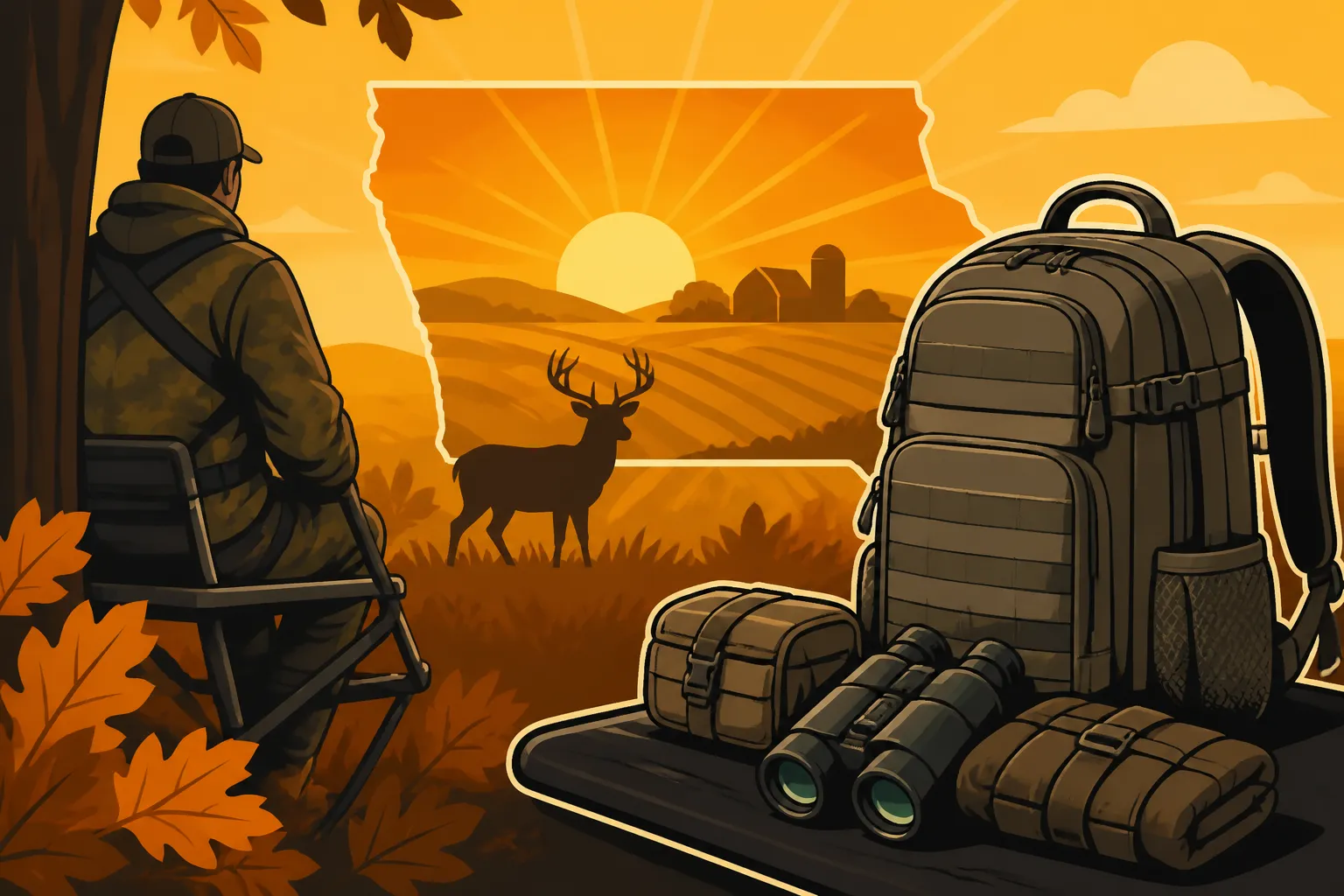
There's nothing quite like the anticipation of settling into your stand in the Iowa timber or on a field edge, waiting for a whitetail. But that feeling can quickly turn to frustration if you're fumbling for gear, shivering because you didn't pack enough, or exhausted from lugging an oversized pack through thick brush. Finding the right balance for your everyday carry in an Iowa deer stand is a constant puzzle for many hunters, blending accessibility, comfort, and the necessary essentials. This guide is all about helping you sort through the options, pinpoint what you truly need, and efficiently pack for a successful day in the Iowa woods.
Understanding Your Pack Needs for an Iowa Stand
Choosing a hunting pack isn't a one-size-fits-all deal, especially when you consider the diverse conditions and hunting styles across Iowa's deer seasons. What works for a brisk October morning might leave you unprepared in a bitter December cold front, or overloaded for a quick afternoon sit. It’s all about tailoring your carry system to the specific demands of your hunt.
The Day Pack vs. Bigger Rigs
For most Iowa stand hunters, the "day pack" is king. This isn't a backpack meant for a multi-day backcountry excursion with a tent and cooking gear. Instead, it’s designed to comfortably carry everything you need for a single day, from pre-dawn until well after dark. These packs typically range from 1,500 to 3,000 cubic inches in capacity.
A smaller day pack, perhaps in the 1,500 to 2,000 cubic inch range, is often perfect for shorter hunts or times when you're not packing in much extra clothing. Think early archery season, when layers are minimal, and you're primarily concerned with water, snacks, calls, and basic essentials. It keeps things light and streamlined, which is a huge advantage when you've got a long walk to your stand or are trying to stay agile. However, the downside is limited space, which means less room for unexpected gear or additional layers if the weather takes a turn. You might find yourself having to make tough choices about what to leave behind, which can be a real pain if you suddenly need that extra pair of gloves.
On the other hand, packs in the 2,500 to 3,000+ cubic inch range offer more versatility. These are great for all-day sits, especially when you need to carry bulkier clothing layers for cooler temperatures, a thermos of coffee, or even a larger first-aid kit. The extra space allows you to be prepared for almost anything Iowa's unpredictable weather throws at you. The trade-off, of course, is the increased size and potential weight. A larger pack, even if not fully stuffed, can feel cumbersome in dense timber or when maneuvering into a treestand. It's about finding that sweet spot where you have enough capacity without feeling like you're hauling a small refrigerator into the woods.
Seasonal Considerations and Their Impact on Pack Size
Iowa's deer seasons span a wide range of weather conditions, and your pack needs to reflect that. The transition from the warmth of early archery to the bitter cold of late muzzleloader season demands a flexible approach to packing.
In early archery season, typically September and early October, you're usually battling warmer temperatures, humidity, and insects. Your pack primarily needs to accommodate plenty of water—often 2 liters or more—lightweight rain gear, insect repellent, and minimal layers. A smaller pack is usually sufficient, as bulky items aren't a concern. The focus shifts to hydration and staying cool. Imagine a balmy 60-degree October afternoon; you’ll be shedding layers, not adding them. It's also a time when scent control is paramount, so a separate bag for your hunting clothes or dedicated scent-free compartments within your pack can be incredibly useful.
As the rut approaches in late October and November, and certainly into the shotgun and late muzzleloader seasons in December and January, the game changes dramatically. Temperatures drop, and wind becomes a major factor. Your pack suddenly needs to accommodate much more bulk: heavy insulated jackets, bibs, extra hats, thick gloves, and hand warmers. You might also want a thermos with a hot drink or soup for those all-day sits. This is where a larger pack, perhaps in the 2,500 to 3,000 cubic inch range, really shines. It provides the space needed to comfortably carry these essential insulating layers to your stand and allows you to strip them off if you generate heat walking in, then put them back on once you've settled down. Failing to account for this extra bulk can leave you freezing in the stand, cutting your hunt short, or awkwardly trying to strap bulky items to the outside of an inadequate pack. The variability of Iowa weather means you might start a November morning at 25 degrees and see it rise to 45 by midday; having the layers, and a pack to carry them, is key.
Essential Gear for Every Iowa Stand Hunt
Regardless of the season or your specific hunting style, certain items are non-negotiable for every single trip into an Iowa stand. These are the essentials that ensure your safety, comfort, and the ability to make the most of your hunting opportunity.
The Non-Negotiables: Safety and Navigation
Your safety should always be your top priority. In the solitude of an Iowa timber stand, unexpected emergencies can quickly turn serious. A basic personal safety kit should always be present in your pack. This includes a fully charged cell phone (even if service is spotty, it can still call 911 in an emergency), a reliable headlamp with fresh batteries (and maybe a spare set), and a small but comprehensive first-aid kit. Think beyond just band-aids; include antiseptic wipes, pain relievers, gauze, medical tape, and any personal medications you might need. A small, lightweight fire starter can also be a literal lifesaver in an unexpected overnight situation.
Navigation is another critical element. While many hunters rely on their smartphones with mapping apps, a dedicated GPS unit or at least a physical map and compass can be a true backup if your phone battery dies or service is nonexistent. Iowa’s public lands, especially those with sprawling timber or confusing creek bottoms, can be disorienting in the dark or under pressure. Knowing exactly where you are and how to get back to your vehicle is paramount. Always let someone know where you are going and when you expect to return—it’s good practice to Leaving a Trip Plan for a Public Hunt before any outing, especially if you're venturing into a remote area or new public land tract. Even if you're hunting private ground, knowing your property lines and egress points is crucial, and having reliable navigation tools helps you stick to your plan and avoid trespassing.
Personal Comfort and Sustenance
Long hours in a stand, often exposed to the elements, demand adequate sustenance and comfort items to maintain focus and morale. Dehydration can creep up quickly, even in cold weather, so carrying enough water is vital. For most day hunts, at least 1-2 liters of water is a good starting point, possibly more during warmer early seasons. Many modern packs include a hydration sleeve and port for a water bladder, making it easy to sip throughout the day without fumbling for a bottle.
Snacks are also critical for sustained energy. Opt for high-calorie, easily digestible foods that don't require preparation and won't freeze solid in cold weather. Energy bars, jerky, nuts, dried fruit, and even a sandwich can keep your energy levels up during an all-day sit. Beyond food and water, consider other comfort items that can make a huge difference: a small roll of toilet paper (you never know!), wet wipes, and scentless lip balm are often overlooked but deeply appreciated. In colder weather, hand warmers and toe warmers are absolute game-changers, extending your comfortable sit time significantly. Don't underestimate the mental boost a hot cup of coffee or cocoa from a quality thermos can provide when the temperatures plummet.
Hunting Specifics: Calls, Optics, and Processing
Naturally, your pack also needs to carry the tools of the trade for deer hunting. This typically includes your deer calls – a grunt tube, a doe bleat call, and maybe rattling antlers or a bag for the rut. Having these easily accessible is crucial for timely responses to deer movement. You don't want to be digging through the bottom of your pack when a buck is cruising by within range.
Optics are another essential category. A good pair of binoculars is indispensable for scanning timber edges, distant fields, or thick cover for deer movement. Pair them with a reliable rangefinder, which is especially important for bowhunters needing precise yardage or for slug gun hunters confirming distances to ensure an ethical shot. While the Binoculars for Iowa Timber Hunting you choose might vary, having them ready and accessible in your pack or on a chest harness is a must. Similarly, a Rangefinders for Bow and Slug Ranges helps you calibrate your shot confidently. After the shot, a sharp knife is paramount for field dressing, and carrying a few disposable game bags can protect the meat, especially during warmer early season hunts. A drag rope or strap, though often carried separately, is another consideration, especially if you anticipate a long haul from a successful kill.
Specialized Items for Different Iowa Seasons and Tactics
Iowa's hunting landscape and weather patterns demand adaptability from hunters. The gear you pack should shift significantly depending on the season, directly influencing the size and type of pack you might choose.
Early Season Additions: Hydration and Scent Control
When the Iowa bow season kicks off in September and October, the primary challenges often revolve around heat, humidity, and insects. Your pack will definitely feel the weight of extra hydration. Instead of a single water bottle, consider a 2-liter hydration bladder to keep a steady supply of water readily available. Electrolyte packets can also be a wise addition to prevent cramping during long walks in warm weather, especially when considering October Bow Season Heat Strategy.
Scent control becomes particularly crucial in early season. With less wind and warmer temperatures, your scent can hang in the air more readily. Alongside your usual scent-eliminating sprays, consider packing a small, waterproof dry bag within your main pack to store your hunting clothes until you're at the stand. Some hunters even bring a light pair of "cover scent" rubber boots to change into once they reach their hunting area. Insect repellent, preferably a scent-free version, is a must-have to keep ticks, mosquitoes, and gnats at bay, allowing you to focus on the hunt instead of swatting bugs. A lightweight, packable rain jacket and pants are also essential, as early fall showers can pop up unexpectedly, and staying dry helps you stay comfortable and maintain your scent profile.
Rut and Late Season Bulk: Layers and Warmth
As Iowa transitions into the peak of the rut and then the colder late seasons, your pack's contents will drastically change, becoming much bulkier due to insulating layers. This is where a larger pack truly earns its keep. For an all-day sit in November or December, you'll want to pack a hefty "puffy" jacket, insulated bibs or pants, and extra layers like fleece vests or heavy long-sleeve shirts. These are typically carried to the stand and then put on once you're settled and cooled down from your walk in. It’s a common mistake to wear all your warm layers on the hike, only to sweat through them and then freeze once you stop moving.
In addition to clothing, a high-quality thermos filled with hot coffee, tea, or soup can be a morale booster and a vital source of warmth. Extra pairs of heavy, insulated gloves or mittens, along with hand warmers and toe warmers, are non-negotiable for keeping extremities functional during frigid temperatures. A neck gaiter or balaclava for face protection against biting winds also takes up valuable space. This is precisely why hunters spend time researching Cold Weather Stand Clothing and how to effectively layer to master Staying Warm on a December Sit. The ability to carry these items in your pack and deploy them as needed is key to enduring those long, cold hours in pursuit of a late-season whitetail.
Public Land Considerations: Tools and Recovery
Hunting Iowa's public lands, while offering incredible opportunities, also presents unique challenges that influence your pack list. You're often dealing with longer walks, denser cover, and the possibility of having to track and recover an animal in challenging terrain without immediate vehicle access.
Beyond your standard hunting gear, consider adding a few public land-specific tools. A small folding saw or pruning shears can be invaluable for clearing shooting lanes from your stand or making a path to retrieve a downed deer. A sturdy drag rope or harness is a must, as you’ll likely be hauling your harvest out by hand. While many use a dedicated deer cart, having a reliable drag system in your pack for those tough spots where a cart won't go, or for initial recovery before getting the cart, is smart. Deer Carts on Iowa Walk-In Ground are a fantastic investment, but often need to be retrieved later or are too bulky to carry to a remote stand.
If you anticipate hunting near water features, such as the numerous creeks and river bottoms found throughout Iowa, you might even consider carrying a set of waders or waterproof knee boots to facilitate recovery if your deer crosses a stream. Recovering a deer from an area like a marshy section of a Wildlife Management Area or a deep timber draw can be incredibly taxing, so having the right tools can make a world of difference. Understanding tactics like Getting a Deer Out of an Iowa Creek Bottom can help you prepare your pack accordingly, maybe even including a small, high-powered flashlight or spotlight for blood trailing in the dark. Lastly, bringing extra game bags can be critical. If you're quartering a deer in the field to make the haul easier, having enough bags to protect the meat is essential, especially when you're a long way from a cooler.
Key Features of a Great Stand Hunting Pack
Once you understand what to put in your pack, the next step is choosing a pack that can handle it all comfortably, quietly, and efficiently. Not all hunting packs are created equal, and paying attention to certain features can significantly enhance your hunting experience.
Comfort and Fit: The Unsung Heroes
A pack can have all the right pockets and features, but if it doesn't fit well, it's going to be a miserable companion on your journey to and from the stand. This is especially true in Iowa, where long walks through challenging terrain are common, particularly on public land. Look for packs with adjustable shoulder straps, a padded back panel that allows for airflow, and most importantly, a robust and padded hip belt. The hip belt is crucial because it transfers much of the pack's weight from your shoulders to your hips, where your body is better equipped to carry it. This dramatically reduces fatigue, especially when you're loaded down with layers and gear.
Many quality hunting packs also offer adjustable torso lengths, allowing you to fine-tune the fit for your body. This adjustability ensures the pack sits correctly on your back, preventing uncomfortable rubbing or pressure points. Before you commit to a pack, load it up with some gear (even if it's just pillows and blankets to simulate bulk and weight) and walk around. Pay attention to how it feels on your shoulders, hips, and lower back. A pack that rides well will feel like an extension of your body, rather than a burden. Don't underestimate the importance of a comfortable pack; a good fit can be the difference between a successful, enjoyable hunt and one cut short by discomfort.
Accessibility and Organization: No Fumbling in the Dark
Imagine a trophy buck stepping out at first light, and you're fumbling around in your pack, trying to find your rangefinder or grunt call. Frustrating, right? A well-designed stand hunting pack prioritizes accessibility and organization. Look for packs with multiple pockets and compartments that allow you to segment your gear. Dedicated pockets for calls, optics, and small essentials mean you can grab what you need quickly and silently, without rummaging through everything.
External pockets, side pouches for water bottles or a spotting scope, and a top-loading main compartment with additional quick-access zippers are all beneficial features. Some packs even include a designated compartment for a hydration bladder, complete with a port for the drinking tube, keeping your water easily accessible. Silent zippers and pull tabs are paramount—nothing spooks deer faster than the loud zzzzzip of a cheap zipper in the quiet woods. Internal mesh pockets can help keep smaller items, like batteries or a small first-aid kit, organized and visible. Consider packs with compression straps. These not only help stabilize your load when the pack isn't full but can also be used to secure items like a climbing stand, extra jacket, or even a small pair of rattling antlers to the outside of your pack, keeping them readily available.
Durability and Quietness: Built for the Woods
Iowa's woods can be tough on gear, from thorny multiflora rose thickets to abrasive tree bark. A good hunting pack needs to be durable enough to withstand these abuses. Look for packs made from tough, rip-resistant fabrics like Cordura or robust nylon. Reinforced stitching at stress points, heavy-duty buckles, and quality zippers are indicators of a pack built to last. It’s an investment, and you want it to stand up to years of abuse.
Equally important for a stand hunter is quietness. Nothing ruins a hunt faster than a noisy pack. This means the material itself should be quiet, often a brushed tricot or fleece-like fabric that doesn't rustle loudly when it brushes against branches or your clothing. Pay attention to the internal components as well; loose items rattling around can be a dead giveaway. Consider how the zippers operate – do they stick and require a forceful yank that creates noise, or do they glide smoothly and quietly? Even the buckles can make noise if they're cheap plastic that clatters. Some hunters even go so far as to wrap certain noisy items in a small piece of cloth or tape to ensure complete silence. A truly quiet pack allows you to move into your stand, make adjustments, and access gear without alerting the sharp senses of an Iowa whitetail.
Optimizing Your Pack for the Iowa Whitetail Hunter
Having the right pack is only half the battle; knowing how to strategically fill it, leverage technology, and maintain it will truly elevate your Iowa hunting game. It's about working smarter, not just harder.
The Art of Packing Light and Smart
Packing effectively is a skill honed over seasons. The goal isn't just to fit everything, but to organize it in a way that is logical, accessible, and minimizes unnecessary weight. Before every hunt, lay out all the gear you think you'll need. Then, critically evaluate each item. Can something serve multiple purposes? For example, a heavy duty garbage bag can be used for packing out meat, a makeshift ground cover, or even an emergency poncho. Do you really need that extra full-size flashlight if your headlamp is reliable and you have a phone as backup?
Prioritize items by importance and frequency of use. Safety and navigation gear, a first-aid kit, and water should always be at the top or in easily accessible external pockets. Often-used items like grunt calls, your rangefinder, or wind checker should be in pockets that can be reached without taking off the pack. Bulkier items, like extra layers or a thermos, can go deeper in the main compartment once you've layered down for the walk in, as you won't need them until you're settled in the stand. Remember, every ounce adds up, especially on a long trek into a remote public land spot. If you want a more detailed breakdown, consider reading What to Carry for an All-Day Sit. Regularly reviewing your packing list and making adjustments based on past experiences will make you more efficient and comfortable in the field.
Using Technology: Apps and Power Banks
In today's hunting world, technology plays a significant role, and your pack needs to accommodate it. Your smartphone, loaded with mapping apps like GoHunt or others, is an invaluable tool for scouting, navigating, and marking stand locations or blood trails. However, relying solely on your phone can be risky. Cold weather quickly drains batteries, and prolonged use of GPS features can accelerate that drain. That's why a high-capacity power bank is an absolute essential for your pack. It allows you to recharge your phone multiple times, ensuring you have access to your maps and communication throughout your hunt.
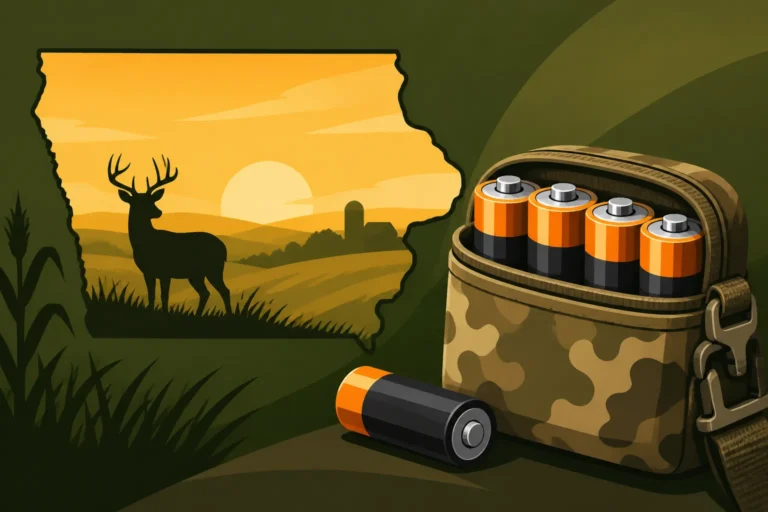
Beyond navigation, many hunters utilize trail cameras to scout deer movement. If you're checking cameras during a hunt, you might need to pack extra SD cards or a small card reader for your phone. Remember to be mindful of regulations regarding trail cameras on public land; they're generally permitted but often have rules about placement and how long they can remain. Knowing the rules for Trail Camera Placement on Iowa Public Land is crucial. Some hunters even carry a small, waterproof Bluetooth speaker (used very sparingly and responsibly) for quiet listening to podcasts during slow periods, though always ensuring it won't disturb wildlife or other hunters. And don't forget spare batteries for your headlamp, GPS, or any other battery-powered devices you carry.
Maintenance for Longevity
A good hunting pack is an investment, and like any investment, it needs proper care to last. After each hunting season, or even after particularly dirty or wet hunts, take the time to clean your pack. Empty all contents, shake out dirt and debris, and spot clean any bloodstains or mud. Most packs can be hand washed with mild soap and water, then air-dried thoroughly to prevent mildew. Pay special attention to zippers, ensuring they are free of grit that can cause them to seize up.
Inspect your pack for any signs of wear and tear: loose stitching, small tears, or fraying straps. Addressing these issues promptly can prevent them from becoming larger, more costly problems down the road. A small sewing kit or some heavy-duty patch material can easily repair minor damage. If your pack is older, consider reapplying a waterproofing spray to maintain its water resistance, especially if you hunt in wet conditions. Proper storage in a cool, dry place away from direct sunlight will also prolong its life. Taking these simple steps will ensure your pack is ready to go year after year, reliably carrying your gear through all the varied conditions of Iowa's hunting seasons.
Suggested Pack Contents by Iowa Season
Here’s a quick overview of essential items, with adjustments for different Iowa hunting seasons:
| Item Category | Early Archery (Sep-Oct) | Rut (Late Oct-Nov) | Late Season (Dec-Jan) |
|---|---|---|---|
| Safety/Navigation | Headlamp, First-Aid, Phone, GPS | Headlamp, First-Aid, Phone, GPS | Headlamp, First-Aid, Phone, GPS |
| Optics | Binos, Rangefinder | Binos, Rangefinder | Binos, Rangefinder |
| Calls | Grunt, Doe Bleat | Grunt, Doe Bleat, Rattling | Grunt, Doe Bleat |
| Comfort/Food | Water (1-2L), Snacks | Water (1L), Snacks, Coffee/Thermos | Water (0.5L), High-Calorie Snacks, Hot Coffee/Thermos |
| Clothing | Light Rain Gear, Bug Spray | Extra Layer (Puffy), Warm Hat/Gloves | Heavy Parka/Bibs (packed), Hand Warmers, Neck Gaiter |
| Field Prep | Knife, Game Bags | Knife, Game Bags | Knife, Game Bags |
| Misc. | Wind Checker, TP, Scent Spray | Wind Checker, TP, Small Saw/Pruners | Wind Checker, TP, Extra Batteries |
Disclaimer
This article is for general informational purposes only and does not constitute professional advice. Laws, prices and regulations vary by location and change over time. Consult a qualified professional for guidance on your specific situation.