City Deer Management Hunts in Iowa
Living in Iowa, many of us love seeing whitetail deer, whether it's a giant buck crossing a field or a doe and her fawns browsing along a timber edge. But when those deer move into city limits, the charm can quickly fade, turning into serious problems like increased car accidents, significant landscape damage, and concerns about disease. This guide is all about helping you understand the specialized "City Deer Management Hunts" in Iowa, delving into why they exist, how they work, and what you need to know to participate responsibly and effectively.
Why City Deer Management Hunts Are Necessary in Iowa
It's a common scenario across our beautiful state: deer populations are thriving, and as our towns and cities expand, so does the overlap between human habitation and deer habitat. This isn't just an occasional sighting anymore; it's a full-blown management challenge that traditional hunting seasons often aren't equipped to handle on their own.
The Growing Problem of Urban Deer
The romantic idea of deer living alongside us in our parks and backyards quickly collides with reality. Vehicle collisions are a huge concern, leading to thousands of dollars in property damage and, tragically, sometimes serious injuries or even fatalities for both people and deer. Just imagine hitting a mature whitetail buck at highway speed on your way to work – it's a terrifying thought and a regular occurrence in many suburban areas.
Beyond the roads, deer in urban settings can wreak havoc on landscaping, gardens, and even agricultural plots on the fringes of town. A single family of deer can decimate a homeowner's prize rose bushes or a community garden overnight. Then there's the less visible, but equally serious, concern about disease transmission. While chronic wasting disease (CWD) is always on hunters' minds, dense deer populations in urban areas can also facilitate the spread of other diseases that could impact both deer and, in some cases, other animals or even humans.
How These Hunts Differ from Traditional Seasons
City deer management hunts are a world apart from your typical fall deer season out in the timber or row crops. The primary goal isn't just recreation; it's about population control in specific, often highly sensitive, areas. This means rules are typically much stricter and more localized, focusing intensely on public safety and minimizing disturbance. Forget the freedom of wide-open public land; here, you're usually operating in smaller, designated zones, sometimes even on private property where special permission has been granted.
These hunts often employ different weapon types, most commonly archery equipment, to ensure quiet operation and short effective ranges, reducing the risk of errant shots. You'll find specific dates, bag limits, and often unique reporting requirements. It's not uncommon for these hunts to target antlerless deer specifically to reduce reproductive capacity and stabilize populations quickly. The entire process is designed to be a surgical approach to deer management, carefully balancing the need to reduce deer numbers with the imperative to maintain public safety and community harmony. These aren't just hunts; they're vital conservation tools.
Understanding the Rules and Regulations for Iowa City Hunts
Navigating city deer management hunts in Iowa requires a deep dive into local ordinances, alongside state regulations. It's not a "one size fits all" situation, and what's permissible in Des Moines might be completely different in Cedar Rapids or even a smaller community. Due diligence is absolutely paramount before you even think about stringing a bow or loading a slug.
Eligibility and Application Process
So, who gets to participate in these specialized hunts? Generally, participants must hold valid Iowa hunting licenses and tags, often including specific antlerless tags. Many cities require proof of hunter education, which, frankly, every hunter should have anyway. Iowa Hunter Education Requirements covers the basics, but cities might have additional demands. Some programs are open to residents only, while others might allow non-residents to apply, although this is less common for city-specific initiatives.
The application process is almost always highly structured. You won't just walk into a city park with your bow. Often, there's a specific application period, sometimes through the city's parks and recreation department or directly with the local police or DNR office. Many cities will also require hunters to pass a proficiency test, usually an archery qualification, to ensure they can make clean, ethical shots under pressure in a sensitive environment. It's a rigorous process, and frankly, it should be, given the close proximity to non-hunting residents. Don't forget to familiarize yourself with Applying Through Go Outdoors Iowa for your general state licenses and then look for specific city portals.
Weapon Restrictions and Safety Zones
This is where city hunts diverge most dramatically from standard seasons. Public safety is the number one concern, which means weapon choices are strictly limited. Archery equipment (bows and crossbows) is overwhelmingly the most common, favored for its shorter range and quieter operation. In very specific, controlled scenarios, a city might allow straight-wall cartridge rifles or shotguns with slugs, but these are often limited to certain areas, specific times, and may require further safety protocols like elevated stands or shooting lanes that funnel shots into safe backdrops.
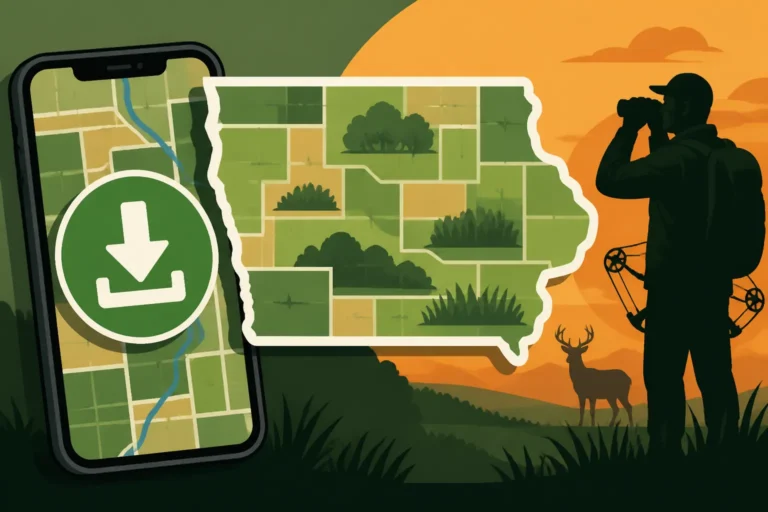
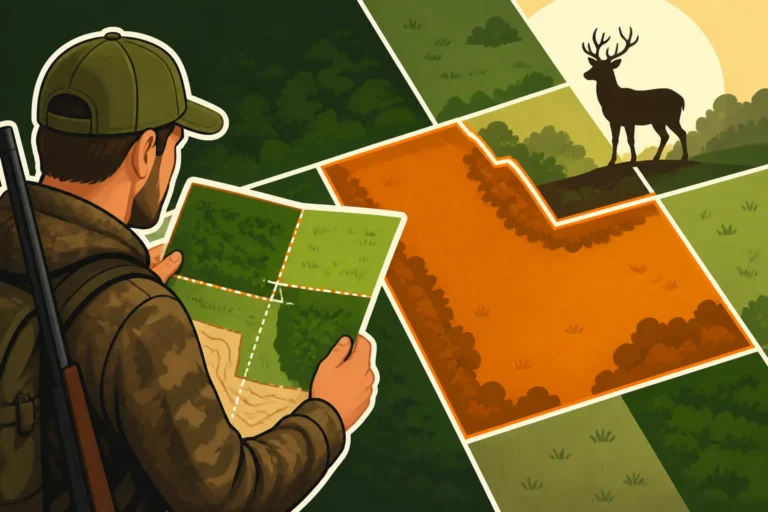
Regardless of the weapon, understanding "safety zones" is non-negotiable. These are areas around homes, schools, parks, or other public spaces where discharging a weapon is absolutely forbidden. The perimeter of these zones can be complex, often requiring hunters to be a certain distance from occupied dwellings or property lines. This is where tools like onX Hunt become invaluable. You can overlay property lines and potential safety zones, helping you visualize safe shooting lanes and understand exactly where you can and cannot take a shot. Without a clear understanding of these boundaries, you're not just risking a missed deer; you're risking legal trouble and endangering others.
Specific City Ordinances and Boundaries
The true complexity of city deer management hunts lies in their hyper-local nature. There isn't a single "Iowa City Deer Hunt" rulebook. Each participating city, be it Des Moines, Cedar Rapids, Davenport, or smaller communities, crafts its own specific ordinances. These local laws dictate everything from the exact hunt boundaries (often including specific parks, greenbelts, or private land parcels), to the hunt duration, permitted hours, stand placement rules, and even where you can park.
Before you even think about applying, you must consult the specific city's municipal code and any special hunt pamphlets or websites they provide. For instance, one city might allow hunting in certain designated park areas, while another might only permit it on private land where hunters have secured explicit landowner permission. This is often an overlooked aspect of Finding Private Land Access in Iowa, as it becomes even more critical in an urban setting. Ignorance of a local ordinance is never an excuse, and violating one could lead to hefty fines, loss of hunting privileges, or worse. Always double-check and then check again.
| Feature | Standard Iowa Deer Season | Iowa City Deer Management Hunt |
|---|---|---|
| Primary Objective | Recreation, harvest goals, population management | Localized population control, public safety, damage mitigation |
| Location | State-wide public and private lands | Specific designated urban/suburban zones, often private land |
| Weapon Types | Archery, muzzleloader, shotgun, straight-wall rifle | Primarily archery; sometimes highly restricted shotgun/straight-wall |
| Safety Zones | Standard state regulations (e.g., around dwellings) | Often expanded or more stringent due to proximity to public |
| Access | General public land access or private land permission | Specific permits, landowner permission, assigned zones |
| Application | State-level tag draw/purchase | City-specific application, potential proficiency tests, interview |
| Bag Limits | State-set antlered/antlerless limits by zone | Often antlerless-focused, higher limits for specific areas |
| Reporting | Standard Iowa Deer Harvest Reporting Rules | May have additional city-specific reporting requirements |
| Hunt Duration | Defined state-wide seasons (e.g., Iowa Archery Deer Season Segments) | Shorter, specific periods tailored to local needs |
Strategies for Success in an Iowa City Deer Hunt
Hunting in an urban environment presents a unique set of challenges and opportunities. You're not just battling the deer; you're also navigating human perceptions, limited space, and often a higher degree of scrutiny. A successful city hunt demands a different mindset and tailored tactics compared to a backcountry adventure.
Scouting Urban Landscapes
Forget looking for vast tracts of timber or sprawling crop fields. Urban scouting is about identifying overlooked pockets of cover and food. Think narrow creek corridors winding through housing developments, overgrown industrial lots, dense brush in parks, or even small woodlots tucked behind shopping centers. Deer in these areas become incredibly adept at avoiding human interaction, often bedding in surprisingly close proximity to people, only moving after dark.
Aerial imagery, especially through apps like onX Hunt, is your best friend here. Look for green spaces, water sources, and any thick cover that might offer refuge. Identify natural travel corridors like drainage ditches, fence rows, or overgrown power lines that connect these pockets of cover to food sources, which could be anything from suburban landscaping to small, unharvested garden patches. Reading Aerial Imagery for Bedding Cover can give you an edge, even when dealing with smaller, fragmented pieces of habitat. Pay attention to pinch points where deer are funneled through narrow openings.
Adapting Tactics to a Unique Environment
Once you've scouted, it's time to adapt your hunting tactics. Forget rattling aggressively or calling loudly; discretion is key. Deer in urban areas are often highly conditioned to human presence, but they are incredibly sensitive to unusual human presence. This means quiet entry and exit routes are critical. Access Routes That Do Not Bump Deer are even more vital when homes are just beyond the tree line. Consider using a ground blind that blends into the background, as setting up a towering treestand might draw unwanted attention. Brushing In a Ground Blind can help it disappear.
Patience is a virtue, and often, an all-day sit in a well-chosen spot, especially during the middle of the day when human activity might be lower, can pay off. Deer here often operate on a nocturnal or crepuscular schedule, making early morning and late evening sits particularly productive. Be prepared to hunt from tight quarters and take precise, ethical shots, knowing that you likely won't have the luxury of a long tracking job through endless timber. Shot Placement on a Whitetail at Twenty Yards is paramount. Remember, the objective is management, and a clean, quick harvest is always the goal.
Ethical Considerations and Public Perception
This might be the most crucial aspect of urban deer management hunts. You are representing hunters to a non-hunting public, many of whom may be ambivalent or even hostile to the idea of hunting in their community. Being discreet, respectful, and ethical isn't just good practice; it's essential for the continuation of these programs. Dress appropriately (often camo is discouraged during entry/exit), be as invisible as possible, and conduct yourself with utmost professionalism.
Proper game handling is also paramount. Once a deer is down, retrieve it quickly and efficiently, minimizing public display. Having a plan for Field Dressing in Sixty-Degree Weather or quickly getting the deer out of a sensitive area is crucial. You might need to quarter the animal in the field to make removal easier and less conspicuous. Always remember, your actions reflect on the entire hunting community, and maintaining a positive public image helps ensure these vital management tools remain available.
Key Iowa Cities with Management Programs
While not every municipality in Iowa faces severe enough urban deer issues to warrant a formal management hunt, many of our larger and mid-sized cities have implemented programs or have considered them. These programs are often dynamic, changing based on deer population assessments, public feedback, and city resources.
Examples of Active Programs
Cities like Des Moines, Iowa's capital, have grappled with significant deer populations within their city limits for years. They might implement archery-only hunts in designated greenbelts or parks, often requiring specific permits beyond state licensing. Cedar Rapids, another major hub, might focus on specific problem areas that have seen high numbers of vehicle collisions or extensive landscape damage. These programs often involve collaborations between the city, the Iowa DNR, and local landowners.
Sometimes, smaller communities on the fringes of larger metro areas also initiate similar, albeit smaller-scale, hunts. For instance, a community like Urbandale or Johnston, adjacent to Des Moines, might work with homeowners associations or private landowners to allow archery hunting on specific parcels to mitigate damage. The common thread is always a localized approach, with rules tailored to the specific challenges and sensitivities of that particular community. It's a testament to the diverse needs across Iowa's varied landscape.
How to Find Local Opportunities
Finding out about these opportunities requires active investigation. Your first stop should always be the official city website of any community you're interested in. Look for sections on "Parks and Recreation," "Police Department," "Animal Control," or "City Ordinances." Many cities will post specific information about deer management programs, including application periods, rules, and contact information. Don't be afraid to call the relevant city department directly if you can't find information online; a polite inquiry can often yield valuable details.
The Iowa DNR website is also a valuable resource, as they often collaborate with cities and may list active urban deer management programs. Attending local public meetings or keeping an eye on community news can also alert you to upcoming hunts or public comment periods. Organizations like Iowa Bowhunters Association might also share information on urban hunting opportunities as they become available. Remember, these aren't always widely advertised like the general deer seasons, so proactive searching is key. GoHunt and other platforms might provide insights for broader hunting opportunities, but for hyper-local city hunts, direct contact with the city and local DNR offices is usually the most reliable method.
Disclaimer
This article is for general informational purposes only and does not constitute professional advice. Laws, prices and regulations vary by location and change over time. Consult a qualified professional for guidance on your specific situation.